Attractions and Places To See around Petit-Auverné - Top 20
Best attractions and places to see around Petit-Auverné are characterized by rural charm and proximity to historical and natural sites within the Loire-Atlantique department of France. The area offers a range of attractions, encompassing historical landmarks, natural features, and cultural points of interest. While Petit-Auverné itself is a small commune, its surroundings provide diverse exploration opportunities. Visitors can discover significant historical sites and natural landscapes.
Best attractions and places to see around Petit-Auverné
- The most popular attractions is Forges of Moisdon-la-Rivière, a historical site that was a former industrial forge complex from the 17th century. This site features ancestral buildings and a pond, serving as a starting point for hiking trails.
- Another must-see spot is Catholic Church - Our Lady of the Assumption of Riaillé, an imposing church rebuilt between 1841 and 1887. Visitors can observe its architecture and learn about its historical significance in the region.
- Visitors also love The Washhouse of Riaillé, a 19th-century stone building located on the banks of the Erdre River. This restored site offers picnic facilities and a footbridge with views of the washhouse and river.
- Petit-Auverné is known for historical sites, natural features, and cultural landmarks. The region offers a variety of attractions to see and explore, from industrial heritage to religious architecture and riverside spots.
- The attractions around Petit-Auverné are appreciated by the komoot community, with 9 upvotes and 5 photos shared by visitors.
Last updated: July 7, 2026
Stele of the Aviators
Highlight • Other
Translated by Google •
Tip by

Forges of Moisdon-la-Rivière
Highlight • Historical Site
Another essential element of the forges site, the large coal storage hall of yesterday transformed today into a museum (free entry).
The Forge Neuve museum explains in a clear and fun way the mining past and work in the forges from the 17th to the 19th century.
fr.wikipedia.org/wiki/Forges_de_Moisdon-la-Rivi%C3%A8re
Translated by Google •
Tip by

Sign up now to discover places like this
Get recommendations on the best single tracks, peaks, & plenty of other exciting outdoor places.
Sign up for free
La Forge Neuve
Highlight • Historical Site
Translated by Google •
Tip by

Nailed Oak
Highlight • Other
petitfute.com/v75850-vallons-de-l-erdre-44540/c1173-visites-points-d-interet/c974-site-naturel/533485-le-chene-aux-clous-du- patisseau.html
Translated by Google •
Tip by
Catholic Church - Our Lady of the Assumption of Riaillé
Highlight • Other
The imposing Riaillé church was rebuilt between 1841 and 1887. Historical notes mention more than 20 places of worship over the centuries of which very few traces remain.
Translated by Google •
Tip by

Sign up for free to discover even more attractions around Petit-Auverné.
Sign up for free
Already have an account?
Start today with a free account
Your next adventure awaits.
Login or Signup


Tips from the Community

This ancient tree is said to have the ability to cure boils. Why bother going to the doctor when all it takes is a walk in the woods to heal?
1
0
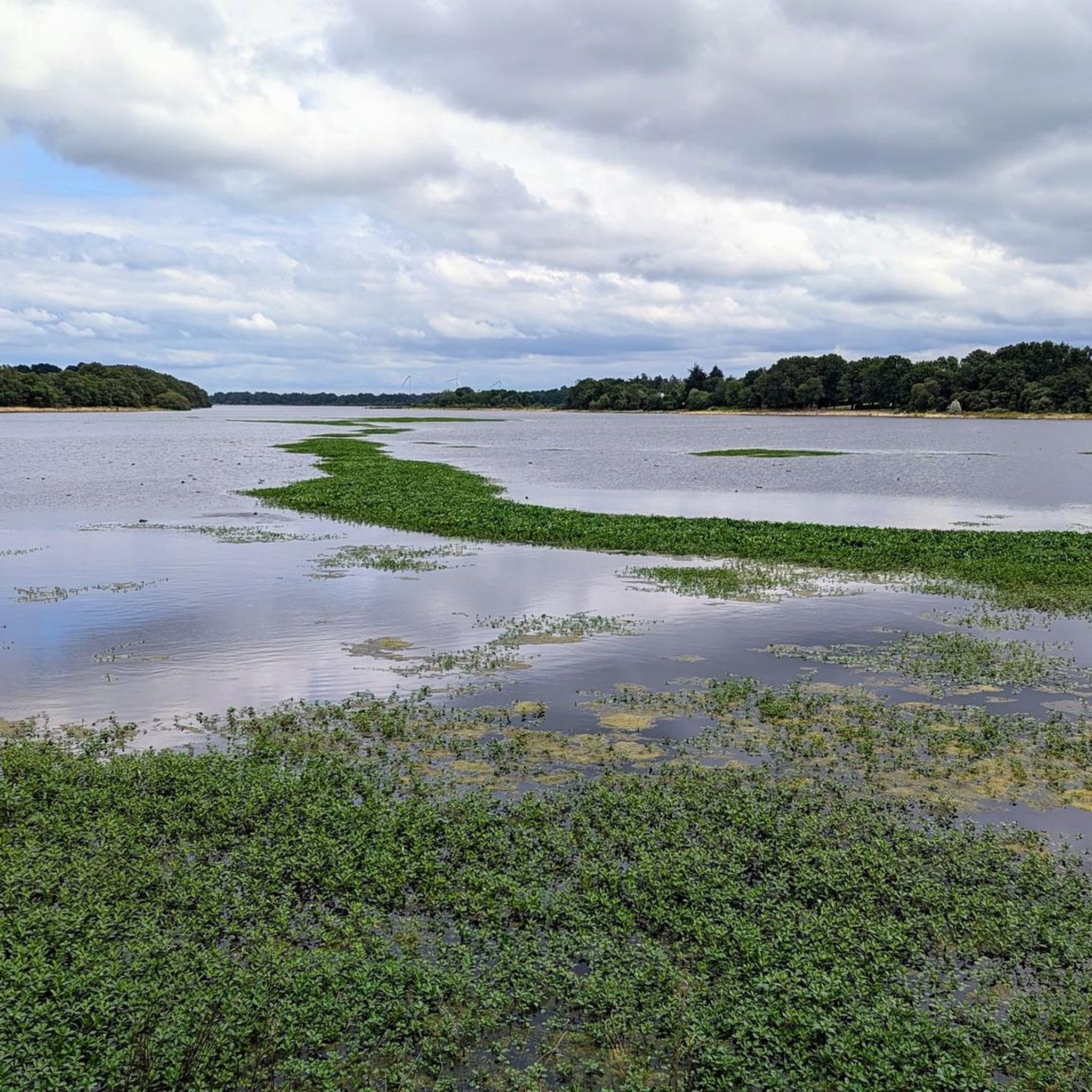
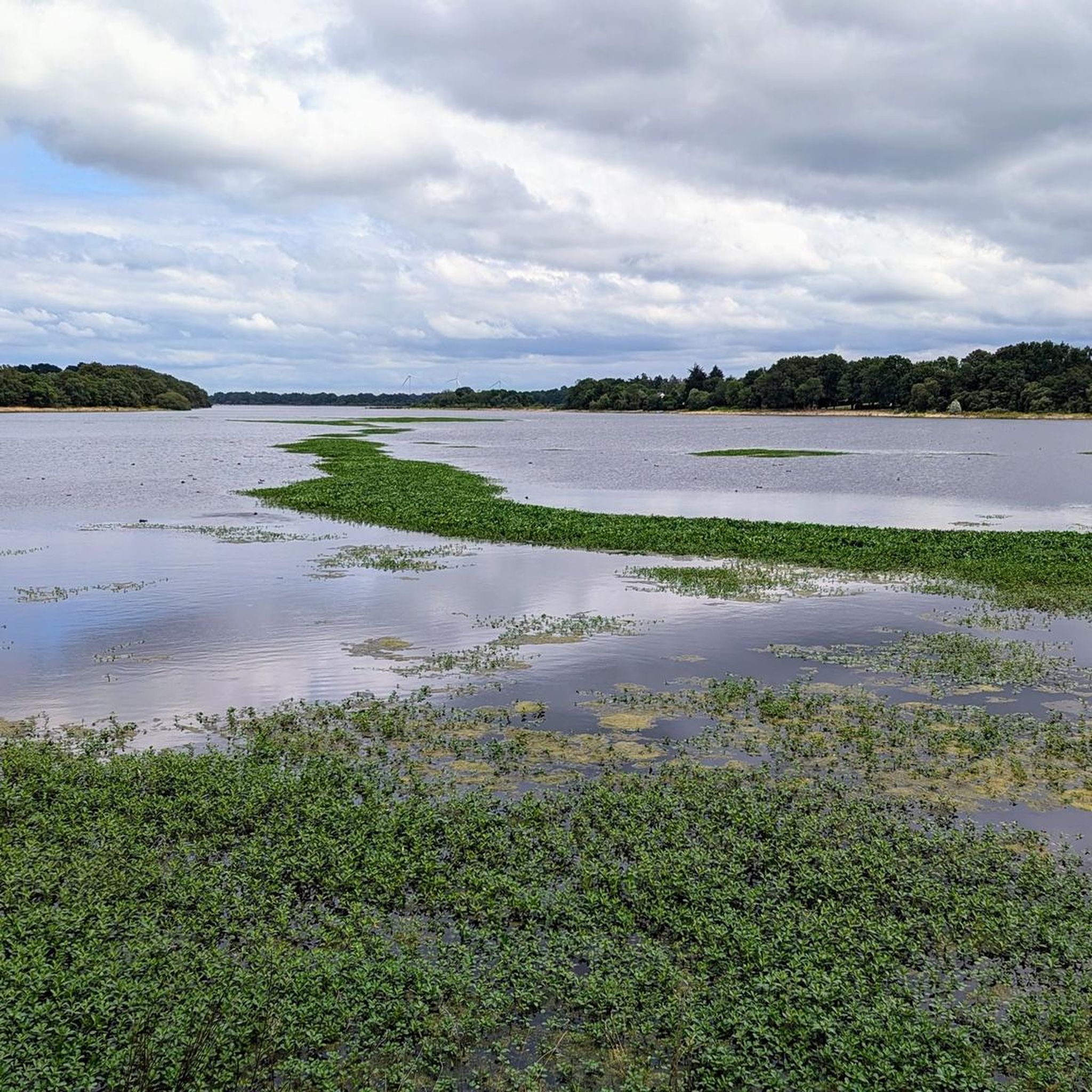
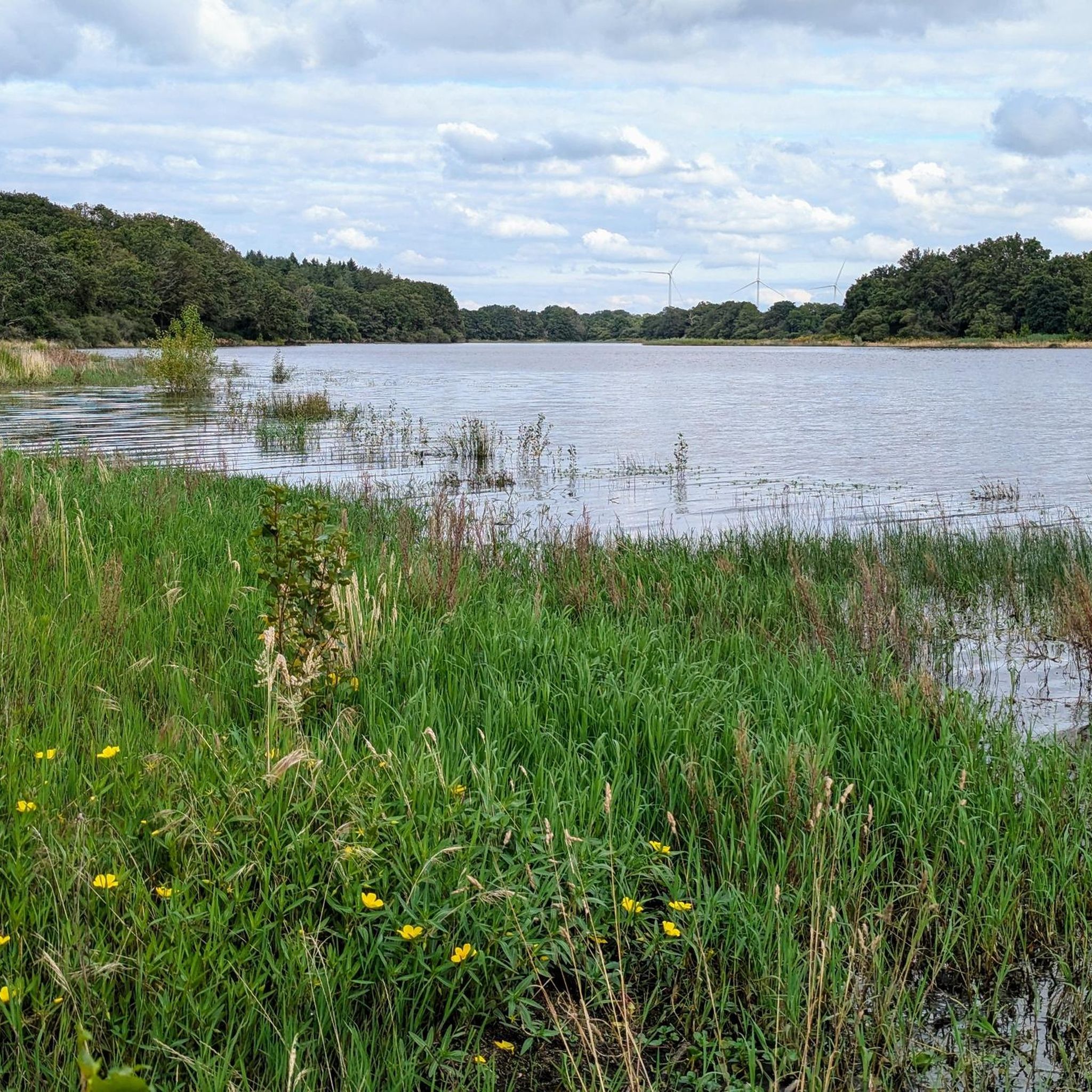
A vast industrial forge site dating back to the 17th century. The natural setting is also remarkable, with the dam on the Don River creating a splendid reservoir that supplied the forges. A favorite is Rue des Rochers Bleus and its hanging pine tree.
1
0

July 25, 1944, shortly after 3 p.m., a Mosquito type plane, a light and fast twin-engine, appeared in the sky of Riaillé, followed a few seconds later by two German fighter planes. Arriving above the hamlet of l'Enclose, one of the fighters gained altitude and dove on the Canadian plane, riddling it with bullets. After starting a curve, the burning Mosquito crashed very close to the Provostière pond. The debris littered the ground for about fifty meters, the fire and the explosion of the ammunition made it impossible to approach. When the fire died down, the inhabitants rushed to the scene and found the charred bodies of the pilot and the navigator. They were identified as Lieutenants Burgess and McPherson. The Germans, who came to the scene, told the mayor that he could bury the bodies but without an official ceremony. However, the occupier's orders were not respected. The bodies were wrapped in sheets and transported to a nearby farm, the village carpentry made the coffins. The next day, a religious ceremony was held in the parish church in the presence of many Riaillé residents and wreaths of flowers covered the coffins. The procession then headed to the cemetery under the supervision of German soldiers who did not intervene. For 80 years, these two Canadian officers have been resting in the Riaillé cemetery. Their tomb is regularly maintained and decorated with flowers by the UNC-Riaillé Mémoire association but also by anonymous people who thus perpetuate the memory of their sacrifice. https://www.echoancenis.fr/actualite-4422-riaille-le-25-juillet-1944-deux-aviateurs-canadiens-etaient-abattus-dans-le-ciel-de-riaille
0
0
Former site of industrial forges in the 17th century, you will discover a landscape bathed in greenery, the pond and the ancestral buildings carved out of the beautiful blue stone. Starting point for hiking trails. Another essential element of the forges site, the large coal storage hall of yesterday transformed today into a museum (free entry). The Forge Neuve museum explains in a clear and fun way the mining past and work in the forges from the 17th to the 19th century. https://fr.wikipedia.org/wiki/Forges_de_Moisdon-la-Rivi%C3%A8re
0
0
On the Grande Balise road, a few hundred meters from the forest path, you will discover the venerable nail oak on the right. This is a 500 year old tree believed to have healing powers against furunculosis in humans. This oak would be the only survivor of a group of sessile oaks felled before 1742, it is today isolated among younger subjects. With a circumference of 4.20 meters at 1 meter from the ground, it is distinguished by a niche attached to its trunk which houses a Virgin and Child, and above all by a trunk covered with hundreds of nails. Formerly, the word nail designated boils; and popular tradition attributes to this oak the power to cure these painful conditions. An ancient pagan rite was practiced: it involved coming alone, at night, out of sight, to rub coffin nails against the sick part of one's body; then go around the tree seven times, address a prayer to the soul of the tree, drive the nails into the trunk on the side that never sees the sun. The rite ended by walking backwards and saluting the tree. https://www.petitfute.com/v75850-vallons-de-l-erdre-44540/c1173-visites-points-d-interet/c974-site-naturel/533485-le-chene-aux-clous-du- patisseau.html
1
0

Notre-Dame-de-l'Assomption is a very popular name, which indicates the patronage of the Virgin Mary, Mother of God, over this parish. Created completely pure by the grace of God, Mary could not experience the degradation of her body in death. It is popular tradition which, throughout the centuries, has pushed the Church to define “the Assumption of Mary” as a dogma in 1950. The imposing Riaillé church was rebuilt between 1841 and 1887. Historical notes mention more than 20 places of worship over the centuries of which very few traces remain.
0
0

Not far from the crash site, a stone memorial to the two 27-year-old Canadians.
1
0
Frequently Asked Questions
What historical sites can I visit near Petit-Auverné?
The region around Petit-Auverné is rich in history. A significant site is the Forges of Moisdon-la-Rivière, a former industrial forge complex from the 17th century with ancestral buildings and a pond. You can also explore La Forge Neuve, another vast industrial forge site, and the Washhouse of Riaillé, a beautifully restored 19th-century stone building on the banks of the Erdre River.
Are there any natural attractions or features to explore?
Yes, the area offers several natural features. The Forges of Moisdon-la-Rivière are situated by the Étang de la Forge, a pleasant pond. The Grand Réservoir de Vioreau, a large 200-hectare reservoir, is also nearby, offering opportunities for hiking, cycling, fishing, and swimming. You can also explore the unique Rigole d'alimentation de l'Étang de Vioreau, a canal with aqueducts and picturesque stone bridges.
What outdoor activities can I do around Petit-Auverné?
The region is excellent for outdoor activities. You can find numerous hiking trails, including routes around the Forges of Moisdon-la-Rivière and the Étang de la Provostière. For more options, explore the hiking routes around Petit-Auverné. Mountain biking and road cycling are also popular, with trails like 'The Arcades of the Rigole' for MTB and routes around La Forge Neuve for road cycling. Discover more at MTB Trails around Petit-Auverné and Road Cycling Routes around Petit-Auverné.
Are there family-friendly attractions in the area?
Many sites around Petit-Auverné are suitable for families. The Forges of Moisdon-la-Rivière and La Forge Neuve offer historical exploration in a natural setting. The Washhouse of Riaillé provides a pleasant picnic spot by the river. The Grand Réservoir de Vioreau also offers various activities like swimming and cycling that families can enjoy together.
Where can I go hiking near Petit-Auverné?
You'll find several hiking opportunities. Popular routes include loops around the Forges of Moisdon-la-Rivière and La Forge Neuve, as well as trails around the Étang de la Provostière. The 'Tour du Lac de Vioreau' is a well-known walking route around the Grand Réservoir de Vioreau. For a comprehensive list of trails, check out the hiking guide for Petit-Auverné.
What do visitors particularly enjoy about the attractions here?
Visitors appreciate the blend of historical heritage and natural beauty. The Forges of Moisdon-la-Rivière are loved for their green landscape, the pond, and ancestral buildings, serving as a starting point for hiking. The Washhouse of Riaillé is enjoyed as a pleasant spot for picnics with views of the Erdre River. The overall rural charm and diverse exploration opportunities are highly valued.
Are there any significant religious or cultural landmarks?
Yes, the Catholic Church - Our Lady of the Assumption of Riaillé is an imposing religious landmark, rebuilt between 1841 and 1887, known for its architecture and historical significance. Melleray Abbey in La Meilleraye-de-Bretagne is another point of interest in the vicinity.
What is the best time of year to visit Petit-Auverné and its surroundings?
The spring and summer months (April to September) are generally ideal for visiting Petit-Auverné. The weather is pleasant for outdoor activities like hiking and cycling around the natural sites such as the Grand Réservoir de Vioreau and the various ponds. Historical sites like the Forges of Moisdon-la-Rivière are also enjoyable during these seasons.
Are there any dog-friendly walking trails?
Many of the natural trails and rural paths around Petit-Auverné are suitable for walks with dogs, provided they are kept on a leash. The walking paths around the Étang de la Provostière and the Rigole d'alimentation de l'Étang de Vioreau are generally good options for dog-friendly outings in nature.
Where can I find amenities like cafes or restaurants near the attractions?
While Petit-Auverné itself is a small commune, you can find amenities in nearby towns. Châteaubriant, for example, offers numerous monuments, museums, and places to explore, including cafes and restaurants. Smaller towns like Riaillé, where the Washhouse and Catholic Church are located, may also have local establishments. It's advisable to check local listings for specific opening hours.
Are there any unique or lesser-known spots worth discovering?
Beyond the main highlights, consider exploring the Rigole d'alimentation de l'Étang de Vioreau, a unique circuit with aqueducts and picturesque stone bridges, where you can also admire the Château de la Lucinière. The Étang de la Provostière, classified as a sensitive natural area, offers a tranquil walking path around the pond and along the Rigole des Ajeaux.
Is public transport available to reach attractions around Petit-Auverné?
Public transport options directly to all individual attractions around Petit-Auverné may be limited due to the rural nature of the area. It is generally recommended to have a car for exploring the wider region and reaching various historical sites and natural features efficiently. Some larger nearby towns might have bus services, but direct routes to specific highlights are uncommon.

Get inspired with the komoot mobile app


Explore more
Still not found the Highlight you’re looking for? See guides of the top attractions in other regions:
