Attractions and Places To See around Ennordres - Top 15
Best attractions and places to see around Ennordres include historical landmarks and natural areas. This village, once a stop on a Roman road, features ancient sites and architectural heritage from the 17th and 18th centuries. The surrounding region offers natural spaces like ponds and canals, providing opportunities for outdoor activities. Visitors can explore castles, churches, and various natural points of interest.
Best attractions and places to see around Ennordres
- The most popular attractions is Stuart Castle, a castle built…
Last updated: June 29, 2026
Stuart Castle
Highlight • Castle
It is …
Translated by Google •
Tip by

Château de la Verrerie
Highlight • Castle
Translated by Google •
Tip by

Sign up now to discover places like this
Get recommendations on the best single tracks, peaks, & plenty of other exciting outdoor places.
Sign up for free
Gaudry🤗 Fountain ford
Highlight • River
Shallow, it is crossed without difficulty. And when there is too much water, a footbridge allows you to go dry.
Translated by Google •
Tip by

Sentier des Telliers aux Bernons🤗
Highlight (Segment) • Other
Translated by Google •
Tip by
Église Saint Firmin
Highlight • Other
Translated by Google •
Tip by

Sign up for free to discover even more attractions around Ennordres.
Sign up for free
Already have an account?
Start today with a free account
Your next adventure awaits.
Login or Signup


Tips from the Community

It was therefore under the patronage of "Saint Firmin," the first bishop of Amiens in the 3rd century, who evangelized the land of Méry and became its patron saint after drinking from the miraculous spring that now bears his name, that the church was given in 856 to the Abbey of Saint-Sulpice (formerly the monastery of Notre Dame de la Nef, founded by Saint Sulpice II, known as "the Pious") by the Archbishop of Bourges, Raoul de Turenne, at the behest of Charles the Bald. Like so many others, the church includes parts dating from the 11th and 12th centuries, notably the north wall with a small, high, round-arched window with small voussoirs. The south chapel appears to date from the 14th century, with its mullioned window with trefoil arches at the top and an oculus above it. But the entire apse dates from the late 15th century; it is three-sided and lit by three large windows. The side windows have only one mullion, while the central one has two that intertwine at the top. The apse is vaulted internally, with ribs featuring openwork profiles, resting either on round pilasters or on corbels formed by reclining angels. The keystone of the chancel vault depicts the Eternal Father blessing and holding the orb surmounted by a cross. Also present is a blank escutcheon supported by a bear and a lion (the coat of arms of the Orsini Princes, one of whose members was Abbot of Loroy Abbey). The cornice rests on a torus molding supported by a molding. The original bell tower stood above the first bay of the choir. It was moved closer to the west gable end during the construction of the Sacred Heart Chapel, donated in 1881 by the Clermont-Tonnerre family, who resided at Loroy Abbey. The date 1525 is inscribed on one of the bells. In 1824, Henry François, the priest of Méry-ès-Bois, blessed a second bell. The bell mechanism was electrified on August 23, 1968, by decision of the Municipal Council.
0
0

Castle built during the Renaissance by Robert Stuart then Louise de Keroualle, Duchess of Aubigny and Porsmouth. Only the facade and one of the two wings exist today. It is one of the major witnesses to the historical presence of the Scots in this city of character. It can be visited and is worth a look, notably with the ceiling of its large room which is all made of wood, shaped like the hull of an upside-down boat. Good to know: Franco-Scottish festivals take place every year in July.
0
0
Castle built during the Renaissance by Robert Stuart then Louise de Keroualle, Duchess of Aubigny and Porsmouth. Only the facade and one of the two wings exist today. It is one of the major witnesses to the historical presence of the Scots in this city of character. It can be visited and is worth a look, notably with the ceiling of its large room which is all made of wood, shaped like the hull of an upside-down boat. Good to know: Franco-Scottish festivals take place every year in July.
2
0

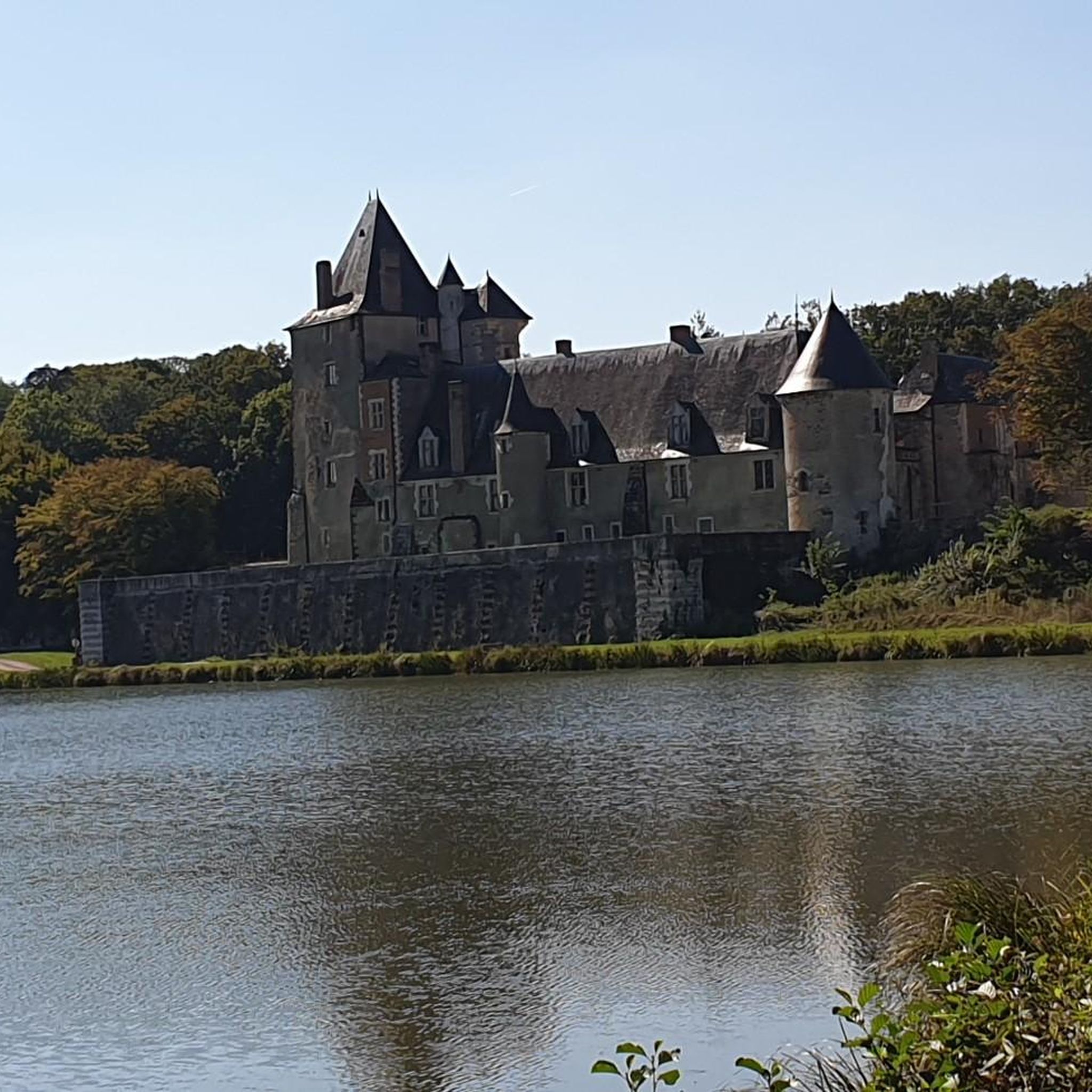
This charming castle, with its remarkable architecture and vast grounds, invites you to explore the opulence of the past and the beauty of the present. The castle's grandiose façade is matched only by the breathtaking gardens and tranquil lake that surround it. Inside you will find a museum which traces the history of the castle and the glassworks that were once there. The picturesque setting and fascinating exhibits make Château de la Verrerie a destination that offers both cultural enrichment and a serene escape to the heart of the French countryside.
2
0
Castle built during the Renaissance by Robert Stuart then Louise de Keroualle, Duchess of Aubigny and Porsmouth. Only the facade and one of the two wings exist today. It is one of the major witnesses to the historical presence of the Scots in this city of character. It can be visited and is worth a look, notably with the ceiling of its large room which is all made of wood, shaped like the hull of an upside-down boat. Good to know: Franco-Scottish festivals take place every year in July.
2
0

A pretty path which begins with a hole of water and mud at the level of Telliers, passes by the ford on the Ionne, cuts the Bourg stream, generally dry and ends at the level of Bernons.
1
0
Ford on the Fontaine Gaudry stream, near the Moulin Batré. Shallow and on a bed of flint. Passes without difficulty.
1
0
Ford on the Fontaine Gaudry stream, near the Moulin de Sugy. Shallow, it is crossed without difficulty. And when there is too much water, a footbridge allows you to go dry.
1
0
Frequently Asked Questions
What historical landmarks can I explore in and around Ennordres?
Ennordres and its surroundings are rich in history. You can visit the impressive Stuart Castle in nearby Aubigny-sur-Nère, known for its Renaissance architecture and unique wooden ceiling. Another significant site is Château de la Verrerie, featuring beautiful grounds and a museum detailing its past. The village itself has Roman vestiges and old buildings from the 17th and 18th centuries, and the 13th-century Église Saint-Martin is also notable for its historical architecture.
Are there any religious sites worth visiting in the area?
Yes, the region features several historic churches. The Église Saint-Martin in Ennordres dates back to the 13th century, with parts restored in the 19th century, and includes a 12th-century tower. Additionally, the Église Saint Firmin, located nearby, boasts parts from the 11th and 12th centuries and a distinctive apse from the late 15th century.
What natural attractions can I find near Ennordres?
For nature lovers, the area offers several serene spots. The Étang d'Ennordres provides a peaceful rural environment with picnic facilities. A short distance away, the Étang du Puits is the largest lake in the Sologne region, offering a beach, hiking trails, and water sports. You can also explore the tranquil waters and towpaths of the old Canal de la Sauldre, once used for transport and now ideal for walks.
Are there family-friendly activities or attractions in Ennordres?
Absolutely! Many attractions cater to families. Both Stuart Castle and Château de la Verrerie are considered family-friendly, offering historical exploration and beautiful grounds. The Étang du Puits is perfect for a family day out with its beach and water activities. For a unique experience, 'La P'tite ferme' in Gué de la Pierre offers farm visits, providing insight into local agricultural life.
What kind of outdoor activities can I do near these attractions?
The region around Ennordres is excellent for outdoor enthusiasts. You can enjoy hiking, cycling, and road cycling. For hiking, consider routes like the 'Moulin du Bois Loop' or various loops starting from Aubigny-sur-Nère. Cyclists can explore routes such as 'One Castle Hides Another Trail' or 'La Sologne du Cher'. You can find more details and routes on the dedicated Komoot guides for hiking, cycling, and road cycling around Ennordres.
Are there any specific hiking trails or walking routes recommended?
Yes, there are several interesting walking routes. The Gaudry🤗 Fountain ford is a unique point of interest for hikers, offering a shallow crossing with a footbridge for high water. Another path, the Sentier des Telliers aux Bernons🤗, provides a scenic walk through varied terrain. For more structured routes, check the hiking guide for Ennordres.
What is the best time of year to visit Ennordres and its attractions?
The region is enjoyable throughout the warmer months. Summer, particularly July, is a vibrant time to visit, especially if you're interested in cultural events, as Franco-Scottish festivals are held annually at Stuart Castle. Spring and early autumn also offer pleasant weather for exploring the natural features and historical sites without the peak summer crowds.
Can I visit a working farm in the Ennordres area?
Yes, for an authentic local experience, you can visit 'La P'tite ferme' in the hamlet of Gué de la Pierre. They offer farm visits, providing a glimpse into the agricultural traditions and daily life of the region.
What is special about the Château des Stuarts?
The Stuart Castle, located in Aubigny-sur-Nère, is a significant historical site built during the Renaissance. It's a major testament to the historical Scottish presence in the area. Visitors can explore its interior, including a grand hall with a distinctive wooden ceiling shaped like an inverted boat hull. Franco-Scottish festivals are held here every July.
What makes the Château de la Verrerie a must-see?
The Château de la Verrerie is renowned for its remarkable architecture and extensive, beautiful grounds. It features a grand facade, breathtaking gardens, and a tranquil lake. Inside, a museum details the history of the castle and the glassworks that once operated there, offering both cultural enrichment and a serene escape.
Are there any unique natural features like fords or canals to explore?
Yes, the area offers unique natural features. You can explore the Gaudry🤗 Fountain ford, a shallow crossing on the Fontaine Gaudry stream, which also has a footbridge for convenience. Additionally, the old Canal de la Sauldre, with its calm waters, old locks, bridges, and towpaths, provides an ideal setting for walks and appreciating the local landscape.
What do visitors enjoy most about the attractions around Ennordres?
Visitors particularly appreciate the blend of historical depth and natural beauty. The castles, such as Stuart Castle and Château de la Verrerie, are highly rated for their architecture and history. Natural spots like the Étang du Puits and the various hiking trails are loved for their tranquility and outdoor opportunities. The community has shared 23 photos and given 24 upvotes to the attractions, highlighting their appeal.
Most popular attractions around Ennordres

Get inspired with the komoot mobile app


Explore more
Still not found the Highlight you’re looking for? See guides of the top attractions in other regions:
