The best road cycling routes around Theillay
4.6
(16)
314
riders
58
rides
Road cycling routes around Theillay traverse a landscape characterized by generally gentle gradients and open countryside, suitable for various skill levels. The region features a network of roads that connect local towns and villages, often passing alongside waterways such as the Canal du Berry. Elevation gains are typically modest, making for accessible road cycling. The terrain is primarily flat to gently rolling, offering consistent riding conditions.
Best road cycling routes around Theillay
- The most popular road cycling route is Roadbike…
Last updated: October 20, 2026
5.0
(5)
23
riders
36.1km
01:44
70m
70m
Moderate road ride. Great for any fitness level. Some segments of this route may be unpaved and difficult to ride.
15
riders
31.7km
01:23
170m
170m
Easy road ride. Great for any fitness level. Mostly well-paved surfaces and easy to ride.

5.0
(1)
11
riders
36.5km
01:31
150m
150m
Easy road ride. Great for any fitness level. Mostly well-paved surfaces and easy to ride.
5.0
(1)
11
riders
36.8km
01:40
150m
150m
Moderate road ride. Great for any fitness level. Some segments of this route may be unpaved and difficult to ride.
7
riders
77.4km
03:04
250m
250m
Moderate road ride. Good fitness required. Mostly well-paved surfaces and easy to ride.
Get access to more routes and recommendations from other explorers.
Already have an account?
Our route recommendations are based on thousands of hikes, rides, and runs completed by other people on komoot.
Start today with a free account
Your next adventure awaits.


Tips from the Community

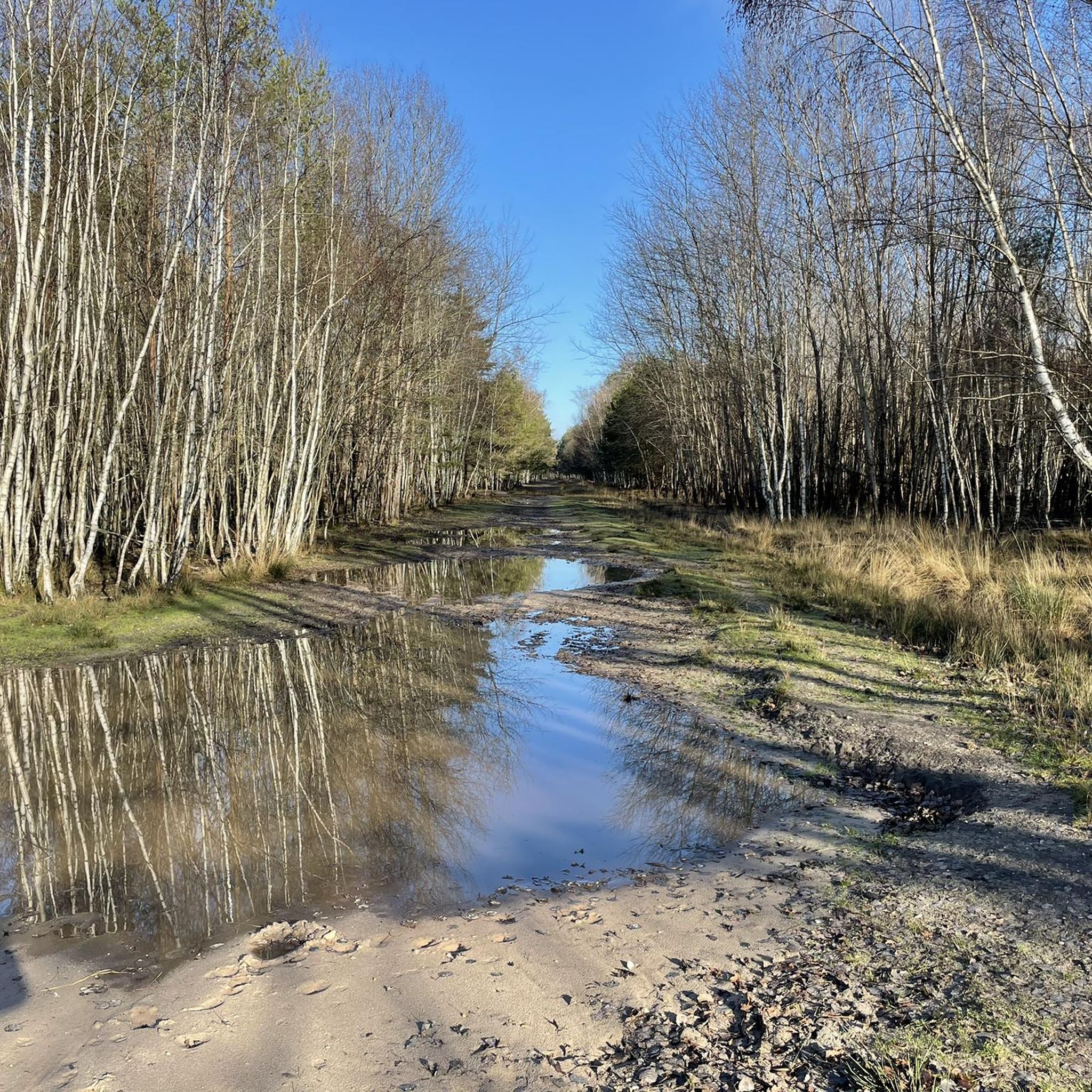
Very pleasant by bike or on foot the only bar in the village (le paris) is highly appreciated and especially the terrace spot by hikers of all backgrounds
0
0

it's very pleasant
0
0

In the 16th century, the parish church was located "to the south of the castle"; in 1624, Henri La Châtre, then Count of Nançay, made a request to the Archbishop of Bourges to have it moved; he complained of being "inconvenienced by the continual ringing of the bells";
0
0
Souesmes must have had some importance towards the end of the 8th century since during the division of the archbishopric of Bourges into archdeaconries themselves divided into archpriests, the priest of Souesmes received the title and function of archpriest. This archpriesthood included 32 parishes, all located to the east of Souesmes (except Salbris). It extended as far as the Loire to the northeast and to Boisbelle (Henrichemont) to the southeast as recalled by the table drawn up by Canon Augustin Petit, priest of Souesmes from 1892 to 1948, according to documents found in the archbishopric of Bourges. This table is still in place at the entrance to the church. The left side of the choir of the church of Souesmes is placed under the protection of Saint Julien, beheaded in Brioude around the year 304. The original building was no longer sufficient for the development of worship, which is why a larger Romanesque-style church was built on the same site during the Carolingian era. The walls of the nave bear witness to this period, the six windows being very small at the time. Carolingian terracotta modillions found in the walls during work in the 19th century allow us to date the period of construction of the walls. One of the modillions is in the Museum of Religious Art in Blois and two others, owned by SAHAS, are in the Marcel de Marchéville Archaeological Museum in Romorantin-Lanthenay (article by Joëlle Fallot - Jean-Marie Lorain published in the booklet "Souesmes heritage in your commune" produced by the departmental committee for heritage and archaeology in Loir-et-Cher and the municipality of Souesmes with the assistance of the general council of Loir-et-Cher).
0
0

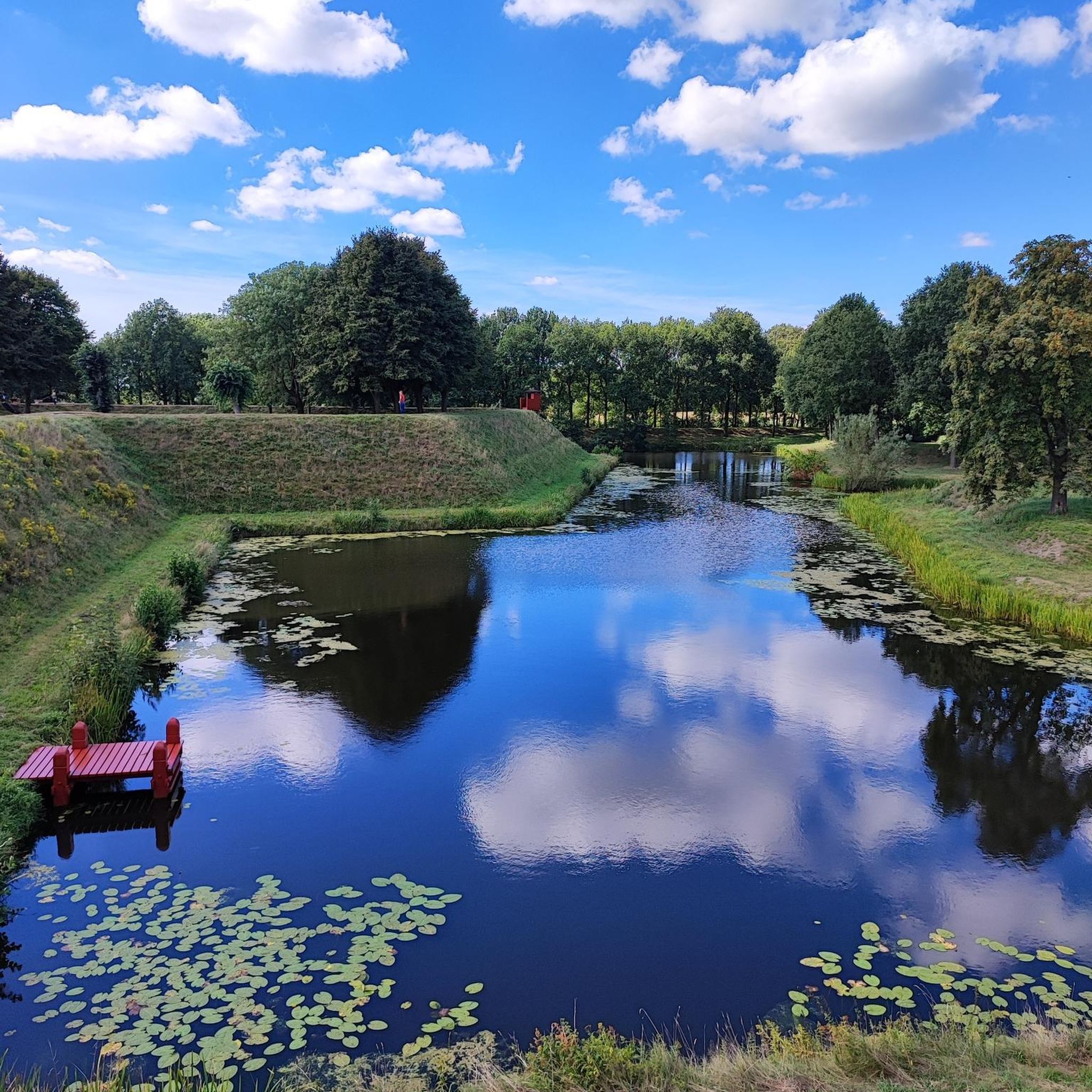
Garden created in the 1930s, on the former grounds of a Benedictine abbey, in an "Art Deco" style by Eugène-Henry Karcher, with the presence of industrial materials of the time, concrete, steel and ceramic, on an area of 6000m² between the Berry canal and the Yèvre.
1
0

Behind this impressive gate is one of the most beautiful estates in Salbris, with at the end of this avenue the private castle of Rivaulde, all brick and half-timbered. It was built in 1524 and then belonged to the lords of Ferté-Imbault. It belonged to the painter Toulouse-Lautrec in the 19th century, who sold it to the Schneider brothers, who had the castle rebuilt by the architect Coulon, then nicknamed "little Vaux-le-Vicomte". Henri Schneider did not see the end of the work in 1902 and it was his wife who made it her main residence.
0
0

If you are looking for a city with rich history, beautiful environment and vibrant culture, you should visit Vierzon. It is located at the confluence of five rivers, including the Yèvre and the Cher, and is surrounded by a magnificent forest of 7,500 hectares. You can discover the heritage of Vierzon by visiting its museums, such as the Vierzon Museum, which presents the arts of fire and ceramics, or the Museum of Agricultural Machinery and Rurality, which presents agricultural machinery and rural life. You can also enjoy cultural events and festivals that take place throughout the year, such as Flower Power Week in October or the Jazz Festival in June. Vierzon is also an important railway hub, connecting Lyon, Nantes, Paris, Limoges and Toulouse, allowing you to travel to other destinations easily. Vierzon is a town that will surprise you with its charm and diversity.
3
0
Mehun-sur-Yèvre Castle was built in the 12th century and was the residence of several kings and queens of France, including Charles VII who died there in 1461. You can admire the architecture of the castle, which combines elements medieval and Renaissance, such as towers, ramparts and mullioned windows. You can also stroll through the magnificent French gardens which surround the castle and offer stunning views of the town and countryside. The castle is also a museum dedicated to Charles VII and his reign, where you can discover the history of this place and its role in the Hundred Years' War. Classified as a historic monument, the castle is a must-see for any history and culture lover.
4
0
Frequently Asked Questions
How many road cycling routes are available around Theillay?
There are nearly 50 road cycling routes documented around Theillay on komoot. These routes cater to various skill levels, with 19 easy and 30 moderate options available.
What are the typical distances and elevations for road cycling routes in Theillay?
Routes in Theillay vary in length, with many popular options ranging from approximately 20 to 50 miles (30 to 80 km). For instance, the Roadbike loop from Vierzon is 22.6 miles (36.4 km) with about 150 meters of elevation gain, while the Radio astronomy station – D29 pass loop from Vierzon covers 48.1 miles (77.4 km) with around 250 meters of elevation. The region is characterized by generally gentle gradients and a primarily flat to gently rolling terrain.
Are there easy road cycling routes suitable for beginners in Theillay?
Yes, Theillay offers 19 easy road cycling routes, perfect for beginners or those seeking a relaxed ride. The terrain is generally flat to gently rolling, making it accessible. An example of an easy route is the Pont de Pierre of Vierzon loop from Vierzon, which is 20.5 miles (32.9 km) long.
Are there any challenging or advanced road cycling routes in Theillay?
The road cycling routes around Theillay are primarily categorized as easy or moderate. There are no routes classified as 'difficult' in this area, making it more suitable for recreational cyclists and those who prefer less strenuous rides with gentle gradients.
Are the road cycling routes in Theillay suitable for families?
Given the prevalence of easy and moderate routes with gentle gradients and open countryside, many road cycling paths in Theillay are suitable for families. The region's network of roads often passes alongside waterways like the Canal du Berry, offering pleasant and relatively safe riding conditions.
What kind of scenery can I expect on road cycling routes around Theillay?
Road cycling routes in Theillay traverse open countryside, often alongside waterways such as the Canal du Berry. You can expect views of rural landscapes, charming local towns, and villages. Some routes, like the Canal du Berry – Quincy Castle loop from Vierzon, pass by historical landmarks.
Are there any interesting landmarks or attractions to see along the road cycling routes?
Yes, several routes pass by notable attractions. For example, the Canal du Berry – Quincy Castle loop from Vierzon takes you past Quincy Castle. You might also encounter historical structures like the Pont de Pierre of Vierzon, or explore the Medieval village Mennetou-sur-Cher, which is accessible from some routes.
What do other road cyclists say about the routes in Theillay?
The road cycling routes in Theillay are highly regarded by the komoot community, with an average rating of 4.6 stars from over 10 reviews. More than 250 road cyclists have used komoot to explore the area, often praising the quiet roads, gentle terrain, and scenic countryside.
Are there many loop road cycling routes available in Theillay?
Yes, many of the road cycling routes around Theillay are designed as loops, offering convenient starting and ending points. Examples include the Roadbike loop from Vierzon and the Écluse des Vèves – Cher Beach loop from Vierzon, allowing you to return to your starting location without retracing your path.
Where do road cycling routes in Theillay typically start?
Many popular road cycling routes in the Theillay area, such as the Radio astronomy station – D29 pass loop, often begin from nearby towns like Vierzon, which serve as convenient access points to the regional road network.
What is the best time of year for road cycling in Theillay?
While specific seasonal data isn't provided, the region's generally gentle gradients and open countryside suggest that spring and autumn would offer pleasant conditions with milder temperatures and beautiful scenery. Summer can also be enjoyable, though it's advisable to cycle earlier in the day to avoid the midday heat.
Most popular attractions around Theillay

Get inspired with the komoot mobile app


Explore more
Browse the best Road cycling routes in other regions.
