The best walks and hikes around Fontaine-Le-Port
4.5
(2261)
11,557
hikers
504
hikes
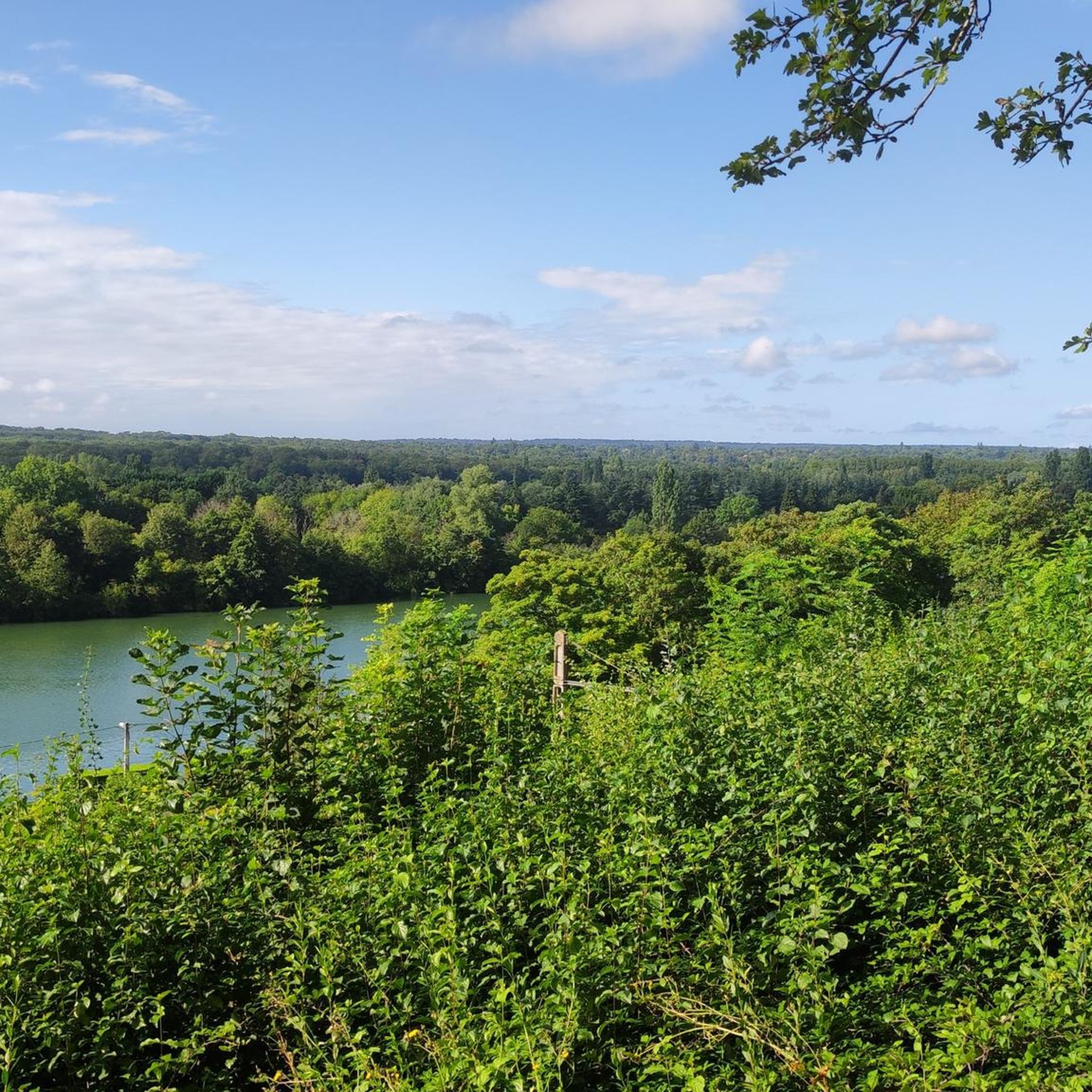
Hiking around Fontaine-Le-Port offers access to diverse landscapes, primarily defined by its location on the Seine River and at the edge of the Fontainebleau Forest. The region features varied terrain, including sandstone massifs, rocky formations, and extensive woodlands. Hikers can explore a mix of deciduous trees, pine groves, and sandy areas, alongside verdant riverside paths. Elevated points provide panoramic views over the Seine valley and the forest.
Best hiking trails around Fontaine-Le-Port
- The most popular hiking route is Lavoir de…
Last updated: October 19, 2026
4.8
(4)
16
hikers
6.56km
01:45
80m
80m
Easy hike. Great for any fitness level. Easily-accessible paths. Suitable for all skill levels.
3.0
(2)
12
hikers
22.1km
05:47
170m
170m
Hard hike. Very good fitness required. Easily-accessible paths. Suitable for all skill levels.

4.3
(3)
5
hikers
Moderate hike. Good fitness required. Easily-accessible paths. Suitable for all skill levels.
14
hikers
Moderate hike. Good fitness required. Easily-accessible paths. Suitable for all skill levels.
8
hikers
Easy hike. Great for any fitness level. Easily-accessible paths. Suitable for all skill levels.
Get access to more routes and recommendations from other explorers.
Already have an account?
Our route recommendations are based on thousands of hikes, rides, and runs completed by other people on komoot.
Start today with a free account
Your next adventure awaits.
Tips from the Community

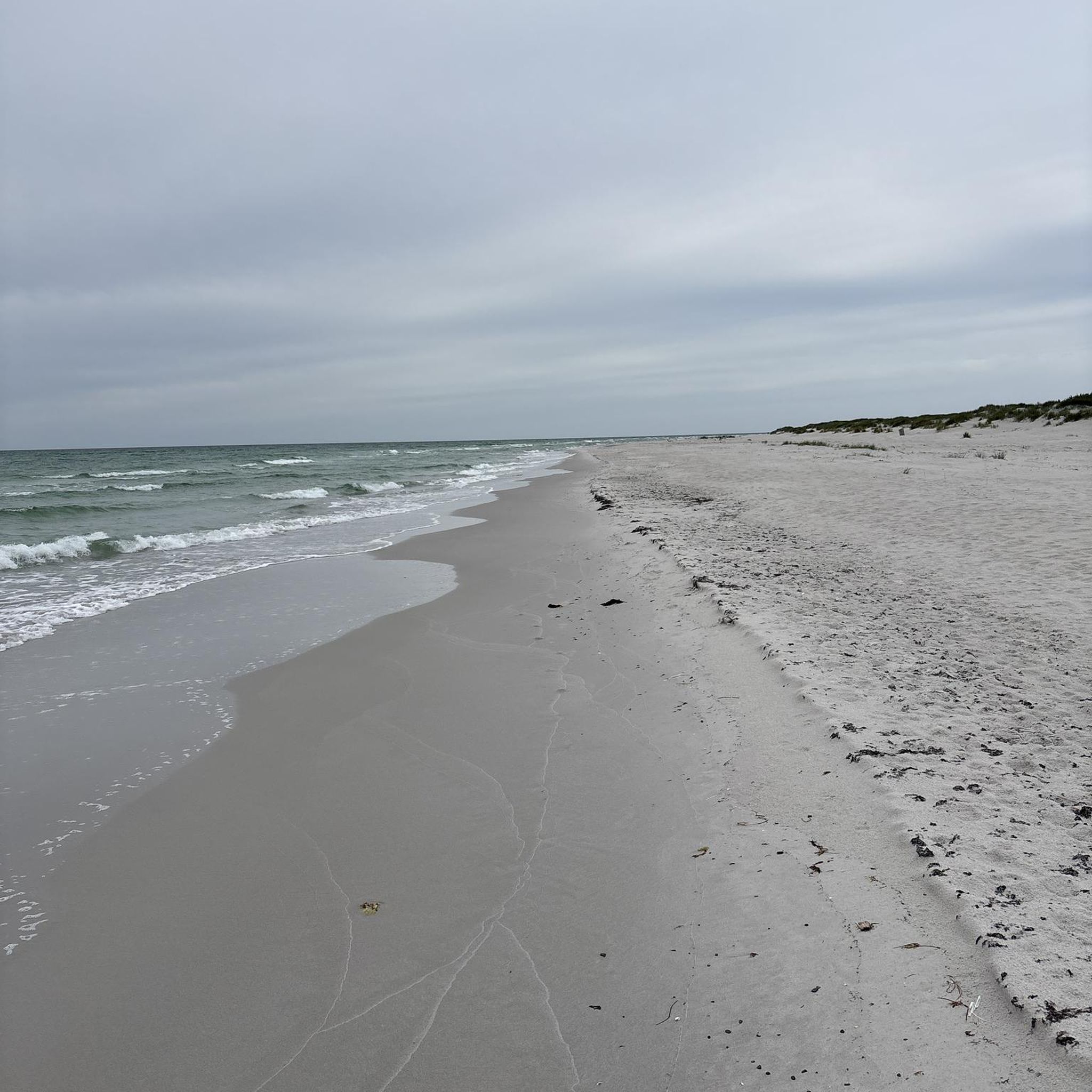
A beautiful place
0
0
Nice little square right on the Seine
0
0

Super gravel trail among the trees and along the Seine, very beautiful in the sun
0
0

Footbridge which provides access to the Cradle Island from lower Bréau.
0
0
This villa became a historic monument in 2002.
0
0

Samois was not on Thibaut de Champagne's itinerary. It seemed useful to me to leave this village to have a view of the hillside opposite Héricy-Vulaines-Samorau. We regret that the old Roman bridge between Samois-sur-Seine and Héricy no longer exists, Louis XVIII decides to rebuild one, between these two communes. Built from wood provided by the surrounding forests, its location further upstream of the village, near Samoreau, is more favorable thanks to a narrowing of the Seine. In 1811 work began, but it was only in 1825 that the first Valvins bridge was inaugurated. To be more solid and adapted to modern life, in 1866 the bridge was rebuilt as a metal structure. After the Second World War, the bridge, completely destroyed by the German army, was entirely rebuilt in reinforced concrete, wider and asphalted, to facilitate the ever-increasing traffic] (Wikipedia has shortened the history of this bridge: The army American having crossed the Seine on a boat bridge, a temporary bridge in metal structure with wooden floor then bitumen was rebuilt to replace the one destroyed by the Germans. The current concrete bridge dates from 1977). The plateau of La Brosse and Fontaineroux, which is part of the commune, has been inhabited since the Neolithic period but the village of Héricy has its origins in the warehouses built by the Senon nautes, opposite the port of Samois-sur-Seine, the most important between Sens and Lutetia. Under Louis between Melun and Montereau-Fault-Yonne. It has been said to be Roman, but in 1177 it was already there, flanked by its mills. It was probably in the 14th century that it was equipped with towers and that the city was surrounded by walls and moats. With its large fortified gates to the south and north, Héricy then had the title of town. She suffered greatly from the Hundred Years' War. There were battles there several times and it was occupied from 1419 to 1430. The first written mention of the name is villa Velcina. This refers to “villa”, a large farm with farm buildings. The villa is a Roman creation whose name was given to later foundations (from the 6th to the 12th century). In relation to the other surrounding villages or hamlets, Samoreau, Héricy and La Brosse in the 12th century and even Fontaineroux in 1279. All this means that a large Gallo-Roman or Merovingian property may have existed on the site of the village. Samoreau was already occupied during the Neolithic period: numerous cut flints (chisels, scrapers, drills, saws, etc.) testify that peoples were “attracted there by the river where they found both the water necessary for their needs and fish in these waters, game on these banks, finally the very raw material of their weapons and their tools, the precious flint. » In 1177 the abbey of Saint-Germain-des-Prés acquired part of the village territory. In 1520 François I bought the hillsides where he built the Château des Pressoirs du Roy. From 1592 to 1597, Henri IV stayed at the Pressoirs du Roy in the company of the beautiful Gabrielle d’Estrées. In 1679 the royal water coach was created between Paris and Valvins (the village closest to Samoreau, on the banks of the Seine).
0
0

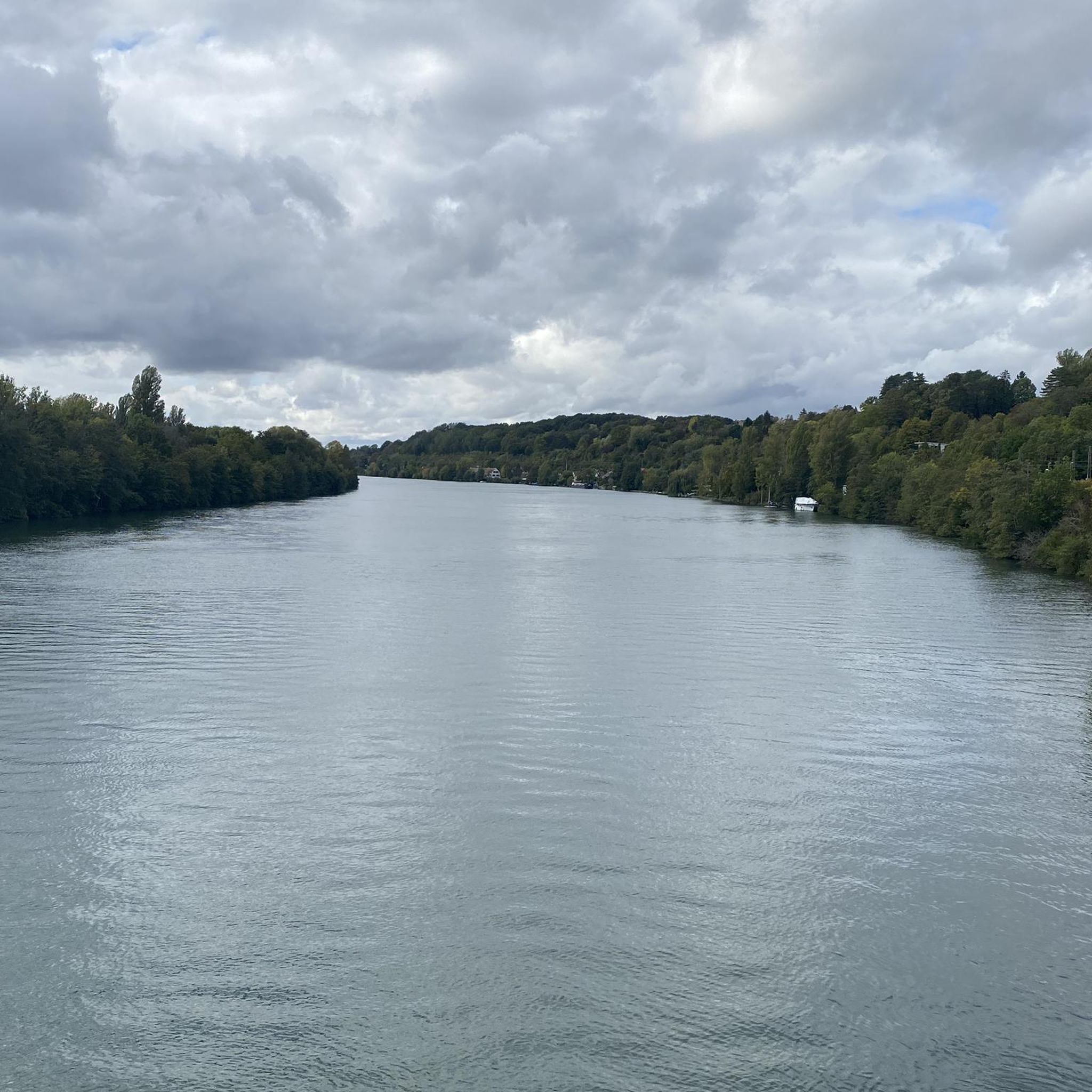
This forest path along the Seine is very pleasant. There are shaded segments and more open parts that offer great views of the river.
0
0

Ideal for the picnic under shelter.
0
0
Frequently Asked Questions
What kind of terrain can I expect on hikes around Fontaine-Le-Port?
Hikes around Fontaine-Le-Port offer a diverse landscape. You'll find trails along the verdant banks of the Seine River, through extensive woodlands with a mix of deciduous trees like oaks and hornbeams, and pine groves. The region is also known for its unique sandstone massifs and rocky formations, especially within the nearby Fontainebleau Forest, which add a rugged element to some routes.
Are there any easy or family-friendly hiking options in Fontaine-Le-Port?
Yes, Fontaine-Le-Port offers several easy and family-friendly options. For instance, the Gare de Fontaine-le-Port loop from Fontaine-le-Port is an easy 2.9-mile (4.7 km) trail, typically completed in just over an hour. Many riverside paths are also suitable for leisurely strolls, offering pleasant views without significant elevation changes.
Can I find circular hiking routes in the area?
Absolutely. Many of the trails around Fontaine-Le-Port are designed as loops, allowing you to start and end at the same point. A popular moderate option is the Lavoir de Samois – Bas-Samois Footbridge loop from Fontaine-le-Port, which covers 7.2 miles (11.5 km) along the Seine.
What natural features or viewpoints can I discover on these hikes?
The region is rich in natural beauty. You can enjoy the tranquil riverside scenery along the Seine, observing wildlife like ducks and swans. Within the Fontainebleau Forest, you'll encounter distinctive sandstone blocks and diverse woodlands. Some routes, like the 'Balcons et rochers de Fontainebleau', lead to elevated points offering expansive panoramic views over the Seine valley and the forest, such as from the iconic Tour Denecourt.
Are there any historical or cultural landmarks to see while hiking?
Yes, the area combines natural beauty with historical interest. Along the Seine between Seine-Port and Saint-Mammès, you can spot 'Les Affolantes,' a collection of charming Belle Époque villas. Additionally, you might encounter various man-made monuments like the Calvary Cross. For grander historical sites, the renowned Fontainebleau Castle is also nearby.
What is the best time of year to go hiking in Fontaine-Le-Port?
Fontaine-Le-Port offers enjoyable hiking experiences throughout much of the year. Spring and autumn provide pleasant temperatures and beautiful foliage, making them ideal. Summer is also popular, especially for riverside walks, though forest trails offer welcome shade. Even in winter, the landscapes can be serene, particularly in the woodlands, though some paths might be muddy.
How long do hikes typically take around Fontaine-Le-Port?
Hike durations vary depending on the route and your pace. You can find shorter walks, like the Gare de Fontaine-le-Port loop from Fontaine-le-Port, which takes about 1 hour 11 minutes. Longer, moderate trails, such as the Forest Trail Along the Seine – Lavoir de Samois loop from Fontaine-le-Port, can take around 3 hours.
Are dogs allowed on the hiking trails in Fontaine-Le-Port?
Generally, dogs are welcome on many trails around Fontaine-Le-Port, especially within the vast Fontainebleau Forest. However, it's always recommended to keep them on a leash, particularly in nature reserves or areas with wildlife, and to check specific regulations for any protected zones you plan to visit.
What do other hikers enjoy most about the trails in Fontaine-Le-Port?
The hiking trails in Fontaine-Le-Port are highly regarded by the komoot community, with an average rating of 4.5 stars. Hikers frequently praise the diverse scenery, from the peaceful riverside paths to the unique forest landscapes with their sandstone formations. The well-maintained and varied network of trails, suitable for different skill levels, is also a common highlight.
How many hiking trails are available in the Fontaine-Le-Port area?
There are over 500 hiking trails available in the broader Fontaine-Le-Port area, with 511 routes specifically recorded on komoot. This includes a wide range of options, from easy strolls to more challenging forest explorations, ensuring there's something for every hiker.
Are there any specific natural monuments or unique rock formations to explore?
Yes, the region is famous for its unique geological features. Within the Fontainebleau Forest, you can explore areas with distinctive sandstone massifs and rocky outcrops. Notable natural monuments include the Famous Rocks of the Gâtinais Français and the Rocher Saint-Germain, offering interesting geological sights.
What are the difficulty levels of hikes around Fontaine-Le-Port?
The hikes around Fontaine-Le-Port cater to various fitness levels. You'll find a good mix of easy, moderate, and some more difficult trails. Out of over 500 routes, 241 are classified as easy, 218 as moderate, and 52 as difficult, ensuring options for beginners to experienced hikers.
Most popular routes around Fontaine-Le-Port
Most popular attractions around Fontaine-Le-Port

Get inspired with the komoot mobile app


Explore more
Browse the best Hikes in other regions.
