Attractions and Places To See around Usclas-D'Hérault - Top 20
Best attractions and places to see around Usclas-D'Hérault, a commune in the Hérault department of Occitanie, France, offers access to diverse historical, cultural, and natural sites. The area is characterized by its Mediterranean landscape, featuring vineyards, garrigues, and proximity to the Hérault River. Its strategic location provides a base for exploring ancient towns, unique geological formations, and coastal lagoons. Visitors can discover a blend of historical landmarks and natural wonders within a short distance.
Best attractions and places to see…
Last updated: June 23, 2026
The Fairy Stretcher
Highlight • Other
Human imagination has given rise to a legend: fairies used to …
Translated by Google •
Tip by

Ruins of the Saint-Antoine Hermitage
Highlight • Historical Site
Translated by Google •
Tip by

Sign up now to discover places like this
Get recommendations on the best single tracks, peaks, & plenty of other exciting outdoor places.
Sign up for free
Pézenas Historic Centre
Highlight • Historical Site
A lot has been reset, some still have to be done.
Translated by Google •
Tip by

Hôtel du Baron de Lacoste
Highlight • Other
Translated by Google •
Tip by
Magnificent chapel
Highlight • Other
Translated by Google •
Tip by

Sign up for free to discover even more attractions around Usclas-D'Hérault.
Sign up for free
Already have an account?
Start today with a free account
Your next adventure awaits.
Login or Signup


Tips from the Community

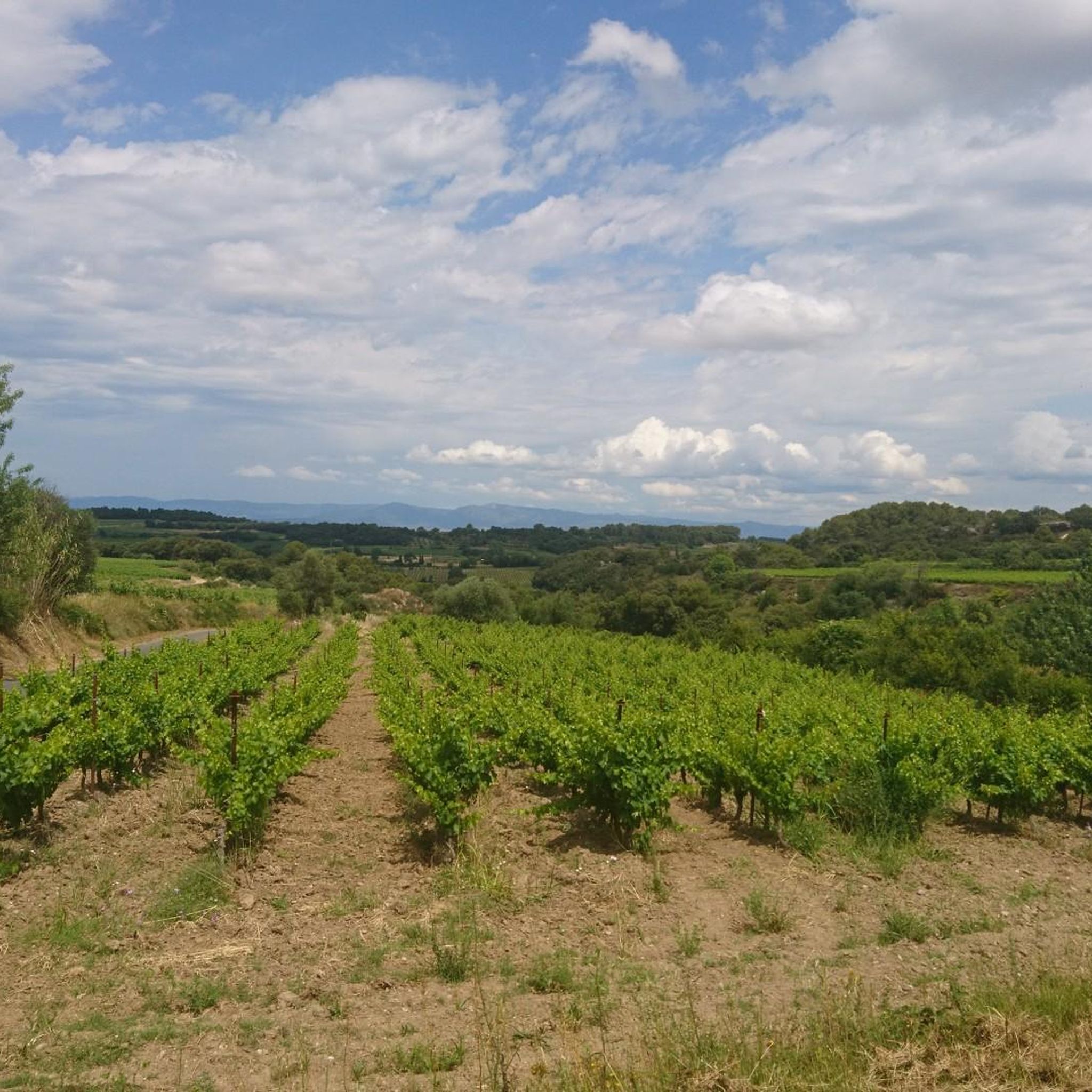
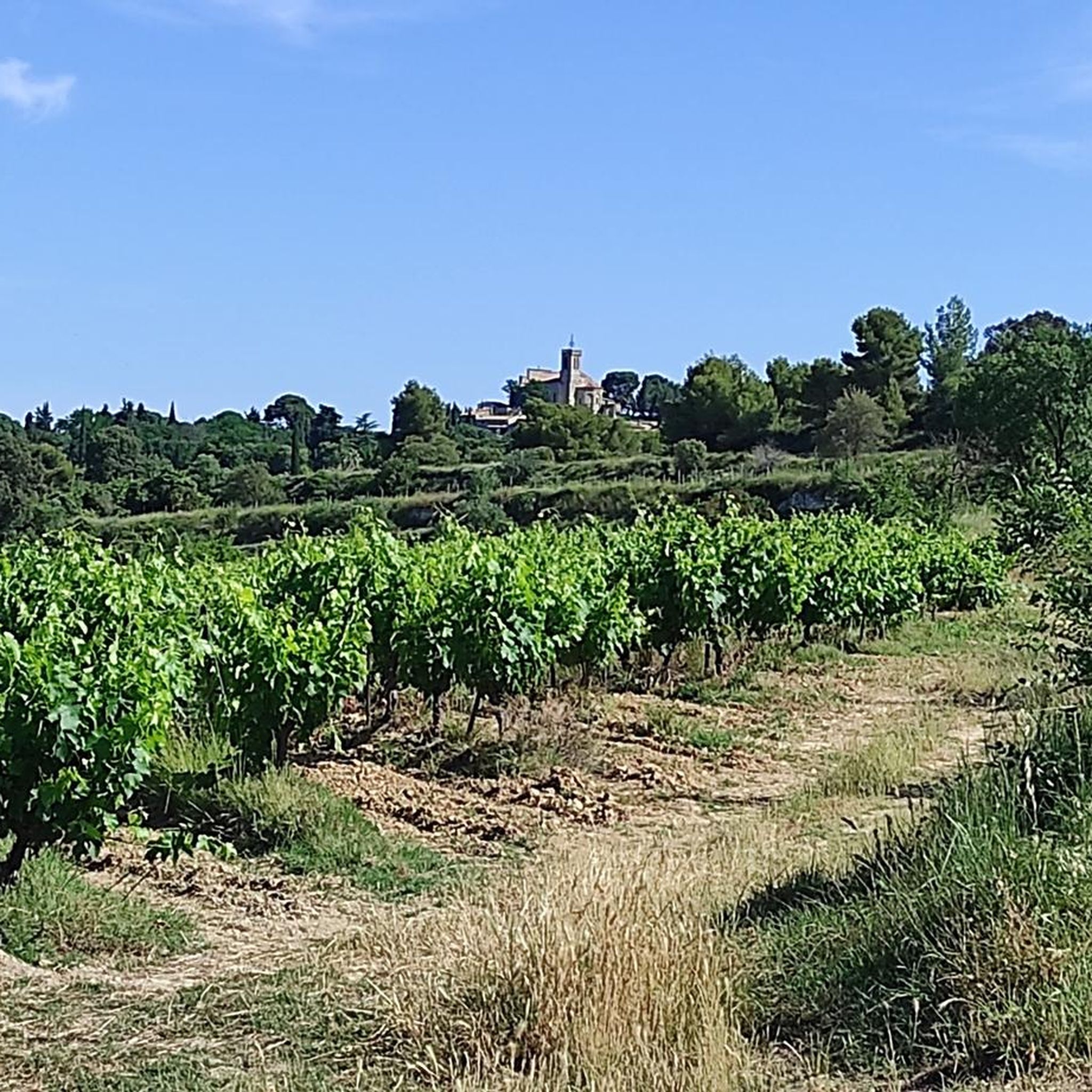
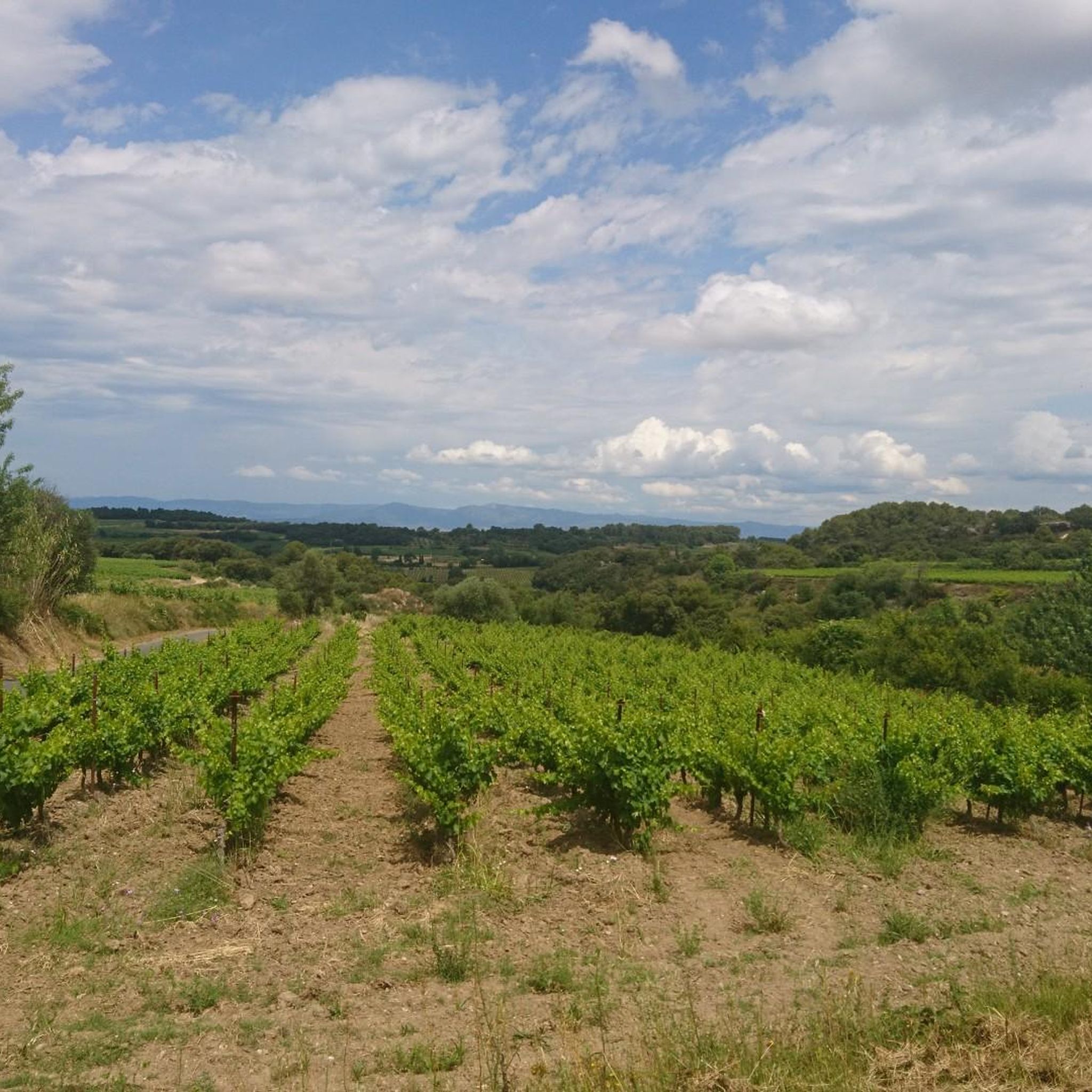
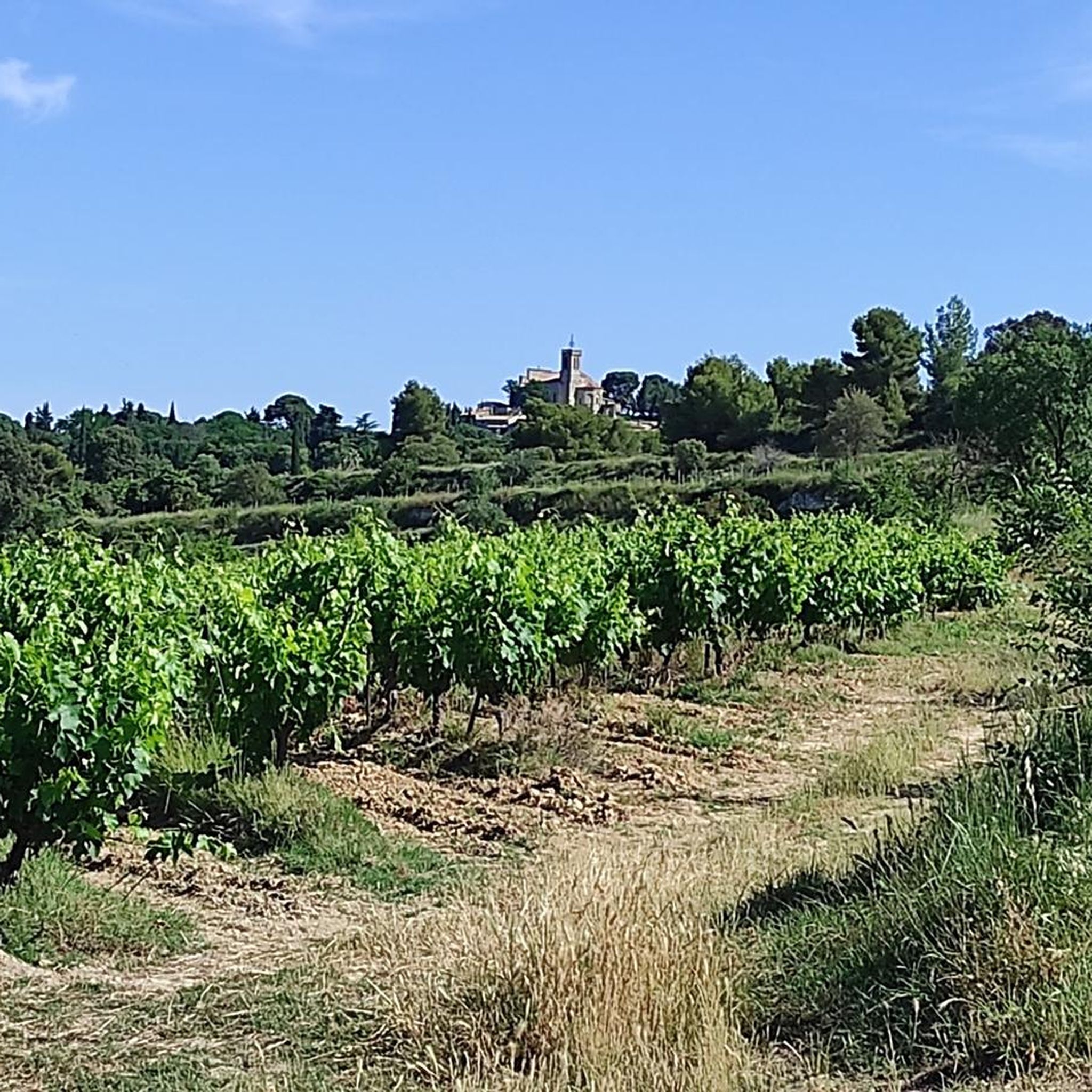
Perched on a promontory overlooking the Hérault valley, the Saint-Antoine hermitage seems out of time. Mentioned as early as the 17th century, this secluded place once welcomed hermits seeking isolation and spiritual life in the heart of the garrigue. Today in ruins, the chapel and its remains still tell of this austere life focused on contemplation and the surrounding landscapes.
0
0
A remarkable geological site, worthy of the fairy legend! It is actually a sandstone (clastic rock) with a carbonate cement and not a limestone. Differential erosion has shaped this landscape into natural basins.
1
0

A few hundred meters from the village of Castelnau-de-Guers, in the middle of a pine wood, the Saint-Nicolas-de-Talpusiac chapel was built on a hill at the foot of which passes the fishermen's path (cami peissonier) connecting the Étang de Thau to Pézenas. The chapel is mentioned in 1106 under the name "Ecclesiam S. Nicholay de Talpussiac". The name Talpussiac, translated as "Talpussiac's domain", suggests an ancient origin for the site. Archaeological surveys near the chapel led to the discovery in 1992 of the site of a rural settlement from late Antiquity. The current chapel, oblong in plan, and its south and west facades are pierced by a door. It was consecrated in 1819, but is now disused.
0
0
The Saint-Antoine hermitage, located in the commune of Castelnau-de-Guers, was built on a promontory overlooking the Hérault river floodplain. The riverbed is 500 m to the west. Access to the site is facilitated by the presence of two paths that meet at its summit.
0
0
The dinosaur egg-laying sites, the red lands, the white rocks, and the Étendoir des fées are among the most remarkable geological sites in the municipality. The Étendoir des fées is worth the detour as it is an original formation of limestone rocks, deposited at the beginning of the Tertiary era, during the folding of the Pyrenean-Provençal chain, on a continental plain episodically crossed by rivers.
0
0

Nice little town that really has its charm, I passed through quickly but it would be worth lingering!
1
0

A small, isolated chapel, it is ideally located for a short break in the shade of the pine trees.
0
0
A beautiful geological curiosity, this is the place where there are the most, but we can see others in the surroundings a little more hidden (or not).
0
0
Frequently Asked Questions
What historical sites can I explore near Usclas-D'Hérault?
The region is rich in history. You can visit the Pézenas Historic Centre, known for its preserved architecture and vibrant markets. Another significant site is the Ruins of the Saint-Antoine Hermitage, which also offers scenic views. Further afield, explore the UNESCO World Heritage site of Saint-Guilhem-le-Désert with its 9th-century Benedictine Abbey and the Pont du Diable, or the medieval fortified city of Carcassonne.
Are there any unique natural landscapes to discover?
Absolutely. The area boasts several unique natural features. Don't miss The Fairy Stretcher, a limestone formation offering a magnificent 180° panorama. The Lac du Salagou is famous for its striking red-rock landscape and blue waters, ideal for various activities. The Cirque de Mourèze presents a 'lunar landscape' with unique natural labyrinths, perfect for hiking.
What outdoor activities are available around Usclas-D'Hérault?
The region offers diverse outdoor activities. You can find numerous trails for hiking and cycling, including paths around Lac du Salagou and Cirque de Mourèze. For specific routes, explore the hiking routes around Usclas-D'Hérault, or discover road cycling routes and running trails in the area.
Are there family-friendly attractions or activities?
Yes, families can enjoy several attractions. The Parc Départemental de Bessilles / La Forêt d'Acrobates offers tree-top adventure courses suitable for various ages and difficulty levels. The Dinosaur Museum is another interesting natural history attraction for children. Many natural sites like Lac du Salagou and the Mediterranean beaches also provide great family outings.
Where can I find scenic viewpoints in the area?
For breathtaking views, visit The Fairy Stretcher, which offers a magnificent 180° panorama. The Ruins of the Saint-Antoine Hermitage also provide excellent views of the surrounding landscape. Additionally, the medieval village of Saint-Pons-de-Mauchiens is perched on a rocky outcrop, offering spectacular views of vineyards and mountains.
What are some charming villages or towns to visit nearby?
Beyond Usclas-D'Hérault, you can explore several picturesque towns. Pézenas Historic Centre is renowned for its character and markets. Saint-Guilhem-le-Désert is recognized as one of France's 'Most Beautiful Villages'. Villeneuvette, a former royal textile factory, is also a small, pretty village worth seeing. Don't forget the medieval charm of Saint-Pons-de-Mauchiens.
Can I find opportunities for swimming or water activities?
Yes, the region offers several options for water activities. Lac du Salagou is a popular leisure lake where you can enjoy various water sports. The Mediterranean beaches like Vias Plage, Agde, and Marseillan Plage are approximately 30 km away, perfect for sea bathing and other coastal activities.
What is the best time of year for outdoor activities in this region?
The Hérault department generally enjoys a Mediterranean climate, making outdoor activities pleasant for much of the year. Hiking in sites like Cirque de Mourèze is enjoyable even in winter. For water activities and beach visits, the summer months are ideal. Spring and autumn offer mild temperatures, perfect for exploring historical sites and longer hikes or bike rides.
Are there any markets where I can find local produce or crafts?
Yes, you can experience the local culture and find regional products at nearby markets. Pézenas hosts vibrant markets, and you can also find markets in towns such as Paulhan (Thursdays) and Gignac (Saturdays).
What are some notable architectural highlights in the area?
The region showcases diverse architecture. In Pézenas, you can admire its protected historical center and buildings like the Hôtel du Baron de Lacoste, known for its beautiful medieval design with pointed arches and open staircases. Saint-Guilhem-le-Désert features exceptional Romanesque architecture, particularly its Benedictine Abbey.
Are there any dog-friendly trails or attractions?
Many natural trails in the region are suitable for dogs, especially those around the Ruins of the Saint-Antoine Hermitage. When exploring, always ensure your dog is on a leash and check local regulations for specific sites or nature reserves.
What are some of the more challenging outdoor routes available?
For those seeking more challenging routes, the region offers options like the 'Montagnac – Wildflowers Along Nature Trail' which is a difficult 26.7 km hike. Road cyclists can also find challenging routes such as the 'Col du Vent (703 m) – Public Water Fountain loop from Paulhan', covering over 63 km with significant elevation changes.
Most popular routes around Usclas-D'Hérault

Get inspired with the komoot mobile app


Explore more
Still not found the Highlight you’re looking for? See guides of the top attractions in other regions:
