Top 5 Castles around Lacroix-Saint-Ouen
Best castles around Lacroix-Saint-Ouen offer a journey through French history and architecture. While Lacroix-Saint-Ouen itself does not feature prominent castles, the surrounding region is home to several notable historical sites. These include former royal residences, medieval structures, and 19th-century châteaux. Visitors can explore a variety of architectural styles and historical periods within a short distance.
Best castles around Lacroix-Saint-Ouen
- The most popular castles is Château de Compiègne, a castle that includes three different museums and a large park with…
Last updated: June 29, 2026
Château de Compiègne
Highlight • Castle
Translated by Google •
Tip by

Douye Castle
Highlight • Historical Site
Translated by Google •
Tip by

Sign up now to discover places like this
Get recommendations on the best single tracks, peaks, & plenty of other exciting outdoor places.
Sign up for free
Compiègne Palace - Les Beaux Monts
Highlight (Segment) • Castle
Translated by Google •
Tip by

Château des Bonshommes
Highlight • Castle
Tip by

Château de Raray
Highlight • Castle
Translated by Google •
Tip by

Start today with a free account
Your next adventure awaits.
Login or Signup
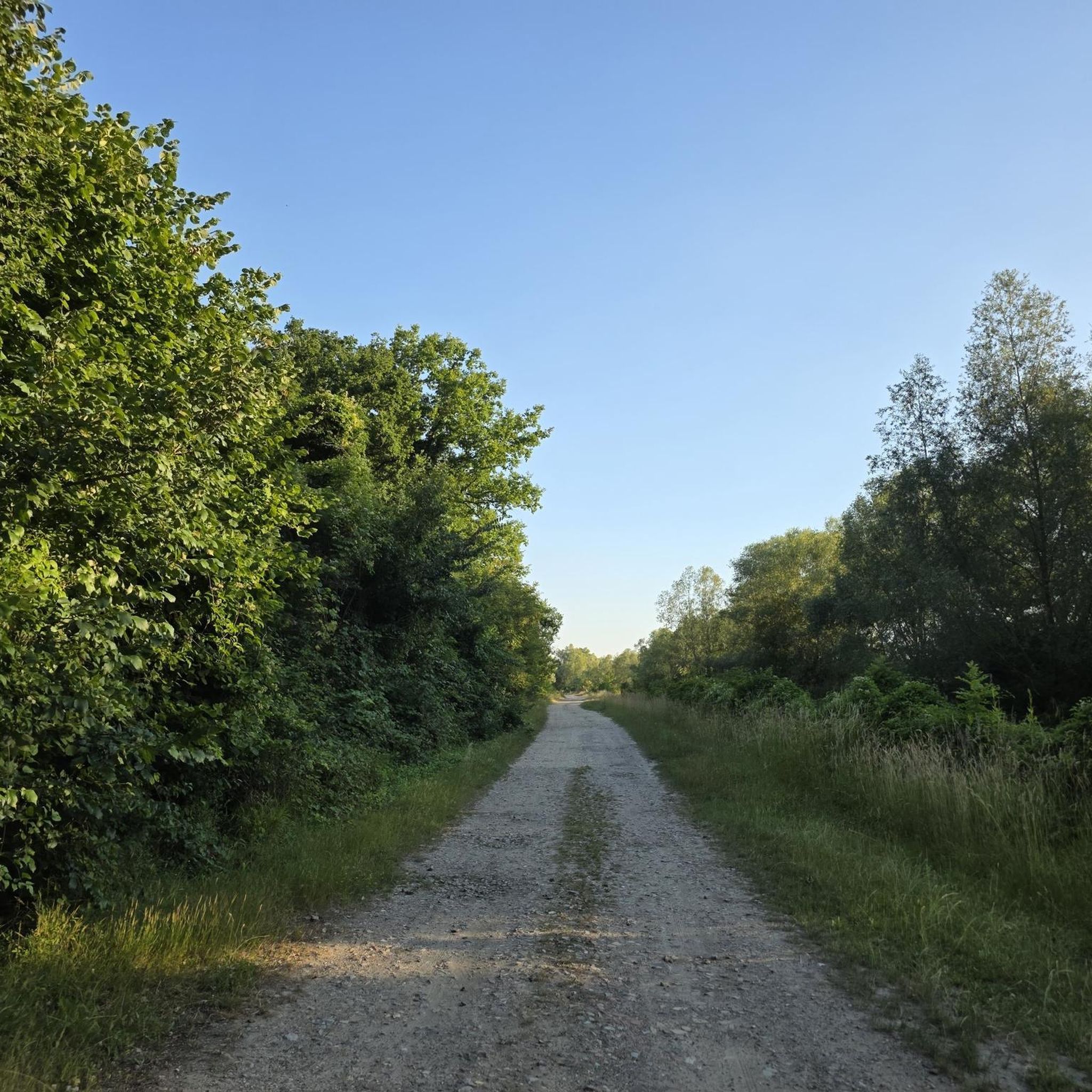
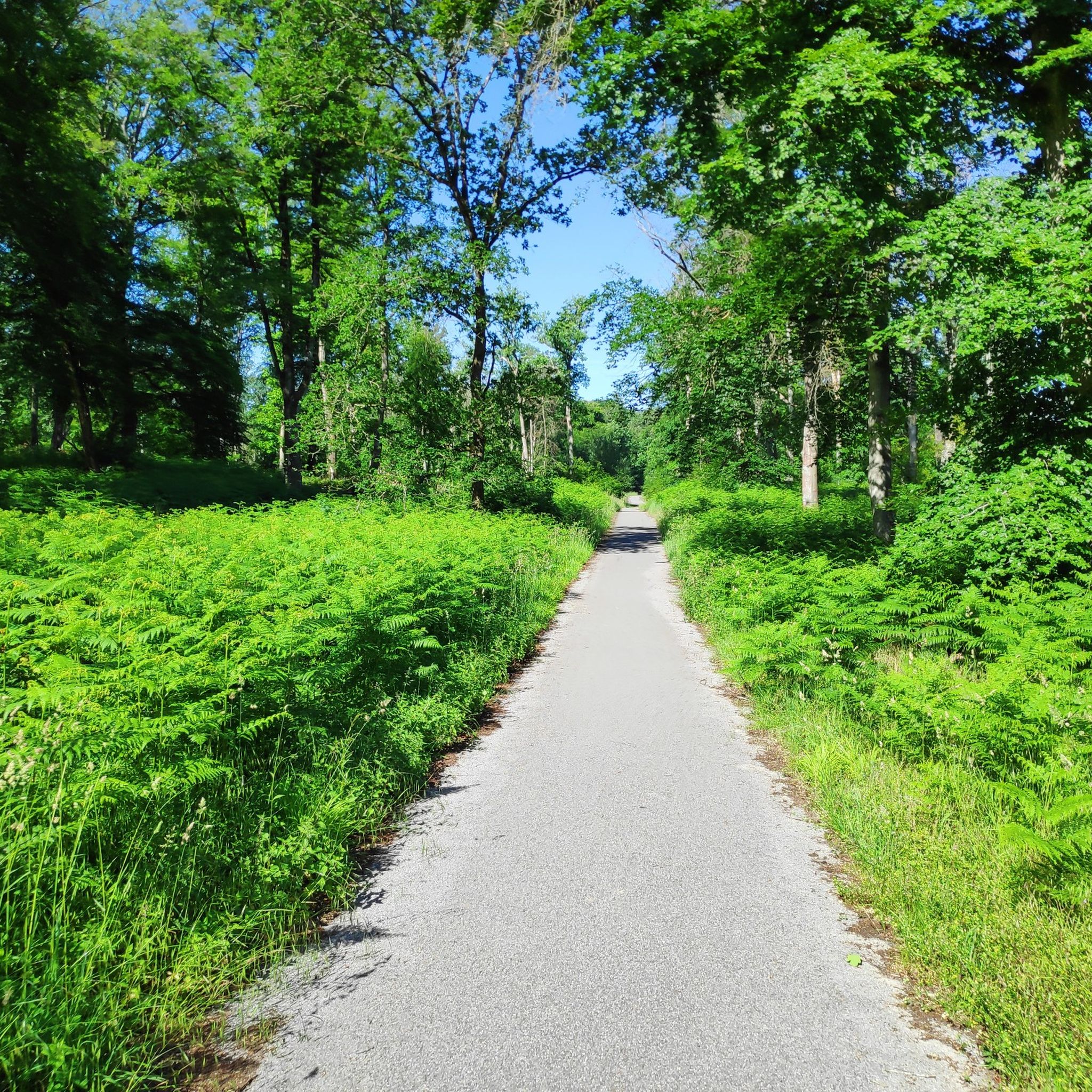
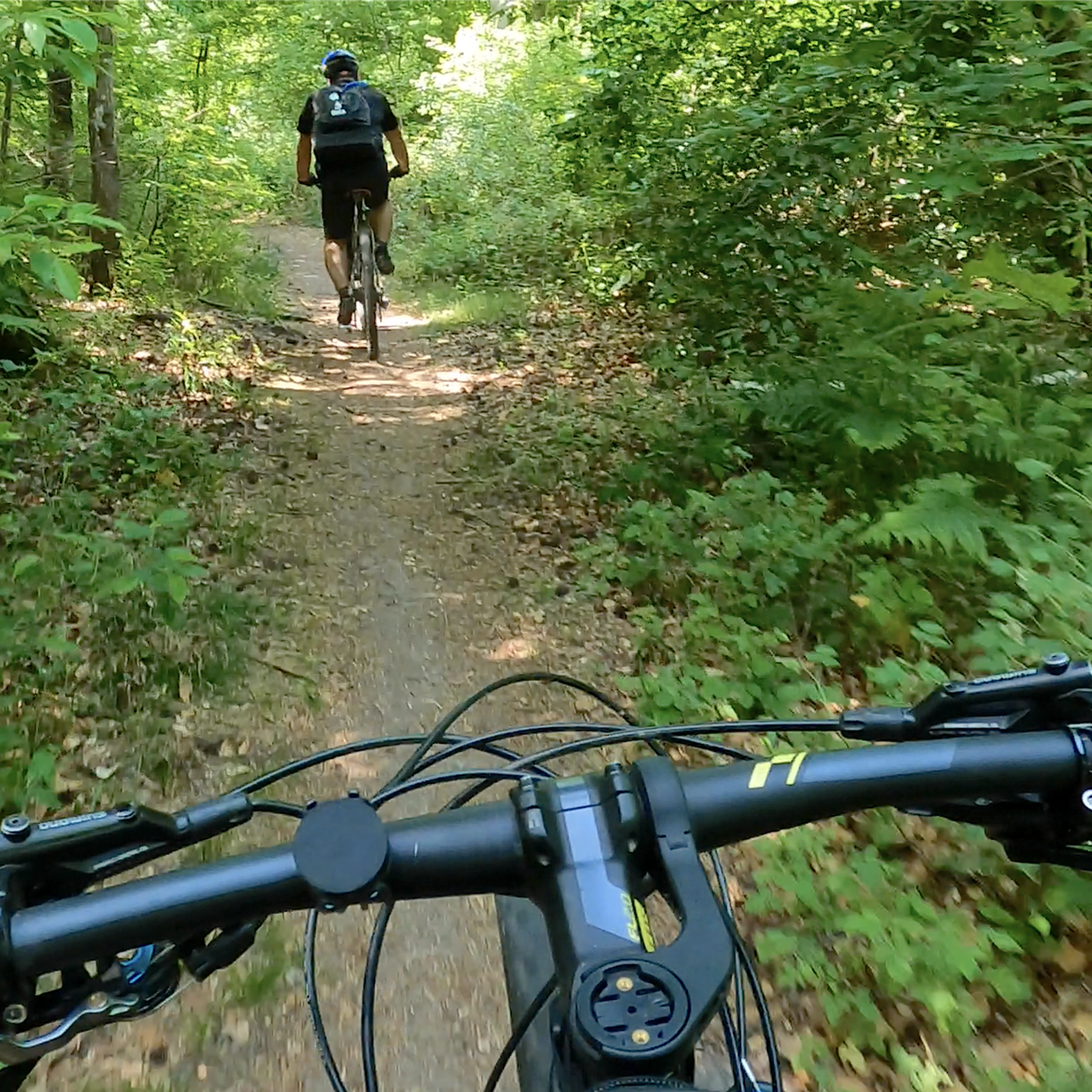
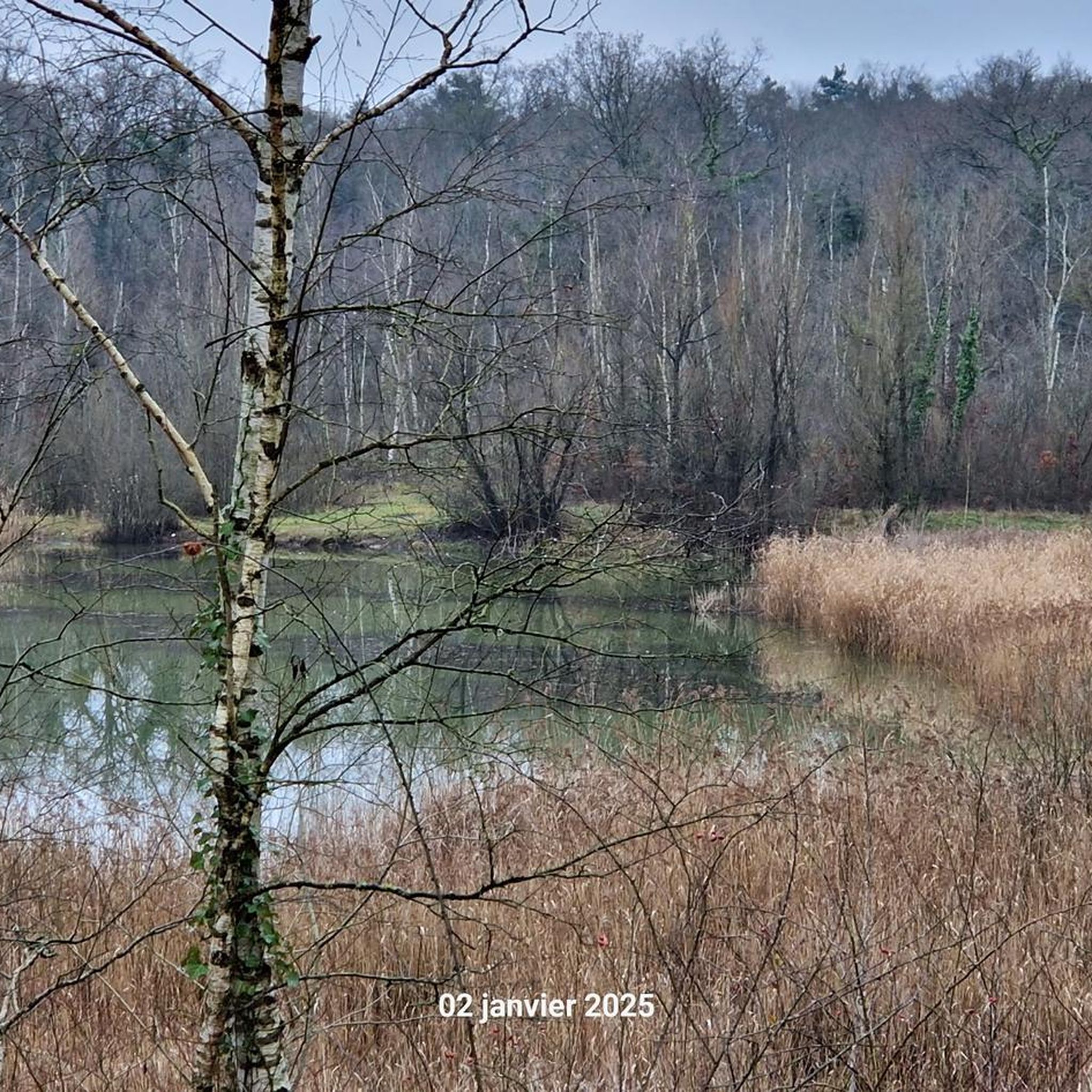


Tips from the Community

The Château du Francport is an historic château in Choisy-au-Bac, Oise, Hauts-de-France. It was built in the 19th century. A photograph taken by Count Olympe Aguado is in the collection of the J. Paul Getty Museum in Los Angeles, California. According to photographer Edward O. Haars for the War Department, this building is where German emissaries were housed during the Armistice negotiations in November 1918 at the Forest of Compiègne. See photos attached with NARA source on the images. Acquired by the Anglo-French Hotel Management Limited to turn it into a luxury hotel, the project fell through in 2009. However, by 2014 it was owned by Terres de Kéops and run as a restaurant known as the Château des Bonshommes.
5
0

Perfect for a picnic in the castle grounds!
0
0


In good weather, the garden is peaceful for relaxing or strolling. The cherry on the cake is inside the castle: beautiful reconstructions and conservations
0
0

The oldest building within the grounds of the Château de la Douye is what appears to be part of the “Grand Hôtel” built by King John II the Good in 1344 and partially destroyed during the 100 Years' War. John II liked Bethisy which he called his “desert”. He made numerous stays there. The Château de la Douye is more recent. It is described as a composite manor, made up of two buildings at right angles: one very simple, is from the 17th century; the other contains the chapel whose window with flamboyant tracery retains stained glass. At the intersection a 15th century staircase turret. The history of the castle is little known. The first owners seem to have been the Anthonis, lords of Douye. Around 1475, Gilles Anthonis, Lord of Douye, Baron and Vémars, was Notary and Secretary to King Louis XI and hereditary Gruyer of Béthisy, in the forest of Cuise. Subsequently, for example, it was the turn of Berthelemy (1570), Le Doux (1655) and Beaurain (1762). More recently, La Douye welcomed the Missionary Sisters of the Holy Spirit. Numerous works have now completely transformed the interiors. The stained glass window is also more modern. Around 1820 the arms of Charles VI and VII were visible on the turret and in the chapel. Charles VI, the beloved or the madman, king of France from 1380 to 1422. Charles VII, the victorious, king of France from 1422 to 1461.
0
0

The Château de la Douye in Béthisy-Saint-Pierre is a composite manor, formed by two buildings at right angles: one very simple, from the 17th century; the other contains the chapel with flamboyant windows and stained glass. At the intersection there is a 15th century stair turret. The Château de la Douye is surrounded by a large park and faces the two turrets that remain from the medieval castle of King John II the Good, who built the "Grand Hôtel" in 1344 and partially destroyed it during the Hundred Years' War. You can also admire the old mill on the Automne river, which crosses the territory of the commune.
2
0

You have no idea of the importance of the castle until you have stood in front of it: a magnificent complex with a wonderful park. Compiegne had great royal times before the name was much later overshadowed by the armistice in 1918.
1
0

Listed as a historical monument since 1994, the Imperial Palace of Compiègne is a former royal and imperial residence. It was built by Louis XV and XVI, then refurbished by Napoleon I and III. The building features a beautiful French neo-classical style.
1
0
Frequently Asked Questions
What are some of the most historically significant castles near Lacroix-Saint-Ouen?
The region boasts several castles with rich histories. The Château de Compiègne is a former royal and imperial residence, built by Louis XV and XVI, and later refurbished by Napoleon I and III. Douye Castle features elements from the 15th and 17th centuries, with ties to King John II the Good. The Château des Bonshommes (also known as Château du Francport) is notable for housing German emissaries during the Armistice negotiations in 1918, marking a significant moment in modern history.
Are there family-friendly castles to visit in the area?
Yes, several castles are suitable for families. The Château de Compiègne offers three museums and a large park with free admission, providing plenty to explore. Douye Castle, with its historical architecture and surrounding park, can also be an engaging visit for families. Château de Raray combines history with modern amenities like a golf course and unique treehouse rentals, offering diverse activities.
What is the best time of year to visit the castles near Lacroix-Saint-Ouen?
Spring and summer are generally ideal for visiting, as the weather is pleasant for exploring castle grounds and parks. The large park at Château de Compiègne is particularly enjoyable during these seasons. Autumn also offers beautiful scenery with changing foliage. While some castles may have limited access or hours in winter, the historical interiors can still be appreciated.
Can I combine a castle visit with outdoor activities like cycling or walking?
Absolutely. The region around Lacroix-Saint-Ouen is excellent for combining cultural visits with outdoor activities. For example, the Château de Compiègne is adjacent to the vast Compiègne Forest, which offers numerous cycling and walking routes. You can find various cycling routes, including road cycling and gravel biking, that pass by or near these historical sites. Explore options like the 'Joan of Arc Tower (Compiègne) – Château de Compiègne loop' for road cycling or 'Compiègne Imperial Palace – Allée des Beaux-Monts loop' for gravel biking, available in the Road Cycling Routes around Lacroix-Saint-Ouen and Gravel biking around Lacroix-Saint-Ouen guides.
Are there any scenic viewpoints near the castles?
Yes, near the Château de Compiègne, you can find the Compiègne Palace - Les Beaux Monts. This site offers a breathtaking view of Compiègne and its forest after a climb of about 5 km. It's said that Napoleon I created this huge alley for Empress Marie-Louise to admire from her apartments.
How much time should I allocate for visiting the castles?
The time needed varies by castle. For a comprehensive visit to the Château de Compiègne, including its museums and park, you could easily spend half a day or even a full day. Smaller sites like Douye Castle or Château des Bonshommes might require 1-2 hours for exploration. If you plan to visit multiple castles, consider dedicating a full day or more to the region.
Are there dining options available at or near the castles?
Yes, dining options are available. The Château des Bonshommes (Château du Francport) currently operates as a restaurant. Château de Raray also offers dining facilities. Additionally, the towns surrounding these castles, such as Compiègne, will have various cafes and restaurants.
Are the castle grounds dog-friendly?
While specific rules vary, generally, the outdoor grounds and parks of castles like the Château de Compiègne are often accessible to dogs on a leash. However, dogs are typically not permitted inside the castle buildings or museums. It's always advisable to check the specific castle's visitor information beforehand.
Are there parking facilities available at the castles?
Most major castles, including the Château de Compiègne, provide parking facilities for visitors. For smaller or privately owned châteaux like Douye Castle or Château de Raray, parking is usually available on-site or nearby. It's recommended to check the specific castle's website for detailed parking information.
What unique experiences do the castles offer beyond historical tours?
Beyond traditional historical tours, some castles offer unique experiences. Château de Raray, for instance, features a golf course and even offers treehouse rentals for an overnight stay. The Château de Compiègne includes three distinct museums within its complex, providing a deeper dive into art, history, and imperial life.
Are any of the castles accessible for visitors with mobility challenges?
Accessibility varies significantly between historical sites. Larger, more frequently visited castles like the Château de Compiègne often have some accessible areas, particularly the ground floors and parks, but upper levels or older sections might be challenging due to stairs or uneven terrain. It's best to contact each castle directly for specific information regarding wheelchair access and facilities.
What kind of architecture can I expect to see among the castles?
The castles around Lacroix-Saint-Ouen showcase a range of architectural styles reflecting different historical periods. The Château de Compiègne is a prime example of French neo-classical style. Douye Castle presents a composite manor with 15th and 17th-century elements, including a chapel with flamboyant windows. Château de Raray has evolved over eight centuries, offering a journey through various architectural phases from the Middle Ages onwards. The Château des Bonshommes is a 19th-century historic château.
Most popular routes around Lacroix-Saint-Ouen
Most popular attractions around Lacroix-Saint-Ouen

Get inspired with the komoot mobile app


Explore more
Looking for the best castles somewhere else? Discover other guides around Lacroix-Saint-Ouen:
