Attractions and Places To See around Les Ulmes - Top 20
Best attractions and places to see around Les Ulmes include a variety of historical, cultural, and natural sites. This village, situated between Saumur and Doué-la-Fontaine, is characterized by its ancient heritage, encompassing dolmens, castles, and historical mills. The area features woodlands and vineyards, with the Douet River originating within its boundaries. Visitors can explore a diverse landscape rich in history and natural beauty.
Best attractions and places to see around Les Ulmes
- The most popular attractions is Château de Saumur…
Last updated: June 22, 2026
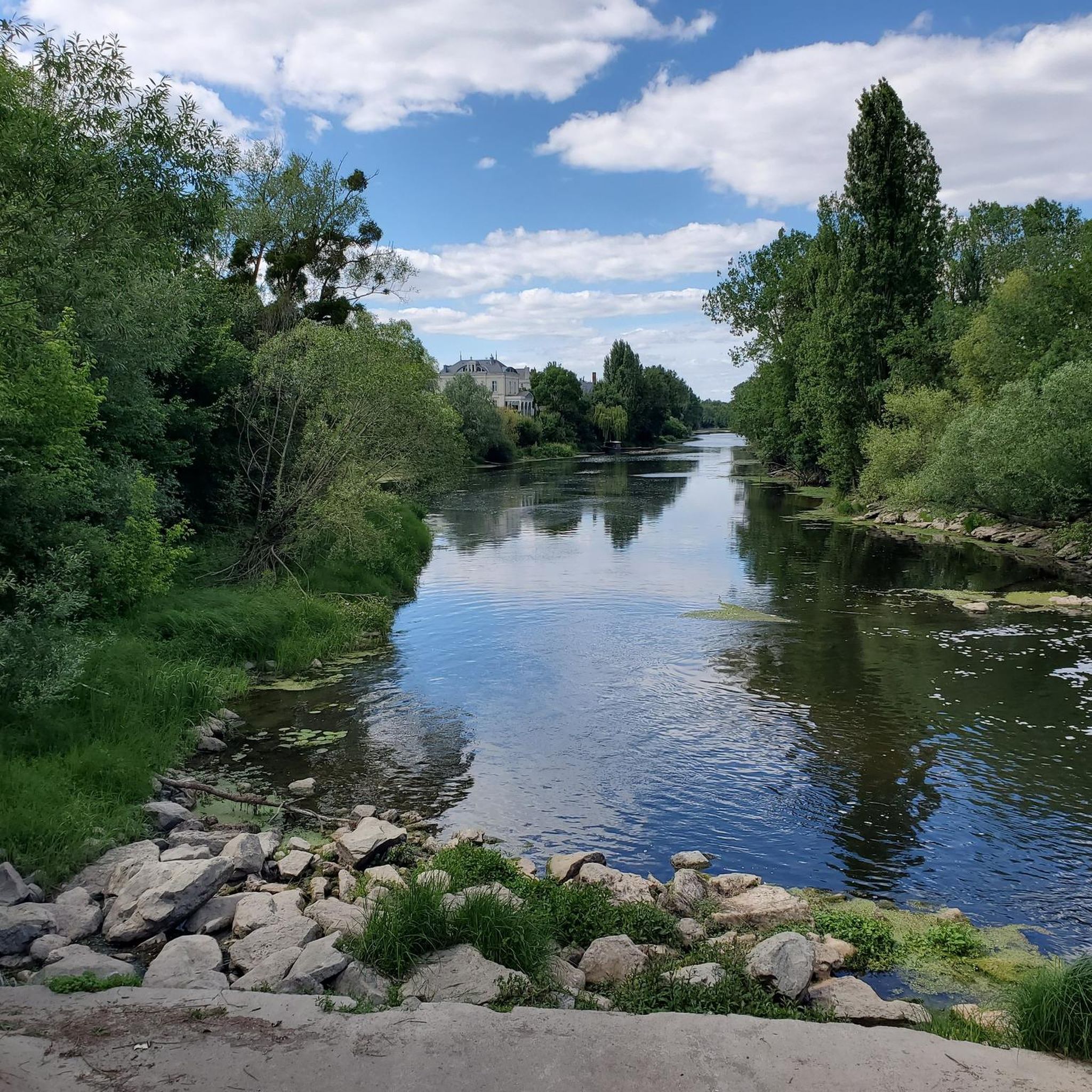
Loire Riverside Gravel Trail
Highlight (Segment) • Trail
Translated by Google •
Tip by

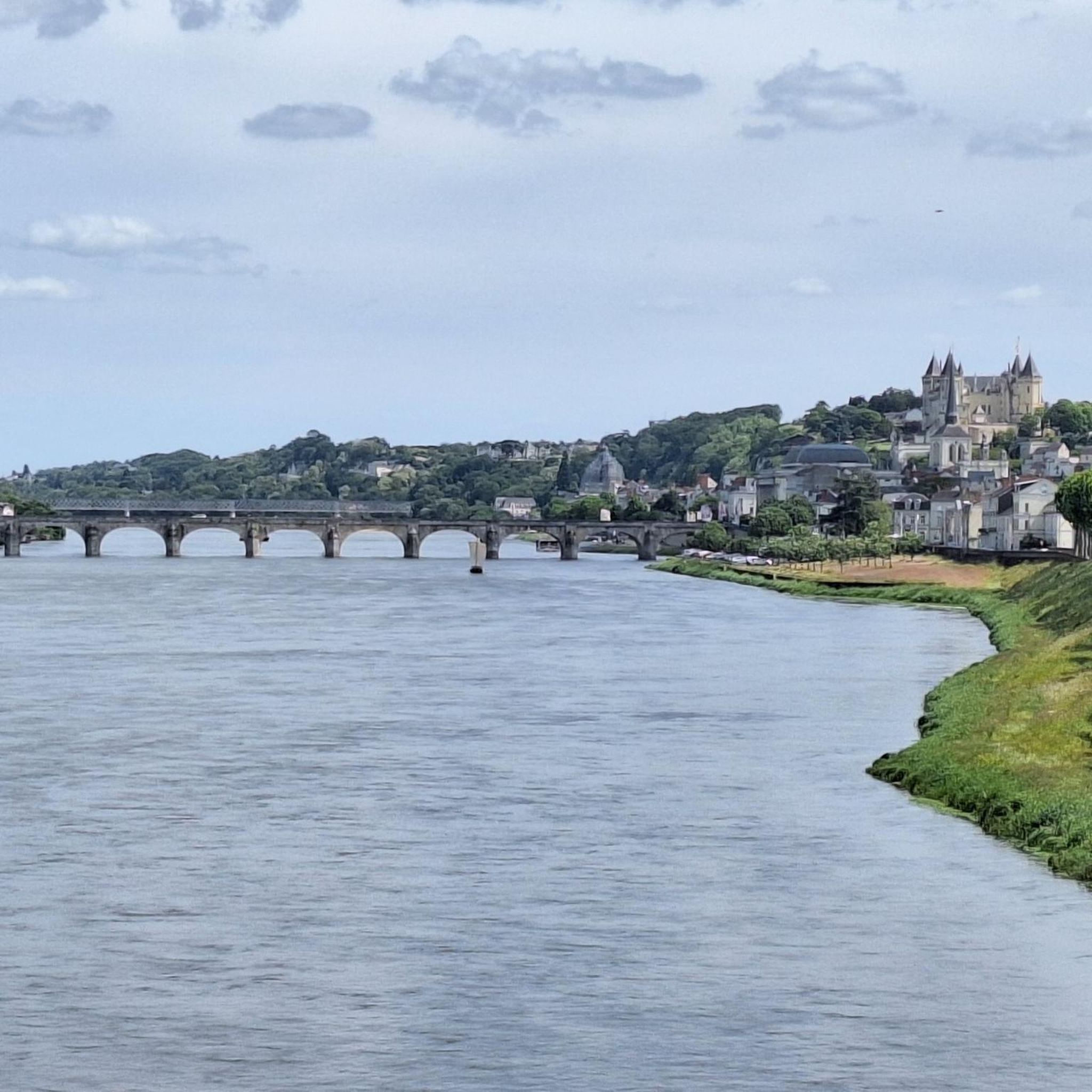
Château de Saumur
Highlight • Castle
Translated by Google •
Tip by

Sign up now to discover places like this
Get recommendations on the best single tracks, peaks, & plenty of other exciting outdoor places.
Sign up for free
Saumur
Highlight • Other
Translated by Google •
Tip by

Montreuil-Bellay Castle
Highlight • Castle
Translated by Google •
Tip by

Notre Dame des Ardillieres
Highlight • Religious Site
In 1454, while ploughing his field, a farmer discovered in the "ardille" (clay, a word that according to legend gave its name to Notre-Dame-des-Ardilliers) a stone statuette about thirty …
Translated by Google •
Tip by
Sign up for free to discover even more attractions around Les Ulmes.
Sign up for free
Already have an account?
Start today with a free account
Your next adventure awaits.
Login or Signup

Tips from the Community

A castle-palace of the Dukes of Anjou in the 19th and 19th centuries, the Château de Saumur, where King René resided, is the last example of the princely palaces built by the Valois dynasty. It served as the residence of the city's governors, a prison, and later an arms and ammunition depot. It was purchased by the city in 1906 to house the municipal museum, now the Musée de France. Today, we discover the rich collections scattered throughout the former apartments of the Dukes of Anjou in an educational museography. Want to know more? Click here: https://www.ot-saumur.fr/en/castles-and-country-houses/Saumurcastle-5261718/
3
0
History: In 1454, while ploughing his field, a farmer discovered in the "ardille" (clay, a word that according to legend gave its name to Notre-Dame-des-Ardilliers) a stone statuette about thirty centimetres high representing a Pietà. The farmer took it home. Twice he discovered that the Pietà returned to its place of discovery, near a fountain that was already known for its healing properties. From that moment on, devotions developed around this statuette, which was placed in a niche under a stone arch. Jean Olivier, Bishop of Angers, laid the foundations of the Notre-Dame-des-Ardilliers chapel. Bishop Gabriel Bouvery, Bishop of Angers, opened the new church on 30 July 1553. It was a place of pilgrimage. The fountain was said to perform miracles. In 1614, thanks to the support of Marie de Medici, the management of the sanctuary was entrusted to the Order of Oratorians. In 1619, they settled in Ardilliers and founded a royal college in 1624. Louis XIII granted it the status of royal chapel and, from 1628 to 1643, the Oratorians built the buildings to the east of the chapel that would house their community, the classrooms and the students' dormitories. From 1634, Richelieu had a chapel built on the north wall of the chapel for votive and funeral purposes. The chapel was closed during the Revolution. The Oratorian house became a barracks and the rotunda was converted into an ammunition store. In 1796, the Sisters of Sainte-Anne-de-la-Providence opened a hospice there for the expelled. In 1798, the hospice became the property of the city of Saumur. The chapel was put back into use in 1799, but was damaged by damp. From 1849, architect Charles Joly-Leterme began restoring the building. The Sisters of Sainte-Anne-de-la-Providence became the owners of the former Oratorian House in 1866. During the Battle of the Cadets, in June 1940, the bombing destroyed the roof structures of the chapel and the Oratorian House. The vault of the nave collapsed. The buildings were restored between 1947 and 1957. The oak frame of the dome was replaced by a concrete shell to reduce the pressure on the walls. The Oratorian House was converted into a school in 1953. In February 2025, a fire broke out. Source Wikipedia
4
0
History: In 1454, while ploughing his field, a farmer discovered in the "ardille" (clay, a word that according to legend gave its name to Notre-Dame-des-Ardilliers) a stone statuette about thirty centimetres high representing a Pietà. The farmer took it home. Twice he discovered that the Pietà returned to its place of discovery, near a fountain that was already known for its healing properties. From that moment on, devotions developed around this statuette, which was placed in a niche under a stone arch. Jean Olivier, Bishop of Angers, laid the foundations of the Notre-Dame-des-Ardilliers chapel. Bishop Gabriel Bouvery, Bishop of Angers, opened the new church on 30 July 1553. It was a place of pilgrimage. The fountain was said to perform miracles. In 1614, thanks to the support of Marie de Medici, the management of the sanctuary was entrusted to the Order of Oratorians. In 1619, they settled in Ardilliers and founded a royal college in 1624. Louis XIII granted it the status of royal chapel and, from 1628 to 1643, the Oratorians built the buildings to the east of the chapel that would house their community, the classrooms and the students' dormitories. From 1634, Richelieu had a chapel built on the north wall of the chapel for votive and funeral purposes. The chapel was closed during the Revolution. The Oratorian house became a barracks and the rotunda was converted into an ammunition store. In 1796, the Sisters of Sainte-Anne-de-la-Providence opened a hospice for the expelled. In 1798, the hospice became the property of the city of Saumur. The chapel was put back into use in 1799, but was damaged by damp. From 1849, architect Charles Joly-Leterme began restoring the building. The Sisters of Sainte-Anne-de-la-Providence became the owners of the former Oratorian House in 1866. During the Battle of the Cadets, in June 1940, the bombing destroyed the roof structures of the chapel and the Oratorian House. The vault of the nave collapsed. The buildings were restored between 1947 and 1957. The oak frame of the dome was replaced by a concrete shell to reduce the pressure on the walls. The Oratorian House was converted into a school in 1953. A fire broke out in February 2025. Source Wikipedia
4
0
Very nice gravel along the banks of the Loire. Know that you are not alone here. Enjoy together, each at their own pace.
3
0
City on the banks of the Loire with dazzling white walls and iridescent blue roofs, Saumur tells the chapters of its history to the powerful and majestic rhythm of the river. Royal city and princely castle, place of security and Protestant intellectual centre, equestrian capital with the evocative name of fine bubbles or still wines, it is all these events and all this know-how that the river serenely reflects at the foot of the limestone hill.
3
0


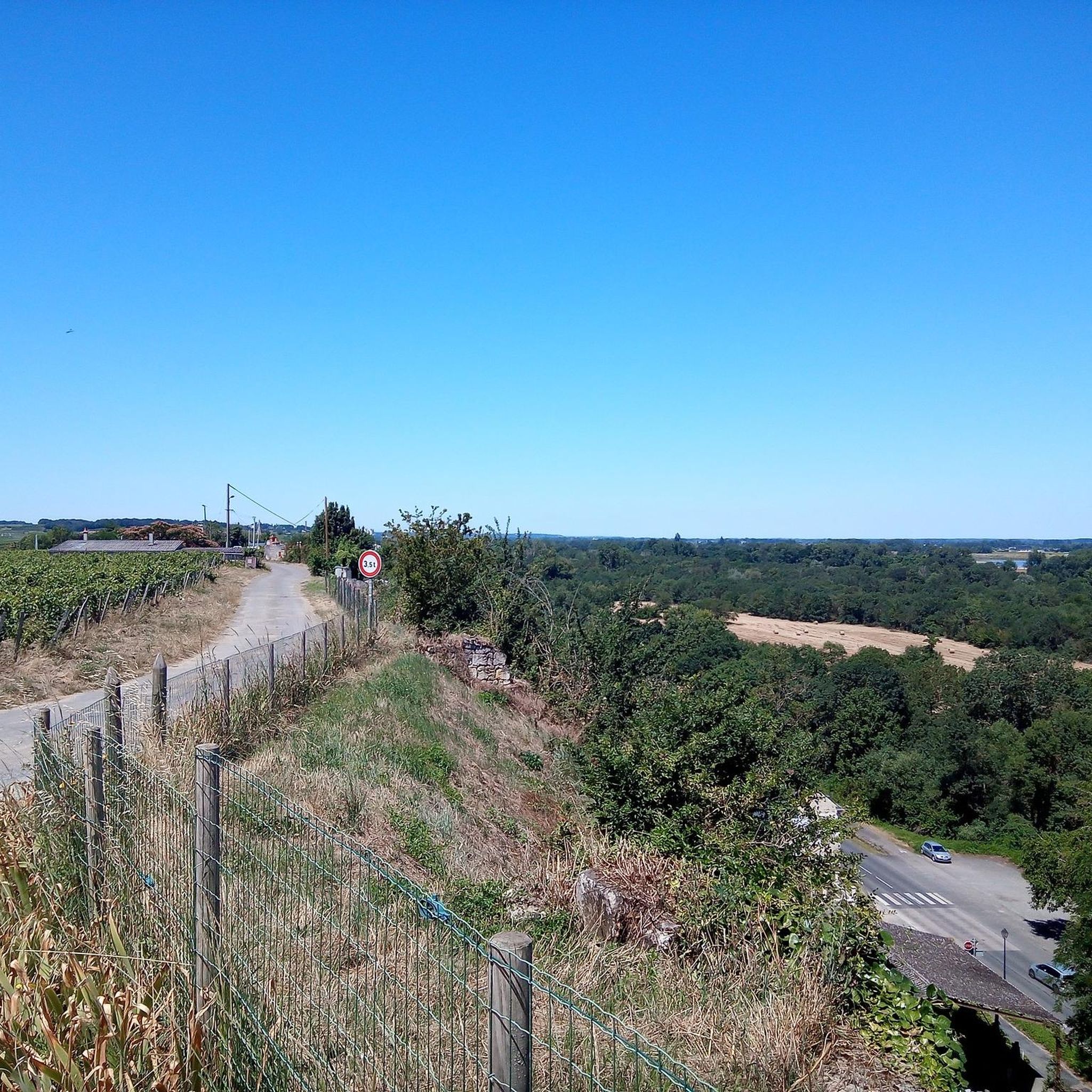
Beautiful town with castle and majestic ramparts, located in the heart of the Loire-Anjou-Touraine regional natural park on the edge of the Thouet. In the heart of the Saumur vineyards, Montreuil-Bellay is the perfect place to visit cellars and taste regional wines.
1
0

The Chapelle Royale Notre-Dame des Ardilliers in Saumur is a magnificent 17th century chapel which was once one of the most important Marian sanctuaries in France. There you can admire beautiful architecture, as well as rich paintings and sculptures. The chapel is also surrounded by a pretty park and gardens, where you can take a peaceful stroll along the Loire. Don't forget to taste the local wine, Coteaux de Saumur, which is produced from the vineyards located near the chapel.
3
0
Frequently Asked Questions
What historical sites can I visit in and around Les Ulmes?
Les Ulmes and its surroundings are rich in history. You can explore the Château de Saumur, a magnificent castle with Renaissance and Medieval architecture, offering exceptional views of Saumur. Another impressive site is Montreuil-Bellay Castle, a 15th-century fortress surrounded by medieval ramparts. Within Les Ulmes itself, don't miss the Saint-Vincent d'Espagne Church and Priory, featuring 11th and 12th-century remains, and the ancient Pierre Couverte Dolmen at Mousseau, an example of megalithic architecture.
Are there any natural attractions or scenic viewpoints near Les Ulmes?
Yes, the region offers several natural spots. The Étang de Joreau is a beautiful pond within the Loire-Anjou-Touraine regional natural park, perfect for relaxing walks and observing local wildlife. The area is also characterized by woodlands and vineyards, and the Douet River originates in Les Ulmes. For scenic views, the belvedere at Château de Saumur provides an exceptional panorama of the city and the Loire River.
What outdoor activities, like hiking or cycling, are available in the area?
The area around Les Ulmes is excellent for outdoor activities. For hiking, you can find routes like the 'A Story Along the Water Trail' or explore the 'Long Forest Trail loop from Les Ulmes'. Cyclists can enjoy routes such as the 'Château de Saumur – Saumur loop from Les Ulmes' or the 'Long Forest Trail loop from Les Ulmes'. There are also options for gravel biking, including the 'Loire Riverside Gravel Trail – Saumur loop from Varrains'. You can find more details and routes on the dedicated guides for hiking, cycling, and gravel biking around Les Ulmes.
Are there family-friendly attractions or things to do with kids?
Absolutely! The Château de Saumur is considered family-friendly, offering a historical experience that can engage children. The Étang de Joreau is also a great spot for families, with picnic areas and easy walks through the woods, where kids can look for animal footprints. Additionally, the nearby town of Doué-la-Fontaine is home to the renowned Bioparc Zoo, which is a popular family destination.
What is the best time of year to visit Les Ulmes for outdoor activities?
The best time to visit Les Ulmes for outdoor activities is generally from spring to early autumn (April to October). During these months, the weather is typically pleasant for hiking, cycling, and exploring the historical sites and natural landscapes. The vineyards are lush, and the mild temperatures make for comfortable outdoor adventures.
Can I find any unique local features like mills or washhouses in Les Ulmes?
Yes, Les Ulmes is known for its historical mills, some of which are 'cellar-type' with semi-troglodyte sections. The municipality has also restored and enhanced two of its three ancient washhouses, which are fed by springs. These features offer a glimpse into the traditional life and heritage of the region.
Where can I go for an easy walk or beginner hike near Les Ulmes?
For easy walks, the trails around the Étang de Joreau are ideal, offering pleasant paths through woods suitable for all ages. Another easy option is the 'Marson Castle – Marson woods and heathlands loop from Rou-Marson', which is rated as easy. The 'Long Forest Trail loop from Les Ulmes' also has an easy cycling variant, suggesting parts of it are suitable for relaxed walks.
What kind of terrain can I expect on trails around Les Ulmes?
The terrain around Les Ulmes is quite varied. You can expect gravel paths, especially along the Loire, such as the Loire Riverside Gravel Trail, which is well-shaded and generally passable by most bikes. Inland, trails often wind through woodlands and vineyards, with some areas featuring semi-troglodyte sections near historical mills. The region's gentle hills mean most routes are moderate, with some easier options available.
Are there any dog-friendly trails or places to visit near Les Ulmes?
While specific dog-friendly designations for trails are not always listed, many natural areas and walking paths in the French countryside are generally welcoming to dogs on a leash. The wooded areas around the Étang de Joreau and the various hiking routes around Les Ulmes, such as the 'Long Forest Trail loop', are good options for walks with your dog. Always ensure your dog is under control and respect local signage regarding pets.
What are some notable religious or spiritual sites in the vicinity?
The Saint-Vincent d'Espagne Church and Priory in Les Ulmes itself is a significant religious site with historical importance. Further afield, the Notre Dame des Ardillieres chapel in Saumur is a magnificent 17th-century chapel that was once an important Marian sanctuary. It features beautiful architecture, paintings, and sculptures, and is surrounded by a peaceful park.
What do visitors enjoy most about the attractions around Les Ulmes?
Visitors particularly appreciate the blend of history and natural beauty. The exceptional views from Château de Saumur and the majestic ramparts of Montreuil-Bellay Castle are highly praised. The peaceful and shaded gravel paths along the Loire, like the Loire Riverside Gravel Trail, are also very popular for their calm and pleasant surroundings. The Étang de Joreau is valued for its relaxing atmosphere and opportunities for family outings.
Are there any troglodyte sites to explore near Les Ulmes?
Yes, the area around Les Ulmes, particularly near Doué-la-Fontaine (about 8 km away), is known for its troglodyte sites. You can find opportunities to visit these unique cave dwellings and even dine in troglodyte restaurants, offering a distinctive cultural experience.
Most popular routes around Les Ulmes
Most popular attractions around Les Ulmes

Get inspired with the komoot mobile app


Explore more
Still not found the Highlight you’re looking for? See guides of the top attractions in other regions:
