Attractions and Places To See around Huisseau-Sur-Cosson - Top 20
Best attractions and places to see around Huisseau-Sur-Cosson, located in the Loire Valley and Sologne region, offers access to notable French landmarks. The village is situated within the "golden triangle" of the Loire châteaux, providing a base for exploring historical sites. The area features the Cosson River, forests, and varied landscapes, suitable for outdoor activities.
Best attractions and places to see around Huisseau-Sur-Cosson
- The most popular attraction is Chambord Castle, a castle that was built in 1519 at the…
Last updated: July 6, 2026
Chambord Castle
Highlight • Castle
Translated by Google •
Tip by

Cheverny Castle
Highlight • Castle
Listed as historical monuments since 1926, it is open to the public. More information on: chateau-cheverny.fr.
Translated by Google •
Tip by

Sign up now to discover places like this
Get recommendations on the best single tracks, peaks, & plenty of other exciting outdoor places.
Sign up for free
Jacques-Gabriel Bridge and View of Blois
Highlight • Bridge
Translated by Google •
Tip by
Forest Cycle Path Near Chambord
Highlight (Segment) • Cycleway
Translated by Google •
Tip by

Chambord Castle
Highlight • Monument
The Domaine national …
Translated by Google •
Tip by

Sign up for free to discover even more attractions around Huisseau-Sur-Cosson.
Sign up for free
Already have an account?
Start today with a free account
Your next adventure awaits.
Login or Signup

Tips from the Community

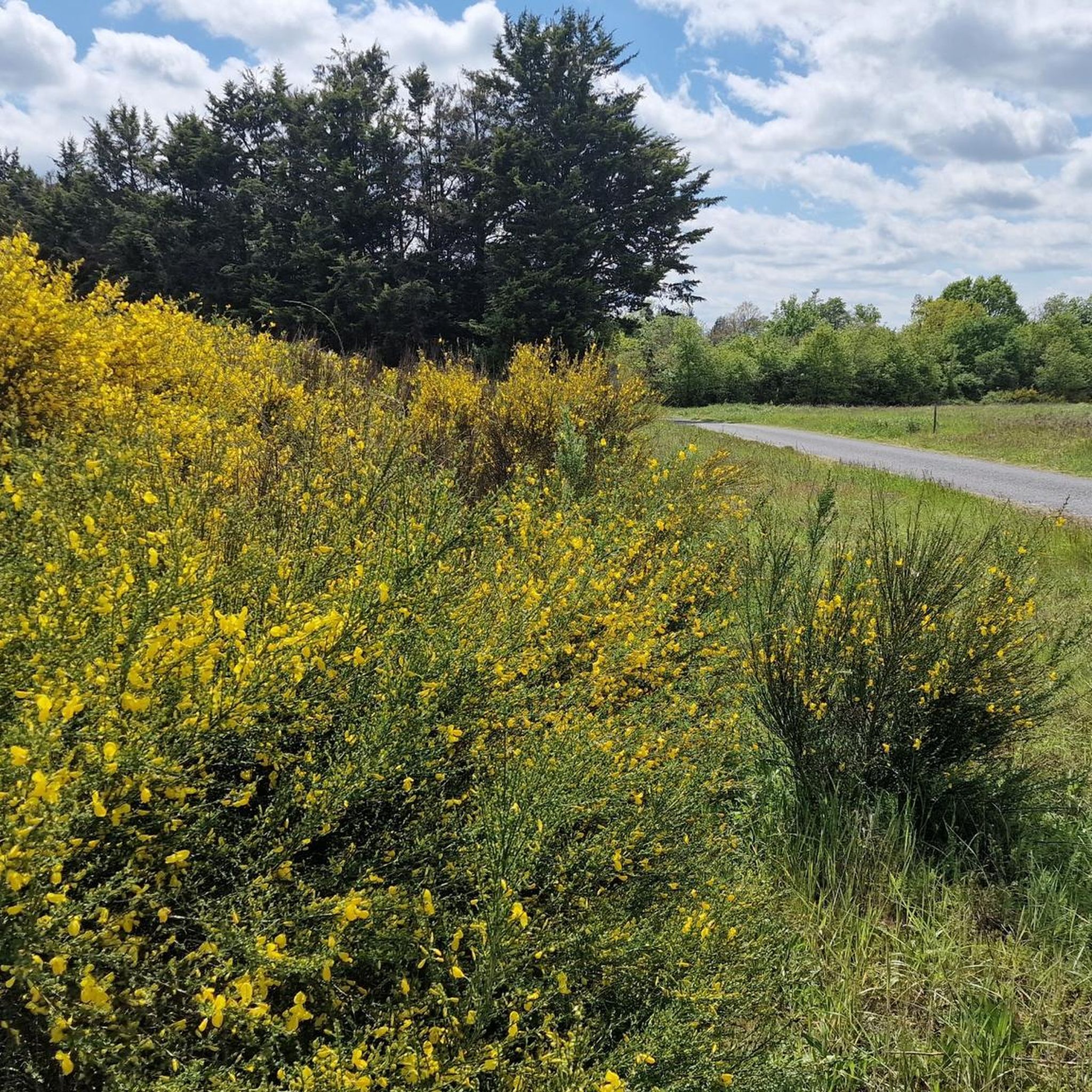
A superb green forest path that runs alongside the road, away from traffic. This secure cycle path takes you to the Château de Chambord.
0
0

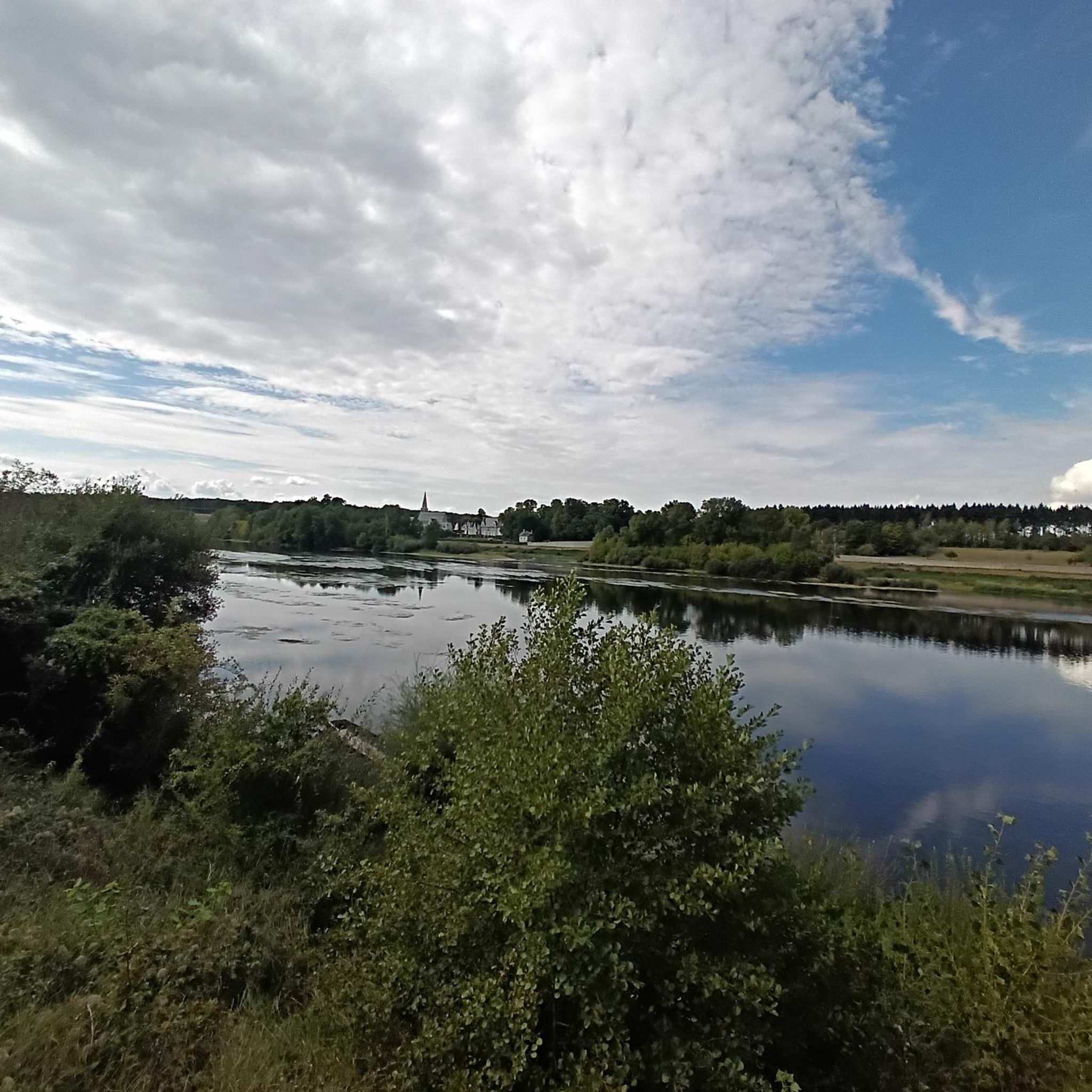
Great panorama with bridge & Blois
3
0

Very good cycle paths
0
0

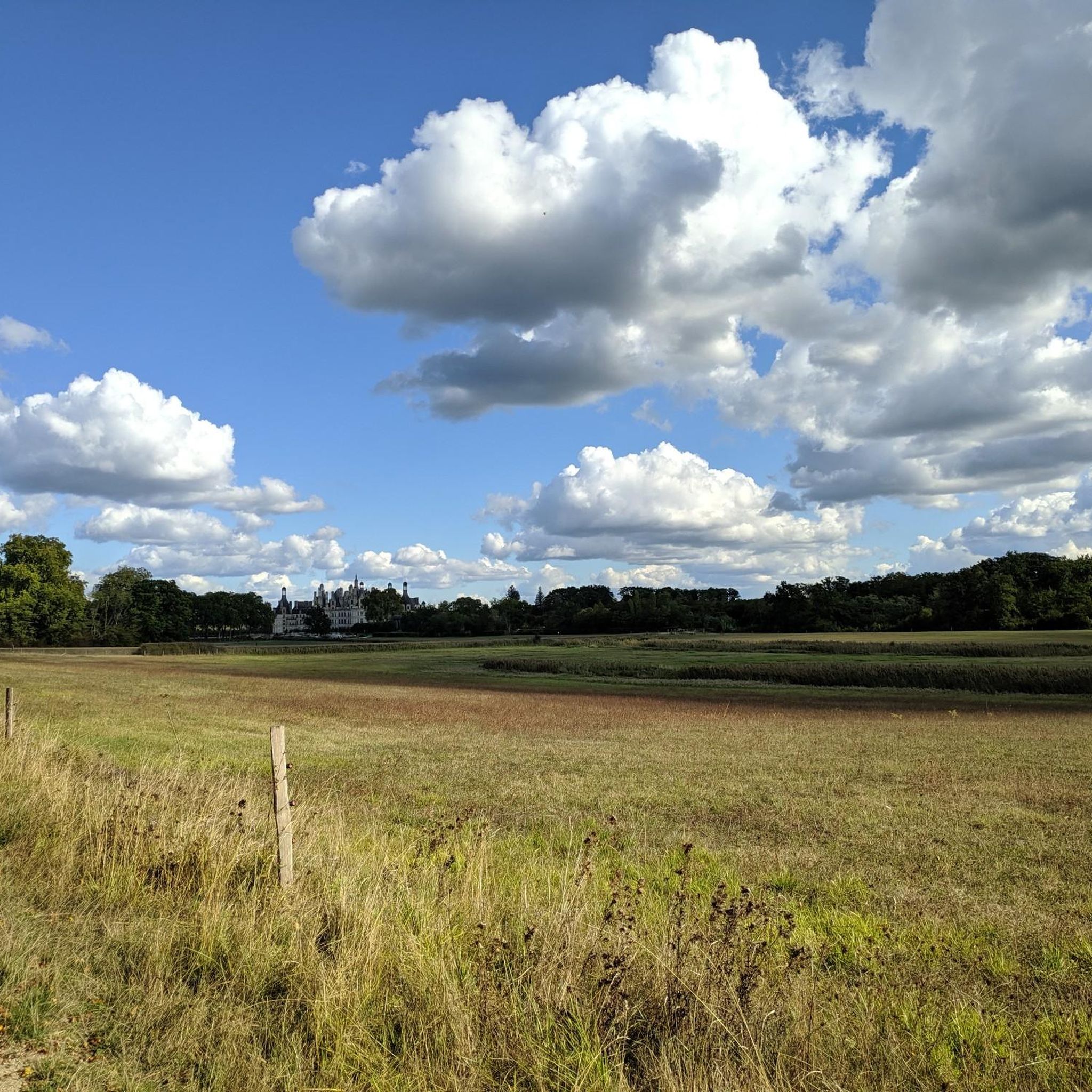
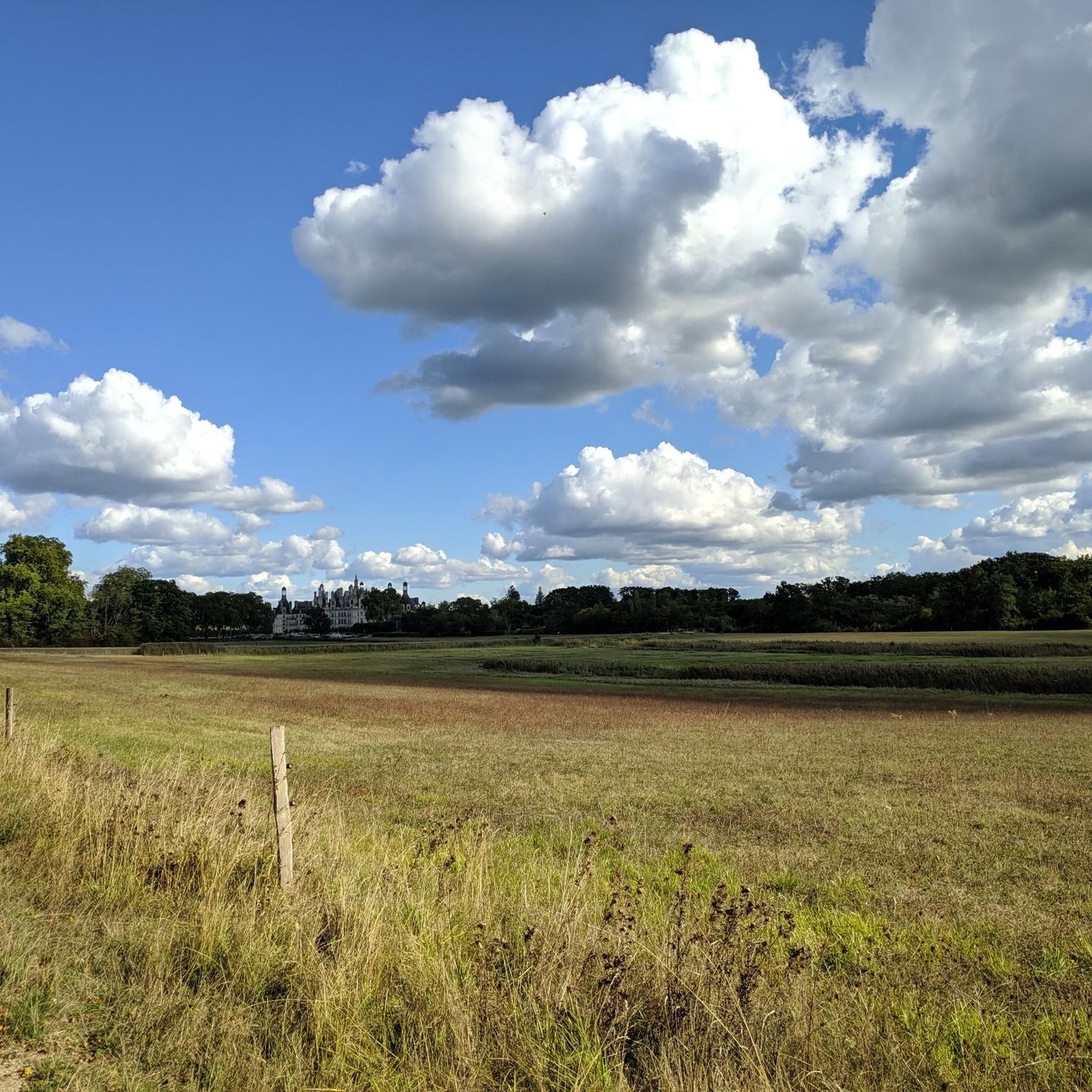
It is the largest Renaissance hunting lodge on the Loire. A visit is highly recommended. There is a paid parking lot. The park is 55 hectares in size. Chambord Castle impresses with its architecture, the beautifully furnished rooms and art. It is recommended to rent a Histopad for 6.5 euros. From the terrace you have great views of the landscaped garden and the extensive park.
1
0

Built in a Classical style, the Cherveny castle has belonged to the same family for more than six centuries, the Huraults, financiers and officers in the service of several kings of France. The current castle was built around 1625 by Henri, son of Philippe Hurault, and his wife Marguerite Gaillard de la Morinière. They launched the construction of the current castle and entrusted the execution of the work to the architect Jacques Bougier. He uses “Bourré stone”, a stone from the Cher valley which has the particularity of whitening and hardening as it ages. Sobriety and symmetry characterize the Château de Cheverny, a precursor of the French style which established itself under the reign of Louis XIV. The work is of such magnitude that it will not see the end of the project. Their daughter Elisabeth, Marquise de Montglas, completed the interior decoration which was entrusted to Jean Monier. During the following hundred and fifty years, the Château de Cheverny changed owners several times. In 1825, Anne Denis Hurault, Marquis de Vibraye, bought the property from her ancestors. The Château de Cheverny, which has always been inhabited, presents remarkably well-preserved pieces of furniture and interior fittings. The first floor apartments bear witness to the French art of living. An English-style park and gardens surround the Château de Cheverny. Visitors can discover the Jardin des Apprentis, a contemporary designed garden created in 2006 which was inspired by the found plans of an old French garden and the vegetable garden, designed by the Marquise de Vibraye, it combines the use original of different colored materials, vegetables and flowers. The Garden of Love, created in 2019, presents six monumental statues by Gudmar Olovson which reflect Love in all its forms. Cheverny constitutes a heritage of stones, land but also of tradition with venery or hunting with hounds. The Cheverny crew was founded in 1850 by the Marquis de Vibraye. Nowadays, in the Cheverny forest and neighboring forests, the crew harvests exclusively deer. Every day, from April to September 14, subject to reservations, at 11:30 a.m., visitors can attend the dog meal. The Château de Cheverny inspired the Château de Moulinsart to the Belgian comic book author, Hergé. The Domaine de Cheverny and the Hergé Foundation have joined forces to create and set up a permanent exhibition on the theme: the secrets of Moulinsart.
1
0
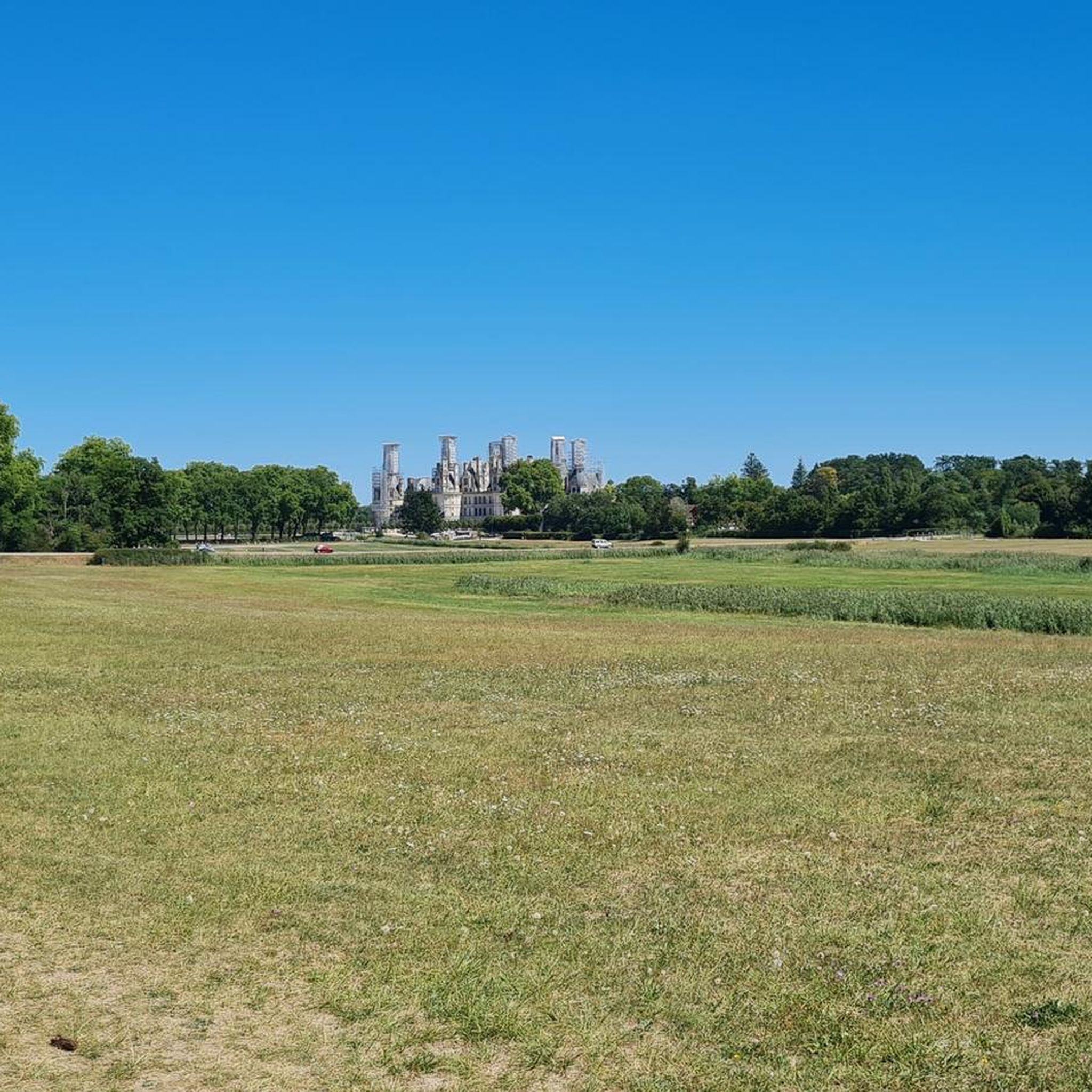
In the heart of Sologne, the Château de Chambord has continued to dazzle its visitors for five hundred years. A true architectural work, Chambord is the emblem of the French Renaissance throughout the world. An affirmation of royal power, but also an evocation of an ideal city, the monument remains an enigma that has not yet finished revealing all its secrets. The unique and magical atmosphere is felt upon arrival, after crossing the forest, when you find yourself facing this castle with its extraordinary architecture imagined by François I and on which floats the spirit of Leonardo da Vinci. Built from 1519 at the request of François I, a lover of the arts and hunting, the Château de Chambord is a palace that the king liked to show to sovereigns and ambassadors as a symbol of his power inscribed in stone. Built in the heart of the marshy lands of Sologne, Chambord represents a true architectural feat. The plan of the castle and its decorations were designed around a central axis: the famous double-revolution staircase, inspired by Leonardo da Vinci. The castle was completed under the reign of Louis XIV. In the 18th century, work was undertaken to develop the interior of the castle. The need to bring warmth and comfort to the building prompted the various occupants to furnish the castle permanently. By visiting the Château Chambord, you travel through 500 years of French history in a few hours. Stairs, galleries, terraces, large rooms and small offices are all solicitations to wander for pleasure. Chambord is not a castle like the others. Visiting Chambord is accessing a world apart, filled with mystery, which opens the doors to the genius of the Renaissance. The Château de Chambord has been dedicated to the arts from the outset. Molière's Le Bourgeois Gentilhomme was performed there for the first time, in front of Louis XIV in 1670. True to this tradition, the estate has set up a quality cultural program since 2010 (music festival, exhibitions, readings, shows, etc.). The Château de Chambord cannot be dissociated from its natural state, the forest. With its 5,440 hectares and 32 kilometers of surrounding walls, the national estate of Chambord is the largest enclosed park in Europe. Coming to Chambord also means exploring kilometers of hidden paths, admiring preserved landscapes, having the chance to come across wild animals or discovering the magnificent French gardens designed under Louis XIV and completely restored in 2017. Chambord offers many nature activities in the park: equestrian show, horse-drawn carriage rides, visits to the reserve in 4x4, boat trips, on foot or by bike. For lovers of the terroir, come and discover the Chambord vineyards and taste the 500-year-old vintage. Also, don't miss a visit to the vegetable gardens, inspired by permaculture, in the former stables of the château. An opportunity to discover the world of market gardeners and the benefits of this agriculture. In Chambord, everyone can build their day according to their desires.
1
0

Very beautiful view of Blois, even more magical at dawn...
2
0
Beautiful gravel track, very rolling in the woods.
0
0
Frequently Asked Questions
What historical sites can I explore within Huisseau-sur-Cosson itself?
Within Huisseau-sur-Cosson, you can discover the 17th-century Château des Grotteaux, the historic Old Church (currently undergoing restoration), and several old Lavoirs (washhouses) along the Cosson River. Evidence of ancient origins, including archaeological sites and the menhir des Grotteaux, also points to the village's rich past.
Are there any famous châteaux near Huisseau-sur-Cosson?
Yes, Huisseau-sur-Cosson is ideally located near some of the most renowned Loire Valley châteaux. The largest and most famous is Chambord Castle, just 5 km away. You can also visit Cheverny Castle, known for its opulent interiors and Tintin connection, and the impressive Château de Blois, located about 9 km to the west.
What natural features can I enjoy around Huisseau-sur-Cosson?
The area boasts beautiful natural features, including the tranquil Cosson River, which flows through the village and offers opportunities for quiet enjoyment. You can also visit Les Chênes Jumeaux (The Twin Oaks) in the Boulogne state forest, two ancient sessile oaks dating back to Louis XIV's reign. The surrounding forests and varied landscapes are perfect for outdoor exploration.
Are there family-friendly activities or attractions in the area?
Many attractions around Huisseau-sur-Cosson are family-friendly. Chambord Castle and Cheverny Castle offer extensive grounds and engaging experiences for all ages. The Forest Cycle Path Near Chambord provides a safe and enjoyable cycling route for families, and the Moulin de Rouillon along the Cosson River is a pleasant spot to enjoy nature together.
What cycling routes are available near Huisseau-sur-Cosson?
The region is excellent for cycling. You can find routes like the 'Chambord Castle – Chambord Castle loop from Huisseau-sur-Cosson' (25.3 km, easy) or the 'Old viaduct – View of Chambord Castle loop from Huisseau-sur-Cosson' (38.4 km, moderate). A dedicated Forest Cycle Path Near Chambord offers a secure, traffic-free way to reach the château. For more options, explore the Cycling around Huisseau-Sur-Cosson guide.
Are there hiking or running trails around Huisseau-sur-Cosson?
Yes, the varied landscapes around Huisseau-sur-Cosson are well-suited for hiking and running. You can find trails such as the 'Running loop from Huisseau-sur-Cosson' (7.8 km, moderate) or the 'Old viaduct – Bridge over the Cosson loop from Huisseau-sur-Cosson' (10.7 km, moderate). These routes often take you through forests and along the Cosson River. Discover more trails in the Running Trails around Huisseau-Sur-Cosson guide.
What is the best time of year to visit Huisseau-sur-Cosson for outdoor activities?
The spring and autumn months generally offer the most pleasant weather for outdoor activities like cycling and hiking, with mild temperatures and beautiful scenery. Summer is also popular, especially for exploring the châteaux and enjoying the river, though it can be warmer. Winter provides a quieter experience, but some outdoor activities might be limited by colder temperatures.
Can I find local markets or unique shopping experiences in Huisseau-sur-Cosson?
Huisseau-sur-Cosson hosts a local market every Wednesday in the Place des Commerces, where you can find local produce and goods. For a broader shopping experience, the nearby town of Blois offers a historic center with various shops and boutiques.
What do visitors enjoy most about the attractions near Huisseau-sur-Cosson?
Visitors frequently praise the grandeur and historical significance of Chambord Castle, often highlighting its intricate architecture and extensive park. The well-preserved interiors of
Are there any hidden gems or lesser-known spots to discover?
Beyond the famous châteaux, consider exploring the Moulin de Rouillon, an old mill along the Cosson upstream from Chambord, offering a peaceful natural setting. The ancient Les Chênes Jumeaux in the Boulogne state forest provide a unique natural landmark. Additionally, the village's own Old Church and Lavoirs offer a glimpse into local history and charm.
Is it possible to visit the town of Blois from Huisseau-sur-Cosson?
Yes, the historic town of Blois is approximately 9 km west of Huisseau-sur-Cosson and is easily accessible. You can visit the impressive Château de Blois and enjoy the views from the Jacques-Gabriel Bridge, which crosses the Loire River and offers superb vistas of the city.
What kind of wildlife can be spotted in the area?
The forests and natural areas around Huisseau-sur-Cosson, particularly within the Sologne region, are rich in wildlife. You might spot deer, wild boar, various bird species, and other small mammals. The Cosson River and surrounding wetlands also support diverse aquatic life and waterfowl, making it a good area for nature observation.
Most popular routes around Huisseau-Sur-Cosson
Most popular attractions around Huisseau-Sur-Cosson

Get inspired with the komoot mobile app


Explore more
Still not found the Highlight you’re looking for? See guides of the top attractions in other regions:
