The best road cycling routes around La Ferté-Vidame
4.3
(22)
268
riders
71
rides
Road cycling around La Ferté-Vidame features routes through the rural landscapes of the Eure-et-Loir department in France. The terrain is characterized by gently rolling hills, with moderate elevation gains suitable for various fitness levels. Cyclists can expect to pass through agricultural fields, small villages, and areas with historical châteaux. The region offers a network of roads that traverse woodlands and open countryside.
Best road cycling routes around La Ferté-Vidame
- The most popular road cycling route is Château de Saint-Simon 🏰✨⚜️…
Last updated: July 2, 2026
16
riders
Moderate road ride. Good fitness required. Mostly well-paved surfaces and easy to ride.
10
riders
Moderate road ride. Good fitness required. Mostly well-paved surfaces and easy to ride.

Sign up for free
7
riders
Moderate road ride. Good fitness required. Mostly well-paved surfaces and easy to ride.
2
riders
46.3km
01:53
250m
250m
Easy road ride. Great for any fitness level. Mostly well-paved surfaces and easy to ride.
4
riders
Easy road ride. Great for any fitness level. Mostly well-paved surfaces and easy to ride.
Get access to more routes and recommendations from other explorers.
Sign up for free
Already have an account?
Our route recommendations are based on thousands of hikes, rides, and runs completed by other people on komoot.
Start today with a free account
Your next adventure awaits.
Login or Signup

Tips from the Community

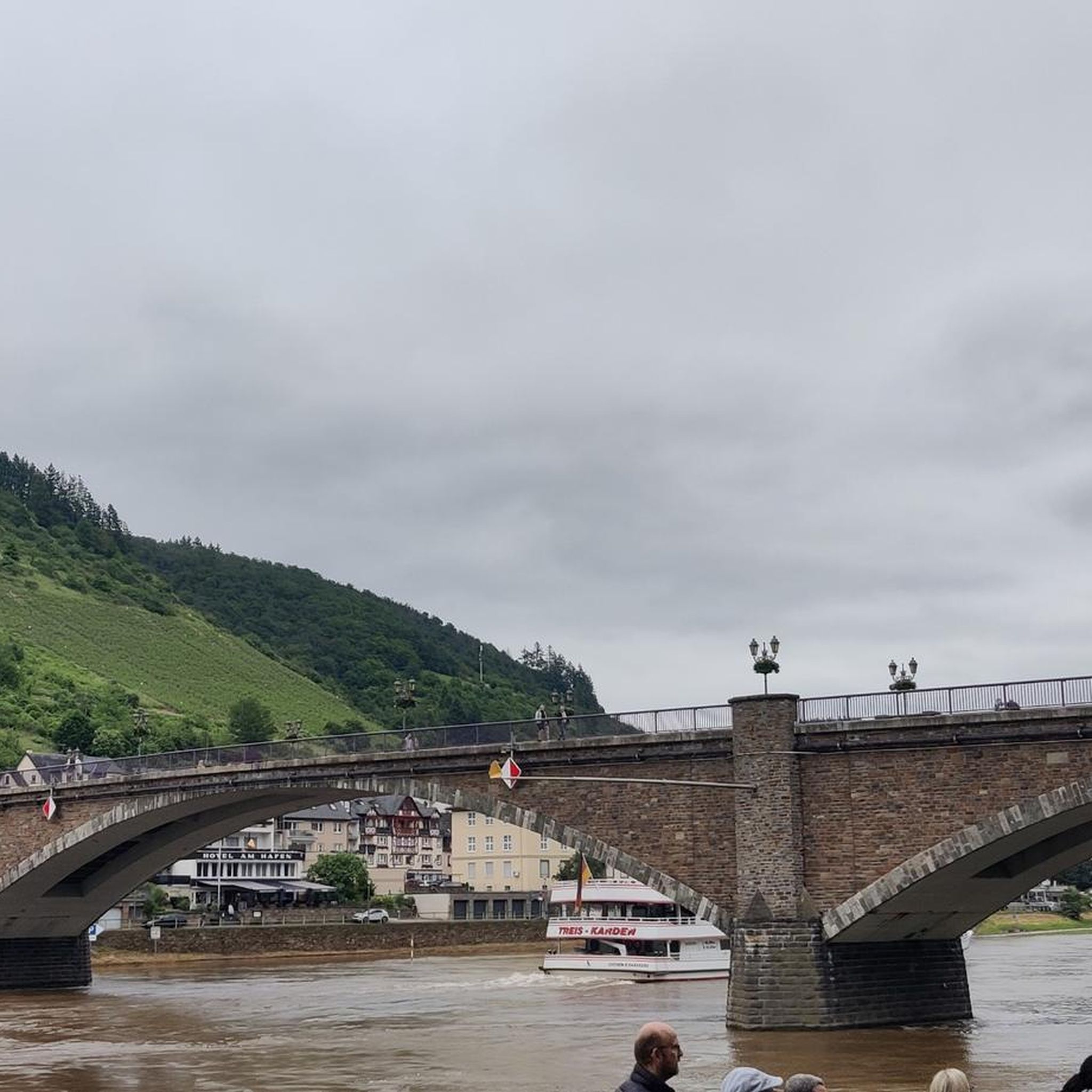
very good craft beers, friendly welcome and beautiful setting
0
0

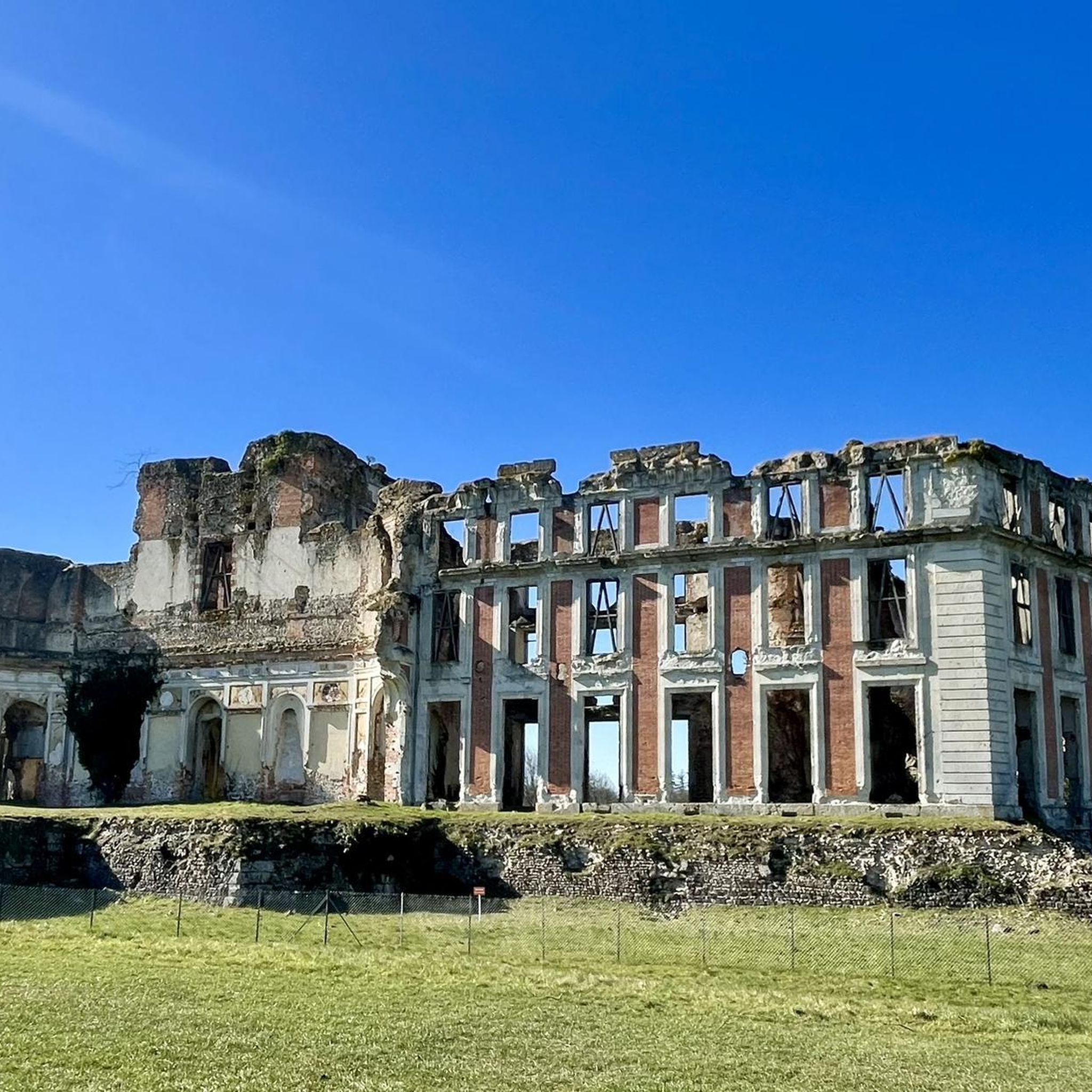
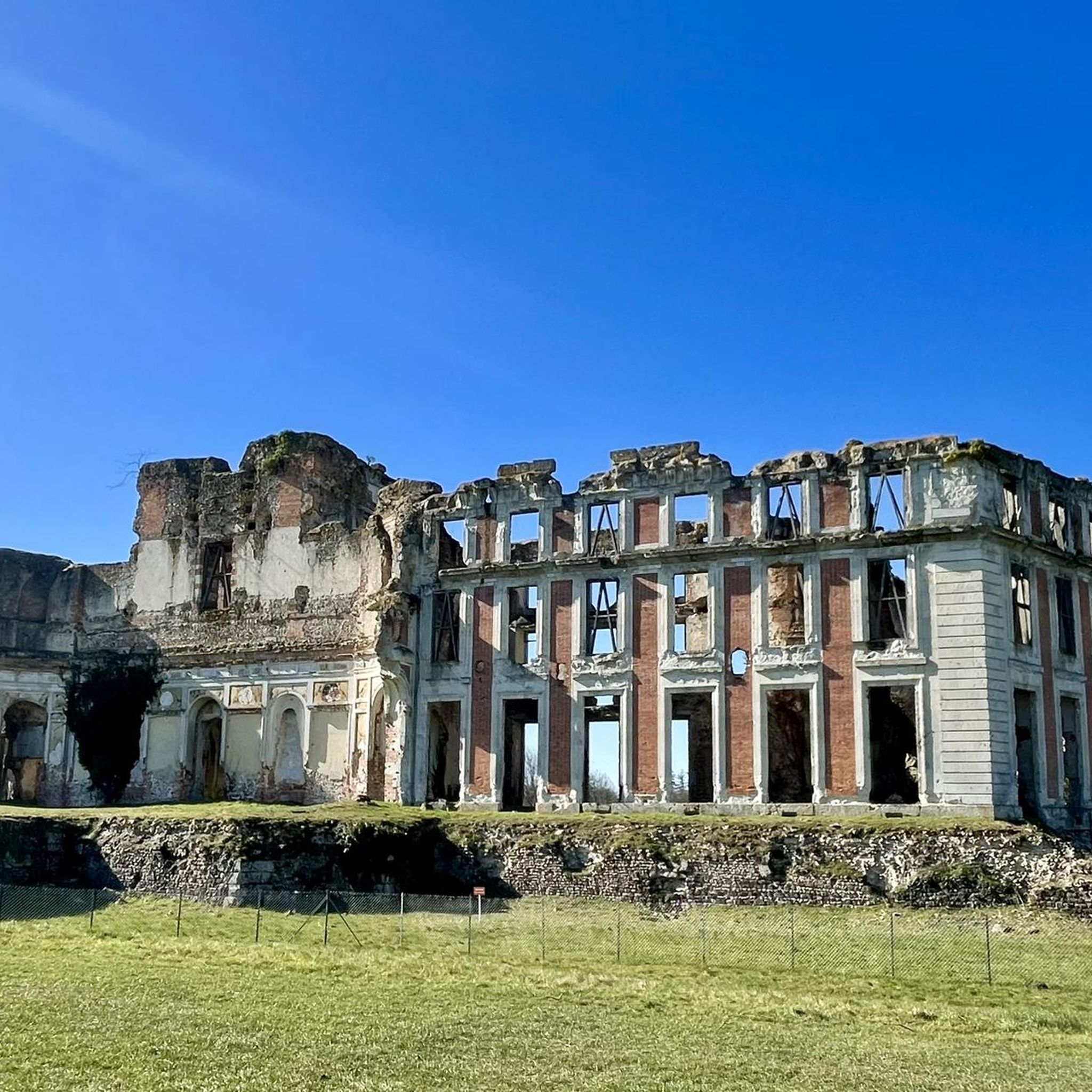
A lovely castle when leaving the Senonches forest in a very cute village.
0
0

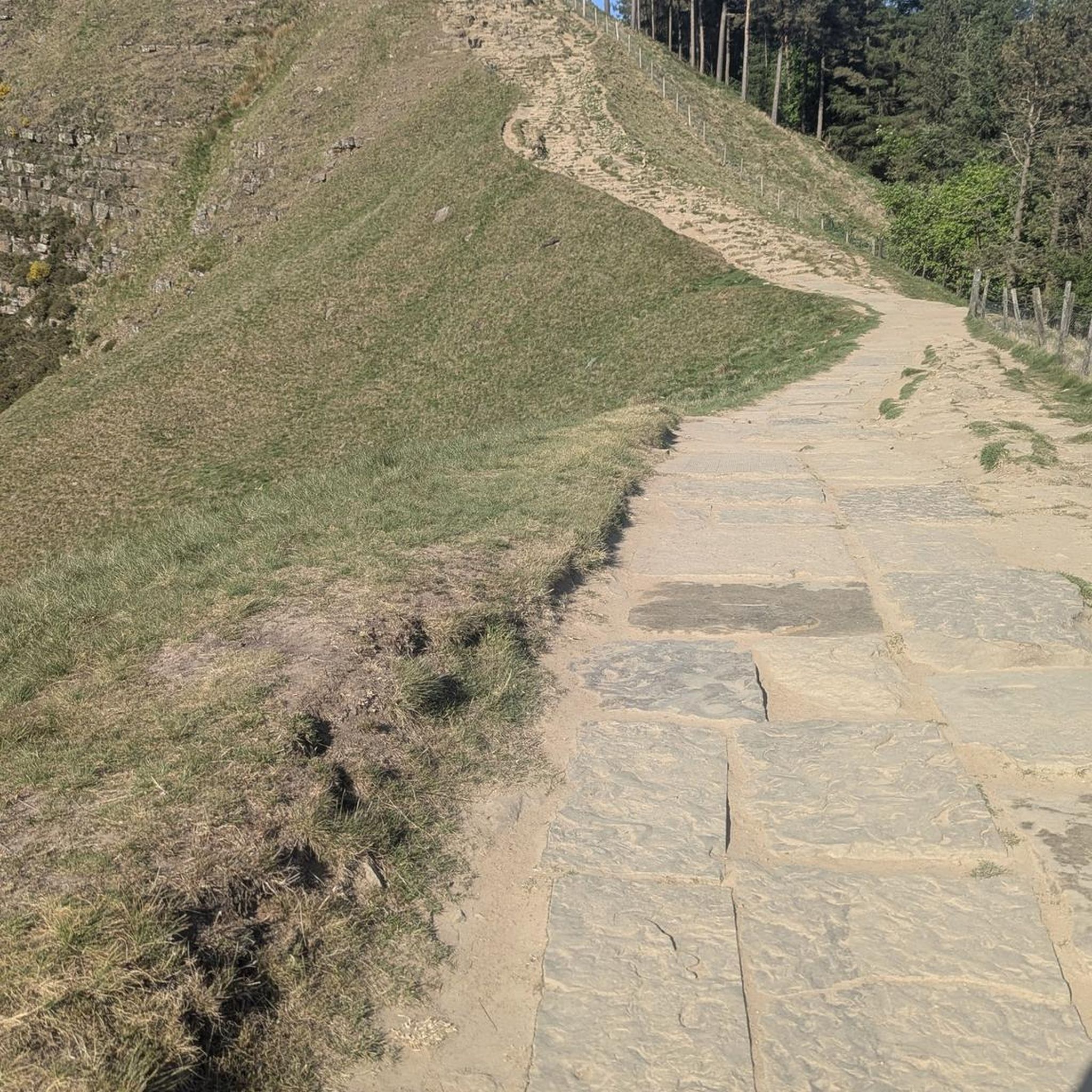
The original Marian shrine "La Salette," which is referred to in this patronal feast, is located in the French Alps (Grenoble district) and is an important Marian shrine, even if it has not achieved the same level of fame as other pilgrimage sites honoring the Mother of God—such as Lourdes in the French Pyrenees or Fatima in Portugal. The hiking highlight "La Salette" can be found on komoot at the following link =>> https://www.komoot.com/de-de/highlight/1861054
0
0

Of Romanesque foundation, the church of Saint-Maurice-lès-Charencey, dedicated to Saint Maurice, was remodeled at the end of the Middle Ages and then extensively renovated in the 19th century. It consists of a nave of four bays ending in a semicircular apse. This nave constitutes the oldest part of the building onto which several elements were grafted to the north. The building is indeed flanked on this side by a side aisle opening onto the nave by a series of large arches with a broken profile. This side aisle, the first bay of which serves as the base of the bell tower, opens onto the north arm of a transept of which only this part was built or remains. Its construction probably predates that of the side aisle, as would tend to prove, thanks to the careful examination of the framework, the presence of an old valley ridge, visible under the current roof. During the Restoration, the church's western façade was completely rebuilt; the current bell tower, likely erected in place of an older one, belongs to this same renovation project, which can be dated to 1821 according to an inscription inserted in the gable wall. Finally, a sacristy was built later in the northeast corner of the building, against the apse and the transept arm. Constructed of rubble stone covered in some parts with an old lime render, and in others with a hydraulic binder-based render that was quite unsightly and would eventually deteriorate, it rests on a basement partially uncovered during the work on the western façade. Its current slate roof does not appear to be original: the church was once covered with flat tiles. Several types of bays bear witness to the successive interventions in the building: the choir retains three examples of small, semicircular bays made of Grison stone, two of which were partially walled up during the installation of the great high altar and altarpiece in the choir. The workmanship of the other bays pierced in the south wall, with their broken profiles and brick frames, testifies to 19th-century work. As for the stones and limestone latticework of the large window, of fine quality, with flamboyant tracery that illuminates the north arm of the transept, they show worrying alterations. While the exterior of the church attracts little attention—its unfinished and rather unsightly surroundings contribute to this—the interior presents a rich and interesting decoration. Indeed, the nave is covered by a beautiful, high-volume, paneled timber vault with a broken profile, the entire surface of which is decorated with stencils with highlights of red, blue-gray, and black. The hallmarks and tie beams are carved and painted. Emblazoned engolante heads decorate the central sections of the tie beams. The choir vault features a particularly elaborate blue scrollwork decoration, probably reworked in the 19th century, but of high decorative quality. The choir is occupied by a substantial high altar with a reredos, with three sides, which therefore does not follow the curve of the masonry and conceals the roof posts decorated with Ionic pilasters. The central panel, crowned by a pointed pediment, is framed by side panels with triangular pediments. Niches, pilasters with Corinthian capitals, and obelisks complete this work. The aisle is also covered by a paneled vault decorated with painted red, gray-blue, and black bands, with white festoons and plant motifs. For masonry, framework and roofing work, the Sauvegarde de l’Art français granted a grant of €18,294 in 2001.
0
0

Located 5 km northeast of La Ferté-Vidame, the Saint-Denis de Morvilliers church stands in the very center of the village. The rectory was the abbot of Saint-Père de Chartres, whose monks owned the church from the beginning of the 12th century. Two charters, dated 1126 and 1127, attest to this. This building comprises a single nave ending in a semicircular chevet. A timber-framed bell tower has crowned the western part of the roof since the 18th century. The west portal through which one enters this building is made of gray stone, unfortunately cemented with a decoration of false stones. The south wall is pierced by five narrow bays, probably from the 12th century. Four windows were installed in the 15th century on the north facade. A fifth, now blocked, was pierced in the apse at the same time. Inside, despite alterations, the church retains an exposed rafter frame forming a medieval truss. Curiously independent of the church structure, it rests on two rows of posts along the drip walls. The vault is paneled. The presence of frescoes could be detected under the plasterwork of the north wall. For the restoration of the apse's frame and roof, the Sauvegarde de l'Art Français (French Art Protection Agency) awarded a grant of €16,769 in 2001.
0
0

The church was built in 1865 by Father Migorel, who supposedly had three visions of a church to be built on a hilltop at the junction of three roads. It was consecrated in 1867 and opened for worship. The octagonal tower, erected in 1871, is decorated with polychrome bricks and topped with four turrets housing statues of archangels.
0
0

Église Saint Madeleine is a church where beautiful various statues of Saints, famous and less famous. The reason for so many different statues is that the school of sculpture was established here.
0
0
Frequently Asked Questions
How many road cycling routes are available around La Ferté-Vidame?
There are over 70 road cycling routes around La Ferté-Vidame, catering to various skill levels. This includes 34 easy routes, 39 moderate routes, and 1 difficult route for experienced cyclists.
Are there easy road cycling routes suitable for beginners in La Ferté-Vidame?
Yes, La Ferté-Vidame offers 34 easy road cycling routes perfect for beginners or those looking for a relaxed ride. An excellent option is the Manou Castle – Ferté-Vidame Castle loop from La Ferté-Vidame, which is 28.8 miles (46.3 km) long and offers scenic views of castles and rural areas.
What about more challenging road cycling routes with significant elevation gain?
While the region is characterized by gently rolling hills, there are routes with more elevation. The Mairie la Lande sur Eure – Kisses from Bizou! loop from La Ferté-Vidame, for example, is a moderate route covering 34.1 miles (54.9 km) with an elevation gain of approximately 392 meters, offering a good workout.
Can I find family-friendly road cycling options in the area?
Many of the easy and moderate routes are suitable for families, especially those looking for a relaxed pace through the countryside. The region's network of roads through agricultural fields and small villages provides a pleasant and safe environment for family rides.
Are there road cycling routes that form a loop around La Ferté-Vidame?
Yes, many of the road cycling routes in the area are designed as loops, allowing you to start and finish at the same point. A popular loop is the Château de Saint-Simon 🏰✨⚜️ – Ferté-Vidame Castle loop from La Lande-sur-Eure, which is 43.5 miles (70.1 km) long and connects historical châteaux.
What kind of scenery can I expect on road cycling routes near La Ferté-Vidame?
Cyclists can expect to pass through diverse rural landscapes, including vast agricultural fields, charming small villages, and areas dotted with historical châteaux. The routes often traverse woodlands and open countryside, providing a mix of shaded and open-air riding.
What are some interesting historical sites or landmarks to see along the routes?
The region is rich in history, with several castles and religious buildings. You can cycle past the Château de Senonches, the Ruins of the Château de La Ferté-Vidame, or the Saint Nicholas Church - La Ferté-Vidame. Many routes are specifically designed to connect these historical points of interest.
What do other cyclists say about road cycling in La Ferté-Vidame?
The road cycling routes in La Ferté-Vidame are highly rated by the komoot community, with an average score of 4.4 stars from over 20 reviews. Cyclists often praise the quiet roads, the beautiful rural scenery, and the opportunity to discover historical sites along the way.
What is the best time of year for road cycling in La Ferté-Vidame?
Spring and early autumn generally offer the most pleasant conditions for road cycling in La Ferté-Vidame, with mild temperatures and beautiful landscapes. Summer can also be enjoyable, though it's advisable to ride earlier in the morning or later in the afternoon to avoid the midday heat.
Are there cafes or places to stop for refreshments along the road cycling routes?
The routes often pass through small villages where you can find local bakeries (boulangeries) or small cafes for a break and refreshments. It's always a good idea to check the specific route details or local maps for exact locations before you set out.
Where can I find parking for road cycling routes in La Ferté-Vidame?
Parking is generally available in the main village of La Ferté-Vidame and in other smaller towns and villages that serve as starting points for routes. Look for public parking areas, often near town centers or local attractions.
What is the typical length of road cycling routes in this region?
Road cycling routes around La Ferté-Vidame vary in length, with many popular options ranging from approximately 28 miles (45 km) to over 43 miles (70 km). This allows cyclists to choose a distance that suits their fitness level and available time.
Are there specific routes that pass by notable castles?
Yes, the region is known for its châteaux. The Ferté-Vidame Castle – Château de Senonches loop from La Ferté-Vidame is a great example, leading you past the Ferté-Vidame Castle and the Château de Senonches.
Most popular routes around La Ferté-Vidame
Most popular attractions around La Ferté-Vidame

Get inspired with the komoot mobile app


Explore more
Browse the best Road cycling routes in other regions.
