The best road cycling routes around Senonches
4.4
(37)
430
riders
13
rides
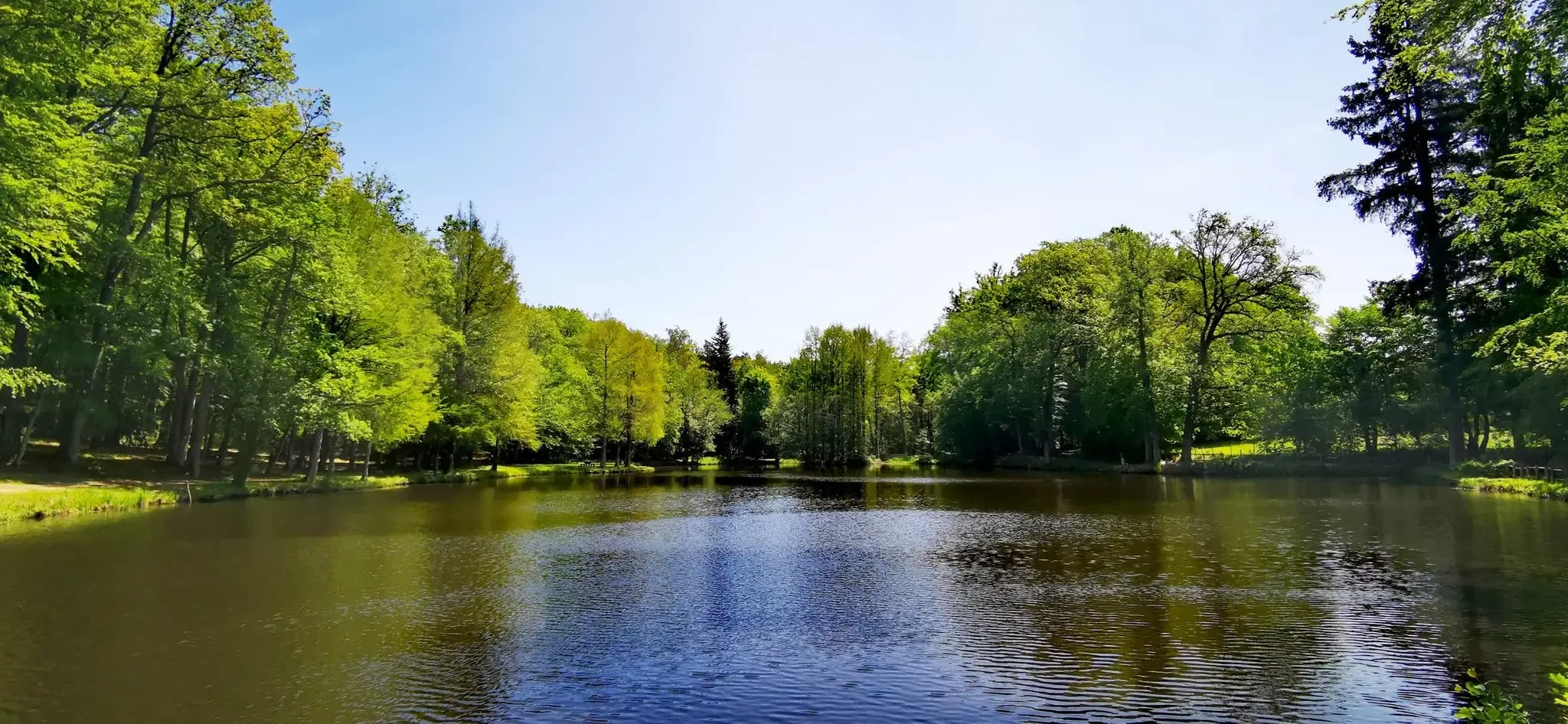
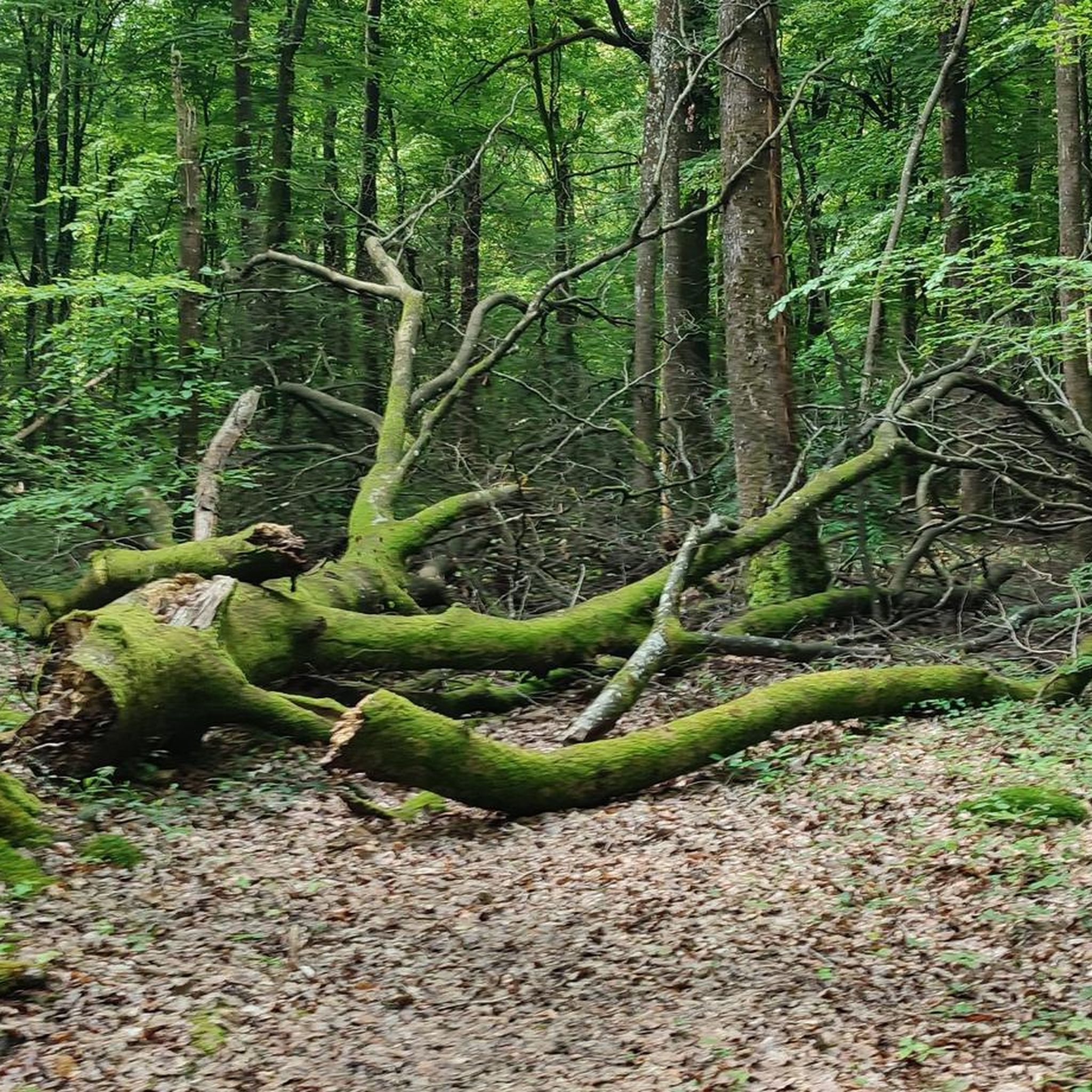
Road cycling routes around Senonches primarily traverse the expansive Forêt de Senonches, one of the largest and most diverse forests in the Perche natural region. The terrain features mostly paved surfaces, with low gradients suitable for various fitness levels, winding through ancient sessile oak woodlands. The region's "bocage" countryside, characterized by hedgerows and meadows, offers scenic routes that often utilize narrow roads and historical alleys. Cyclists can expect a calm, shaded environment within the Perche Regional Natural Park.
Best road…
Last updated: July 2, 2026
5.0
(1)
8
riders
41.6km
01:40
200m
200m
Easy road ride. Great for any fitness level. Mostly well-paved surfaces and easy to ride.
5.0
(2)
8
riders
38.2km
01:38
220m
220m
Easy road ride. Great for any fitness level. Mostly well-paved surfaces and easy to ride.

Sign up for free
8
riders
42.8km
01:44
200m
200m
Easy road ride. Great for any fitness level. Mostly well-paved surfaces and easy to ride.
4
riders
52.2km
02:08
310m
310m
Moderate road ride. Good fitness required. Mostly well-paved surfaces and easy to ride.
1
riders
44.2km
01:50
290m
290m
Easy road ride. Great for any fitness level. Mostly well-paved surfaces and easy to ride.
Get access to more routes and recommendations from other explorers.
Sign up for free
Already have an account?
Our route recommendations are based on thousands of hikes, rides, and runs completed by other people on komoot.
Start today with a free account
Your next adventure awaits.
Login or Signup

Other adventures around Senonches

Tips from the Community

The Saint-Barthélemy church of Mesnil-Thomas is a religious monument located in the commune of Mesnil-Thomas. This place of worship, like many rural churches, plays a central role in local spiritual and community life. Its architecture and history reflect the religious traditions of the Centre-Val de Loire region, although available sources do not specify its construction period or stylistic characteristics. In the countryside of Centre-Val de Loire, parish churches like Saint-Barthélemy served as gathering points for the inhabitants, marking the highlights of collective life: Sunday masses, religious festivals, and social events. These buildings were often at the heart of village organization, symbolizing both faith and community cohesion. In the absence of detailed historical data, it is difficult to trace the specificities of this church, but its very existence testifies to the importance of religious heritage in this region.
0
0

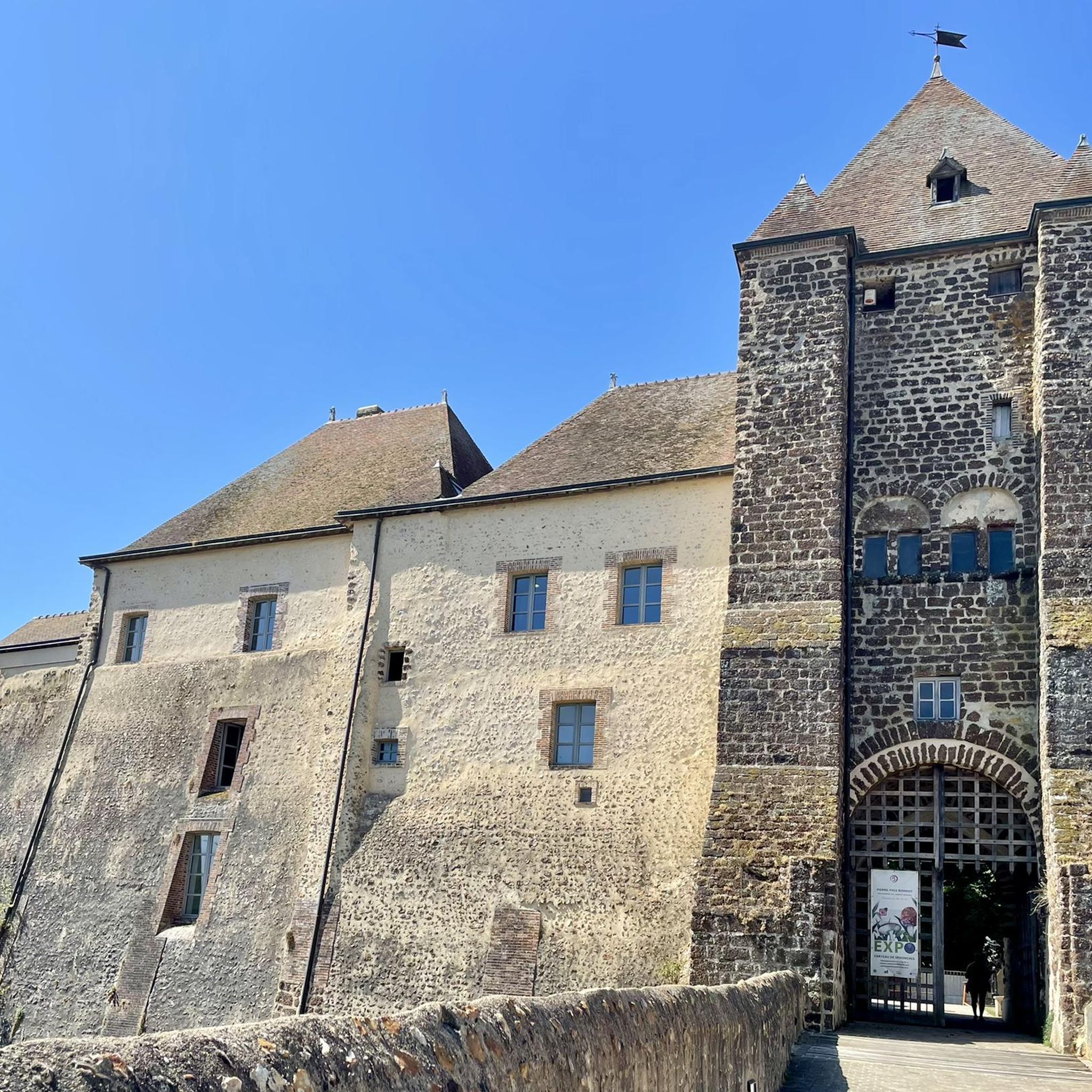
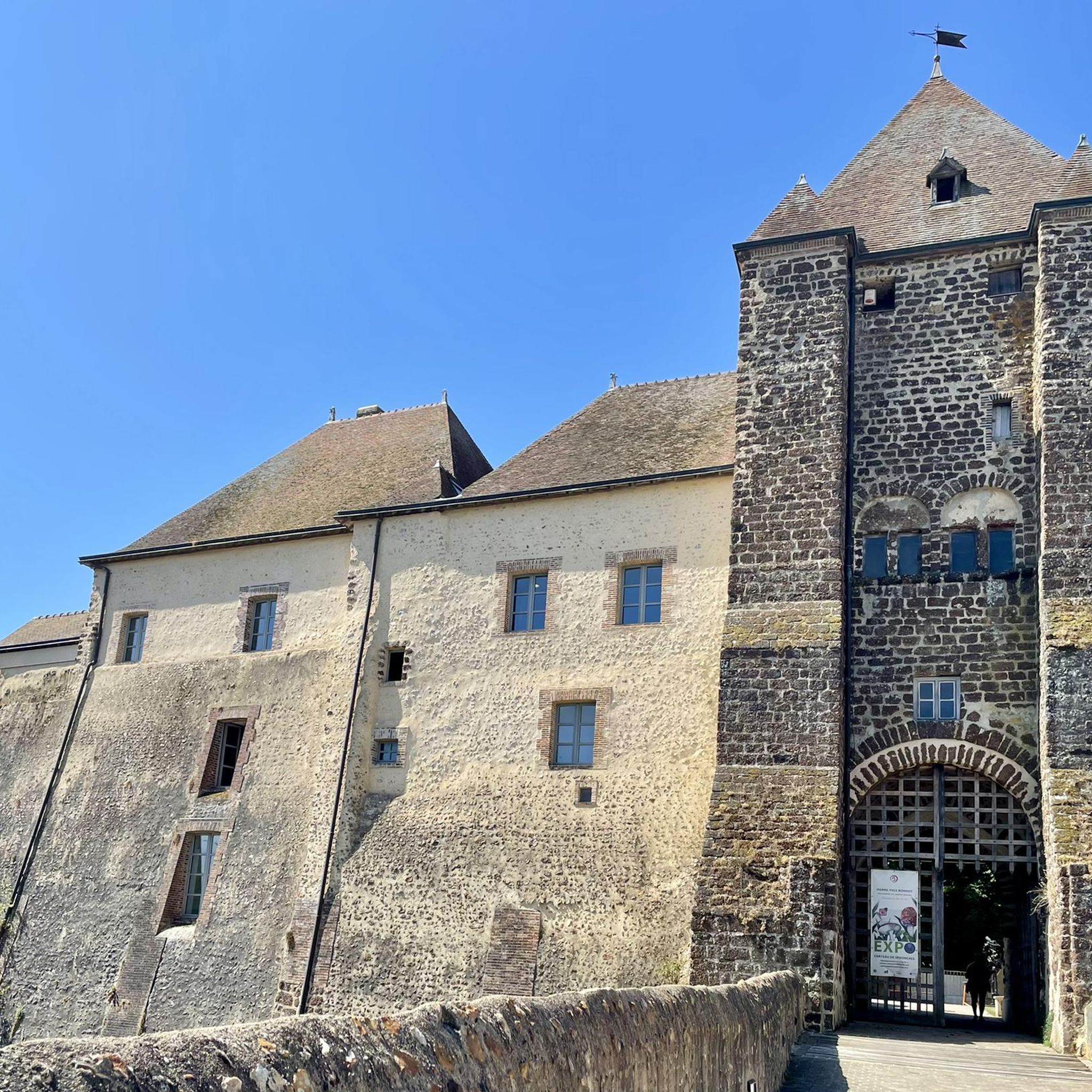
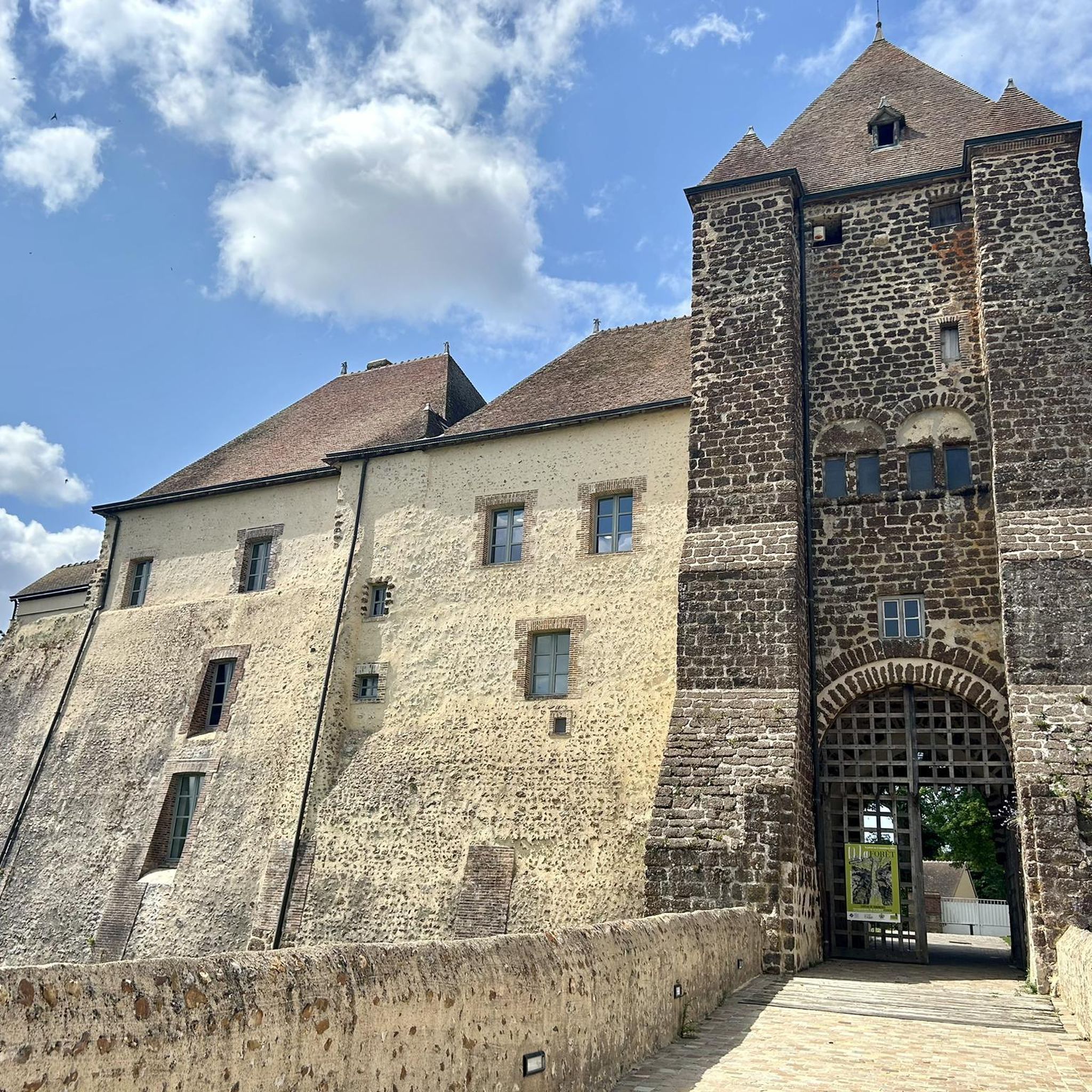
A lovely castle when leaving the Senonches forest in a very cute village.
0
0

The Saint Germain church is located in the heart of the village of Digny in Eure et Loir. It is composed of a large, semicircular wooden nave and a bell tower built of Grison and flint masonry topped by a slate-covered bell tower. Time has taken its toll and caused significant deterioration. Leakage has been observed in the bell tower roof, bays, gutters, and the saddlebag, damaging the framework. Stones are missing or weakened on all the bell tower facades, particularly due to rusty metal elements that are causing them to split. The buttresses are also damaged. Major framework and roofing work on the bell tower was already underway in 2023. Your support has been essential. Today, for the second phase, the work concerns the four facades of the Bell Tower with the restoration of the masonry on the eight buttresses, the creation of the plasterwork, structural work on the bag and the restoration of the bays around the louvers.
0
0
A testimony to the rise in France of the monastic order founded in the 6th century by Saint Benedict, the village has retained the name of the patron saint of the church, Laumer (or Lomer, or L’Homer), son of a ploughman from the Chartres area, educated and ordained priest by the bishop, who appointed him his treasurer. But his vocation was solitude and prayer. Walking up the Eure valley, he came to retire in 558 to this place lost in the forest, which covered the entire region in the Middle Ages. A few companions joined him to share his life as a hermit. And, in 575, Laumer founded, not far from there, the Corbion monastery, where he adopted the rule of Saint Benedict: the profound joy of an austere existence, shared between prayer, study, sung offices and manual work. This monastery attracted inhabitants from the surrounding area who placed themselves under its protection, in this period often troubled by wars and epidemics. Recalled to Chartres, where he died on January 19, 593, Laumer was buried next to Saint Lubin, who had been the great evangelizing bishop of this diocese. But his faithful monks came to surreptitiously remove the body of their holy abbot to bring it back to the monastery. Three centuries later, fleeing the incursions of the Normans, they took his precious relics to Le Mans, then to Blois, where the great Benedictine abbey of Saint-Laumer was built (the old Romanesque abbey church became the church of Saint-Nicolas de Blois). In the 11th century, the Count of Perche reestablished the old monastery of Corbion, which became a priory under the name of Moûtiers, dependent on the abbey of Blois. And, by a charter of 1159. Rotrou IV grants the monks of Moûtiers "the chapel of St-Lomer-du-Pas with four acres of surrounding land". The current church, remodeled in the 19th century, is curious with its narrow bell tower and its rounded apse, which is the oldest part with three large buttresses in roussat sandstone rubble. In the sacristy you can still see the large stone where, according to tradition, the patron saint had left his footprint. This is probably why he was said to have the gift of curing leg pain. Legend has it that he made the water of the Saint-Lomer fountain gush forth with his stick. And the "stick" surmounted by the statue, like those of the brotherhoods of voluntary singers in other parishes, is always carried by a young boy during processions, especially on the Sunday closest to January 19, when the feast of Saint Laumer is celebrated.
0
0
It was heavily remodeled in the 19th century. The bell tower, previously in the center of the roof, was rebuilt as a gable in the 19th century. At that time, the eleven windows were enlarged. Near the Meuvette, to the northeast of the town, are the ruins of an old fortified castle destroyed in 1793.
0
0
Arriving at La Framboisière, you can barely make out the church bell tower which blends in with the tops of the majestic trees of the Senonches forest. A privileged location on the edge of the Perche, rather sought after by second homeowners who represent a quarter of the homes.
0
0

The castle of Senonches. You will find an information point inside.
0
0
Frequently Asked Questions
What kind of terrain can I expect on road cycling routes around Senonches?
The road cycling routes around Senonches primarily traverse the expansive Forêt de Senonches, featuring mostly paved surfaces with low gradients. You'll cycle through ancient sessile oak woodlands and the region's "bocage" countryside, characterized by hedgerows and meadows. Many routes utilize narrow roads and historical alleys, offering a calm and shaded environment within the Perche Regional Natural Park.
Are there road cycling routes suitable for families in Senonches?
Yes, Senonches offers routes suitable for families. The Forêt de Senonches, with its low gradients and shaded, verdant paths, is ideal for family rides. Bicycle rentals, including electric-assist bikes (VAEs) and child trailers, are available in Senonches, making it easier for families to enjoy the trails together.
What historical landmarks can I see while road cycling in Senonches?
Senonches is rich in historical landmarks. You can cycle past the medieval Château de Senonches, which houses a museum. Other notable sites include the romantic Ruins of the Château de La Ferté-Vidame and its park, the 13th-century Chapelle de Réveillon with its mural paintings, and the 17th-century Baroque-style Église Saint-Nicolas. The churches of Senonches, Tardais, and La Framboisière, built from local "pierre de grison," are also worth admiring.
What natural features will I encounter on road cycling routes in the Senonches region?
The primary natural feature is the vast Forêt de Senonches, one of the largest and most diverse forests in the Perche natural region, dominated by sessile oaks. Within the Perche Regional Natural Park, you'll find unique arboreal peat bogs and clearings known as "gâtines" with meadows, hedges, and ponds. The Saint-Denis Church – Saint Eliph Church loop from Ancienne halte de La Ferrière, for example, winds through this scenic "bocage" countryside.
What is the best time of year to go road cycling in Senonches?
The Forêt de Senonches offers beautiful cycling experiences throughout the seasons. Spring brings lush greenery, while autumn transforms the landscape with vibrant colors. The shaded environment of the forest makes it pleasant even during warmer months. Consider visiting in spring or autumn for the most picturesque scenery and comfortable temperatures.
How many road cycling routes are available around Senonches?
There are over 25 road cycling routes available around Senonches, catering to various skill levels. You'll find a good mix of easy rides and more challenging excursions, all highly rated by the komoot community.
What do other road cyclists enjoy most about road cycling in Senonches?
The road cycling routes in Senonches are highly rated by the komoot community, with an average score of 4.4 stars from more than 10 reviews. Cyclists often praise the calm, shaded paths through the dense woodlands of the Forêt de Senonches and the scenic "bocage" countryside, which offers a refreshing escape into nature.
Are there any specific routes that showcase the natural beauty of the Forêt de Senonches?
Absolutely. Routes like the Château de Senonches – Notre-Dame Church of Senonches loop from Senonches and the Notre-Dame Church of Senonches – Château de Senonches loop from Senonches lead directly through the heart of the Forêt de Senonches, offering shaded paths and immersive forest experiences.
Where can I find services for cyclists in Senonches?
Senonches is an "Accueil Vélo" labeled destination, indicating a welcoming and service-oriented environment for cyclists. This means you can typically find services such as bicycle rentals, including electric-assist bikes and child trailers, and potentially accommodation with bike storage, though specific establishments should be checked locally.
Are there any circular road cycling routes in Senonches?
Yes, many of the road cycling routes around Senonches are designed as loops, allowing you to start and end in the same location. Examples include the Château de Senonches – Ferté-Vidame Castle loop from Senonches and the Senonches Castle – Château de Senonches loop from Senonches, which offer convenient circular journeys through the region's landscapes and past its attractions.
What is the typical elevation gain on road cycling routes in Senonches?
The road cycling routes in Senonches are generally characterized by low gradients, making them accessible for various fitness levels. For example, an easy route like the Château de Senonches – Notre-Dame Church of Senonches loop from Senonches has an elevation gain of around 196 meters over 41.6 km, while a moderate route like the Saint-Denis Church – Saint Eliph Church loop from Ancienne halte de La Ferrière has about 713 meters of elevation gain over 75.3 km.
Can I rent bicycles in Senonches?
Yes, bicycle rentals are available in Senonches. This includes electric-assist bikes (VAEs) and child trailers, providing options for different preferences and family needs, allowing you to explore the local routes even if you don't bring your own equipment.
Most popular attractions around Senonches

Get inspired with the komoot mobile app


Explore more
Browse the best Road cycling routes in other regions.
