The best road cycling routes around Friaize
4.5
(29)
495
riders
148
rides
Road cycling around Friaize offers diverse terrain within the Eure-et-Loir department, characterized by relatively flat agricultural landscapes of the Beauce region. The area transitions to rolling hills and woodlands in the nearby Perche Regional Natural Park. Cyclists can also explore the peaceful Loir Valley, which features charming villages and natural beauty. The region provides a network of quiet roads and dedicated paths suitable for various skill levels.
Best road cycling routes around Friaize
- The most popular road cycling route is…
Last updated: July 2, 2026
Hard road ride. Very good fitness required. Mostly well-paved surfaces and easy to ride.
19
riders
109km
04:55
860m
860m
Moderate road ride. Good fitness required. Mostly well-paved surfaces and easy to ride.

Sign up for free
9
riders
62.5km
02:28
250m
250m
Moderate road ride. Good fitness required. Mostly well-paved surfaces and easy to ride.
7
riders
37.3km
01:28
170m
170m
Easy road ride. Great for any fitness level. Mostly well-paved surfaces and easy to ride.
7
riders
54.8km
02:11
240m
240m
Moderate road ride. Good fitness required. Mostly well-paved surfaces and easy to ride.
Get access to more routes and recommendations from other explorers.
Sign up for free
Already have an account?
Our route recommendations are based on thousands of hikes, rides, and runs completed by other people on komoot.
Start today with a free account
Your next adventure awaits.
Login or Signup
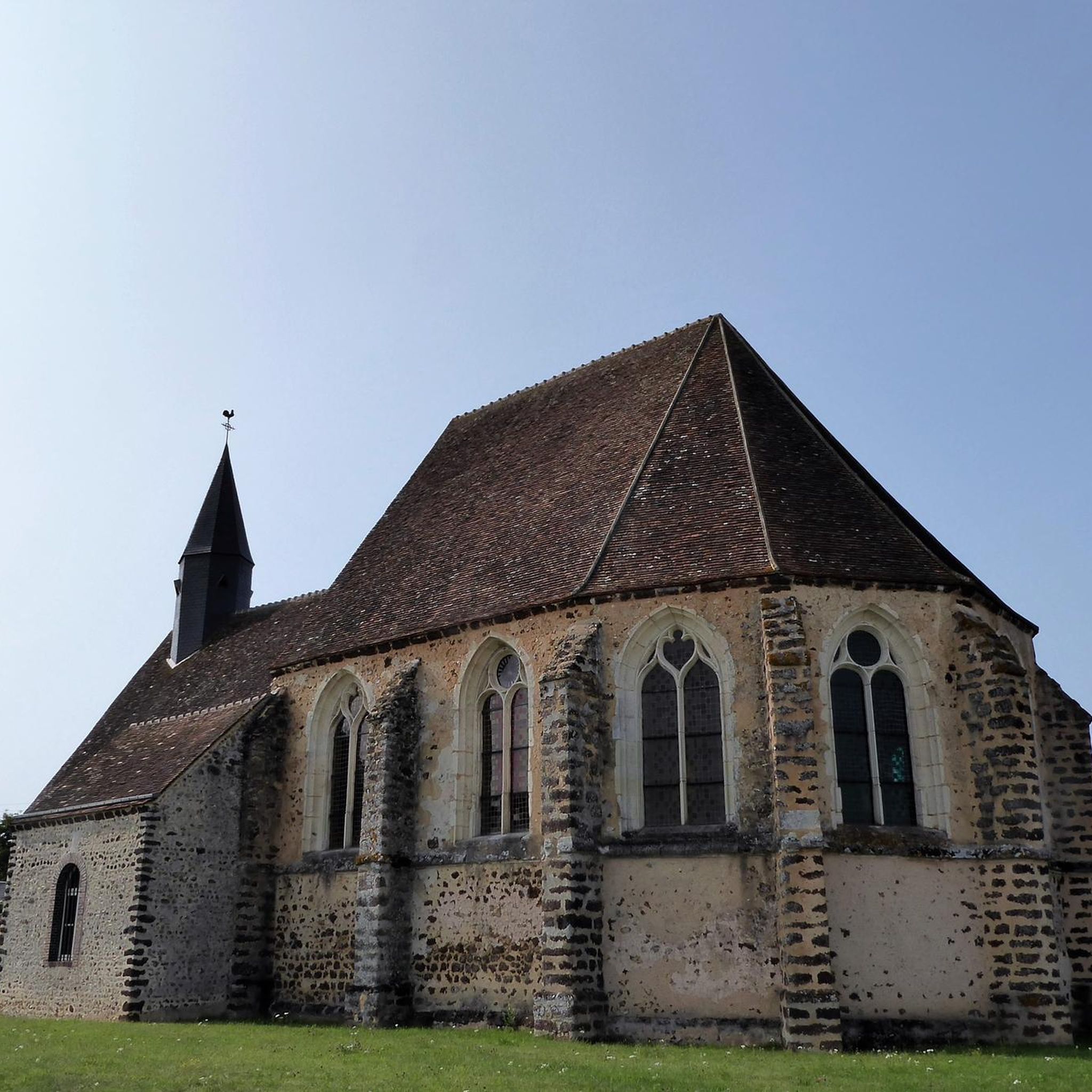

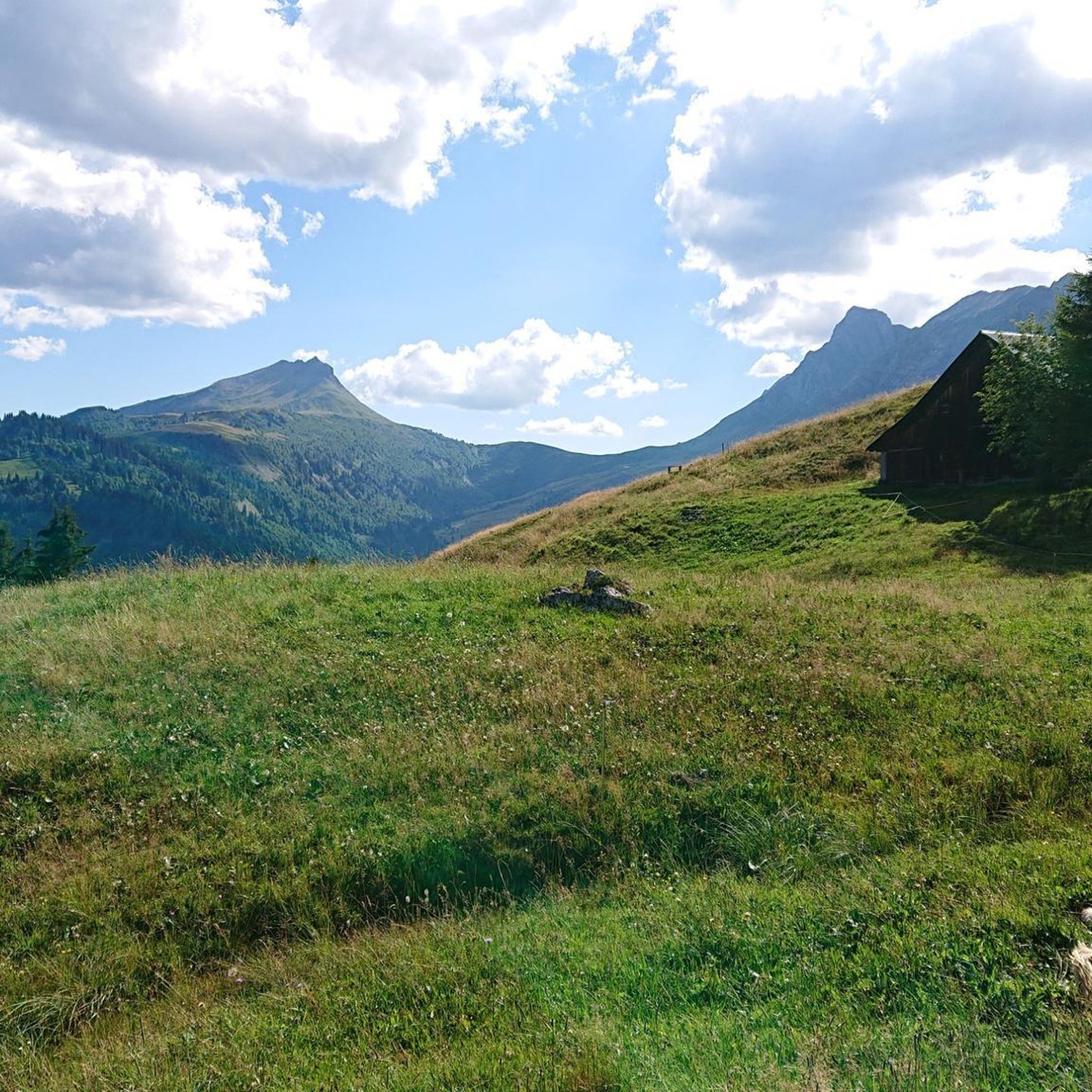

Tips from the Community


Formerly La Loupe, Vaupillon and Saint Eliph formed only one parish called the Trinity of the Woods. The church contains a set of 3 painted stone altarpieces from the 17th century. One is dated 1646 and signed Delahays: it includes 3 sculptures: a trunk of grace, representation of the trinity in which God the father holds before him his son on the cross, the dove of the Holy Spirit hovering above his head You can also see a statue of the local saint in painted and gilded stucco and a Saint Sebastian in painted stucco, characteristic of the counter-reformation. A small chapel to the north was added in the 19th century which contains a pieta.
0
0

The castle of Senonches. You will find an information point inside.
0
0
Possibility of taking a walk in the park adjoining this beautiful ruin.
0
0
Beautiful little village, typical of the region.
0
0
A beautiful straight line with an arrival at this fortified farm and its adjoining church!
0
0
CHURCH SAINT NICOLAS (17th century) The town of La Ferté-Vidame takes its name from the Latin Firmitas Castrum which means the fortified villa belonging to the vidame'. Its primitive church existed from the 12th century. We find it mentioned in a charter dated 1136 under the name “Ecclesia Sancti Nicolai de Firmitate”. Under the Ancien Régime, the rectory which was at the disposal of the abbot of Saint-Vincent-des-Bois became an annex of the parish of Lamblore. This particular situation of a chief town of a castellany belonging to a rural parish is explained by the detachment of the original parish from the territory around the castle. Successor to the Huguenot heirs, Claude de Rouvroy de Saint-Simon, proclaimed by the grace of Louis XIII duke and peer of France, acquired the La Ferté estate in 1632. In order to erase all traces of Protestantism, of which the church had become over the centuries a very active platform, the Duke of Saint-Simon ordered in 1658 the demolition of the original church to replace it on the same site with the current building. The work was carried out promptly. On November 1, 1659, the Saint-Nicolas church was blessed by Messire Louis Oudard de Germens, canon priest of Chartres. Classic in style with its homogeneous and ordered composition, the church was built according to a plan in the shape of a Latin cross. Its construction was inspired by the drawings of the famous Italian architect, Andrea di Pietro Palladio, whose sketches Duke Saint-Simon had brought back from Spain. The architecture remains faithful to the marriage of stone and brick while giving this alternation a fanciful touch. Very majestic, the facade is built according to the Italian pattern (bossed pilasters, superposition of orders, pediment, volutes), a style also in vogue in France since 1630. The arms of the Saint-Simon family were engraved on a stone at the pediment of the portal and on two others on either side of the portal. They were burned during the Revolution. Today, only the date engraved on the frieze remains: 1659. 16 59 Square in plan, the bell tower, which adjoins the church in the northern part, is topped with a dome surmounted by a lantern. Two bells are housed in the bell tower: one dates from 1762, the second from 1813. The history of the church is closely intertwined with that of the lords of the parish, including the families Saint-Simon, Laborde, Bourbon-Penthievre and Bourbon-Orléans remain the most famous. Grandstands accessible from the outside and opening onto the side chapels recall their presence. In 1743, at the request of Louis de Saint-Simon, a great memoirist, the family vault was built in the Chapel of the Resurrection. A slab on the ground marks the location of the grave. Unfortunately, during the Revolution, the tombs were desecrated, the bones of the benefactors were extracted from the vault and scattered in a common grave dug at the apse of the church. The church was the subject of significant restorations at the end of the 18th century and the beginning of the 19th century, including the interior ornamentation of the building which is a manifestation of the neo-classical style.
2
0
Frequently Asked Questions
How many road cycling routes are available around Friaize?
There are over 140 road cycling routes around Friaize, catering to various skill levels. This includes 47 easy routes, 85 moderate routes, and 16 difficult routes, offering a wide range of options for exploration.
Are there easy road cycling routes suitable for beginners in Friaize?
Yes, Friaize offers a good selection of easy road cycling routes perfect for beginners. For example, the Saint Eliph Church – Friaize Church loop from Les Corvées-les-Yys is an easy 37.3 km (23.2 miles) route that takes about 1 hour 28 minutes to complete, providing a gentle introduction to the area's landscapes.
What kind of terrain can I expect when road cycling around Friaize?
Road cycling around Friaize offers diverse terrain. You'll primarily encounter the relatively flat agricultural landscapes of the Beauce region, known as the 'granary of France,' with vast fields. As you venture further, the terrain transitions to the rolling hills and woodlands of the nearby Perche Regional Natural Park and the peaceful river valleys of the Loir. The region provides a network of quiet roads and dedicated paths.
Are there any longer, more challenging road cycling routes for experienced cyclists?
Yes, experienced cyclists can find challenging routes around Friaize. The Senonches, Châteauneuf-en-Thymerais, Courville-sur-Eure — grande boucle de Pontgouin is a difficult 124.6 km (77.4 miles) trail that takes approximately 5 hours to complete, traversing multiple towns and offering an extensive exploration of the regional landscape.
Can I find circular road cycling routes in the Friaize area?
Many of the road cycling routes around Friaize are circular, allowing you to start and end at the same point. An example is the Château de Senonches – Ferté-Vidame Castle loop from Pontgouin, a moderate 109.4 km (68.0 miles) path that features historical castles and scenic countryside.
What natural features or landscapes will I encounter on road cycling routes near Friaize?
You'll experience a variety of natural beauty. The Beauce area offers vast agricultural plains, while the Perche Regional Natural Park provides picturesque rolling hills, hedged farmland, and woodlands. The Loir Valley features charming villages and peaceful countryside along the Loir River. You might also encounter significant forested areas like the Forêt Domaniale de Senonches, offering shaded routes.
Are there historical sites or attractions to see along the road cycling routes?
Yes, the region around Friaize is rich in historical sites and attractions. You can find religious heritage sites such as Saint-Jacques Church of Montlandon and Saint Germain Church. The Château de Senonches – Ferté-Vidame Castle loop from Pontgouin route, for instance, passes by historical castles. The Loir Valley also features numerous châteaux and charming villages.
What do other cyclists say about road cycling in Friaize?
The road cycling routes around Friaize are highly rated by the komoot community, with an average score of 4.5 stars from over 26 reviews. Cyclists often praise the varied terrain, from the open plains of Beauce to the rolling hills of the Perche Regional Natural Park, and the network of quiet roads suitable for different ability levels.
What is the best time of year for road cycling around Friaize?
The spring and summer months are generally ideal for road cycling around Friaize. In spring, you can enjoy the vibrant fields of canola, while summer offers golden barley fields and pleasant weather. The region's relatively flat terrain makes it accessible for cycling for much of the year, though winter rides would require appropriate gear.
Are there options for road cycling routes that pass by cafes or places to stop?
While specific routes passing cafes are not detailed, the region's charming villages and towns, particularly in the Loir Valley and around Chartres, offer opportunities for refreshment stops. You might find local markets and cafes in towns like Illiers-Combray, Bonneval, and Châteaudun. The Bar de la Rivière is one such highlight in the area.
How can I access road cycling routes around Friaize using public transport?
Friaize itself is a small commune, but its advantageous position within Eure-et-Loir means you can access the wider cycling network. The metropolitan area of Chartres, about 26 km from Friaize, is developing an interconnected urban and natural network of cycle paths. For detailed public transport options to reach starting points of routes, it's advisable to check local transport services for connections to towns like Chartres or Pontgouin.
Where can I find parking for road cycling routes in Friaize?
While specific parking locations for individual routes are not listed, many routes start from or pass through towns and villages such as Pontgouin or Saint-Denis-des-Puits, where public parking is generally available. It's recommended to check local town maps or use navigation apps for parking facilities near your chosen route's starting point.
Are there any specific regional cycle routes that pass through or near Friaize?
Yes, Friaize is well-positioned to access several significant regional cycle routes. The Veloscenic Cycle Route, extending from Paris to Mont-Saint-Michel, traverses Eure-et-Loir. Sections of the Camino de Santiago Route also pass through the department. Additionally, the Loir Valley by Bicycle (V47) offers quiet lanes and picturesque scenery through the Loir Valley, providing extensive cycling opportunities.
Most popular attractions around Friaize

Get inspired with the komoot mobile app


Explore more
Browse the best Road cycling routes in other regions.
