Attractions and Places To See around Assay - Top 20
Best attractions and places to see around Assay, a commune in central France, provide access to the rich historical, cultural, and natural sites of the Loire Valley. The region is characterized by its historical castles, significant natural areas like the Étang d'Assay, and its location within the Loire-Anjou-Touraine Regional Nature Park. Visitors can explore a diverse range of landmarks, natural features, and cultural sites in the immediate vicinity. The area offers opportunities for exploring French history, nature, and local heritage.
Best attractions and places to see around Assay
- The most popular attractions is Château du Rivau, a castle known for its fairy-tale gardens and contemporary art installations. This lovingly restored castle features an interesting art exhibition and beautiful gardens recognized as "remarkable gardens" by the Ministry of Culture.
- Another must-see spot is Greenway from Chinon to Richelieu, a cycle way. This pleasant cycling path, largely made of fine gravel, follows the right-of-way of an old railway line, offering scenic landscapes.
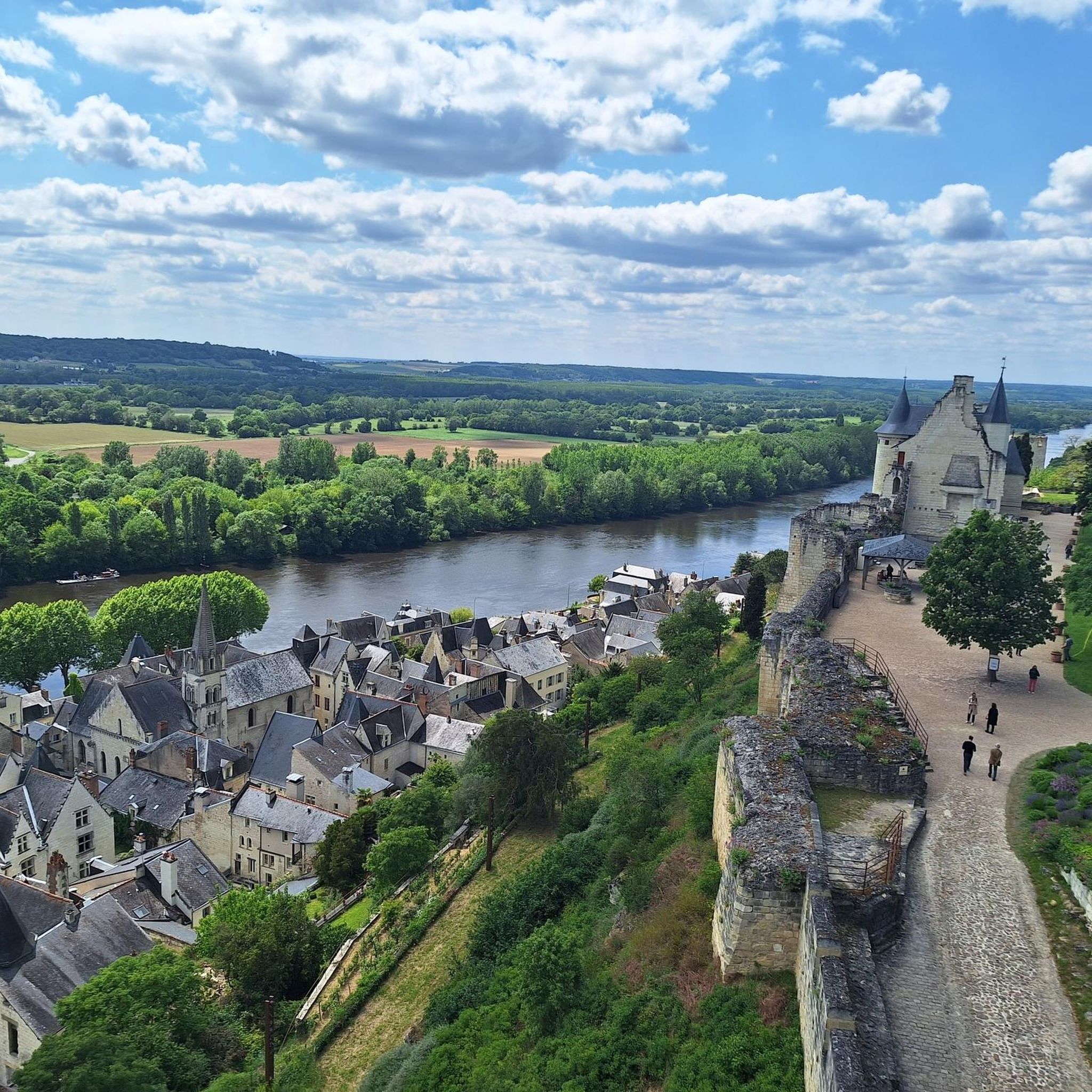
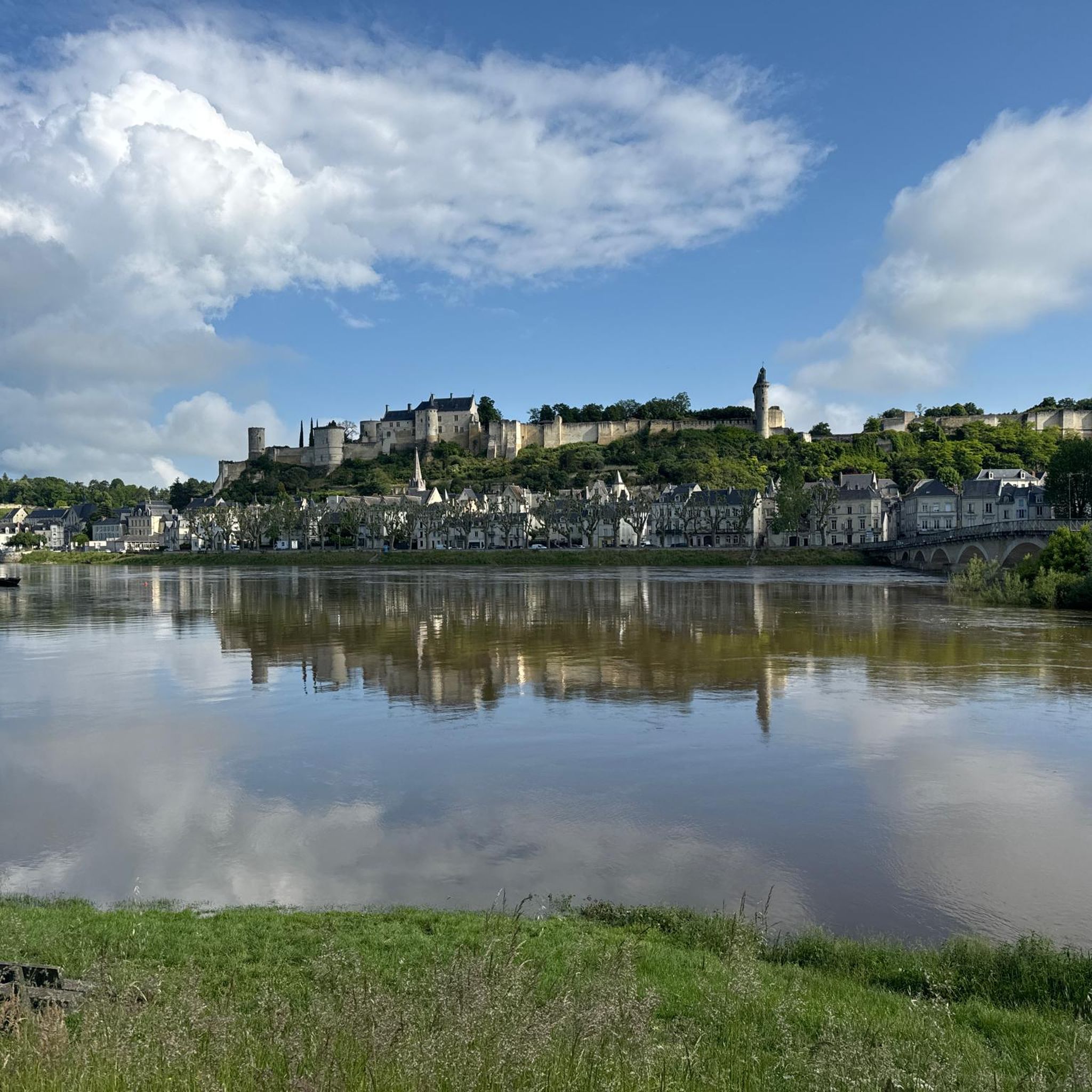
- Visitors also love Royal Fortress of Chinon, a castle of great importance in French history. This site has been occupied for 3,000 years and played a crucial role, notably as the place where Joan of Arc met the Dauphin.
- Assay is known for its historical castles, natural areas, and cycling routes. The region offers a variety of attractions to see and explore, from medieval fortresses to picturesque greenways.
- The attractions around Assay are appreciated by the komoot community, with more than 260 upvotes and 130 photos shared by visitors.
Last updated: October 10, 2026
Royal Fortress of Chinon
Highlight • Castle
Translated by Google •
Tip by

Château du Rivau
Highlight • Castle
Translated by Google •
Tip by

Sign up now to discover places like this
Get recommendations on the best single tracks, peaks, & plenty of other exciting outdoor places.
Sanctuary of Our Lady of Rivière
Highlight • Religious Site
Translated by Google •
Tip by

Greenway from Chinon to Richelieu
Highlight • Cycleway
Translated by Google •
Tip by
Joan of Arc statue
Highlight • Other
Historical context: She is one of the greatest heroines in French military history. She played a decisive role in the Hundred Years' War (1337-1453) but was handed over to the English by the Burgundians, after which she ended up at the stake. Joan of Arc, canonized in 1920, was an extraordinary young woman.
Translated by Google •
Tip by

Sign up for free to discover even more attractions around Assay.
Already have an account?
Start today with a free account
Your next adventure awaits.


Tips from the Community

History in brief Antiquity: the site is strategically located on a promontory and has been inhabited for 3,000 years. It was not fortified until the end of the Roman Empire. Middle Ages: in 1154, the new King of England, Henry II Plantagenet, became ruler of an empire stretching from Scotland to the Pyrenees and made Chinon his continental capital. He had a large palace built next to the fortress, which has now disappeared. In 1189, abandoned by his sons, Richard the Lionheart and John Lackland, and fleeing from the King of France, he eventually died there. Philippe Auguste had the defensive Tour du Coudray built there after the siege of 1205. Renaissance: in 1454, the fortress became the main residence of Queen Marie d'Anjou, who lived there without her husband. She spent lavishly on decorating the house to her taste. From the 16th century onwards, the fortress was gradually abandoned and fell into disrepair. Despite the dangerous nature of the terrain, it became a public promenade in 1824 and was listed as a monument in 1840. The restoration of the estate began in 1854 thanks to the efforts of the writer Prosper Mérimée. Source: https://loirelovers.fr/en/visit-royal-fort-chinon/
6
0
Here she is, the national heroine of France. Historical context: She is one of the greatest heroines in French military history. She played a decisive role in the Hundred Years' War (1337-1453) but was handed over to the English by the Burgundians, after which she ended up at the stake. Joan of Arc, canonized in 1920, was an extraordinary young woman.
5
0

A must-see: the Happy-culteurs of Champigny sur Veude (the station).
0
0

Beautiful gardens and an art collection in the castle.
0
0

Seen from the outside, this little church doesn't look like much, and you have to go through the front door to discover this hidden gem. Its walls, entirely covered with decorations and motifs painted during several campaigns over the centuries, restore the original appearance of Romanesque churches with a state of conservation that is quite rare in France. The Notre-Dame de Rivière church was built between the 10th and 11th centuries. Legend has it that Saint Martin founded the early church on a site already devoted to prayer. Today, it has a choir, a crypt and recumbent figures dating from the 16th century, as well as remarkable exterior sculptures. But it is above all the 11th century frescoes, recently restored, which add to the historical richness of this building. Legend has it that Joan of Arc passed there, but this is not corroborated by any contemporary testimony, however Charles VII made a pilgrimage there.
0
0

The road out of Chinon towards the Loire, to get back on the Eurovelo 6 (towards Tours) had huge hills beyond my skill set with a lot added bike. Check elevations. I ended up catching a train two stops.
0
0


This dynamic statue of Chinon created by Jules Roulleau was offered by the sculptor to the city where Joan of Arc met the Dauphin for the first time in 1429. The statue represents Joan of Arc galloping over the bodies of her defeated enemies.
0
0
Frequently Asked Questions
What historical sites can I visit near Assay?
The region around Assay is rich in history. You can explore the Royal Fortress of Chinon, a historically significant castle where Joan of Arc met the Dauphin. Another notable site is Château du Rivau, known for its fairy-tale gardens and contemporary art installations. Further afield, you'll find the UNESCO World Heritage site of Fontevraud Abbey, the burial place of historical figures like Eleanor of Aquitaine and Richard the Lionheart, and the picturesque Château d'Ussé, often called "Sleeping Beauty's castle."
Are there any natural attractions or parks to explore around Assay?
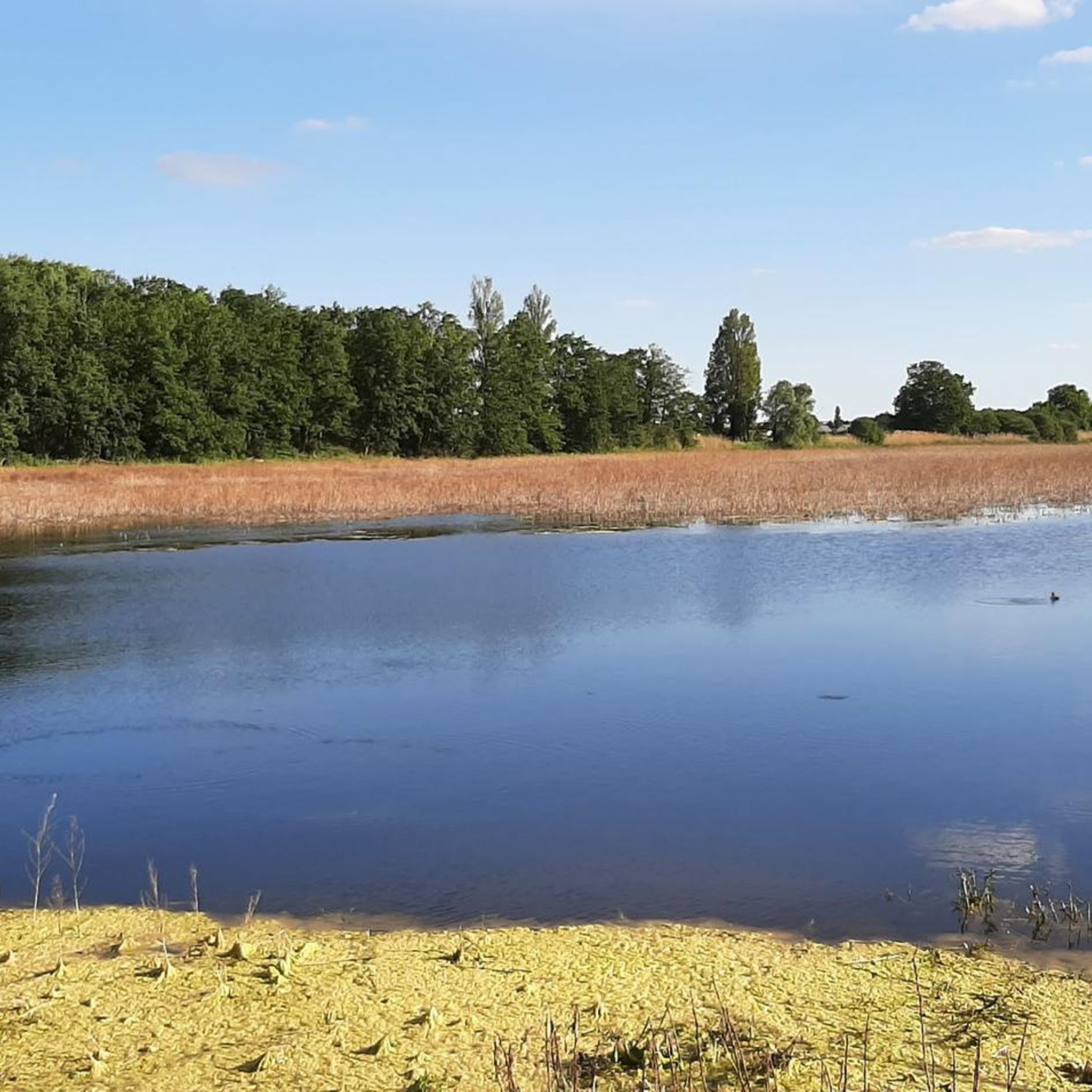
Yes, Assay is situated within the Loire-Anjou-Touraine Regional Nature Park, offering diverse natural landscapes. A significant local natural area is the Étang d'Assay, a large pond and wetland important for bird nesting and wintering, featuring an interpretive trail and ornithological observatory. You can also explore the vast Chinon Forest, known for its diverse ecological sites and wildlife, or the Courtineau Valley with its unique troglodyte dwellings and rock-hewn chapel.
Are there family-friendly attractions around Assay?
Many attractions near Assay are suitable for families. The Château du Rivau, with its themed gardens and art, is particularly engaging for children. The Royal Fortress of Chinon offers a high-tech "histopad" guided tour, an Escape Game, and family events during holidays. Additionally, the Greenway from Chinon to Richelieu provides a safe and pleasant cycling path for all ages.
What cycling opportunities are available near Assay?
Cycling is a popular activity in the area. The Greenway from Chinon to Richelieu is a pleasant path, largely made of fine gravel, following an old railway line, perfect for a leisurely ride. For more extensive road cycling, you can find various routes around Assay, including easy to moderate loops like the "Champigny-sur-Veude – Château des Brétignolles loop from Assay." Discover more road cycling routes on the Road Cycling Routes around Assay guide.
Can I find hiking or running trails near Assay's attractions?
Yes, there are several options for hiking and running. The Étang d'Assay features an interpretive trail for a gentle walk. For more dedicated running, you can find moderate trails such as the "Running loop from Château du Rivau" or the "Chateau de Basché – Château de Basché loop from Assay." Explore more running trails in the area on the Running Trails around Assay guide.
Are there mountain biking trails in the Assay area?
Absolutely. The region offers a variety of mountain biking trails, ranging from moderate to challenging. You can find routes like the "Royal Fortress of Chinon – Royal Fortress of Chinon loop from Rivière" or the "Richelieu – Notre-Dame Church loop from Chinon." For a comprehensive list and details, refer to the MTB Trails around Assay guide.
What is the best time of year to visit Assay and its surrounding attractions?
The Loire Valley, including Assay, is generally best visited from spring to early autumn (April to October). During these months, the weather is pleasant for exploring castles, gardens, and outdoor activities. Spring brings blooming gardens, while summer offers warm days perfect for cycling and river activities. Autumn provides beautiful foliage and is ideal for wine tasting.
Are there any charming villages or towns near Assay worth visiting?
Yes, several picturesque villages and towns are close by. Chinon, with its medieval center and impressive fortress, is a must-visit. Crissay-sur-Manse and Candes-Saint-Martin are both classified as two of France's "Most Beautiful Villages," offering charming stone houses, narrow streets, and historical architecture. Richelieu, known for its unique urban planning, also hosts lively markets.
Can I explore the famous Loire Valley wine regions from Assay?
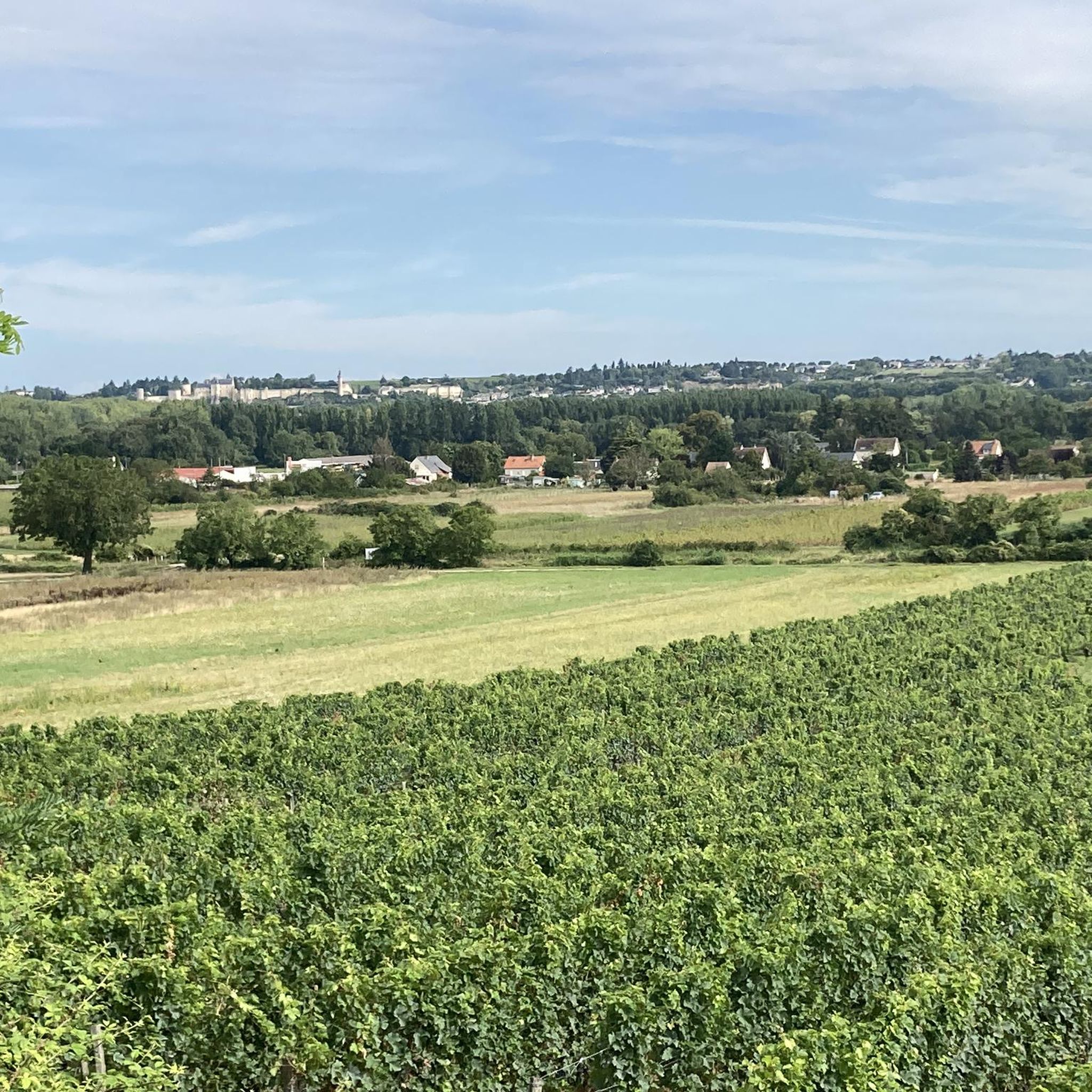
Assay is ideally located for exploring the renowned Loire Valley wine regions. You are in close proximity to significant wine-producing areas such as Chinon, Vouvray, and Bourgueil. Many vineyards offer opportunities for wine tasting and cellar tours, allowing you to discover the local viticulture and sample regional wines.
What do visitors particularly enjoy about the attractions around Assay?
Visitors frequently praise the historical depth and natural beauty of the area. The Royal Fortress of Chinon is highly regarded for its historical significance and engaging modern exhibits. The Château du Rivau is loved for its beautifully restored castle, unique art exhibitions, and "remarkable gardens." The scenic Greenway from Chinon to Richelieu is appreciated for its pleasant landscapes and car-free cycling experience.
Are there any unique troglodyte sites to visit near Assay?
Yes, the Courtineau Valley, located near Assay, is known for its unique troglodyte dwellings. These fascinating homes and structures are built directly into the rock face, offering a glimpse into a distinctive form of historical architecture. You can also find a chapel built into the rock and restored washing places in this valley.
Where can I find local markets near Assay?
For a taste of local life and produce, you can visit the markets in nearby towns. Richelieu, just 7 km from Assay, and Chinon, about 12 km away, both host lively markets on various days of the week. These markets are excellent places to find regional specialties, fresh produce, and artisanal goods.
Most popular attractions around Assay

Get inspired with the komoot mobile app


Explore more
Still not found the Highlight you’re looking for? See guides of the top attractions in other regions:
