Attractions and Places To See around Villetelle - Top 20
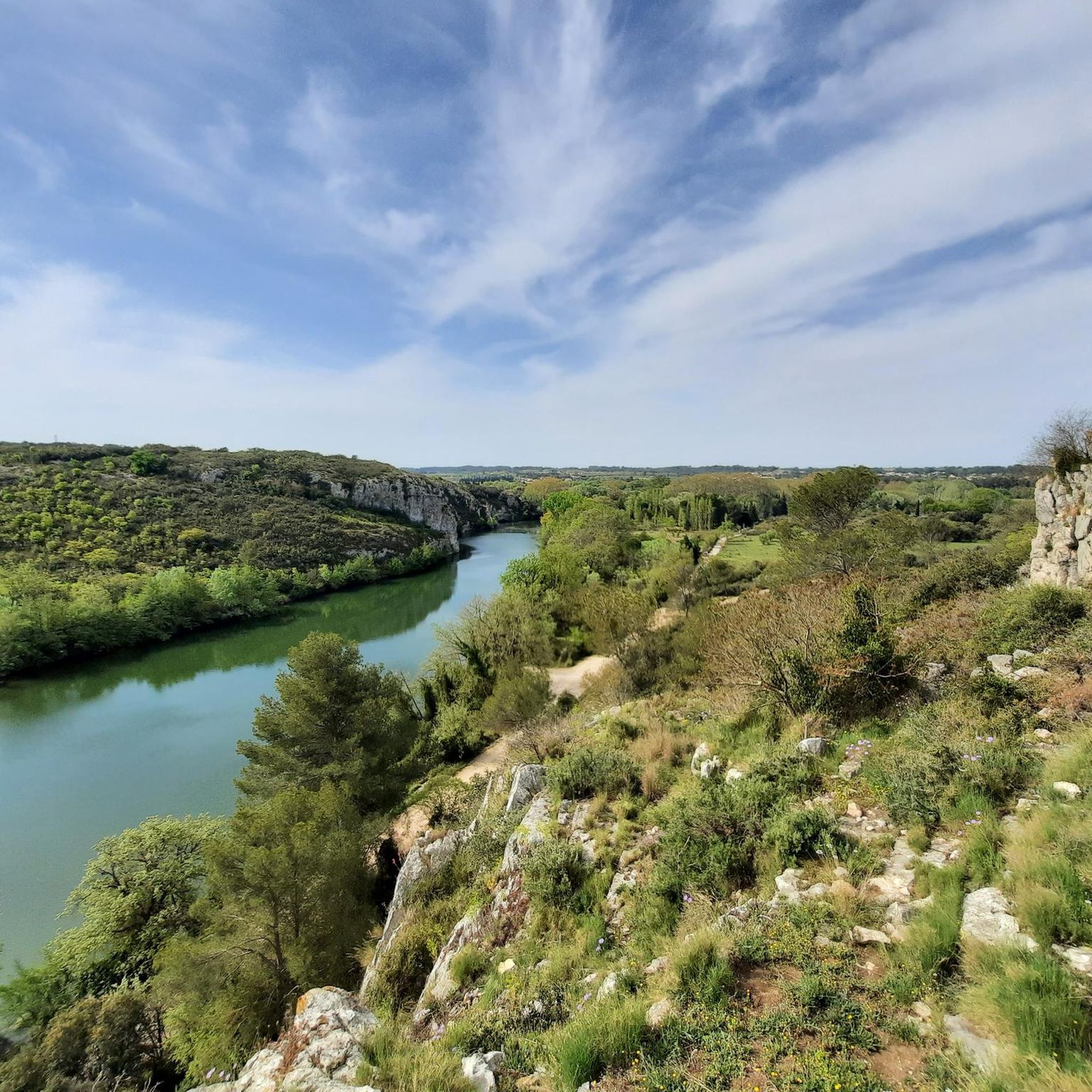
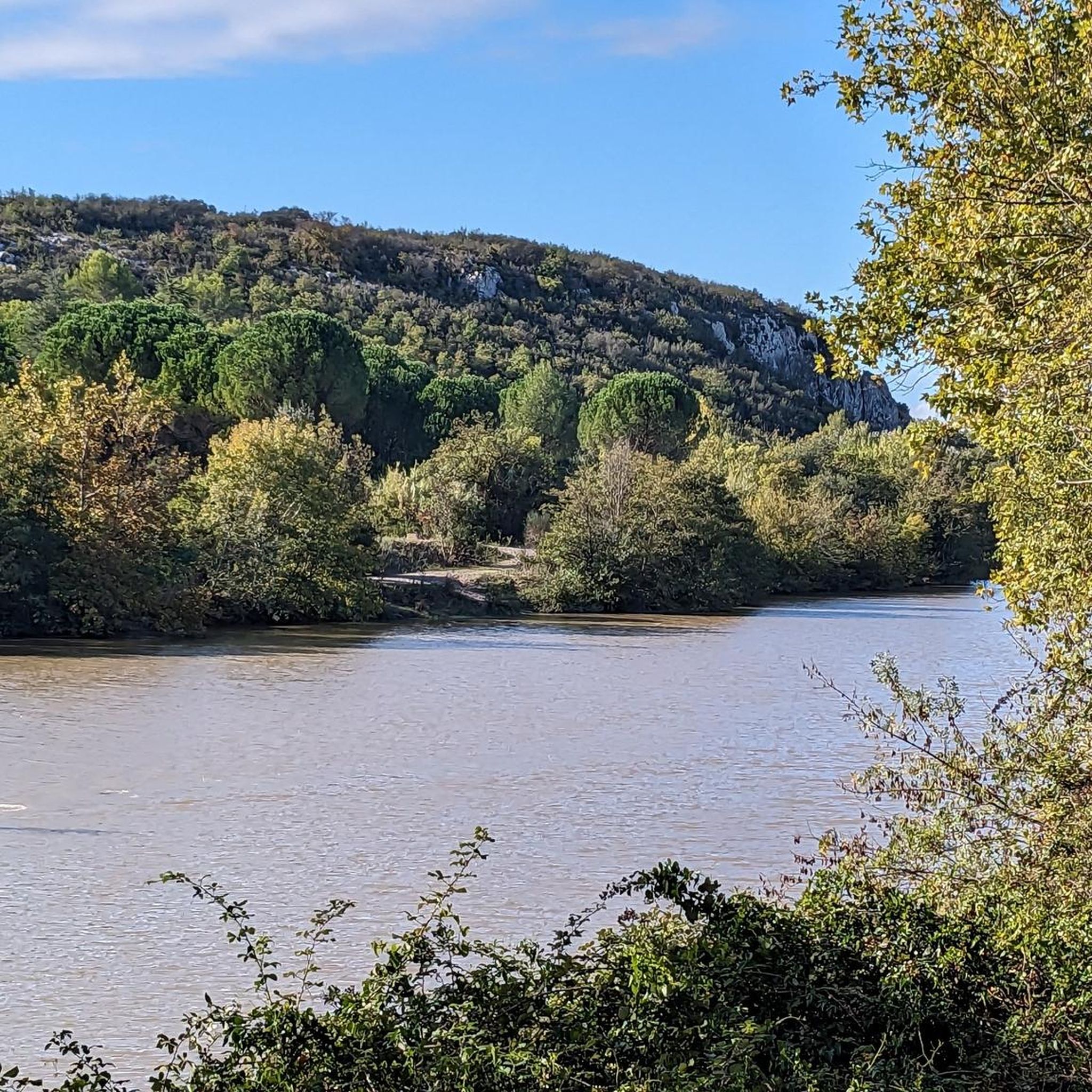
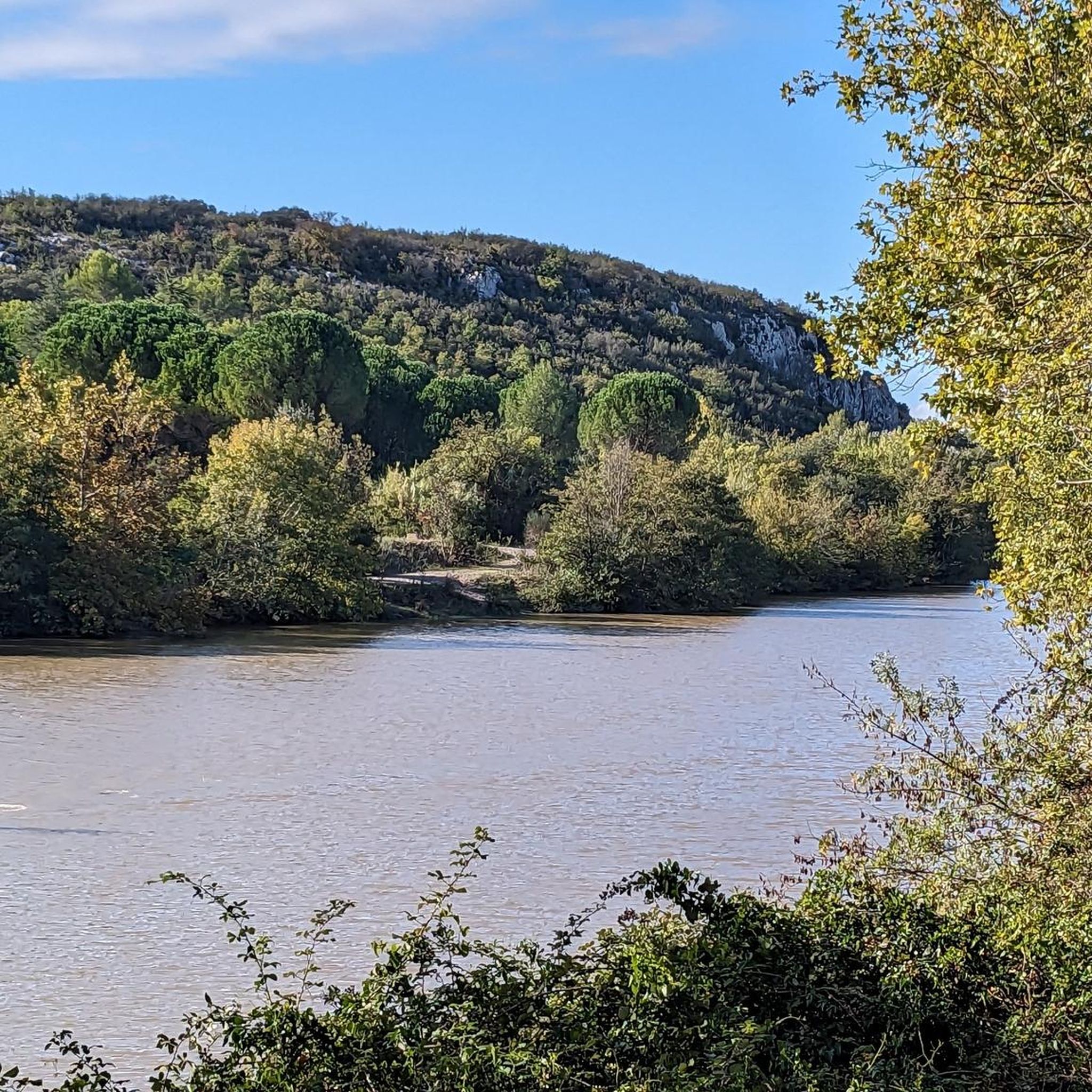
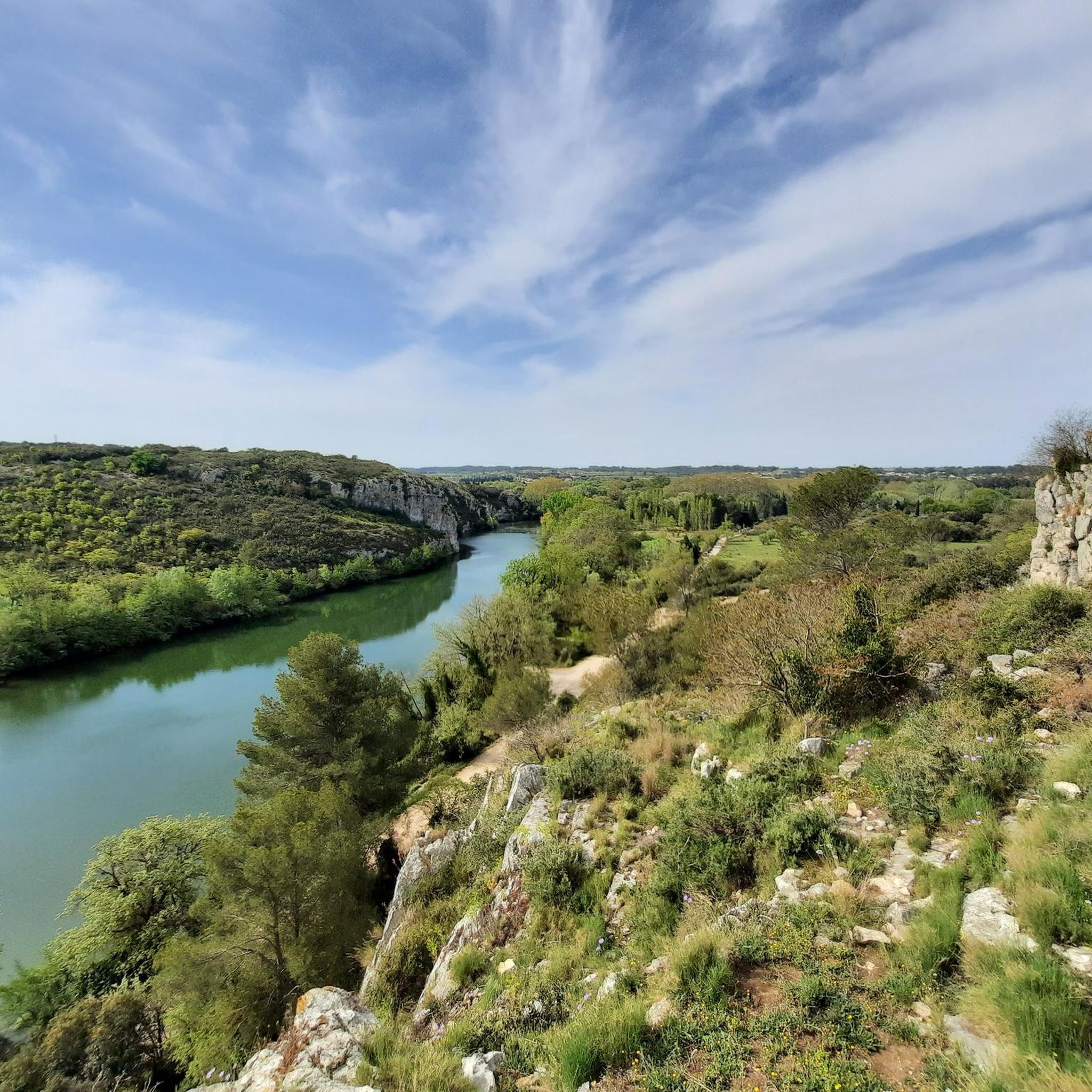
Best attractions and places to see around Villetelle include a blend of ancient history and characteristic regional landscapes. The village, situated in the Hérault department of France, is known for its Roman past and natural beauty. It lies on the banks of the Vidourle River, an area recognized for its preserved ecosystem. The surrounding garrigue offers opportunities to explore traditional dry-stone shelters.
Best attractions and places to see around Villetelle
- The most popular attraction is Carrières de Junas, an…
Last updated: June 23, 2026
Oppidum of Ambrussum – dwellings in the southern quarter
Highlight • Other
Translated by Google •
Tip by

Former Bon Temps quarries
Highlight (Segment) • Other
Translated by Google •
Tip by

Sign up now to discover places like this
Get recommendations on the best single tracks, peaks, & plenty of other exciting outdoor places.
Sign up for free
Carrières de Junas
Highlight • Structure
Translated by Google •
Tip by

Ambrussum museum and archaeological site
Highlight • Historical Site
Translated by Google •
Tip by

Saint-Saturnin Church of Aimargues
Highlight • Religious Site
Translated by Google •
Tip by

Sign up for free to discover even more attractions around Villetelle.
Sign up for free
Already have an account?
Start today with a free account
Your next adventure awaits.
Login or Signup

Tips from the Community

The Church of Saint-Saturnin in Aimargues is a Catholic church built in the 19th century to replace the former Church of Sainte-Croix. It was consecrated in 1879. It is particularly distinguished by its neo-Gothic architecture, its 19th-century stained-glass windows, and the presence of the relics of Saint Artimidora.
0
0

Aimargues, with its small streets and lively market, is very lively.
0
0

Redeveloped in 1987 by a small group of villagers (Association les Carrières du Bon Temps), the site also serves as the venue for numerous festivities, including a very famous annual jazz festival (“Jazz à Junas” festival) in July. In addition, since 1988, JUNAS has been organizing the Rencontres de la Pierre, where novices, passionate amateurs or professional stonemasons have been meeting for 24 years and exchanging the history, techniques and know-how of these wonderful stone crafts.
0
0
A really great atmosphere there. You can stay there for a long time and take a break at the stone table in the shade under the tree. It is worth it ..
0
0

The site and the museum of Ambrussum (entrance to which is free) allow you to take a fascinating journey through time and discover this ancient Oppidum located on the banks of the Via Dommicia linking the Alps to the Pyrenees. Guided tours are also possible. Do not hesitate to consult the website.
1
0

A grandiose and magical place, forged by more than 2000 years of rock quarrying using an unchanged manual method, hundreds of cubic meters of stone quarried there were used in particular to build the Pont de Sommières, then later in Aigues-Mortes and Vigan .
8
0
Les Carrières de Junas, or quarries of Good Time, is the site of an old stone quarry exploited since Antiquity and whose shapes evoke human constructions.
3
0

Crossed by the oldest road built in Roman times, the Via Domitia, and located on the banks of the Vidourle, the archaeological site of Ambrussum offers lovers of old stones a landscape steeped in history. The Ambrussum site encourages the visitor to discover the Ambroix bridge, the remains of old dwellings, a public building and an Oppidum classified as a Historic Monument. One can also observe the cobbled lane, the main artery of the Oppidum. You are invited to open the doors of the site museum composed of a space that can accommodate temporary exhibitions, a permanent exhibition hall, an audio-visual room and a shop.
2
0
Frequently Asked Questions
What historical sites can I explore around Villetelle?
Villetelle is rich in history, primarily known for the Ambrussum museum and archaeological site. Here, you can discover the remains of an ancient Gallic oppidum, a Roman roadhouse, and the impressive Pont Ambroix, part of the Via Domitia. The site also features a museum detailing the area's Roman past. Additionally, the 12th-century Church of Saint-Géraud and the 13th-century Old Fortified Mill of Carrière offer further glimpses into the region's heritage.
Are there any unique natural or geological attractions near Villetelle?
Yes, the area boasts several unique natural and geological features. The Carrières de Junas, also known as the quarries of Good Time, are an ancient stone quarry with unique formations that have been exploited since Antiquity. Another related site is the Former Bon Temps quarries, which now host cultural events like the annual jazz festival. The Vidourle River itself is a significant natural feature, recognized for its preserved ecosystem.
What kind of outdoor activities can I do around Villetelle?
The Villetelle area offers a variety of outdoor activities, particularly hiking and cycling. You can explore numerous trails along the Vidourle River or through the surrounding garrigue. For specific routes, consider checking out the hiking guide for Villetelle, which includes routes like the 'Gallo-Roman site of Ambrussum loop' or the 'Ambroix Bridge loop'. Cycling enthusiasts can find options in the gravel biking guide or MTB trails guide for the region.
Are there family-friendly attractions in Villetelle?
Absolutely. The Carrières de Junas are considered family-friendly, offering a fascinating landscape to explore. The Ambrussum museum and archaeological site is also suitable for families, providing an engaging journey through history with its ruins and museum. Additionally, the marked trail 'Chemin des Capitelles' offers pleasant family walks through the garrigue to discover traditional dry-stone shelters.
Where can I see traditional architecture or structures in the area?
Beyond the Roman ruins, you can visit the 12th-century Romanesque Church of Saint-Géraud, known for its golden limestone walls. The Corbières Mill, an old watermill dating from 1482, showcases impressive historical engineering. The 'Chemin des Capitelles' trail also leads to traditional dry-stone shelters, offering insight into local vernacular architecture.
What is the significance of the Vidourle River in Villetelle?
The Vidourle River is central to Villetelle's identity and natural beauty. The village is situated on its banks, offering scenic views and opportunities for leisurely strolls. The river's preserved ecosystem has earned it a Natura 2000 classification, highlighting its importance for diverse flora and fauna. The ancient Pont Ambroix, part of the Ambrussum archaeological site, also spans the Vidourle.
Is the Ambrussum archaeological site free to visit?
Yes, the archaeological site of Ambrussum, including the museum, is free to visit. You can explore the remains of the Gallic oppidum, the Roman roadhouse, and the Pont Ambroix. A visit to the museum and a walk on the site typically takes about 1 hour and 30 minutes.
Are there any easy walking trails suitable for beginners or families?
Yes, there are several easy walking trails. The 'Chemin des Capitelles' offers pleasant family walks through the garrigue. For specific routes, the hiking guide for Villetelle lists easy options such as the 'Gallo-Roman site of Ambrussum loop' (around 2.9 km) and the 'Ambroix Bridge loop' (around 5.3 km), both starting from Villetelle.
What do visitors enjoy most about the attractions around Villetelle?
Visitors particularly appreciate the blend of ancient history and natural beauty. The Ambrussum museum and archaeological site is highly valued for its immersive historical experience. The Carrières de Junas are praised for their grandiose and magical atmosphere, offering a unique place to marvel and explore. The overall appeal lies in the opportunity to step back in time while enjoying the scenic Mediterranean landscape.
Can I find information about the local flora and fauna?
Yes, the Vidourle River, which flows through Villetelle, is a Natura 2000 classified area, indicating its ecological importance and diverse flora and fauna. Exploring the riverbanks and the surrounding garrigue, especially on trails like the 'Chemin des Capitelles', will allow you to observe the characteristic Mediterranean shrubland and its wildlife.
Are there any notable mills or industrial heritage sites?
Villetelle and its surroundings feature historical mills. The Corbières Mill is an old watermill dating back to 1482, notable for its impressive layout designed for mill operation. Additionally, the Old Fortified Mill of Carrière, a 13th-century water mill on the banks of the Vidourle, still displays historical elements like old millstones and a water wheel.
Most popular routes around Villetelle

Get inspired with the komoot mobile app


Explore more
Still not found the Highlight you’re looking for? See guides of the top attractions in other regions:
