Attractions and Places To See around Coulombs - Top 20
Best attractions and places to see around Coulombs, located in the Eure-et-Loir department, offer a blend of historical sites and natural landscapes. This commune is part of the urban unit of Nogent-le-Roi and is situated within the wider attraction area of Paris. The area features a notable natural heritage, including a Natura 2000 site, a zone of ecological interest, and is drained by the Eure and Maltorne rivers. Visitors can explore remnants of its historical past, such as the portal…
Last updated: June 23, 2026
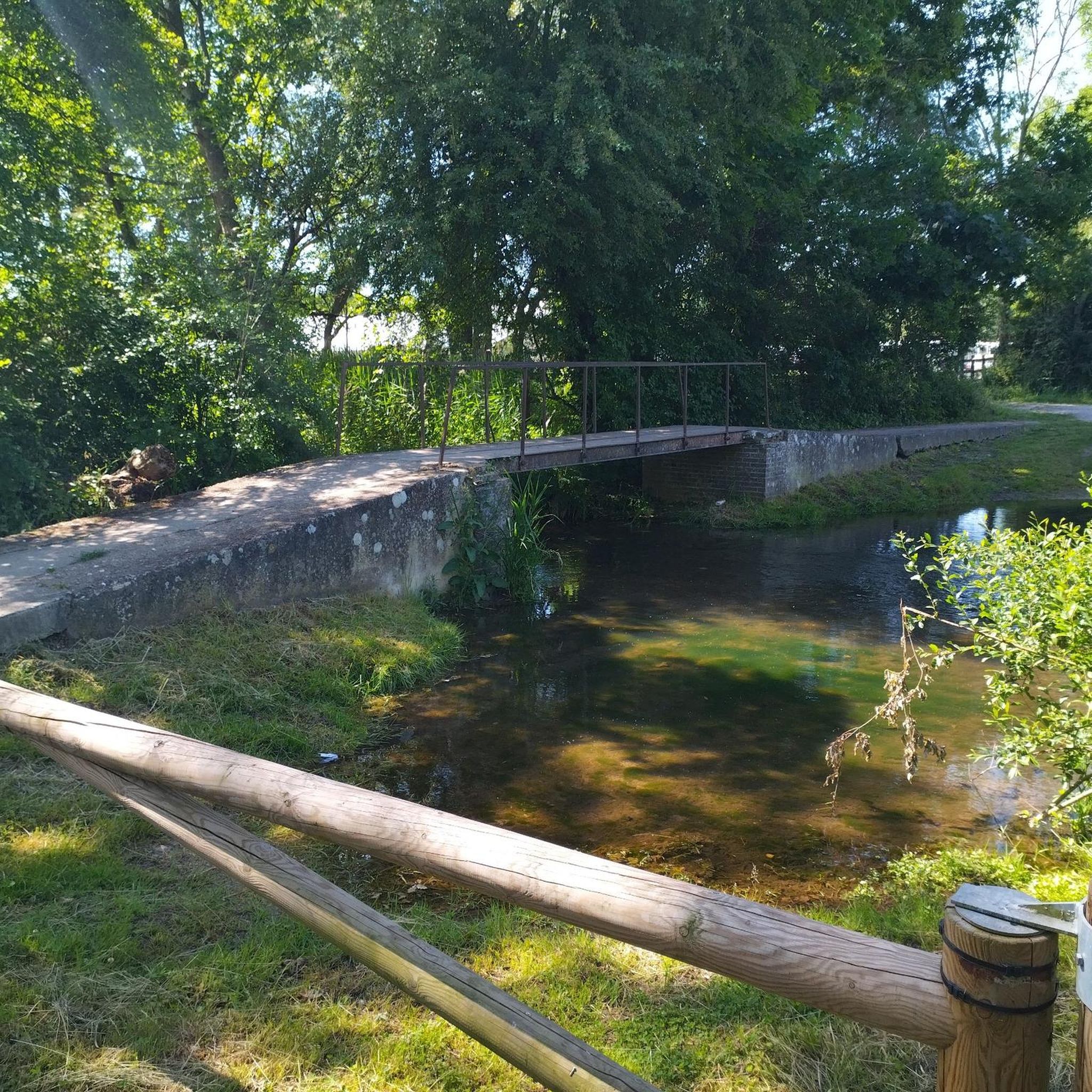
Pont Rouge on the Louis XIV Canal
Highlight • Bridge
Translated by Google •
Tip by

Saint-Piat Mill
Highlight • Monument
Translated by Google •
Tip by

Sign up now to discover places like this
Get recommendations on the best single tracks, peaks, & plenty of other exciting outdoor places.
Sign up for free
Château de Mormoulins
Highlight • Castle
Translated by Google •
Tip by
Saint-Sulpice Church of Châteaudun
Highlight • Religious Site
Translated by Google •
Tip by
Guiperreux Toad Crossing
Highlight • Natural Monument
Each year, during the thaw (roughly from February to April), …
Translated by Google •
Tip by

Sign up for free to discover even more attractions around Coulombs.
Sign up for free
Already have an account?
Start today with a free account
Your next adventure awaits.
Login or Signup


Tips from the Community

The Moulin de Mormoulins is a watermill located on the Eure River in the hamlet of Mormoulins. This mill dates back to the 18th and 19th centuries and is a listed historical monument. You can admire the old stone building, the wooden wheel, and the canal that diverts water from the river as you pass in front of the mill. The mill is surrounded by green fields and trees, creating a peaceful and relaxing atmosphere.
0
0

According to tradition, the church choir covers the remains of an older building, possibly dating back to the 6th century, which was built to house the saint's body. According to current knowledge, the commune of Saint-Piat (Sanctus Piatus in Latin) officially appeared in 1087, mentioned in a charter of the Nottonville Priory (Eure-et-Loir), on which it depended. The current building was rebuilt during the time of Francis I, as suggested by the date 1535 engraved on two buttresses of the apse and the date 1542 engraved on a piece of wood from the vault. This is according to a study by the SAEL (Eure-et-Loir Archaeological Society). The three-sided apses, the dripstone towers (horizontal members projecting from a wall), and the sculpted roof structures are a testament to the importance of the reconstructions carried out in the department during the 16th century. The church of Saint-Piat is one of them. While the church has not been officially recognized, it nevertheless contains objects that have attracted attention both for their antiquity and quality, but not always for good reason. Their artistic value, far from attracting only religious or aesthetic interest, has also aroused a covetousness that, unfortunately, remains for some of them. Fortunately, those still in place are carefully cared for and offer the curious a story to discover, a beauty to slowly ponder as they progress toward the choir.
0
0

With its curiously crowned square tower, this charming church boasts a flamboyant Gothic style. Built between the 15th and 17th centuries, it preserves a remarkable collection of 16th-century stained-glass windows dedicated to Eucharistic miracles.
0
0
The Saint-Sulpice church in Nogent-Le-Roi is an impressive church built in the 15th century and which was part of the defensive wall which protected the entrance to the town. You can admire its beautiful stained glass windows and its wrought iron choir inside, as well as its original tower outside. The church is located in the heart of Nogent-Le-Roi, a charming town with old half-timbered houses and a castle.
2
0
The Moulin de Saint-Piat is a water mill located on the Eure and dating from the 11th century where it was once used for the production of flour and the extraction of oil. You can admire the architecture of the mill, which was extended in 1865, and enjoy the view of the river and the nearby church. The mill is also a good place for birdwatching, as you may be able to see herons, kingfishers and ducks along the water.
4
0
The Church of Saint-Sulpice in Nogent-Le-Roi is an impressive church built in the 15th century and which formed part of the defensive wall that protected the entrance to the town. You can admire its beautiful stained glass windows and its wrought iron choir screen inside, as well as its original tower outside. The church is located in the heart of Nogent-Le-Roi, a charming town with old half-timbered houses and a castle.
2
0

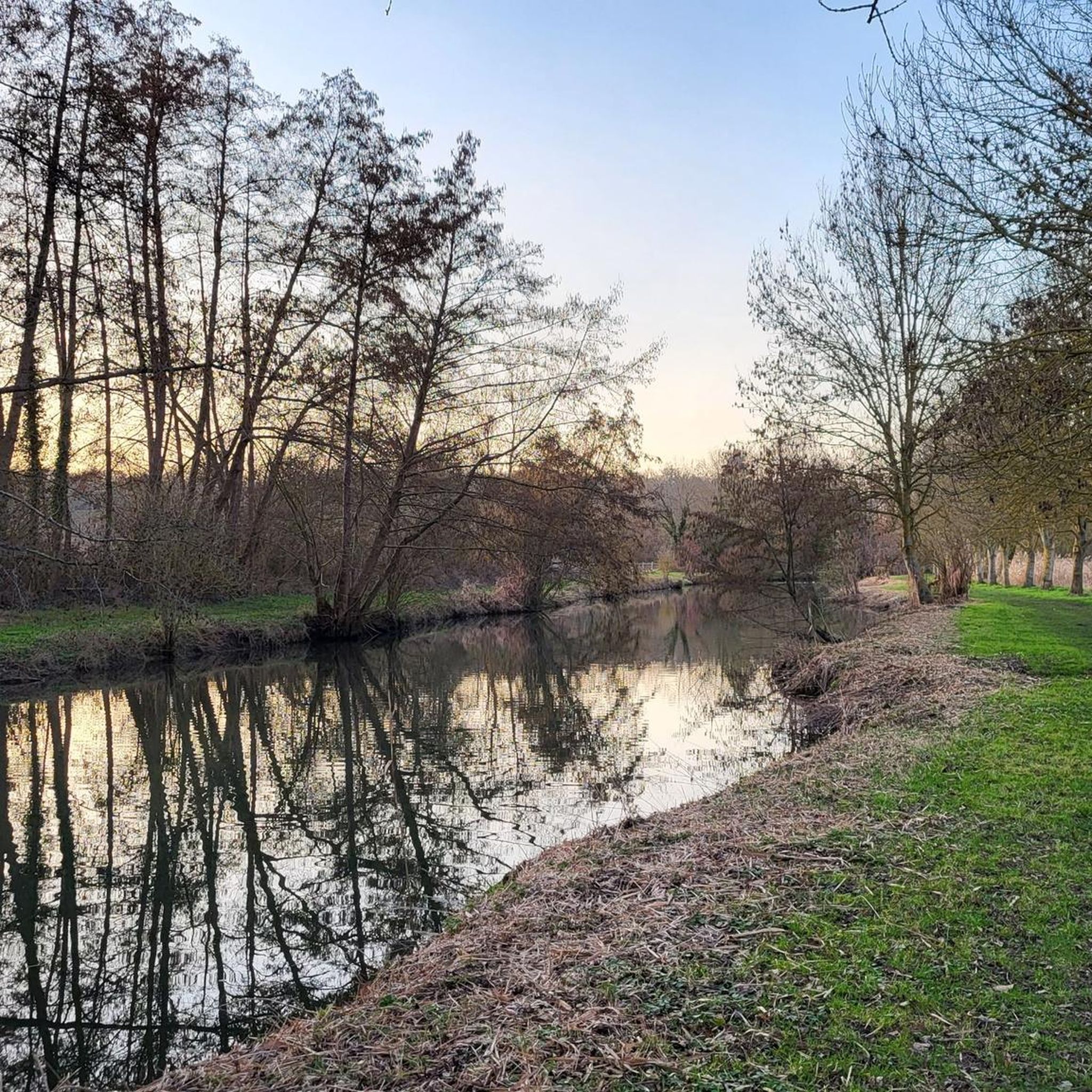
Pretty mill to contemplate for a refreshing break along the Eure. Its construction is estimated at the 11th century, but its existence is attested only at the end of the 15th century.
1
0

At the edge of this road a pond which forms with the forest which surrounds it a protected natural area. Each year, during the thaw (roughly from February to April), a "toadstool" is installed on the road that runs along the pond. But what is a toaddrome exactly? So, it is not a place where one could indulge in clandestine bets on toad races, but a device intended to prevent these poor beasts from being crushed by cars in crossing the road to breed and lay their eggs in the pond on the other side of the road. Indeed, thousands of common toads, but also frogs and newts, begin their long prenuptial migrations around March each year. They go to the nearest pond or pond to breed. Once their duty is done, they leave the aquatic environment to return to their summering areas where they will spend most of their time feeding. In order to avoid a carnage of amphibians on the road, a tarpaulin is planted 600m on each side of the road to block their passage. In various places a hole has been made in which a bucket is buried. By looking for a passage all along the tarpaulin, the toad will inevitably end up at the bottom of a bucket. Every morning, volunteers come to collect toads and other frogs and drop them off on the other side of the road.
1
0
Frequently Asked Questions
What historical landmarks can I explore around Coulombs?
Coulombs and its surroundings are rich in history. You can visit the Château de Mormoulins, a castle built after the original 10th-century structure was razed, surrounded by green fields. Another significant site is the Pont Rouge on the Louis XIV Canal, a bridge dating back to the late 17th century, part of the ambitious project to supply water to the Palace of Versailles. Don't miss the Saint-Piat Mill, an 11th-century water mill on the Eure River, historically used for flour production. Additionally, the Portail de l'ancienne Abbaye de Coulombs, with parts dating to 1030, offers a glimpse into the region's ancient past.
Are there any natural attractions or features to see near Coulombs?
Yes, Coulombs boasts a remarkable natural heritage. The area is drained by the Eure and Maltorne rivers, contributing to its scenic landscape. It includes a Natura 2000 site and a Zone of Ecological, Faunistic, and Floristic Interest (ZNIEFF), highlighting its biodiversity. You can also discover the unique Guiperreux Toad Crossing, a protected natural area with a pond and forest, known for its amphibian migrations. The broader Eure-et-Loir department features the Perche Regional Natural Park, offering diverse landscapes ideal for nature observation.
What kind of outdoor activities can I do around Coulombs?
The area around Coulombs is perfect for various outdoor activities. You can explore numerous trails for hiking, running, and mountain biking. For hiking, consider routes like the Montreuil to Maintenon Trail or the Mormoulins Mill loop from Nogent-le-Roi. Running enthusiasts can enjoy the Nogent-le-Roi Castle Loop. If you prefer mountain biking, there are trails such as the Maintenon loop from Coulombs or the Plan d'eau d'Ecluzelles – Moulin de Mormoulins loop. Find more details and routes on the Hiking around Coulombs, Running Trails around Coulombs, and MTB Trails around Coulombs guide pages.
Are there family-friendly attractions or activities in the Coulombs area?
Absolutely! Many attractions around Coulombs are suitable for families. The Pont Rouge on the Louis XIV Canal and the Saint-Piat Mill are both listed as family-friendly historical sites. The Guiperreux Toad Crossing offers a unique educational experience, especially during the amphibian migration season (February to April). Additionally, the nearby Lake of Mézières Ecluzelles is a popular spot for water sports and bird-watching, which can be enjoyable for all ages.
What is the best time of year to visit Coulombs for sightseeing and outdoor activities?
The best time to visit Coulombs for sightseeing and outdoor activities is generally during the spring (April to June) and autumn (September to October). During these seasons, the weather is typically mild and pleasant, ideal for exploring historical sites and enjoying hiking or cycling trails. Spring also offers the chance to witness the unique amphibian migration at the Guiperreux Toad Crossing. Summer can also be enjoyable, though it can be warmer, while winter offers a quieter experience, though some outdoor activities might be limited by colder weather.
Where can I find picturesque viewpoints around Coulombs?
For picturesque views, the Saint-Piat Mill offers lovely vistas of the Eure River and the surrounding architecture. The area around the Château de Mormoulins, nestled among green fields and trees, also provides scenic spots. The natural areas along the Eure and Maltorne rivers, as well as the broader landscapes of the Perche Regional Natural Park, are excellent for finding beautiful viewpoints and enjoying the tranquil countryside.
Are there any religious or architectural sites of interest in the area?
Yes, the region features notable religious and architectural sites. The Saint-Sulpice Church of Châteaudun (located in Nogent-le-Roi) is an impressive 15th-century church with beautiful stained glass windows and a distinctive tower. The Portail de l'ancienne Abbaye de Coulombs, with its ancient origins, is another significant historical monument. The Mairie de Coulombs (town hall) and an old portal from a house in Grande-Rue (originally from the Hôtel de la Marine in Nogent-le-Roi) are also recognized for their architectural and historical value.
What do visitors enjoy most about the attractions around Coulombs?
Visitors particularly appreciate the blend of historical depth and natural beauty around Coulombs. The historical sites like the Château de Mormoulins, Pont Rouge, and Saint-Piat Mill offer fascinating glimpses into the past. The serene river landscapes, opportunities for birdwatching at the mill, and the unique natural phenomenon at the Guiperreux Toad Crossing are also highly valued. The komoot community has shown strong appreciation, with 71 upvotes and 6 photos shared for the attractions in the area.
Can I find easy walking paths suitable for all fitness levels near Coulombs?
Yes, there are several easy walking paths around Coulombs. For instance, the Moulin de Mormoulins – Château de Mormoulins loop from Chaudon is an easy hiking route, approximately 5.7 km long. Many of the trails along the Eure and Maltorne rivers offer relatively flat terrain, perfect for leisurely strolls. You can find more easy routes on the Hiking around Coulombs guide page.
Are there any gardens or parks to visit in the vicinity of Coulombs?
While Coulombs itself is known for its natural areas, the surrounding region offers beautiful gardens. You can explore the Jardins du château de Maintenon and the Jardin Medieval de Bois Richeux, which provide lovely settings for a leisurely visit. These gardens offer a peaceful escape and a chance to appreciate local horticulture and design.
What are the main rivers in the Coulombs area?
The commune of Coulombs is notably drained by the Eure and Maltorne rivers. These rivers are integral to the local landscape, contributing to the natural beauty and providing settings for attractions like the Saint-Piat Mill and the Château de Mormoulins, both situated along the Eure River.
Are there any unique wildlife observation opportunities near Coulombs?
Yes, the area offers unique wildlife observation, particularly at the Guiperreux Toad Crossing. During the thaw (roughly February to April), thousands of common toads, frogs, and newts migrate across the road to breed in the pond. Volunteers set up a 'toadstool' to help these amphibians cross safely, offering a fascinating and rare spectacle. Additionally, the Saint-Piat Mill on the Eure River is a good spot for birdwatching, where you might see herons, kingfishers, and ducks.
Most popular routes around Coulombs
Most popular attractions around Coulombs

Get inspired with the komoot mobile app


Explore more
Still not found the Highlight you’re looking for? See guides of the top attractions in other regions:
