The best walks and hikes around Chissay-En-Touraine
4.3
(230)
1,432
hikers
71
hikes
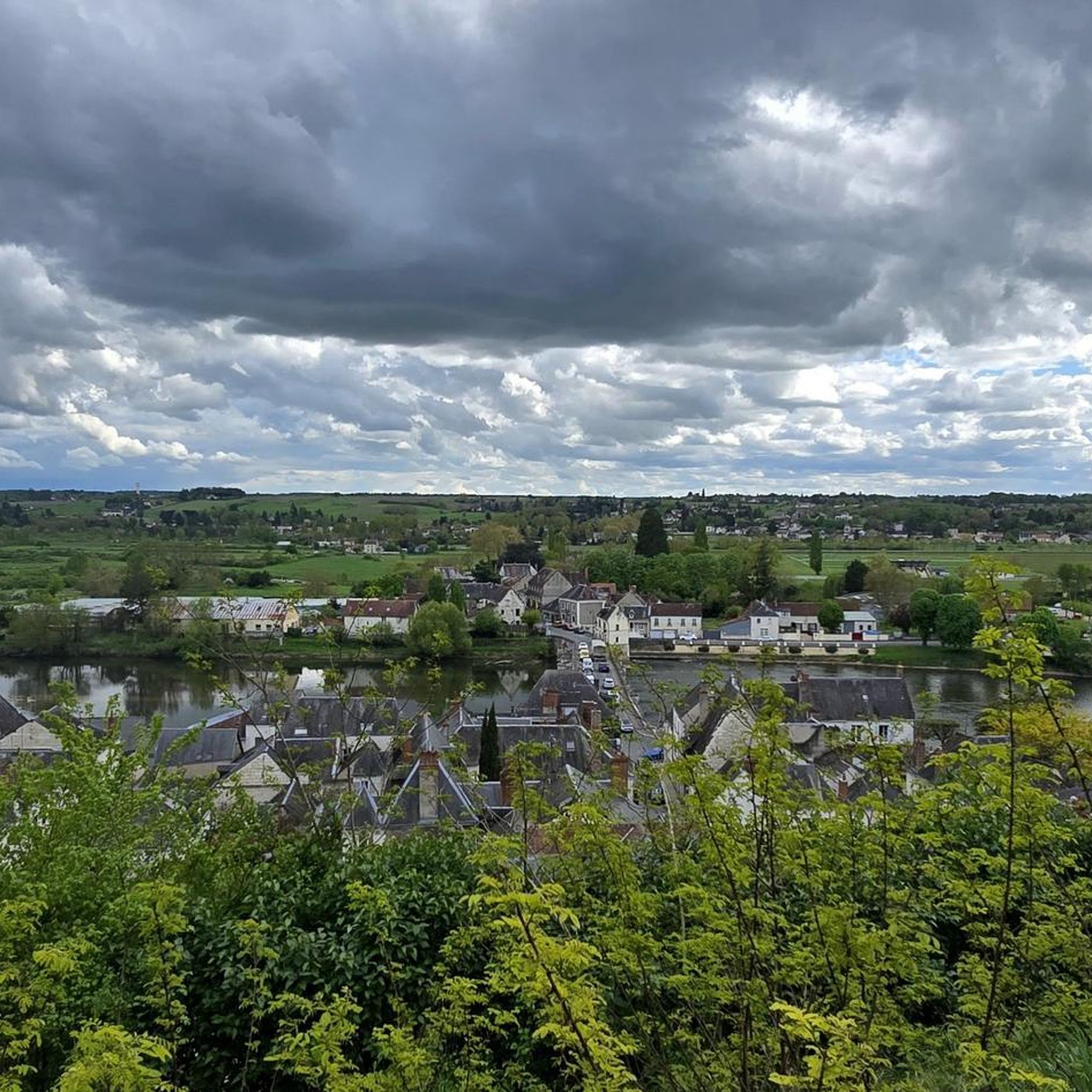
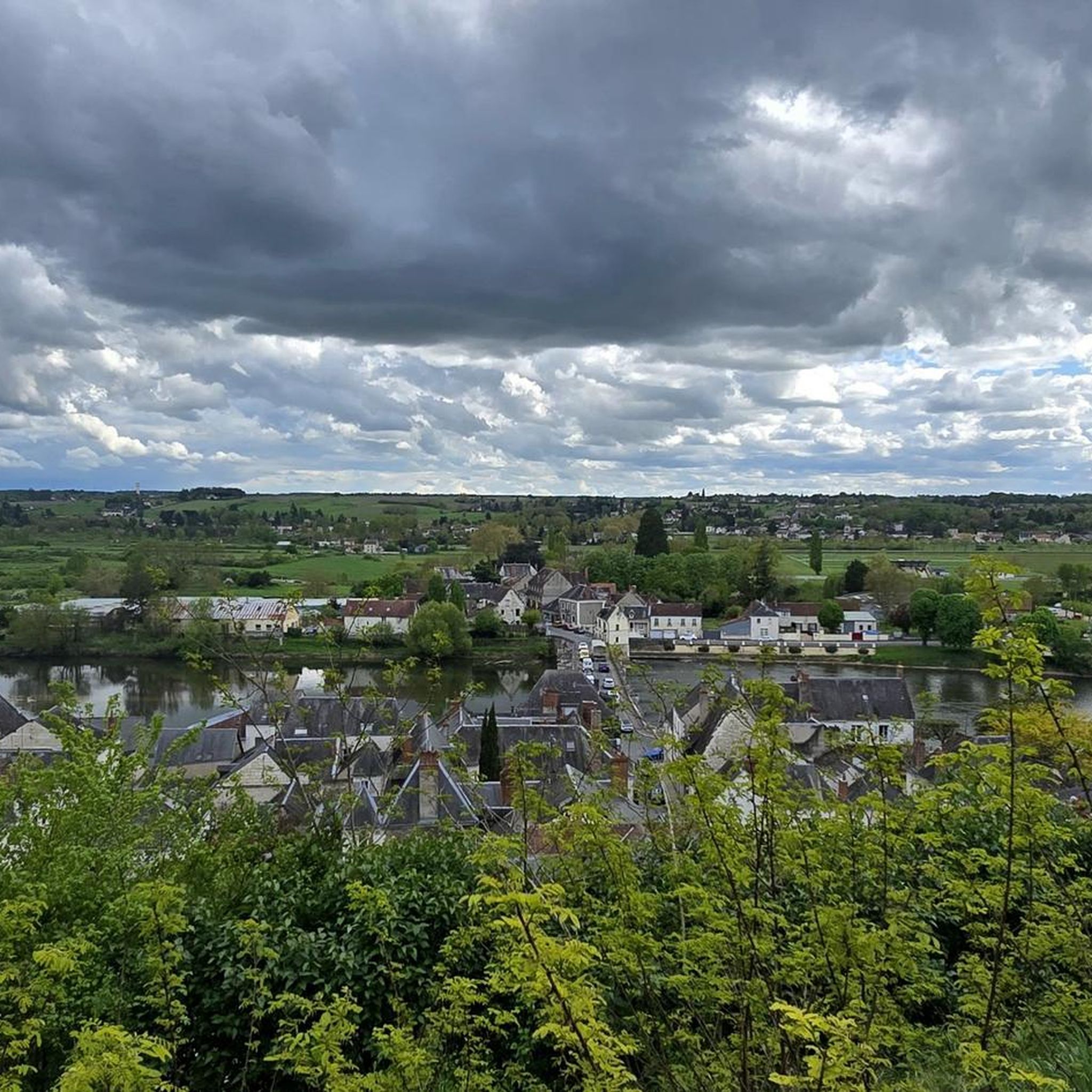
Hiking around Chissay-En-Touraine offers routes through the gentle landscapes of the Loire Valley, characterized by the Cher River and its tributaries. The terrain typically features low elevation gains, making many trails accessible. Hikers can expect to encounter historical châteaux, agricultural fields, and riverside paths.
Best hiking trails around Chissay-En-Touraine
- The most popular hiking route is Château de Chissay et moulin Fort — boucle depuis Chissay-en-Touraine, a 5.9 miles (9.5 km) trail that takes 2 hours 27 minutes to complete.…
Last updated: July 8, 2026
4.6
(11)
45
hikers
Moderate hike. Good fitness required. Easily-accessible paths. Suitable for all skill levels.
4.5
(11)
43
hikers
Moderate hike. Good fitness required. Easily-accessible paths. Suitable for all skill levels.

Sign up for free
5.0
(2)
19
hikers
11.6km
02:56
20m
20m
Moderate hike. Good fitness required. Easily-accessible paths. Suitable for all skill levels.
4.7
(3)
35
hikers
19.4km
04:58
70m
70m
Moderate hike. Good fitness required. Easily-accessible paths. Suitable for all skill levels.
4.3
(3)
8
hikers
13.1km
03:22
60m
60m
Moderate hike. Good fitness required. Easily-accessible paths. Suitable for all skill levels.
Get access to more routes and recommendations from other explorers.
Sign up for free
Already have an account?
Our route recommendations are based on thousands of hikes, rides, and runs completed by other people on komoot.
Start today with a free account
Your next adventure awaits.
Login or Signup
Tips from the Community

From the water, the castle appears to float above the Cher River. Because the gallery is literally built over the river, it creates a reflection that makes the castle appear twice as large. Especially in the soft morning or evening light, it has an almost fairytale-like quality.
4
0
Did you know: During the First World War, the castle was converted into a hospital for wounded soldiers by its owner, Simonne Menier (of the Menier chocolate family). – Long rows of camp beds lined the large gallery above the Cher River. – More than 2,000 wounded were reportedly cared for within the castle walls. A bizarre contrast: the ornate Renaissance halls as a place for bandages, operations, and recovery.
3
0

Today the chateau functions as a hotel/restaurant – nice surroundings, good food, very friendly staff, and still at acceptable prices.
1
0

From here you can admire the castle in peace and quiet.
0
0


The Cher River bike path is fun. However, in some places it's more of a single track, requiring concentration and avoiding many potholes.
1
0

Great photo spot for the castle
0
0

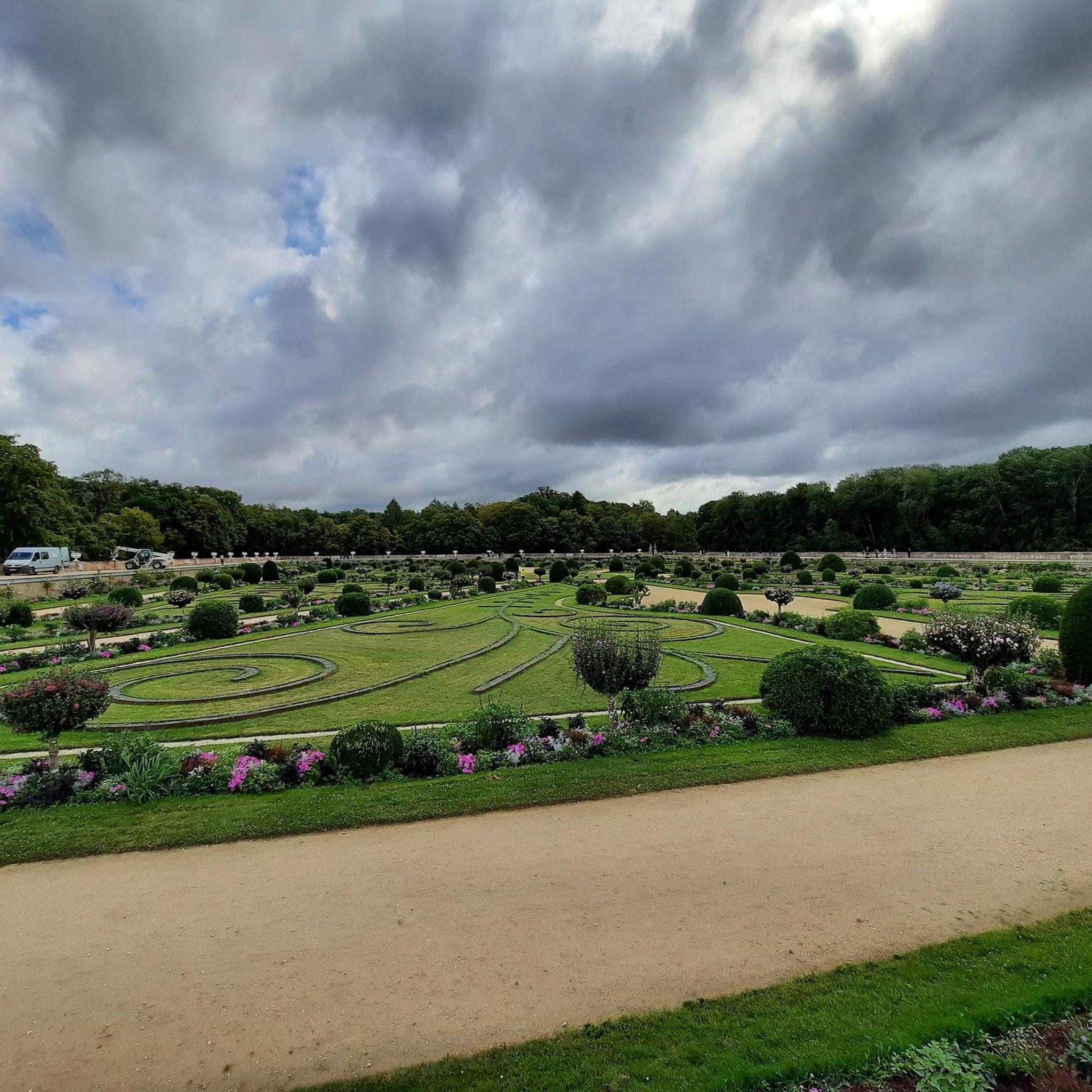
Inspired by a Venetian Palace, it was Catherine de Medici who gave Chenonceau its unique architecture. This Renaissance masterpiece, nicknamed the "Château des Dames" is also exceptional for the richness of its history. In 1513, Katherine Briçonnet directed the construction work. Then it was successively embellished by Diane de Poitiers, the King's mistress, initiator of the bridge and Catherine de Medici who imagined the two refined galleries that span the river. It was François 1er who married the Florentine with his son Henri II. By marrying him, this illustrious queen would make Chenonceau and the court of France shine with all the Italian splendor. Obtained at the time of Diane de Poitiers' disgrace, this dream home has always been her favorite residence. She stayed there very often, offering her sons memorable parties. But Catherine had more ambitious plans, and wanted to make her "castle on the water" a grand residence of the Court. A true art gallery, Chenonceau is also distinguished by the wealth of its collections, tapestries and paintings by the greatest European masters of the 16th, 17th and 18th centuries. The Médicis gallery is a Cabinet of Curiosities that also presents many treasures, as well as documents allowing a better understanding of the stages of construction and the highlights of the history of the château. In 2019, to celebrate "500 years of Renaissance" and pay tribute to Catherine de Médicis, the château opened a new place to the public: "The Queen's Apothecary", the only one presented in a monument in the Loire Valley. Restored "in situ" for 3 years, it houses priceless sets of precious pots, paintings and mortars. Visiting Chenonceau also means discovering sumptuous historic gardens, a new contemporary garden, as well as a Labyrinth and a Flower Vegetable Garden. The 80-hectare park is home to many animals and birds living in freedom. Visitors can walk there freely, with their pets, because the castle is Pet Friendly. In 2020: The “Cabinet of Physics and Chemistry of Chenonceau”, created by Jean Jacques ROUSSEAU in the 18th century, will open its doors to the public, and the summer Night Walk will be enriched with new illuminations.
3
0
Frequently Asked Questions
How many hiking trails are available around Chissay-En-Touraine?
There are over 75 hiking trails around Chissay-En-Touraine, offering a variety of options for different skill levels and interests. These routes explore the gentle landscapes of the Loire Valley, featuring riverside paths, agricultural fields, and historical sites.
What is the best time of year to hike in Chissay-En-Touraine?
The best time to hike in Chissay-En-Touraine is typically from spring to early autumn (April to October). During these months, the weather is generally mild and pleasant, ideal for exploring the region's châteaux, vineyards, and riverbanks. Spring brings blooming flowers, while autumn offers beautiful foliage.
Are there easy hiking trails suitable for beginners or casual walkers?
Yes, Chissay-En-Touraine offers many easy hiking trails. With 34 routes classified as easy, you'll find plenty of options for a relaxed stroll. These paths often feature low elevation gains, making them accessible for most abilities.
What kind of historical landmarks or attractions can I see along the trails?
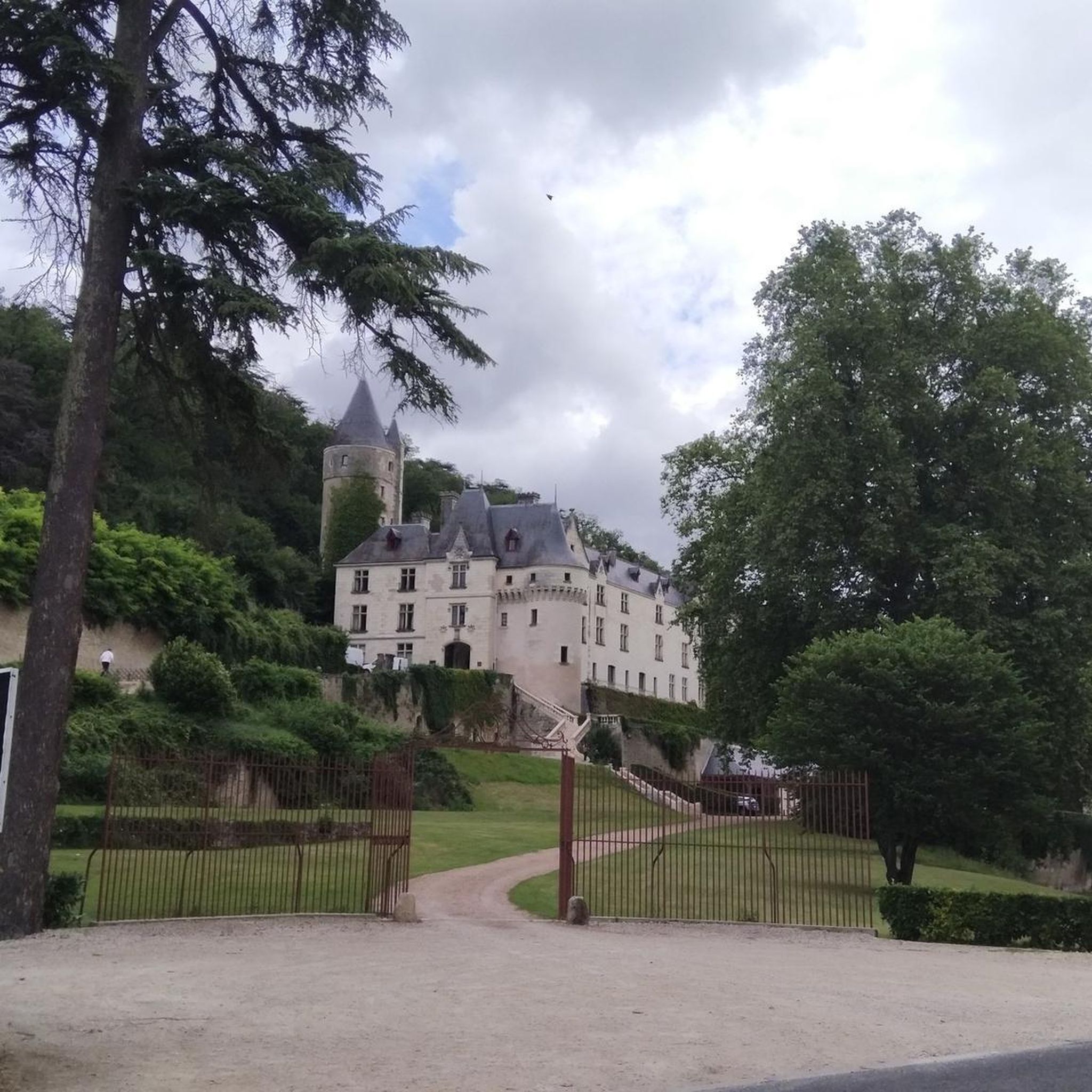
The trails around Chissay-En-Touraine are rich with history. You can encounter several notable châteaux and historical sites. For instance, the Château de Chissay et moulin Fort — boucle depuis Chissay-en-Touraine route passes by the impressive Château de Chissay. Many routes also offer views of the iconic Château de Chenonceau, such as the Bridge over the Cher River – Chenonceau Castle loop from Chisseaux.
Are there any circular walks available in the area?
Yes, many of the hiking routes around Chissay-En-Touraine are circular, allowing you to start and end at the same point without needing to arrange transport back. An example is the Bridge over the Cher River – Le Moulin Fort loop from Saint-Georges-sur-Cher, which takes you through riverside areas and past historical points of interest.
Are the hiking trails in Chissay-En-Touraine dog-friendly?
Many trails in Chissay-En-Touraine are suitable for walking with dogs, especially those through rural areas and along riverbanks. However, it's always recommended to keep dogs on a leash, particularly near agricultural fields, livestock, or in protected natural areas. Check specific route details for any restrictions.
Are there family-friendly hikes suitable for children?
Yes, the region's generally flat terrain and numerous easy routes make it ideal for family outings. Look for shorter, well-maintained paths that offer points of interest like châteaux or river views to keep children engaged. The low elevation gains ensure a comfortable experience for all ages.
What do other hikers enjoy the most about hiking in Chissay-En-Touraine?
The area is highly rated by the komoot community, with an average score of 4.33 stars from over 330 reviews. Reviewers often praise the beautiful riverside scenery, the historical châteaux visible along the routes, and the generally gentle, accessible terrain that makes for enjoyable walks.
Are there any routes that offer scenic viewpoints of the Cher River or the surrounding landscape?
Absolutely. Many trails are designed to showcase the beauty of the Cher River. For example, the Cher river bank – Chenonceau Castle loop from Chissay-en-Touraine offers continuous views along the river, often with glimpses of the famous Château de Chenonceau. The gentle topography of the Loire Valley provides picturesque vistas of vineyards and forests.
What should I bring for a hike in Chissay-En-Touraine?
For hiking in Chissay-En-Touraine, comfortable walking shoes are essential. Depending on the season, layers of clothing are advisable. Always carry water, especially on warmer days, and snacks. Sun protection (hat, sunscreen) is recommended, and a fully charged phone for navigation and emergencies is always a good idea.
Are there any longer hikes for experienced trekkers?
While the region is known for its gentle terrain, there are a few longer routes for those seeking more distance. For example, the Château de Chenonceau – Chenonceau Castle loop from Chisseaux is a moderate 8.1-mile (13 km) trail that takes around 4 hours to complete, offering a more extended exploration of the area's highlights.
Is public transport available to access hiking trailheads?
Access to trailheads in Chissay-En-Touraine primarily relies on local bus services or personal vehicles. While some villages may have limited public transport connections, it's advisable to check local bus schedules in advance or consider driving to reach specific starting points for the most flexibility.
Most popular routes around Chissay-En-Touraine
Most popular attractions around Chissay-En-Touraine

Get inspired with the komoot mobile app


Explore more
Browse the best Hikes in other regions.
