The best walks and hikes around Chaumont-Sur-Tharonne
4.4
(166)
867
hikers
102
hikes
Hiking around Chaumont-Sur-Tharonne is defined by its flat terrain, characterized by extensive forests, numerous ponds, and a network of small rivers. The Sologne region, where Chaumont-Sur-Tharonne is located, offers a landscape of woodlands and wetlands, providing varied natural environments for outdoor activities. These features create a predominantly gentle topography, making many routes accessible for different skill levels. The area is suitable for those seeking easy hikes Chaumont-Sur-Tharonne, with many family friendly walks Chaumont-Sur-Tharonne available.
Best hiking trails around Chaumont-Sur-Tharonne
- The…
Last updated: July 9, 2026
2.0
(1)
17
hikers
8.56km
02:12
40m
40m
Moderate hike. Good fitness required. Easily-accessible paths. Suitable for all skill levels.
2.0
(1)
16
hikers
9.74km
02:30
40m
40m
Moderate hike. Good fitness required. Easily-accessible paths. Suitable for all skill levels.

Sign up for free
3.7
(6)
15
hikers
9.75km
02:29
30m
30m
Moderate hike. Good fitness required. Easily-accessible paths. Suitable for all skill levels.
4.0
(1)
10
hikers
9.40km
02:24
30m
30m
Moderate hike. Good fitness required. Easily-accessible paths. Suitable for all skill levels.
5.0
(1)
6
hikers
18.8km
04:50
90m
90m
Moderate hike. Good fitness required. Easily-accessible paths. Suitable for all skill levels.
Get access to more routes and recommendations from other explorers.
Sign up for free
Already have an account?
Our route recommendations are based on thousands of hikes, rides, and runs completed by other people on komoot.
Start today with a free account
Your next adventure awaits.
Login or Signup

Tips from the Community

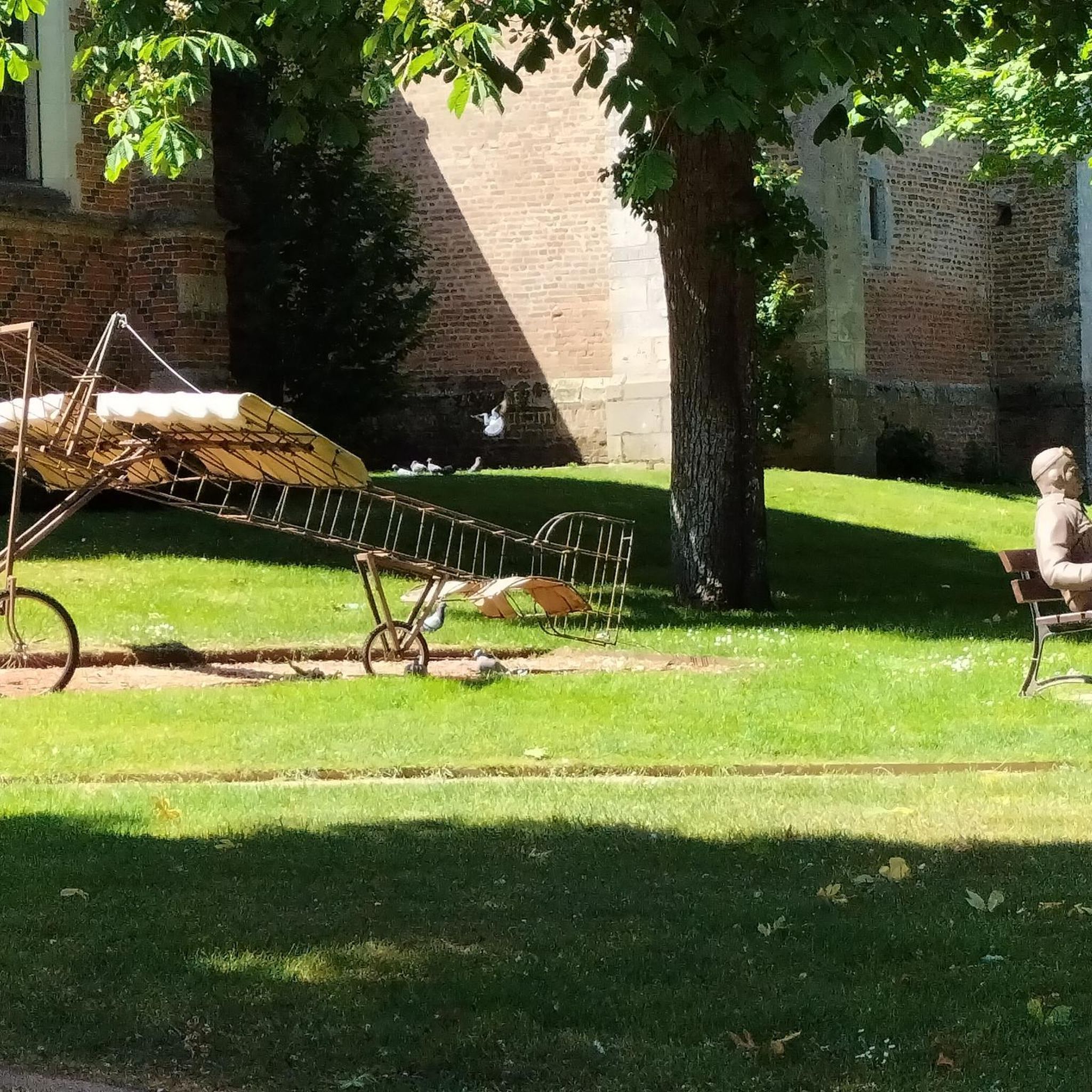
Yvoy, whose name (ivos = if) reveals its Gaulish origin, was built after Julius Caesar's conquest at the crossroads of two Roman roads and planted the first chestnut trees. Under the Merovingians around the year 500, money was minted there. Having become Christian around the 6th century, the village adopted Saint-Caprais as its patron. In the 11th century, Yvoy was a toll road crossing. Monks encouraged clearing and transformed the marshes into ponds. Under absolute monarchy, the wars of religion and great famines ruined the region. At the Revolution in 1790, the first municipal council was elected. In 1841, Yvoy, nicknamed the Galeux and famous for its chestnut trees, became Yvoy-le-Marron by decree of King Louis-Philippe. The reconstruction of the village, entirely in brick as it is seen today, dates from the 1850s-1860s. The Miberlan oak, known as the sorcerers' oak, and the Saint-Caprais fountain are magical places where a very Solognot mystery hovers in winter as in summer.
0
0

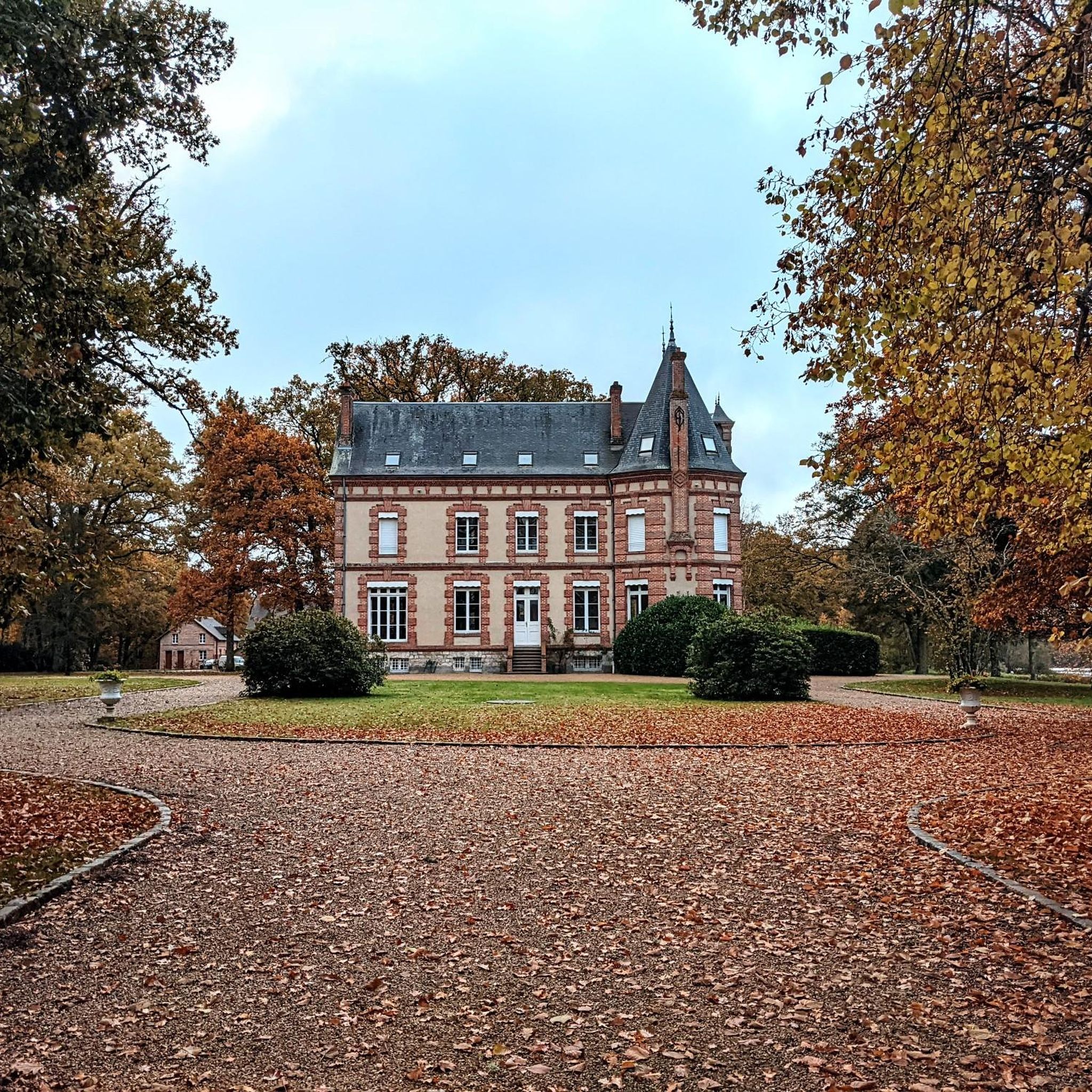
The parish church, dedicated to Saint Stephen, belonged in the 13th century to the Abbey of Micy near Orléans. It was rebuilt at the end of the 15th and beginning of the 16th centuries. It consists of a long nave, 35 meters in length and over 9 meters wide, ending in a three-sided apse. Its walls, built of rubble and rendered brick, are reinforced by dressed stone buttresses. The cornice at the base of the roof and the window and door surrounds are also made of molded dressed stone. The double-lancet windows with trefoil topped by a figure-eight shaped bilobe are identical, except for those on the west facade and the central window, which are more elaborate, featuring three lancets while retaining the same molding. An addition was made at the beginning of the 16th century. On the north side stands an imposing seigneurial chapel and a massive bell tower with eight flat buttresses, two on each face, all built of brick. Ashlar is reserved for the buttresses of the bell tower and alternates with brick in the buttresses of the chapel; it is used for framing the openings, the windows, and the sloping sides of the chapel's gable. A lozenge-shaped decoration of black bricks on a background of pink bricks has been preserved on the lower level and on part of the gable of this chapel. The chapel was the only vaulted part of the church, undoubtedly financed by Jean or Claude d'Estampes, lord of La Ferté-Nabert. The rest of the building was covered by a panelled vault, the replacement of which with a false ribbed vault of plaster resulted in the disappearance of the tie beams and king posts and ruined the structural integrity of the roof frame. This artificial, cold, and superficial decoration of the upper sections deprives the interior of the interplay of tie beams and king posts. These, in their rhythm, corresponded to the lateral openings and reflected the robust structure of the timber frame that protected the building. A comprehensive restoration is planned. Initially, for the north chapel—masonry, roofing, and timber frame—the French Heritage Society (Sauvegarde de l’Art français) provided €30,490 in 2001.
0
0

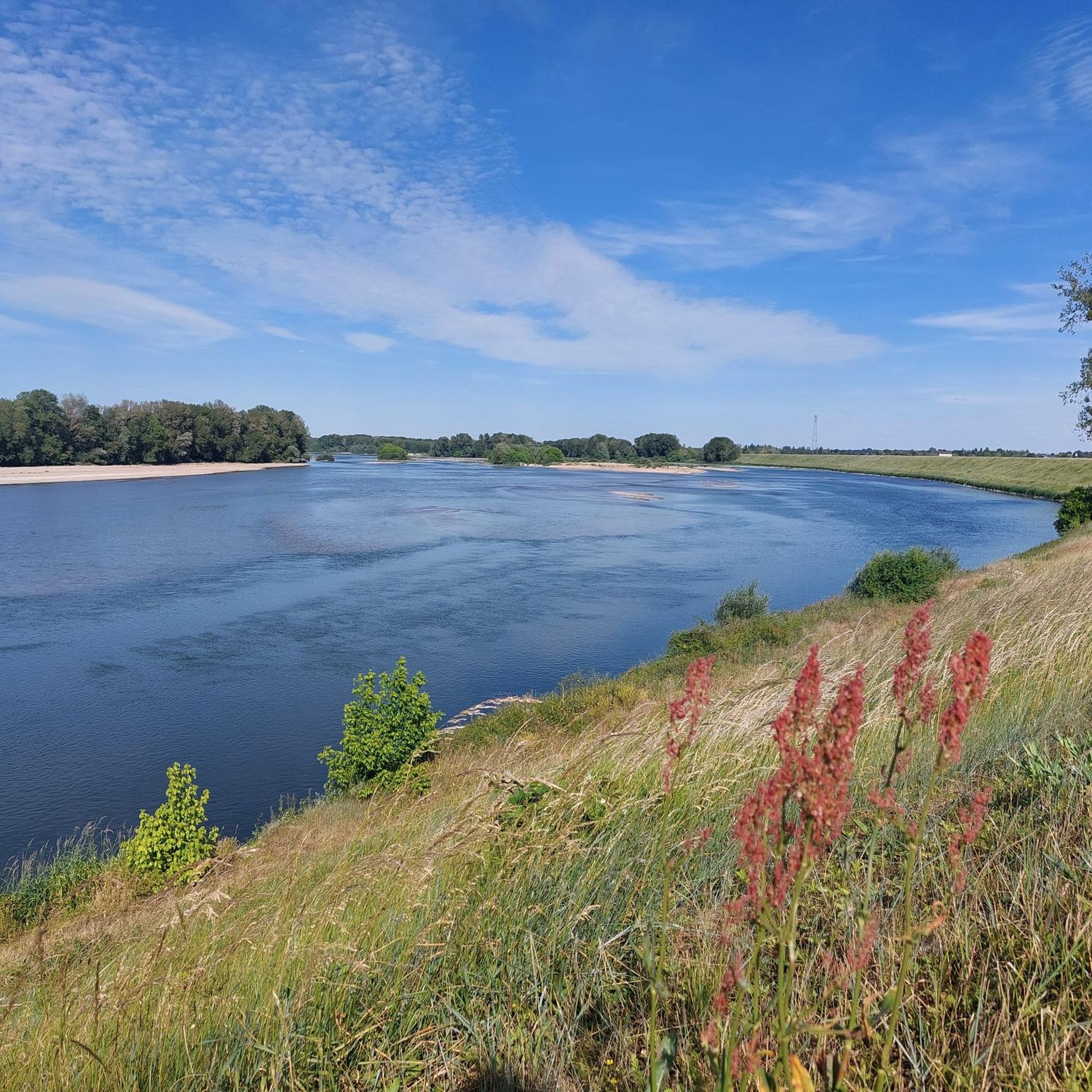
Pleasant path passing in particular near the large Farge pond, where you can observe birds.
1
0
Sologne is known for its numerous ponds, which were built since the Middle Ages to supply the population with fish but were also the origin of numerous diseases in the region after the 16th century, notably malaria, until the invention of quinine.
0
0
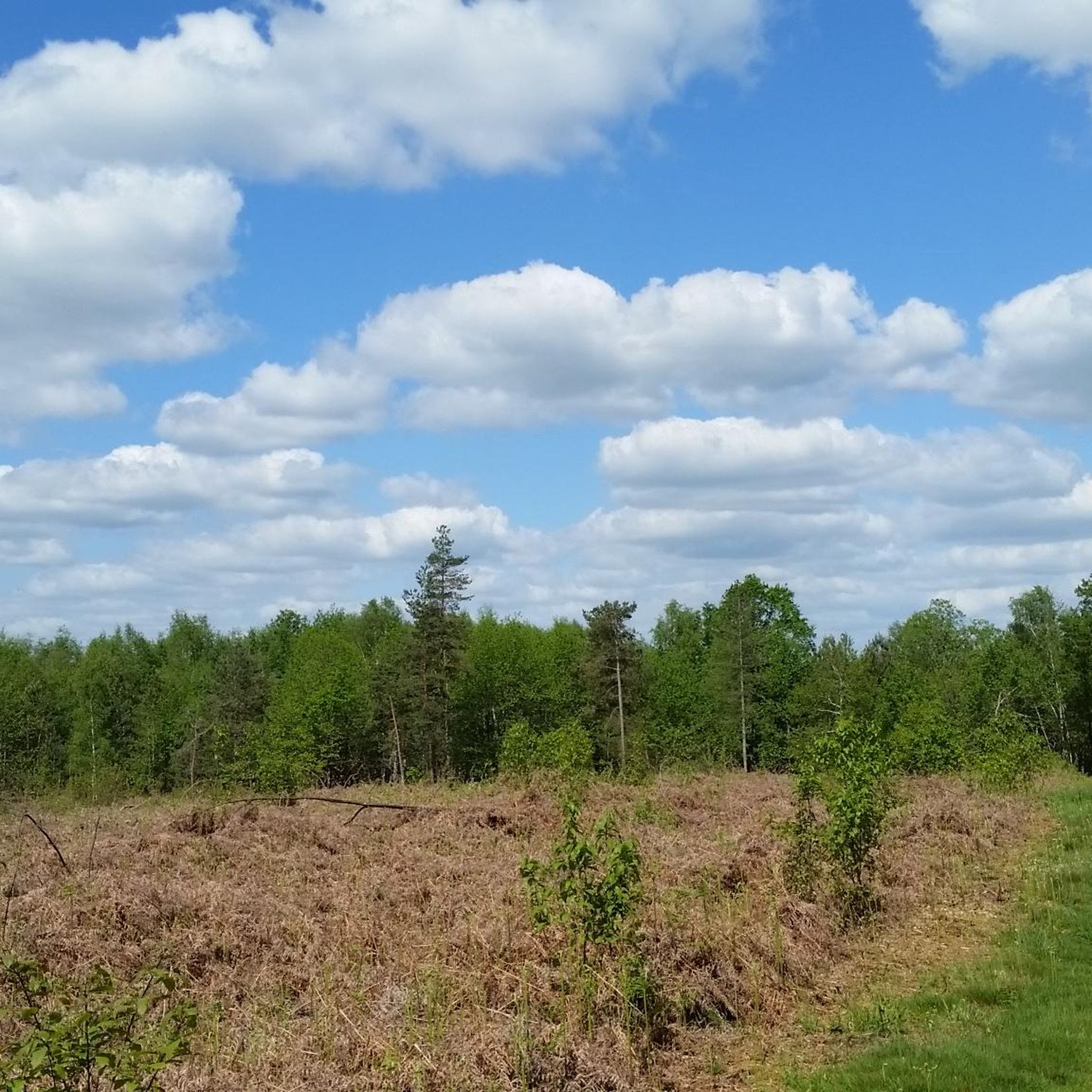
Beautiful church in the heart of Chaumont-sur-Tharonne, on a pretty well maintained square. The houses around the square are also worth a look.
0
0
Frequently Asked Questions
How many hiking trails are available in Chaumont-Sur-Tharonne?
There are over 80 hiking trails around Chaumont-Sur-Tharonne, offering a variety of options for different skill levels. The region's flat terrain, characterized by forests and ponds, makes many routes accessible.
Are there easy hiking trails suitable for beginners in Chaumont-Sur-Tharonne?
Yes, Chaumont-Sur-Tharonne is well-suited for beginners, with over 30 easy routes. The gentle topography of the Sologne region ensures that many paths are not too challenging. A good option for a moderate, yet accessible, walk is the Hiking loop from Mini Ferme, which is 5.2 miles (8.4 km) long with minimal elevation gain.
What are the typical lengths of hiking trails in Chaumont-Sur-Tharonne?
Hiking trails in Chaumont-Sur-Tharonne vary in length, but many popular routes are between 5 to 6 miles (8 to 10 km). For example, the Grand Étang de la Farge loop from Le Bistrot des Hauts de Bruyères is 5.4 miles (8.6 km), and the Grand Étang de la Farge loop from Chaumont-sur-Tharonne is 6.0 miles (9.7 km).
Are there family-friendly walks in Chaumont-Sur-Tharonne?
Absolutely. The flat and gentle terrain of Chaumont-Sur-Tharonne makes it ideal for family-friendly walks. Many routes pass by ponds and through woodlands, offering pleasant scenery for all ages. Look for trails marked as 'easy' on komoot for the most suitable options.
Can I bring my dog on the hiking trails in Chaumont-Sur-Tharonne?
Yes, dogs are generally welcome on hiking trails in the Sologne region, provided they are kept under control, especially in areas with wildlife or near private property. Always ensure you clean up after your pet. It's advisable to keep them on a leash in forested areas to protect local fauna.
What is the best season for hiking in Chaumont-Sur-Tharonne?
Spring and autumn are often considered the best seasons for hiking in Chaumont-Sur-Tharonne. In spring, the forests burst with new growth and wildflowers, while autumn offers beautiful foliage. Summers can be warm, but the shaded forest paths provide relief. Winters are generally mild, but some paths might be muddy.
Are there circular hiking routes in Chaumont-Sur-Tharonne?
Yes, many of the most popular trails in Chaumont-Sur-Tharonne are circular routes, allowing you to start and end at the same point. Examples include the Étang des Ruaux loop from Yvoy-le-Marron and the Étang Neuf – Étang Bignon loop from Yvoy-le-Marron, both offering scenic circuits through the Sologne landscape.
What kind of wildlife might I see while hiking in Chaumont-Sur-Tharonne?
The Sologne region is known for its rich biodiversity. While hiking, you might spot various bird species, deer, wild boar, and smaller mammals. The numerous ponds and wetlands also attract diverse aquatic life. Early mornings or late evenings offer the best chances for wildlife sightings.
Are there any interesting landmarks or attractions near the hiking trails?
Yes, the area around Chaumont-Sur-Tharonne features several historical and natural points of interest. You can explore castles such as La Ferté-Saint-Aubin Castle or Villebourgeon Castle. The Saint-Étienne Church of Chaumont-sur-Tharonne is also a notable religious building in the village.
What do other hikers say about the trails in Chaumont-Sur-Tharonne?
The hiking trails in Chaumont-Sur-Tharonne are highly rated by the komoot community, with an average score of 4.4 stars from over 120 reviews. Hikers often praise the peaceful forest environments, the beauty of the many ponds, and the well-maintained paths that make for enjoyable walks.
Where can I find parking for hiking trails in Chaumont-Sur-Tharonne?
Many trailheads in and around Chaumont-Sur-Tharonne offer designated parking areas. For routes that start from villages or specific attractions, you can usually find public parking nearby. For example, routes like the Grand Étang de la Farge loop often have parking available at their starting points or nearby establishments.
Are there any less crowded hiking trails in the area?
While popular routes can see more visitors, the extensive network of trails in Chaumont-Sur-Tharonne means it's easy to find quieter paths. Exploring some of the less-known loops or visiting during off-peak hours (early mornings or weekdays) can help you enjoy a more solitary experience amidst the Sologne's natural beauty.
Most popular routes around Chaumont-Sur-Tharonne
Most popular attractions around Chaumont-Sur-Tharonne

Get inspired with the komoot mobile app


Explore more
Browse the best Hikes in other regions.
