Attractions and Places To See around Bracieux - Top 20
Best attractions and places to see around Bracieux include a mix of historical landmarks and natural landscapes. Nestled between the Loire Valley and Sologne, the town is surrounded by forests, rivers, and ponds, offering a rich natural environment. It serves as a base for exploring famous Loire castles and features notable local sites. The area provides diverse opportunities for outdoor activities and cultural exploration.
Best attractions and places to see around Bracieux
- The most popular attractions is Chambord Castle,…
Last updated: October 9, 2026
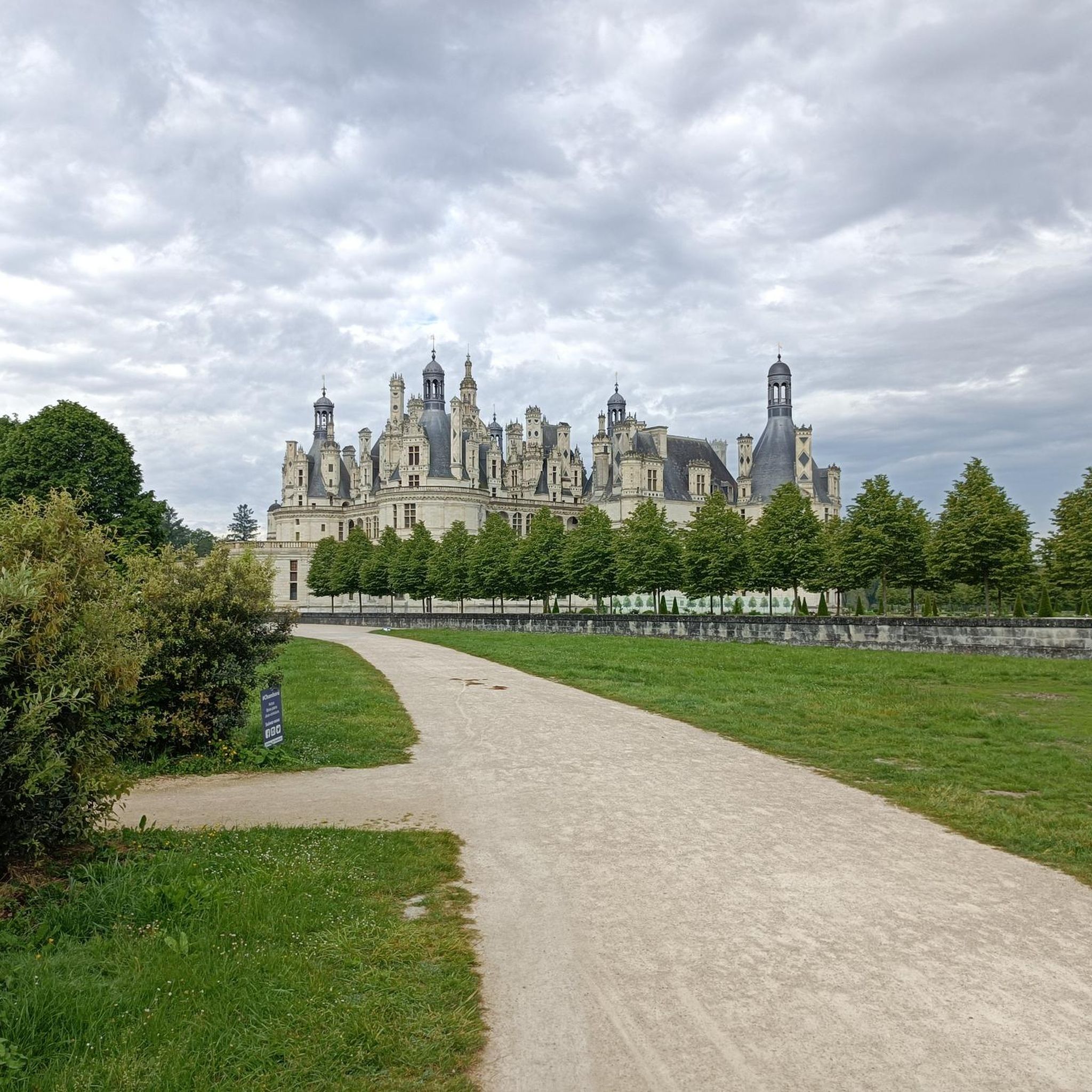
Chambord Castle
Highlight • Castle
Translated by Google •
Tip by

Cheverny Castle
Highlight • Castle
Listed as historical monuments since 1926, it is open to the public. More information on: chateau-cheverny.fr.
Translated by Google •
Tip by

Sign up now to discover places like this
Get recommendations on the best single tracks, peaks, & plenty of other exciting outdoor places.
Forest Cycle Path Near Chambord
Highlight (Segment) • Cycleway
Translated by Google •
Tip by

Étang du Montperché
Highlight • Lake
Translated by Google •
Tip by

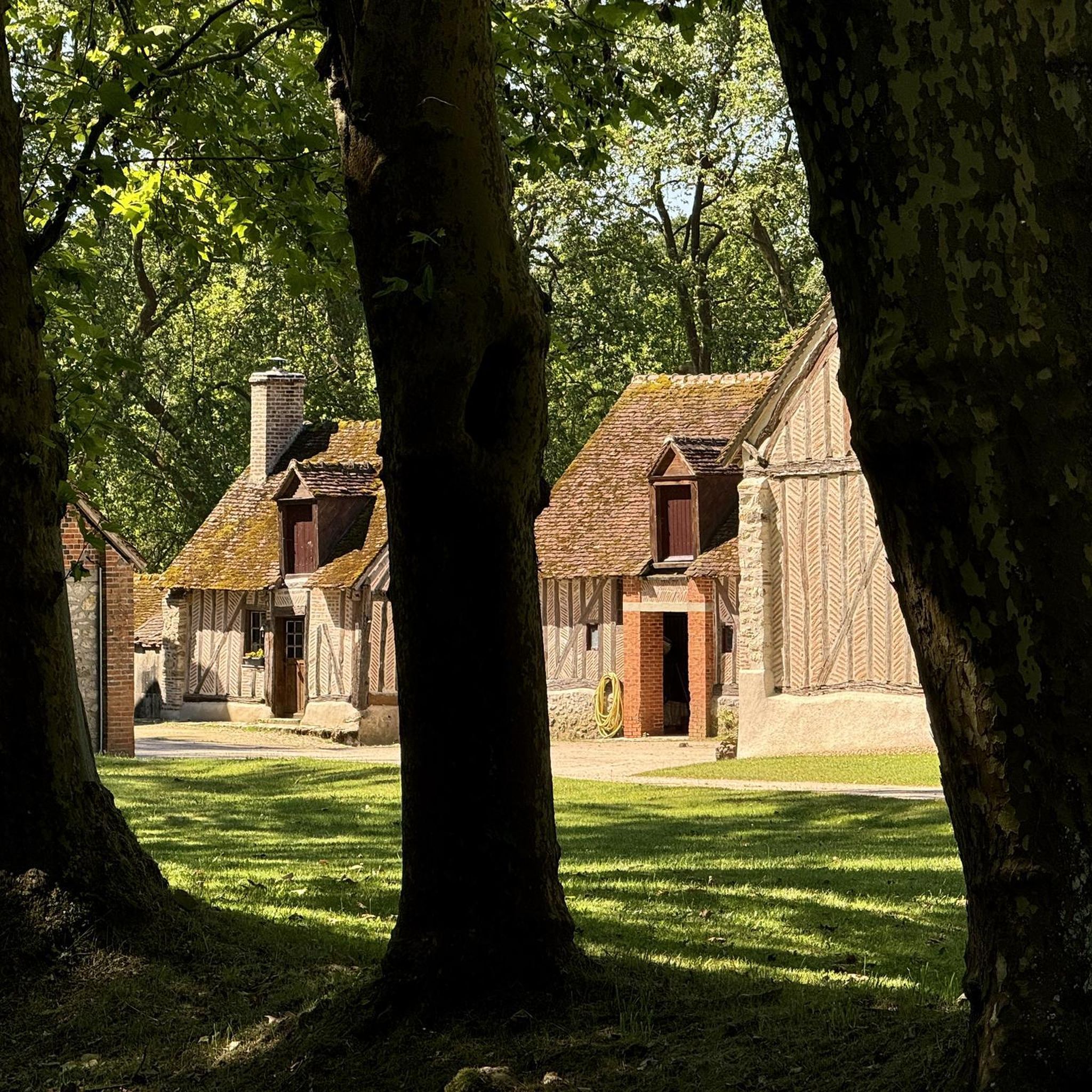
Stables of Marshal de Saxe
Highlight • Historical Site
Translated by Google •
Tip by

Sign up for free to discover even more attractions around Bracieux.
Already have an account?
Start today with a free account
Your next adventure awaits.

Tips from the Community

Here the horse shows are shown.
0
0

A superb green forest path that runs alongside the road, away from traffic. This secure cycle path takes you to the Château de Chambord.
0
0

Very good cycle paths
0
0

Built in a Classical style, the Cherveny castle has belonged to the same family for more than six centuries, the Huraults, financiers and officers in the service of several kings of France. The current castle was built around 1625 by Henri, son of Philippe Hurault, and his wife Marguerite Gaillard de la Morinière. They launched the construction of the current castle and entrusted the execution of the work to the architect Jacques Bougier. He uses “Bourré stone”, a stone from the Cher valley which has the particularity of whitening and hardening as it ages. Sobriety and symmetry characterize the Château de Cheverny, a precursor of the French style which established itself under the reign of Louis XIV. The work is of such magnitude that it will not see the end of the project. Their daughter Elisabeth, Marquise de Montglas, completed the interior decoration which was entrusted to Jean Monier. During the following hundred and fifty years, the Château de Cheverny changed owners several times. In 1825, Anne Denis Hurault, Marquis de Vibraye, bought the property from her ancestors. The Château de Cheverny, which has always been inhabited, presents remarkably well-preserved pieces of furniture and interior fittings. The first floor apartments bear witness to the French art of living. An English-style park and gardens surround the Château de Cheverny. Visitors can discover the Jardin des Apprentis, a contemporary designed garden created in 2006 which was inspired by the found plans of an old French garden and the vegetable garden, designed by the Marquise de Vibraye, it combines the use original of different colored materials, vegetables and flowers. The Garden of Love, created in 2019, presents six monumental statues by Gudmar Olovson which reflect Love in all its forms. Cheverny constitutes a heritage of stones, land but also of tradition with venery or hunting with hounds. The Cheverny crew was founded in 1850 by the Marquis de Vibraye. Nowadays, in the Cheverny forest and neighboring forests, the crew harvests exclusively deer. Every day, from April to September 14, subject to reservations, at 11:30 a.m., visitors can attend the dog meal. The Château de Cheverny inspired the Château de Moulinsart to the Belgian comic book author, Hergé. The Domaine de Cheverny and the Hergé Foundation have joined forces to create and set up a permanent exhibition on the theme: the secrets of Moulinsart.
1
0

Beautiful gravel track, very rolling in the woods.
0
0

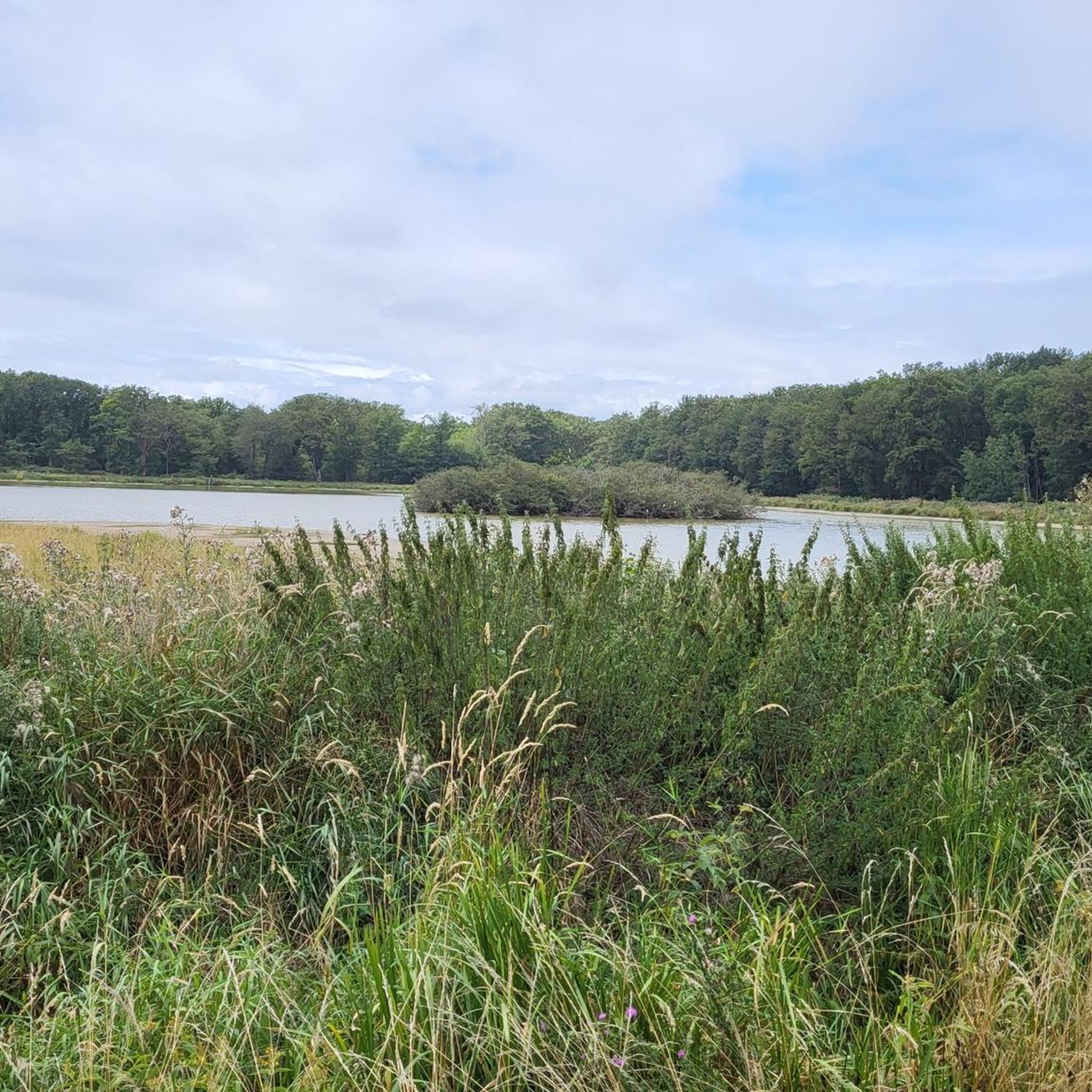
The Etang de Montperché is located at the south-eastern exit of the Chambord park, in the national forest of Boulogne. Guests can enjoy views of the water and wildlife, as well as the art installation called the Notch, which is a lookout over the pond created by nature-loving landscapers. You might even be able to spot the Château de la Hardonnière, a hidden gem in the countryside. So, grab your sneakers and head to the Étang de Montperché for a refreshing and enriching adventure!
2
0
The Maréchal de Saxe Stables in Chambord, France is not only a historic site, but also a venue for spectacular equestrian shows featuring horses and birds of prey. You will be able to appreciate the beauty of nature and the majesty of these animals which occur in the stables of the Maréchal de Saxe, famous military leader under Louis XV. You can also discover the history of Chambord and the reign of François I, the king who built the magnificent castle located nearby. The shows are offered from April to October, and you can book your tickets online or at the entrance to the castle. Don't miss this opportunity to witness a thrilling and enchanting spectacle that will make your hike unforgettable.
4
0

In my opinion, it is one of the most beautiful castles in the region. If the aesthetics of the castle are not stunning, this private castle is in an absolutely sublime state of conservation. Everything you see there is from the period (17th century), has been very little restored, will take your breath away! The Château de Cheverny inspired Hergé to create the Château de Moulinsart, in The Adventures of Tintin If there were only two castles to see this would be one of them (the other being the Château de l'Islette in Azay-le-Rideau). Take the detour, cross France to see Cheverny, you will not regret your trip!
1
1
Frequently Asked Questions
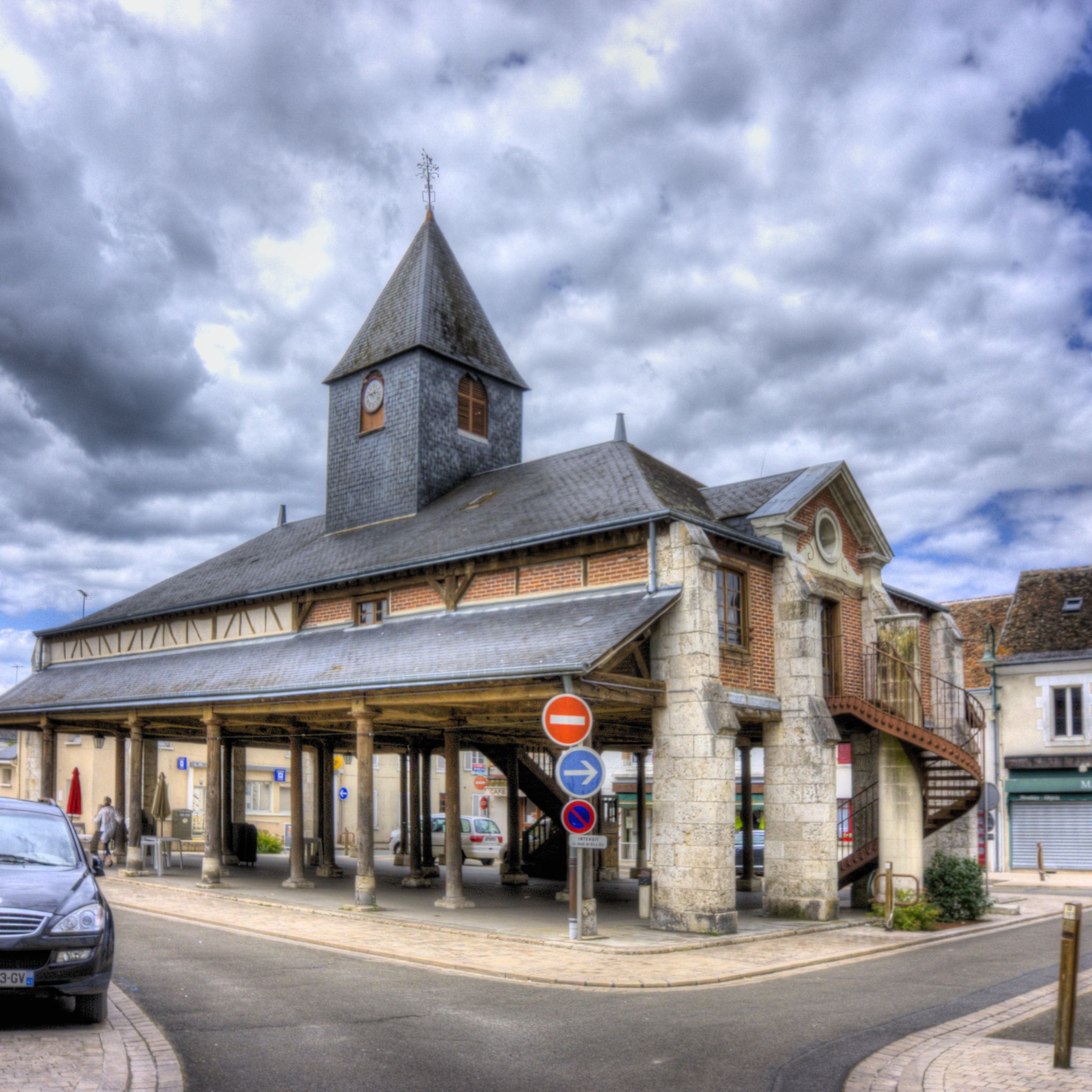
What historical landmarks can I explore in Bracieux?
Bracieux offers several historical landmarks, including the late 16th-century Old Hall (La Vieille Halle), which now hosts cultural events. You can also visit the 12th-century Saint-Nicaise Church, notable for its architectural beauty and a bell dating back to 1780. A walk through the town center reveals a late 19th-century washhouse and a monument dedicated to Porthos from "The Three Musketeers".
Are there any castles near Bracieux that I can visit?
Absolutely. Bracieux is an excellent base for exploring several famous Loire Valley castles. The largest and most renowned is Chambord Castle, built by King Francis I, located just 8 km away. Another must-see is Cheverny Castle, known for its well-preserved interiors and as the inspiration for Moulinsart in Tintin comics, also about 8 km from Bracieux. Further afield, approximately 16 km away, is the impressive Royal Castle of Blois.
What natural areas are there for outdoor activities around Bracieux?
Bracieux is surrounded by rich natural environments. The Chambord Forest (Forêt Domaniale de Bracieux), part of Europe's largest enclosed forest park, offers diverse landscapes for walking and cycling, with opportunities to spot wildlife. You can also visit Étang du Montperché, a pond at the edge of Chambord Park, known for its views and an art installation called "the Notch." The village is also classified as a "Station Verte" due to its rivers, forests, and ponds, making it popular for fishing.
What family-friendly attractions are available near Bracieux?
Families will find plenty to enjoy. Chambord Castle offers extensive parks to explore. Nearby, Château de Villesavin features Renaissance kitchens, a dovecote, a Museum of Marriage, and collections of horse-drawn carriages and children's cars, plus a phantom hunt for children in its park and a mini-farm. The Stables of Marshal de Saxe near Chambord also host spectacular equestrian shows with horses and birds of prey, running from April to October.
Are there cycling routes near Bracieux attractions?
Yes, Bracieux is well-suited for cycling. You can enjoy the Forest Cycle Path Near Chambord, a green path that runs alongside the road, providing a secure route directly to Chambord Castle. For more options, explore the various cycling routes available in the area, such as the "Chambord Castle – Chambord Castle loop from Bracieux" or "Fontaines-en-Sologne – Old market hall of Bracieux loop from Bracieux." You can find detailed routes on the Cycling around Bracieux guide.
What cultural experiences can I have in Bracieux?
Beyond historical sites, Bracieux offers unique cultural experiences. You can visit the Max Vauché Chocolate Factory to learn about chocolate production and enjoy tastings. The town also maintains a vibrant market tradition with traditional Thursday markets, arts and crafts markets, and antique fairs. Nearby, the Maison des Étangs (House of Ponds) in Saint-Viâtre explores the Sologne region's ecosystem, its 3200 ponds, and local flora and fauna.
Are there hiking or running trails around Bracieux?
Bracieux and its surrounding forests offer numerous trails for hiking and running. The Chambord Forest provides diverse landscapes for exploration. Popular running routes include the "Forêt de Boulogne — loop — running from Bracieux" and the "Étang des Landes loop from Bracieux." For more detailed options, check out the Running Trails around Bracieux guide.
What is the best time of year to visit Bracieux?
The best time to visit Bracieux for outdoor activities and exploring the castles is generally from spring to autumn (April to October). During these months, the weather is pleasant for walking, cycling, and enjoying the natural landscapes and outdoor events. Many attractions, like the Chambord Castle and the Stables of Marshal de Saxe, have extended opening hours or offer special shows during this period.
Are there any hidden gems or unique points of interest in the Bracieux area?
Beyond the main attractions, Bracieux holds some unique points of interest. The Old Water Mill in Bracieux offers a glimpse into the past. The Étang du Montperché, with its "the Notch" art installation, provides a tranquil spot for nature observation. Additionally, Bracieux is part of the Route d'Artagnan, a network of marked trails for equestrian tourism, connecting the Château de Chambord to Fougères-sur-Bièvre, offering a unique way to explore the region.
Can I find places for picnics and leisure in Bracieux?
Yes, Bracieux offers pleasant areas for relaxation and picnics. Les Prés de l'Eglise and l'Etang de Bel-air, both situated along the banks of the Bonn'heure river, are designated areas that welcome walkers and visitors for picnics and leisure activities amidst the natural surroundings.
What do visitors enjoy most about the attractions around Bracieux?
Visitors particularly appreciate the blend of historical grandeur and natural beauty. The majestic Chambord Castle is a highlight, with many enjoying its extensive park and the ability to explore its interior and roof. The secure Forest Cycle Path Near Chambord is also highly rated for its scenic route through the woods. The well-preserved interiors of Cheverny Castle also leave a lasting impression on visitors.
Most popular routes around Bracieux
Most popular attractions around Bracieux

Get inspired with the komoot mobile app


Explore more
Still not found the Highlight you’re looking for? See guides of the top attractions in other regions:
