Attractions and Places To See around Saint-Viâtre - Top 11
Attractions and places to see around Saint-Viâtre include a blend of historical landmarks, cultural sites, and natural features. This village in the Loir-et-Cher department is characterized by its medieval and Roman heritage. The region is notable for its numerous ponds, which cover a significant portion of its territory, and its Sologne ecosystem. Visitors can explore ancient structures and natural landscapes.
Best attractions and places to see around Saint-Viâtre
- The most popular attractions is Villebourgeon Castle, a castle built of…
Last updated: July 7, 2026
Saint-Étienne Church of Chaumont-sur-Tharonne
Highlight • Religious Site
Translated by Google •
Tip by

Villebourgeon Castle
Highlight • Castle
Translated by Google •
Tip by

Sign up now to discover places like this
Get recommendations on the best single tracks, peaks, & plenty of other exciting outdoor places.
Sign up for free
Sologne Bird Observatory
Highlight • Mountain Hut
Translated by Google •
Tip by

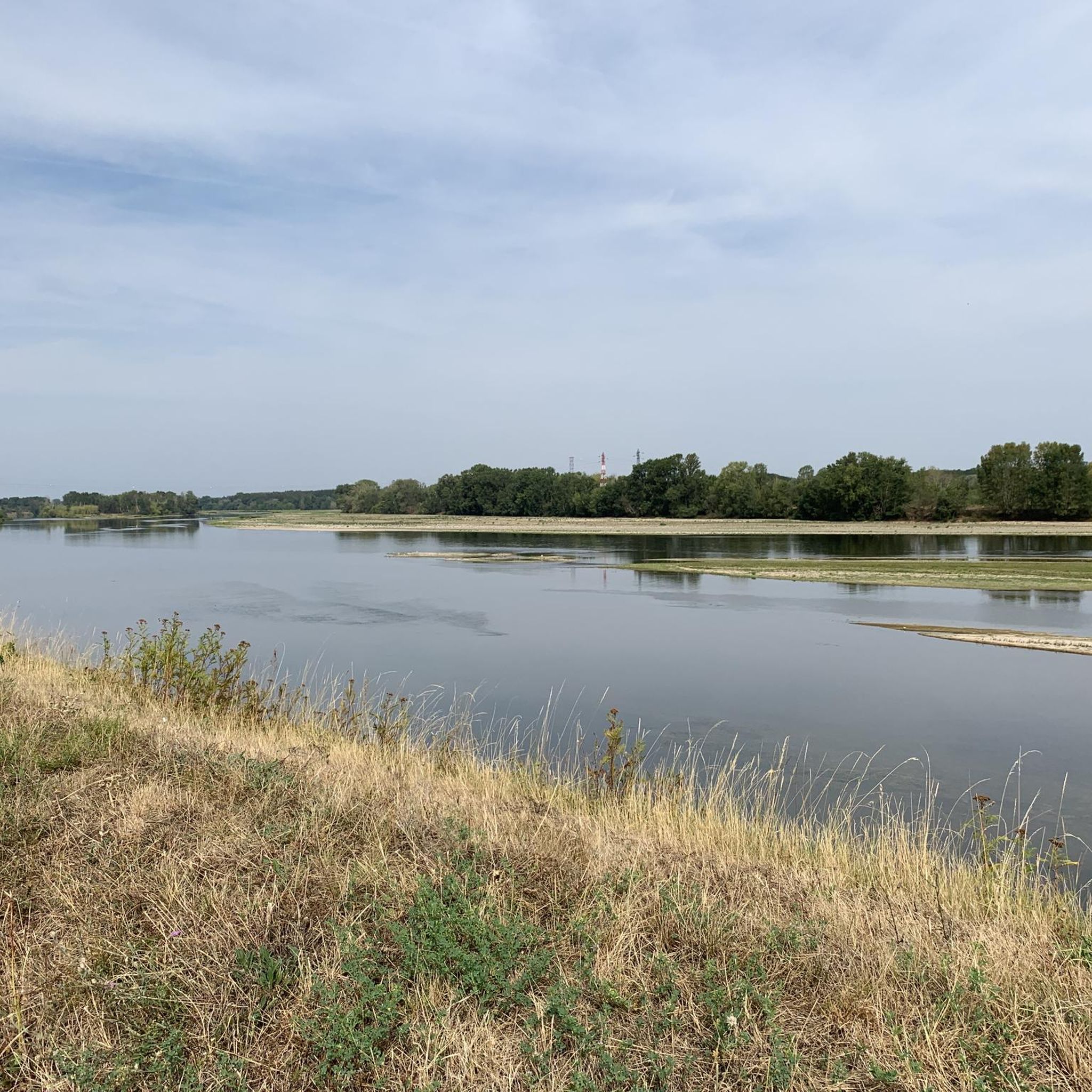
Paved bike path alongside the Sauldre Canal
Highlight (Segment) • Other
Translated by Google •
Tip by

Château de la Ferté-Imbault
Highlight • Castle
Built in 980 on an old leveled mound, it is the largest brick castle …
Translated by Google •
Tip by
Sign up for free to discover even more attractions around Saint-Viâtre.
Sign up for free
Already have an account?
Start today with a free account
Your next adventure awaits.
Login or Signup

Tips from the Community

It's a beautiful castle, that's true, but in a state of disrepair...
0
0

The parish church, dedicated to Saint Stephen, belonged in the 13th century to the Abbey of Micy near Orléans. It was rebuilt at the end of the 15th and beginning of the 16th centuries. It consists of a long nave, 35 meters in length and over 9 meters wide, ending in a three-sided apse. Its walls, built of rubble and rendered brick, are reinforced by dressed stone buttresses. The cornice at the base of the roof and the window and door surrounds are also made of molded dressed stone. The double-lancet windows with trefoil topped by a figure-eight shaped bilobe are identical, except for those on the west facade and the central window, which are more elaborate, featuring three lancets while retaining the same molding. An addition was made at the beginning of the 16th century. On the north side stands an imposing seigneurial chapel and a massive bell tower with eight flat buttresses, two on each face, all built of brick. Ashlar is reserved for the buttresses of the bell tower and alternates with brick in the buttresses of the chapel; it is used for framing the openings, the windows, and the sloping sides of the chapel's gable. A lozenge-shaped decoration of black bricks on a background of pink bricks has been preserved on the lower level and on part of the gable of this chapel. The chapel was the only vaulted part of the church, undoubtedly financed by Jean or Claude d'Estampes, lord of La Ferté-Nabert. The rest of the building was covered by a panelled vault, the replacement of which with a false ribbed vault of plaster resulted in the disappearance of the tie beams and king posts and ruined the structural integrity of the roof frame. This artificial, cold, and superficial decoration of the upper sections deprives the interior of the interplay of tie beams and king posts. These, in their rhythm, corresponded to the lateral openings and reflected the robust structure of the timber frame that protected the building. A comprehensive restoration is planned. Initially, for the north chapel—masonry, roofing, and timber frame—the French Heritage Society (Sauvegarde de l’Art français) provided €30,490 in 2001.
0
0

In a sheltered hut the birds can be observed
3
0
The beautiful lake invites you to linger.
3
0
Here you can watch birds with a bit of luck
3
0
Small and nice hut for bird watching
3
0

Let yourself be charmed by this magnificent castle with a history as rich as its architecture. Built in 980 on an old leveled mound, it is the largest brick castle in Sologne and one of the oldest. It was partly destroyed and rebuilt over the centuries, notably during the Renaissance, and saw illustrious people pass through, including Joan of Arc. Jacques d'Estampes, the first Marquis de la Ferté-Imbaud was ambassador to England and Marshal of France. With his wife Catherine-Blanche de Choiseul, they particularly marked the history of this castle. It is now possible to visit it and privatize it for events.
0
0
Beautiful church in the heart of Chaumont-sur-Tharonne, on a pretty well maintained square. The houses around the square are also worth a look.
0
0
Frequently Asked Questions
What historical sites can I explore around Saint-Viâtre?
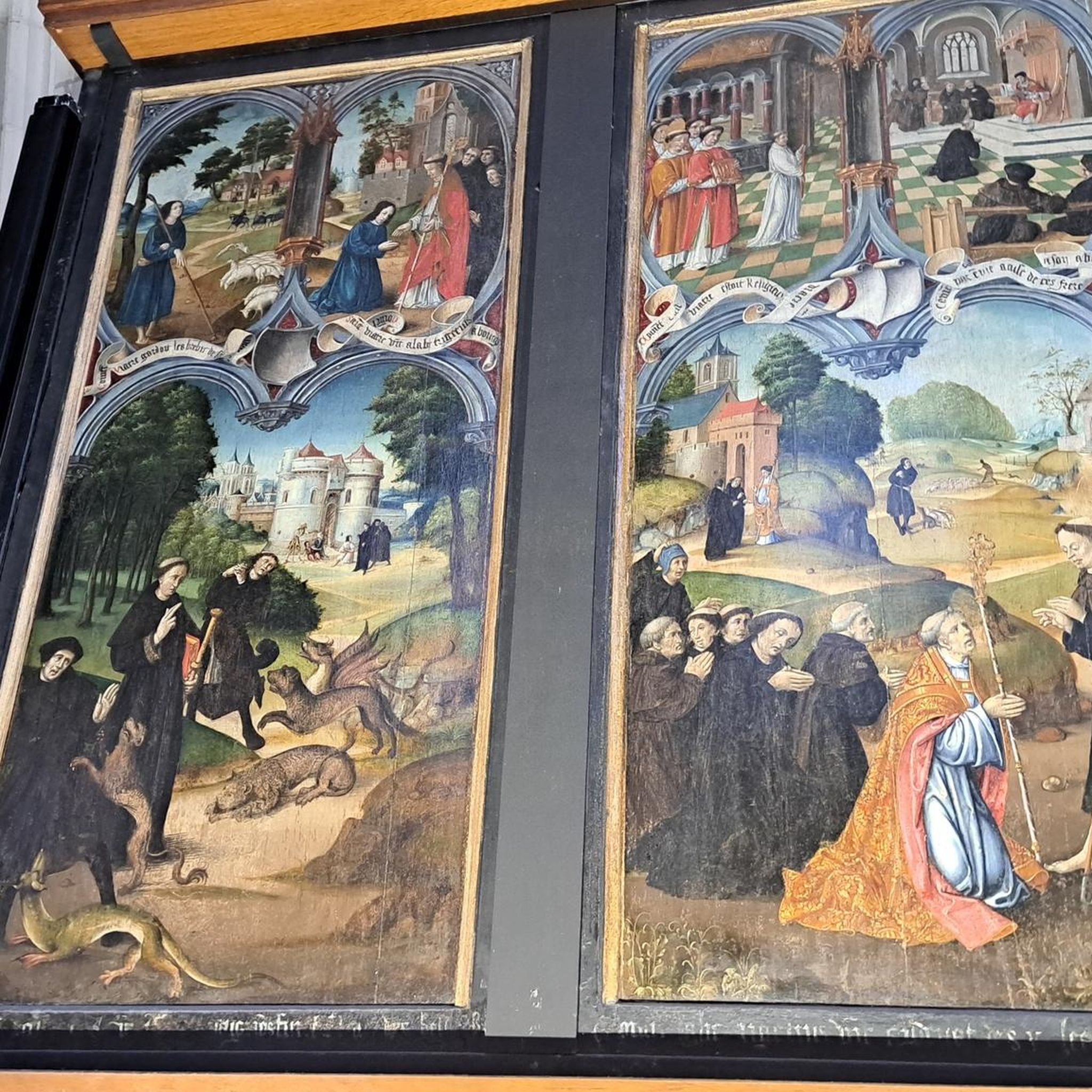
Saint-Viâtre and its surroundings are rich in history. You can visit the 12th-century Romanesque Church of Notre-Dame in the village, which features an 8th-century crypt and Renaissance stained glass. Other notable historical sites include the Villebourgeon Castle, a red-brick castle linked to the Louis XIII style, and the Château de la Ferté-Imbault, one of the oldest and largest brick castles in Sologne with a history dating back to 980 AD. Don't miss the Saint-Étienne Church of Chaumont-sur-Tharonne, a 15th to 16th-century parish church with a massive brick bell tower. You can also find remnants of a Roman aqueduct and the 12th-century Saint-Viâtre Castle Ruins overlooking the village.
Are there natural attractions or places to enjoy nature in Saint-Viâtre?
Yes, Saint-Viâtre is renowned for its natural beauty, particularly its aquatic landscapes. The Sologne region is characterized by its numerous ponds, covering 10% of the commune's territory. A great starting point is the Maison des Étangs (Ecomuseum of Sologne), which offers insights into the local ecology, fauna, and flora. You can also visit the Sologne Bird Observatory for opportunities to watch local birdlife by the lake.
What outdoor activities are available near Saint-Viâtre?
The area around Saint-Viâtre is ideal for various outdoor activities. You can enjoy hiking, cycling, and mountain biking. For cycling, explore routes like the 'Beauval Lock loop' or the 'Grand Étang de la Farge loop'. Hikers can discover trails such as the 'Étang de la Pérelle – Étang du Beaufray loop'. Mountain bikers have options like the 'Bièvre Pond loop'. For more detailed routes and options, check out the dedicated guides for Cycling around Saint-Viâtre, Hiking around Saint-Viâtre, and MTB Trails around Saint-Viâtre.
Are there family-friendly attractions or activities in Saint-Viâtre?
Absolutely! Many attractions around Saint-Viâtre are suitable for families. The Sologne Bird Observatory is a great spot for bird watching and enjoying nature with children. Historical sites like the Saint-Étienne Church of Chaumont-sur-Tharonne and the Château de la Ferté-Imbault offer educational insights into the region's past. Additionally, interactive mobile applications like 'Explor Games® Gustave et le mystérieux pendentif' provide a fun, treasure-hunt style exploration of the village and its ponds, blending interactivity with orientation challenges.
What is the best time of year to visit Saint-Viâtre?
The Sologne region, including Saint-Viâtre, is beautiful throughout the warmer months. Spring and autumn offer pleasant temperatures for outdoor activities like hiking and cycling, with vibrant foliage in autumn. Summer is also popular, especially for enjoying the ponds and natural areas. Visiting during these seasons allows you to fully appreciate the diverse flora and fauna of the region.
Where can I go for a walk or an easy hike near Saint-Viâtre?
Saint-Viâtre offers several options for walks and easy hikes, particularly around its numerous ponds. The 'Etangs de Sologne' circuit is a 20 km path accessible by bicycle or on foot, starting from the Maison des Étangs. You can also find shorter, easy hiking routes like the 'Étang de la Gravelle – Étang de Fontenazain loop' near Marcilly-en-Gault. For more options, consult the Hiking around Saint-Viâtre guide.
Are there any unique or 'hidden gem' attractions in Saint-Viâtre?
Beyond the main landmarks, Saint-Viâtre holds several unique spots. The primitive crypt from the 8th century within the Church of Notre-Dame, housing the tomb of Saint Viâtre, is a significant historical feature. The Medieval Bridge still connects parts of the village, offering a glimpse into its past. You can also discover the 15th-century brick monument known as The Chafaud, and the Saint-Viâtre Fountain, fabled for its miraculous virtues.
What kind of terrain can I expect on hiking trails around Saint-Viâtre?
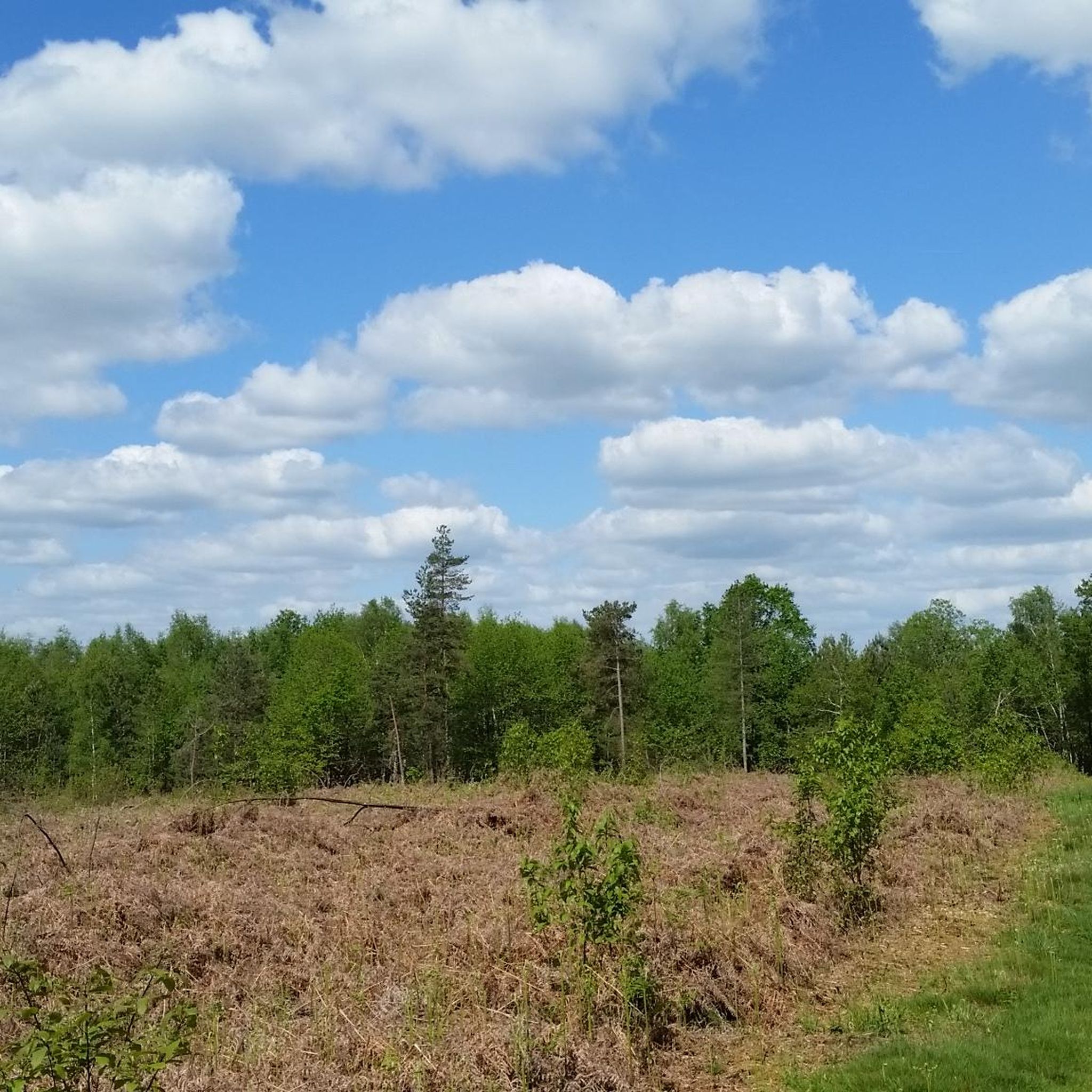
The terrain around Saint-Viâtre, characteristic of the Sologne region, is generally flat or gently rolling, making it suitable for various fitness levels. Trails often wind through forests and alongside the numerous ponds, offering scenic views of the unique ecosystem. You can expect a mix of paved paths, like the Paved bike path alongside the Sauldre Canal, and natural unpaved trails.
Is Saint-Viâtre accessible by public transport to reach attractions?
While Saint-Viâtre is a rural village, public transport options might be limited for directly reaching all attractions. It's advisable to check local bus schedules if available, but for maximum flexibility to explore the scattered historical sites and natural areas, personal transport (car or bicycle) is generally recommended. Many outdoor routes, like the 'Etangs de Sologne' circuit, are designed for cycling or walking.
What do visitors enjoy most about the attractions around Saint-Viâtre?
Visitors particularly appreciate the blend of historical richness and natural tranquility. The ancient castles and churches offer a deep dive into French heritage, while the Sologne ponds and forests provide opportunities for peaceful outdoor activities and bird watching. The charm of the village itself, with its cobbled paths and historic squares, also contributes to a memorable experience.
Can I find Romanesque churches other than Notre-Dame in the area?
Yes, Saint-Viâtre and its surroundings are home to several other significant Romanesque religious buildings. Beyond the main Church of Notre-Dame, you can explore the Romanesque Church of Saint-Nicolas, the Romanesque Church of Saint-Léger, and the Romanesque Church of Saint-Étienne, which is known for its beautiful frescoes and intricate carvings. Numerous small, historic chapels are also scattered throughout the village and nearby.
Most popular routes around Saint-Viâtre

Get inspired with the komoot mobile app


Explore more
Still not found the Highlight you’re looking for? See guides of the top attractions in other regions:
