The 6 Most Amazing Peaks around Le Pompidou
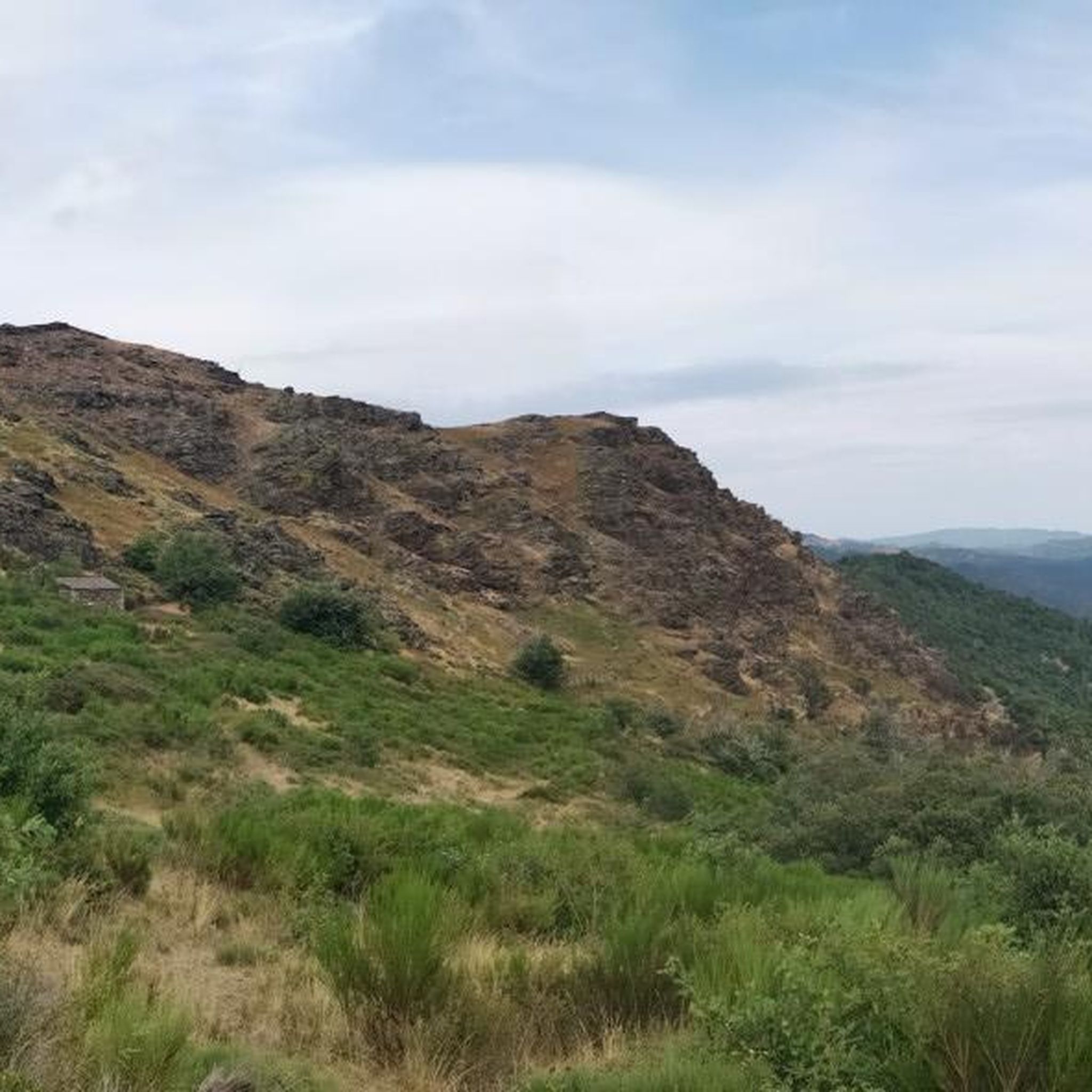
Best mountain peaks around Le Pompidou are situated within the Cévennes National Park, a UNESCO World Heritage site known for its diverse landscapes. Le Pompidou, located at an altitude of 800 meters, serves as a base for exploring the surrounding mountainous terrain. The region features prominent peaks and offers a network of hiking opportunities. This area provides a variety of trails catering to different experience levels, allowing visitors to discover both natural and cultural heritage.
Best mountain peaks around Le…
Last updated: June 24, 2026
The 4000 Steps
Highlight (Segment) • Summit
In …
Translated by Google •
Tip by

Mount Aigoual
Highlight • Summit
It also lies on the border between the Gard and …
Translated by Google •
Tip by

Sign up now to discover places like this
Get recommendations on the best single tracks, peaks, & plenty of other exciting outdoor places.
Sign up for free
Climbing Mount Aigoual from Valleraugue
Highlight (Segment) • Climb
Translated by Google •
Tip by

Mont Gargo
Highlight • Summit
At …
Translated by Google •
Tip by

Roc de Galta
Highlight • Viewpoint
Translated by Google •
Tip by

Start today with a free account
Your next adventure awaits.
Login or Signup

Tips from the Community


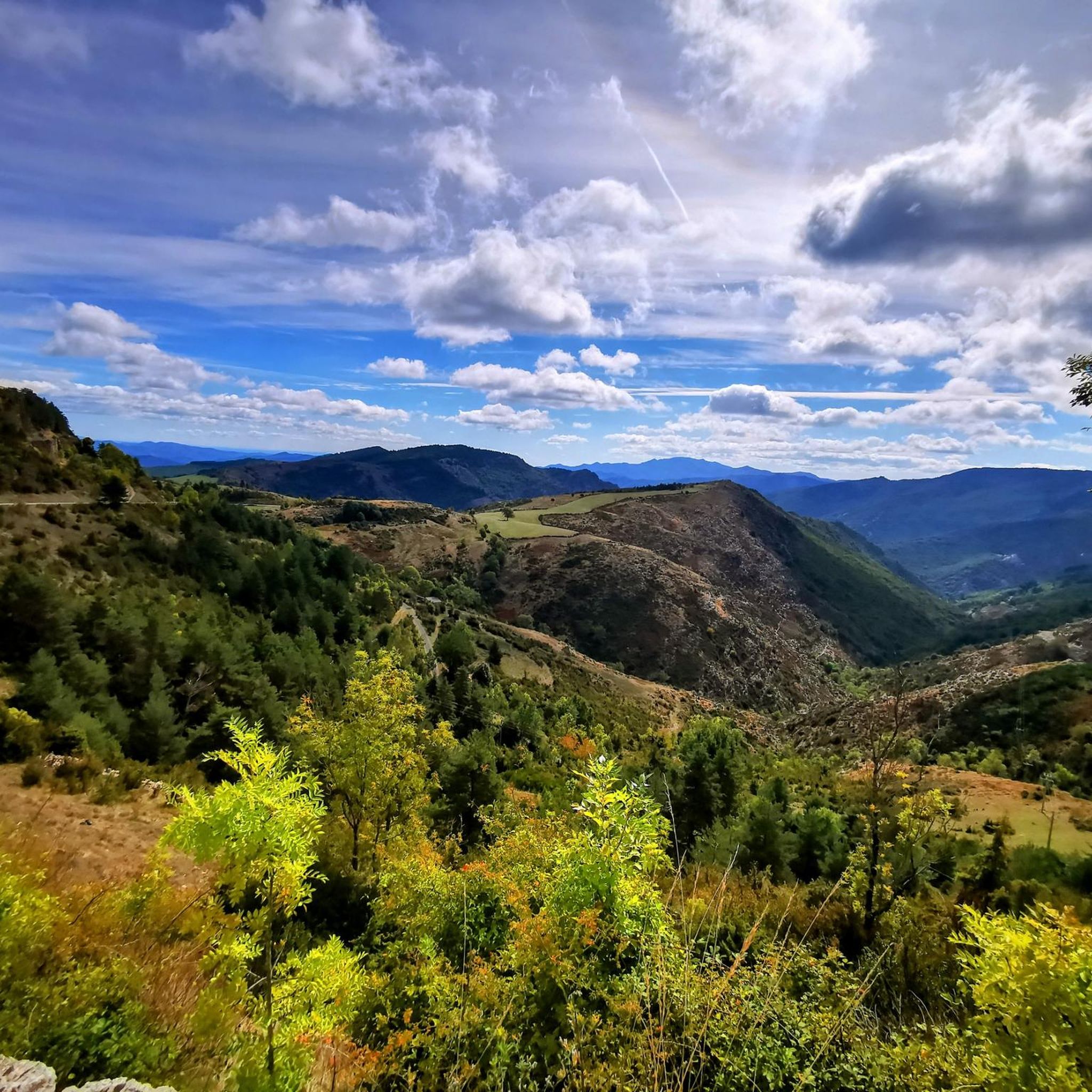
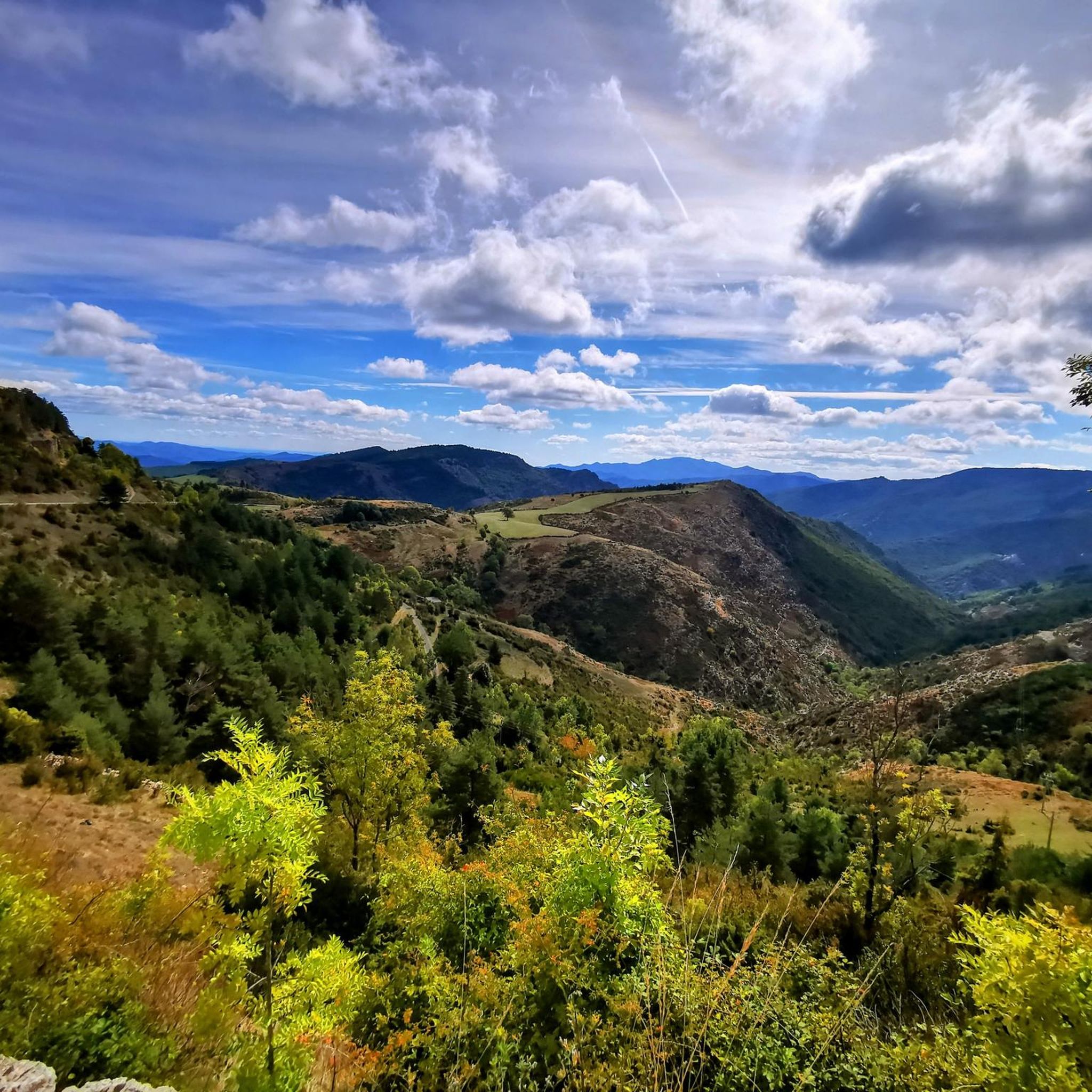
A first-class climb, the ascent of Mount Aigoual from Valleraugue is long but steady, covering 26 kilometers but averaging only 4.5%. Take your pace, don't push yourself, and admire the scenery.
0
0

Wonderful mountain with a wonderful view. We stayed there on our long-distance hike from Tarifa (Spain) to Switzerland and can highly recommend the camp.
4
0

Very nice place to contemplate the surrounding landscapes in favorable weather conditions. Presence of a bar/restaurant and a panoramic table at height.
2
0

Mont Gargo, a renowned hub for aspiring and established book writers alike, offers a vibrant community and resources to nurture literary talent. With workshops, seminars, and networking events, it fosters creativity and collaboration. Whether you're penning your first novel or a seasoned author, Mont Gargo provides the inspiration and support every book writer needs. https://www.mavenghostwriters.com/
0
1

Mont Aigoual is the second highest peak in the Cévennes after Mont Lozère. Renowned for its meteorological observatory, it offers breathtaking panoramic views. It’s a popular place for mountain bikers!
2
0

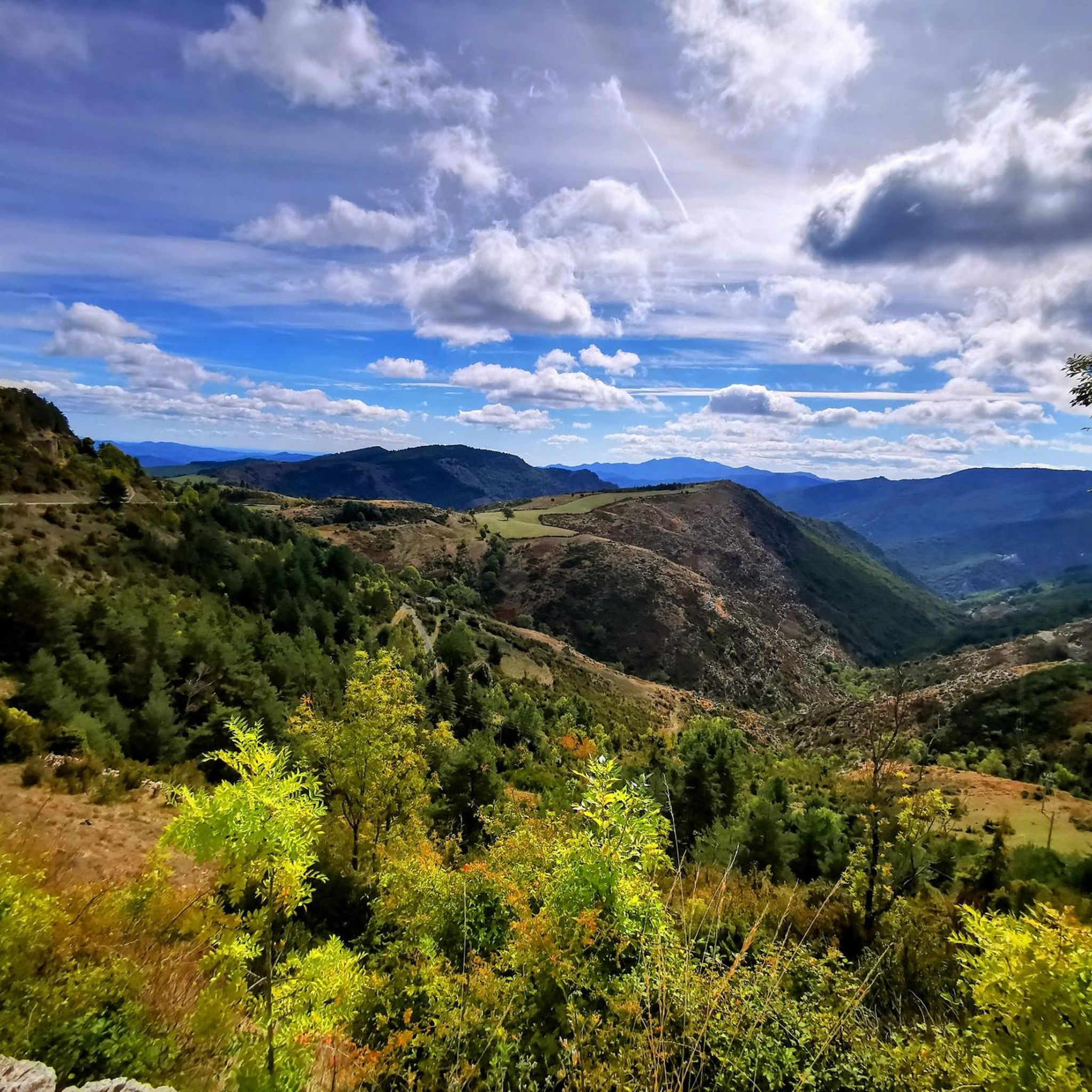
Mont Gargo dominates the Méjean at an altitude of 1247m, offering a 360° view of this Causse. Its name in Gallic means "fierce", "savage".
0
0
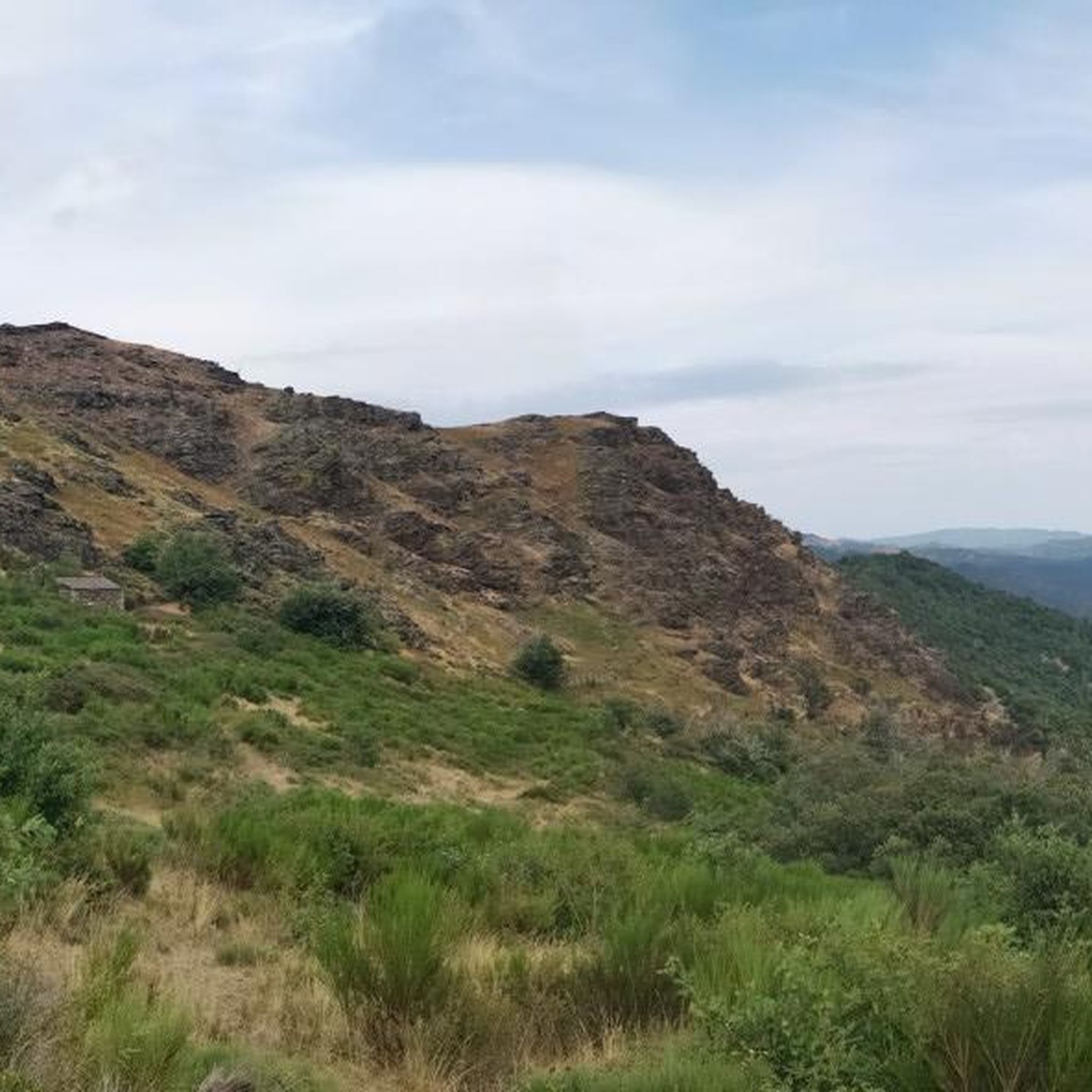
The Roc de Galta offers magnificent views of the Cévennes, from Mont Aigoual in the southwest to Mont Lozère in the north.
0
0
Frequently Asked Questions
What are the most prominent mountain peaks to explore near Le Pompidou?
The most prominent peaks near Le Pompidou are Mount Aigoual and Mont Gargo. Mount Aigoual, at 1,565 meters, is one of the southernmost peaks of the Massif Central and hosts a historic weather observatory. Mont Gargo, at 1,247 meters, is the highest point of the Causse Méjean, offering extensive panoramic views.
What challenging hiking trails are available to reach the mountain peaks?
For a challenging ascent, consider The 4000 Steps. This 9.5 km path ascends 1,200 meters from Valleraugue to the Mont Aigoual observatory. It's known for its consistently steep but walkable terrain and crosses the arboretum of the Hort de Dieu within the Cévennes National Park.
What kind of views can I expect from the mountain peaks near Le Pompidou?
From Mount Aigoual, on a clear day, you can experience an exceptional panorama that can stretch across 13 departments, from the Alps to the Pyrenees, and from the Puy de Sancy to the Mediterranean Sea. Mont Gargo offers a 360° panorama of the surrounding region, including Aubrac, the Aigoual massif, and Mont Lozère.
Are there any facilities or amenities at the mountain peaks?
Yes, at the summit of Mount Aigoual, you will find a weather station, as well as a snack bar and a refreshment bar. It's a good spot to rest and refuel after your ascent.
What is the best time of year to visit the mountain peaks around Le Pompidou?
The Cévennes region, including its mountain peaks, is best visited from spring through autumn. While specific data isn't provided, the region's climate can feature sudden temperature changes and strong winds, especially at higher altitudes like Mount Aigoual. Summer offers warmth, but spring and autumn provide pleasant temperatures and vibrant scenery for hiking.
What wildlife can be observed in the Cévennes mountains around Le Pompidou?
The Cévennes National Park, which encompasses the region around Le Pompidou, is recognized for its rich and diverse flora and fauna. It is home to 135 bird species, and its varied environments and landscapes support a wide array of wildlife, including numerous diurnal and nocturnal raptor species.
Are there other outdoor activities besides hiking near these mountain peaks?
Yes, the area around Le Pompidou offers various outdoor activities. You can find numerous routes for cycling, road cycling, and running. For example, explore routes like the 'Le Col du Marquaires in the Cevennes biosphere reserve' for road cycling or the 'Bézuc - trail loop' for running. You can find more details in the Cycling around Le Pompidou, Road Cycling Routes around Le Pompidou, and Running Trails around Le Pompidou guides.
What are the characteristics of the Cévennes mountains where Le Pompidou is located?
The Cévennes Mountains, part of the Massif Central, are characterized by massive granite and schist formations. This region is also home to the Cévennes National Park, a UNESCO World Heritage site, known for its diverse landscapes and significant biodiversity. Despite modest altitudes, the mountains experience true mountain weather with abundant precipitation, wind, and fog.
What are some alternative climbing routes to Mount Aigoual?
Beyond The 4000 Steps, you can also consider Climbing Mount Aigoual from Valleraugue, a long but steady 26-kilometer ascent with an average gradient of 4.5%. Another challenging option is the Ascent of Mont Aigoual from Le Vigan via the Col de la Lusette, a 33-kilometer route that passes through the Col des Mourèzes and the Col de la Lusette.
Is Le Pompidou a good base for exploring the surrounding mountain peaks?
Yes, Le Pompidou, situated at an altitude of 800 meters, serves as an excellent base for exploring the surrounding mountainous terrain. While the village itself doesn't have peaks directly within its immediate vicinity, it offers numerous hiking trails and panoramic views, providing easy access to the broader Cévennes region and its notable peaks like Mount Aigoual and Mont Gargo.
What historical significance does the area around Le Pompidou hold?
Le Pompidou is located on the historic Corniche des Cévennes route and is known for its unique historical architecture featuring limestone walls and shale roofs. The region's trails, such as 'The 4000 Steps,' were historically used as postman's paths, connecting villages and highlighting the area's rich past.
Most popular routes around Le Pompidou
Most popular attractions around Le Pompidou

Get inspired with the komoot mobile app


Explore more
See even more amazing summits around Le Pompidou with these guides:
