Top 3 Castles around Roscanvel
Best castles around Roscanvel are primarily historical fortifications located on the Crozon Peninsula in Finistère, France. This region is known for its military history, featuring structures designed to defend Brest and its harbor from the 17th to 19th centuries. The area offers a blend of strategic engineering and dramatic coastal landscapes, providing insight into its past importance. Many of these historical sites also offer panoramic viewpoints of the surrounding bays and the Crozon Peninsula.
Best castles around Roscanvel
- The most…
Last updated: October 16, 2026
Fort des Capucins
Highlight • Historical Site
Translated by Google •
Tip by

Fort Bertheaume
Highlight • Castle
Information: fort-de-bertheaume.bzh
Translated by Google •
Tip by

Sign up now to discover places like this
Get recommendations on the best single tracks, peaks, & plenty of other exciting outdoor places.
Fort at Pointe des Espagnols
Highlight • Monument
Showing Translation
Tip by

Fort Robert
Highlight • Castle
Translated by Google •
Tip by

Manoir de Keroual
Highlight • Historical Site
Translated by Google •
Tip by
Start today with a free account
Your next adventure awaits.
Tips from the Community

Certainly a historically interesting fortification.
0
0
The fort dates back to the 19th century and takes its name from a rock that is said to look like a praying monk - an impressive backdrop in any case.
1
0


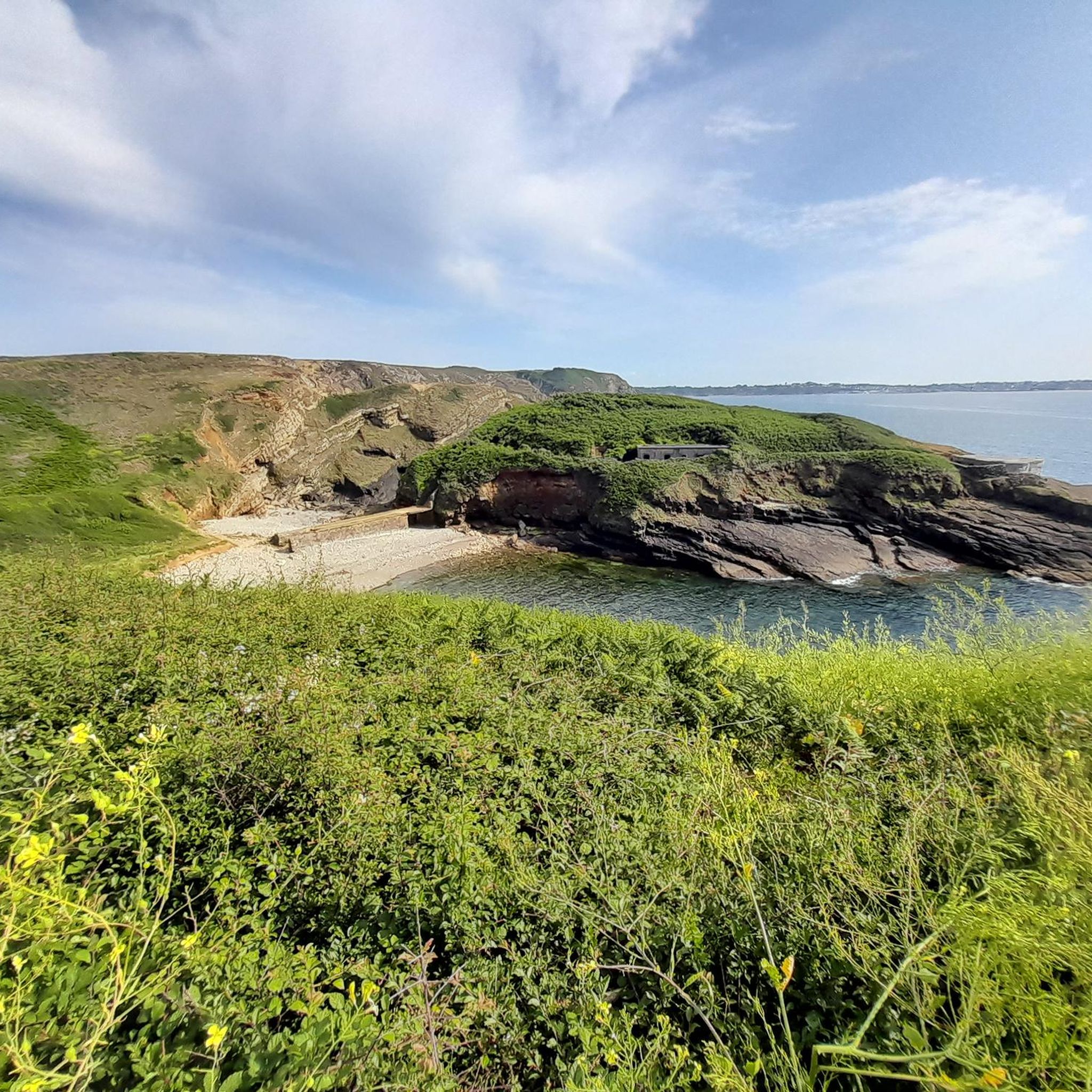
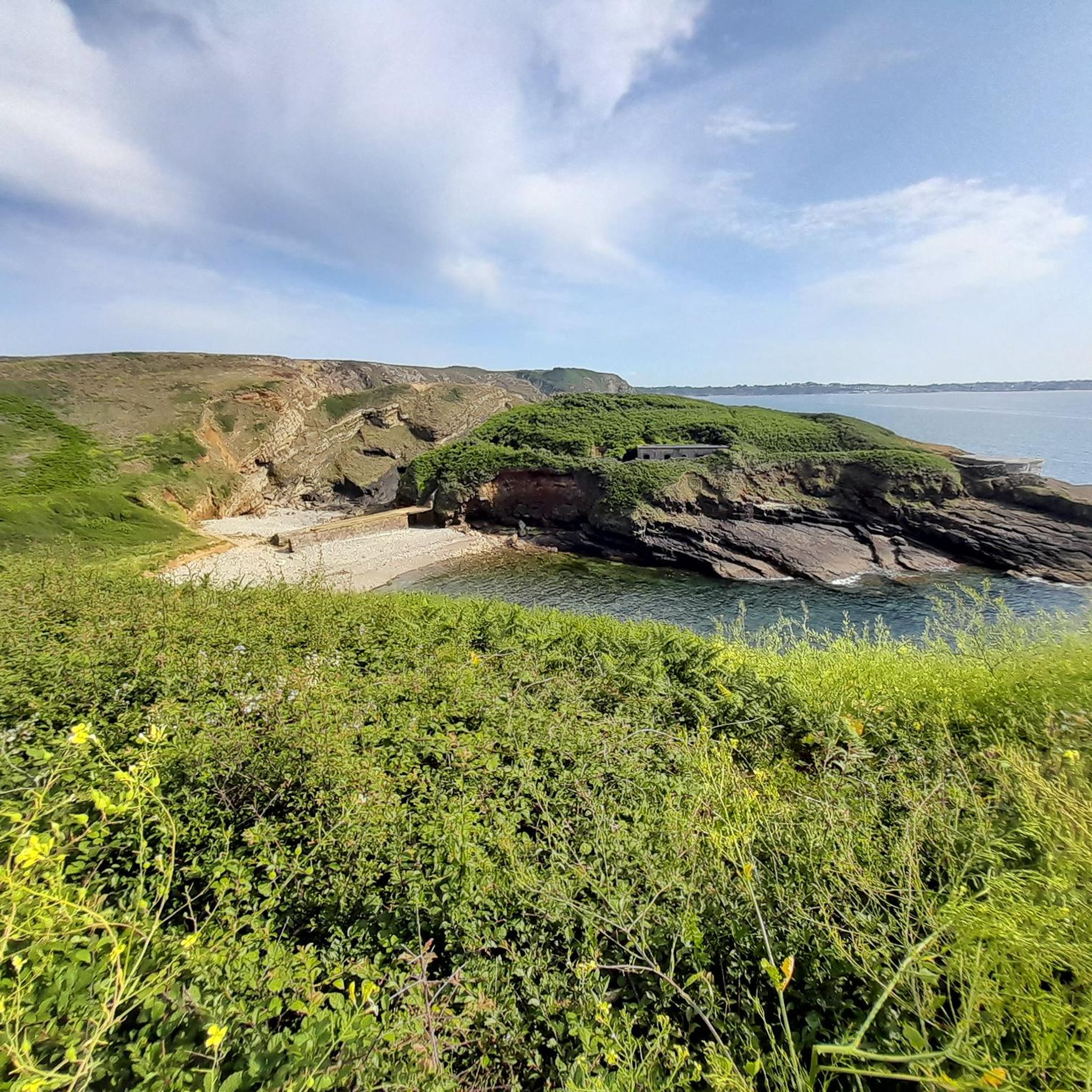
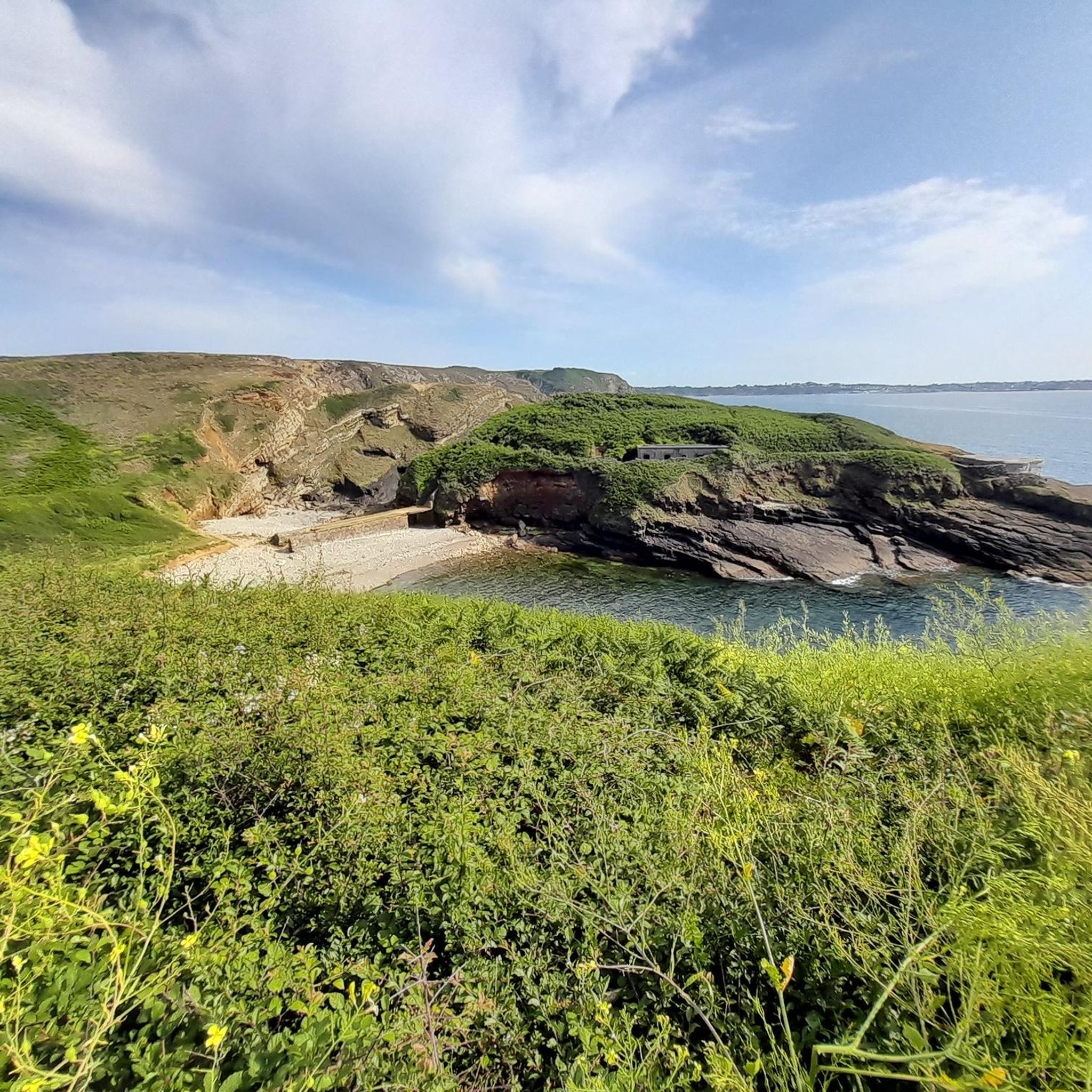
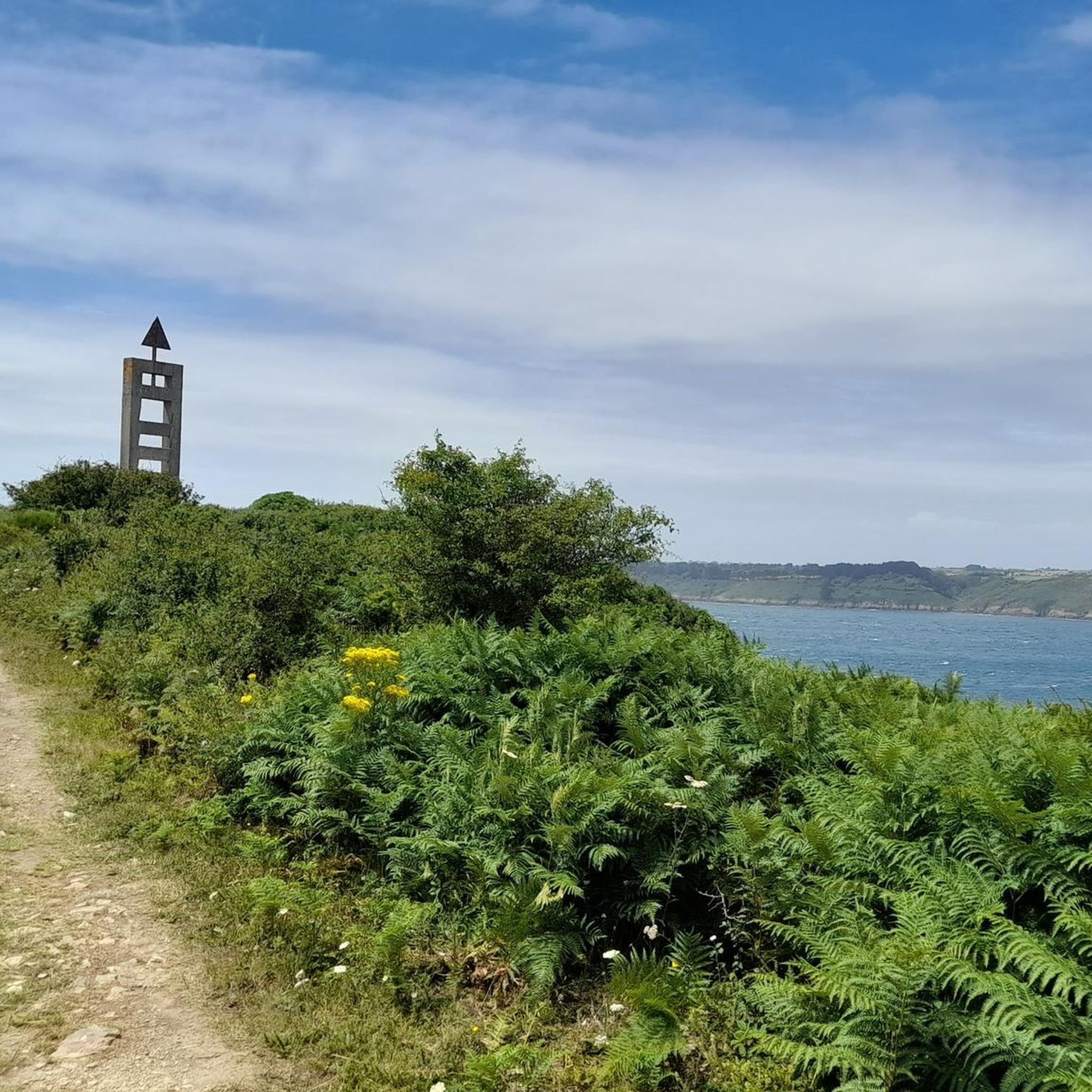
When Napoleon I noted the problems with the defense of the French coasts, he decided to implement a vast fortification program. About a hundred standardized structures, known as "model towers and redoubts of 1811", were to be built. One of them was erected in 1812 at Pointe des Espagnols. The point evolved with the performance of artillery, and the fortifications were improved until the end of the 19th century. The model tower remained unchanged until the German occupation. The Germans deployed numerous bunkers in the perimeter and razed the fort's firing platform, depriving it of its parapets and bretaches. https://www.cestenfrance.fr/fort-de-la-pointe-des-espagnols-1812/
0
1


Built by Vauban in the 17th century on a rocky islet to monitor the port of Brest. Its geographical position allows it to always have an eye on the entrance to the Goulet de Brest, an arm of the sea which connects the harbor of Brest to the Atlantic Ocean. Today the fort is accessible by a footbridge and can be visited in summer. For many centuries, the harbor of Brest attracted the desires of invaders. Since the Middle Ages, protection posts have been set up on the coasts to control its entry. The most effective of them: Bertheaume, a rocky islet located thirty meters from the shore, in Plougonvelin. In the 17th century, around 1690, at the request of Louis XIV, Vauban built a formidable fort there, which would be used militarily until 1944.
0
0

One of 45 forts and batteries located along the Iroise coast, Fort de Bertheaume was built in 1689 to guard the entrance to the Goulet de Brest. A footbridge connects the islet to the mainland.
1
0

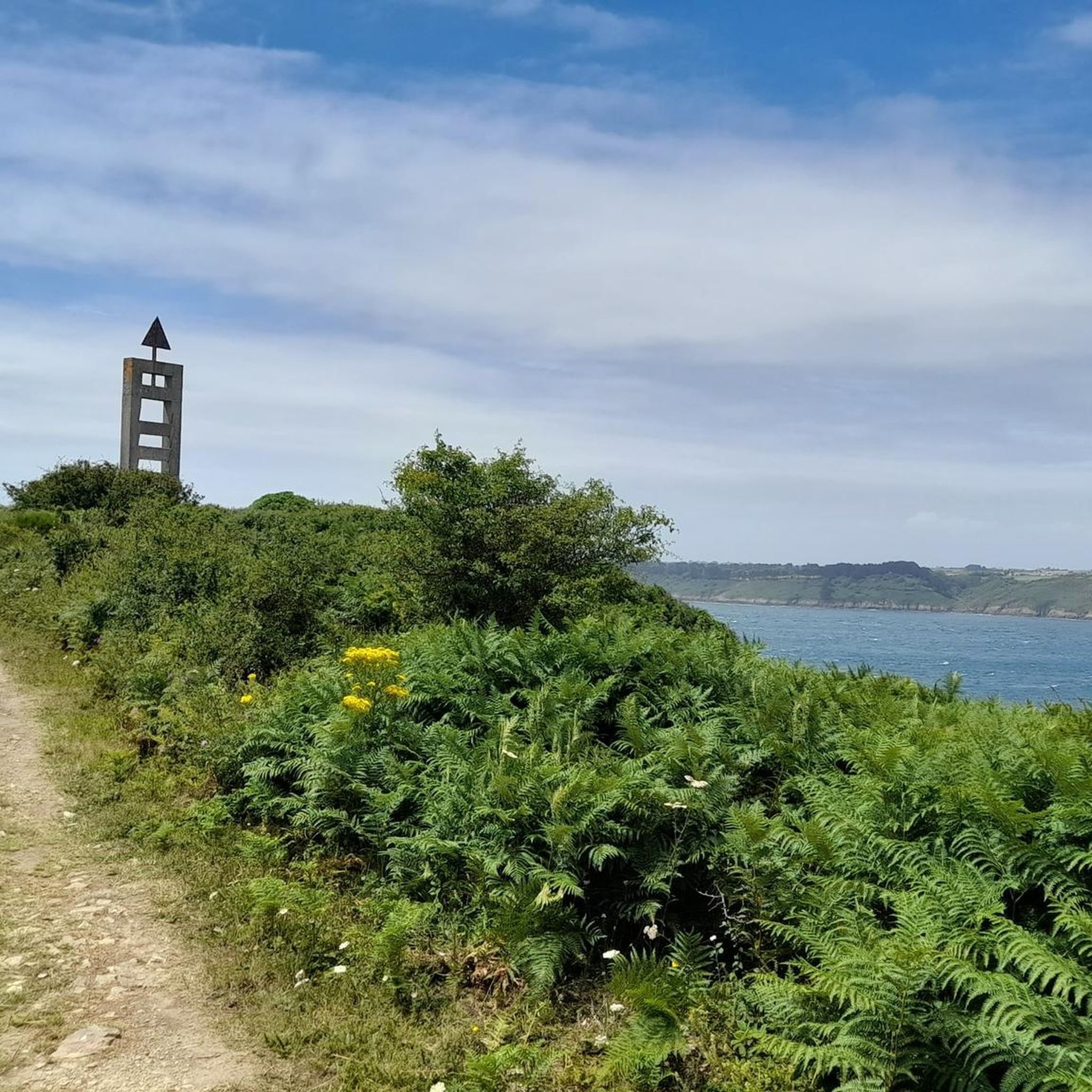
Beautiful trails at this point. The outpost at the fort has a climbing course and long zipline.
1
0
Frequently Asked Questions
What kind of historical sites can I expect to see around Roscanvel?
The 'castles' around Roscanvel are primarily robust military fortifications, many designed by Vauban, that played a crucial role in defending Brest and its harbor from the 17th to 19th centuries. These sites offer insights into strategic engineering and military history, often with dramatic coastal landscapes.
Which historical fortifications are most notable in Roscanvel?
Beyond the popular Fort des Capucins and Fort at Pointe des Espagnols, you can also explore the remains of the Fort Robert, which guarded the entrance to the Brest gully. Other significant sites include the Fort de la Fraternité and the Batterie de Cornouaille, which are important examples of coastal defense.
What historical significance do these fortifications hold?
These fortifications were vital for protecting one of France's key naval ports, Brest. Sites like the Pointe des Espagnols show layers of defense from the 16th century through WWII, reflecting centuries of strategic importance and military evolution. The Lignes fortifiées de Quélern, for instance, were built to bar passage at the narrowest point connecting the Roscanvel peninsula to Crozon.
Are there any lesser-known or 'hidden gem' fortifications to explore?
While some areas are on military land and inaccessible, the Fort de la Fraternité, facing the Devil's Islet, offers interesting ruins from 1793, including a powder magazine and defensive walls. Volunteer efforts are often underway to clean and restore parts of this site, offering a glimpse into ongoing preservation.
What are the best viewpoints near Roscanvel's fortifications?
The Fort at Pointe des Espagnols offers panoramic views of the Crozon Peninsula, Brest, and the surrounding bays from cliffs over 60 meters high. The unique location of Fort des Capucins on an islet also provides visually striking coastal scenery.
What is the best time of year to visit the fortifications around Roscanvel?
Visiting during spring or early autumn often provides pleasant weather for exploring the outdoor sites and coastal paths. Summers can be busy, while winters might be colder and windier, though still offering dramatic views.
Are the fortifications around Roscanvel accessible for families with children?
Yes, several sites are family-friendly. Fort Bertheaume and the Fort at Pointe des Espagnols are noted as family-friendly. The historical context and dramatic views can be engaging for all ages, though some areas may involve uneven terrain.
How long does it typically take to explore the main fortifications?
Exploring individual sites like Fort des Capucins or the Fort at Pointe des Espagnols can take 1-2 hours each, depending on your interest in history and photography. A full day could be spent visiting multiple sites and enjoying the surrounding coastal walks.
Are there parking facilities available at these sites?
Yes, parking is generally available near the more popular sites like Fort des Capucins and the Fort at Pointe des Espagnols, making them accessible by car.
Can I combine a visit to the fortifications with outdoor activities like hiking or cycling?
Absolutely. The Roscanvel area is excellent for outdoor activities. You can find numerous running trails, MTB trails, and road cycling routes that pass by or incorporate these historical sites, offering a blend of history and nature.
Are there specific hiking trails that incorporate these historical sites?
Yes, many trails in the area allow you to explore the fortifications. For example, the 'La pointe des Espagnols' running loop from Roscanvel passes by the Fort at Pointe des Espagnols. You can find more options in the running trails guide for Roscanvel.
What should I wear when visiting the fortifications?
Given the coastal location, it's advisable to wear comfortable walking shoes suitable for uneven terrain and potentially windy conditions. Layers are recommended, as the weather can change quickly, and a waterproof jacket can be useful.
Are any of the fortifications wheelchair accessible?
Due to the historical nature and rugged coastal locations of many fortifications, full wheelchair accessibility can be limited. Some viewpoints or main paths might be accessible, but it's best to check specific site information for detailed accessibility details before your visit.
Most popular routes around Roscanvel
Most popular attractions around Roscanvel

Get inspired with the komoot mobile app


Explore more
Looking for the best castles somewhere else? Discover other guides around Roscanvel:
