Top 2 Castles around Lanvéoc
Best castles around Lanvéoc are primarily historical forts and defensive structures, reflecting the region's strategic importance. Lanvéoc, situated on the Crozon peninsula, offers commanding views over the Brest harbor and the Aulne estuary. The area's history is marked by its role in coastal defense, with fortifications evolving from medieval times through later centuries. These sites provide insight into military architecture and the historical landscape of Brittany.
Best castles around Lanvéoc
- The most popular castles is Fort des Capucins, a…
Last updated: June 29, 2026
Fort des Capucins
Highlight • Historical Site
Translated by Google •
Tip by

Fort at Pointe des Espagnols
Highlight • Monument
Translated by Google •
Tip by

Sign up now to discover places like this
Get recommendations on the best single tracks, peaks, & plenty of other exciting outdoor places.
Sign up for free
Fort de l'Aber
Highlight • Historical Site
Translated by Google •
Tip by

Fort Robert
Highlight • Castle
Translated by Google •
Tip by

Château de Dinan Rock Formation
Highlight • Natural Monument
Tip by

Start today with a free account
Your next adventure awaits.
Login or Signup
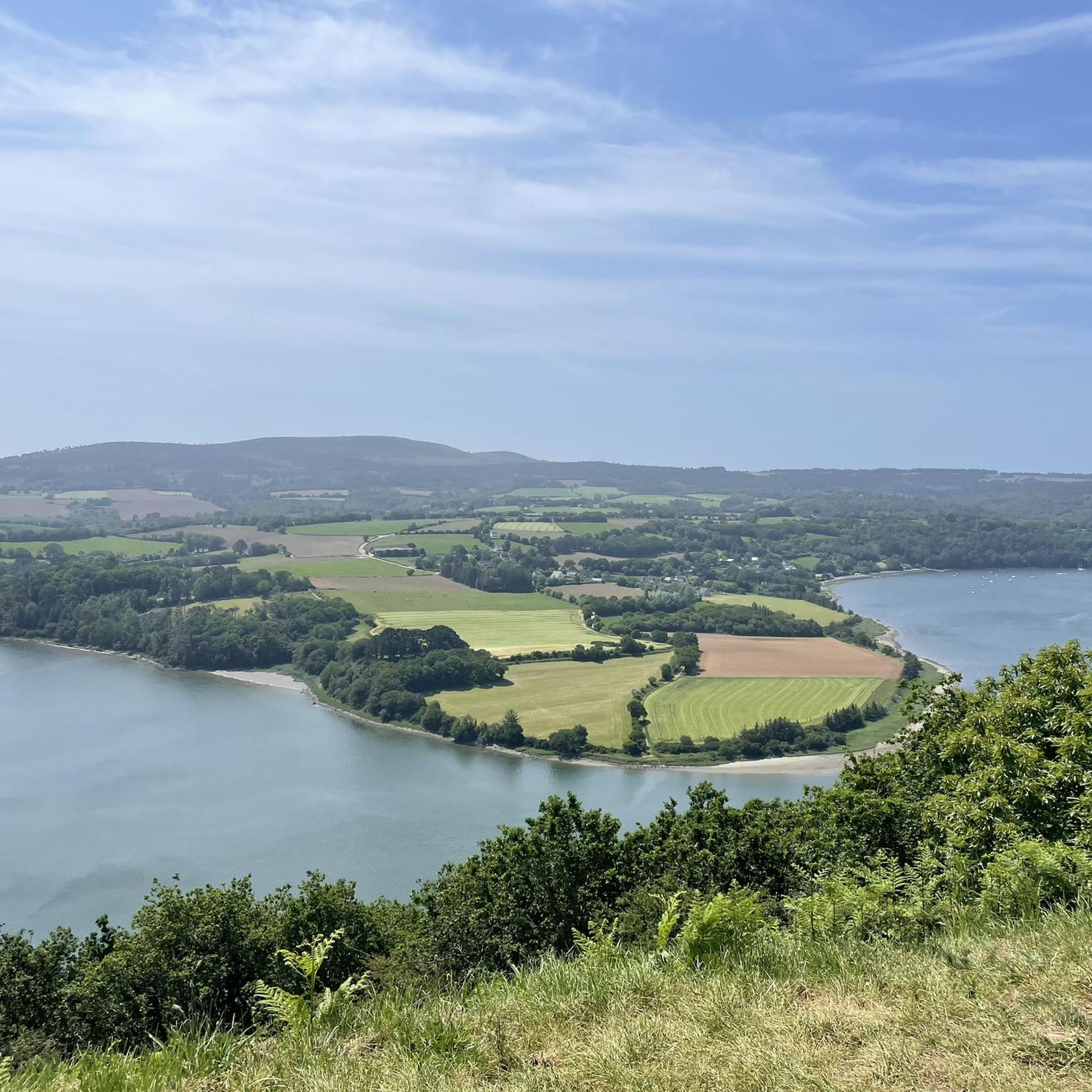
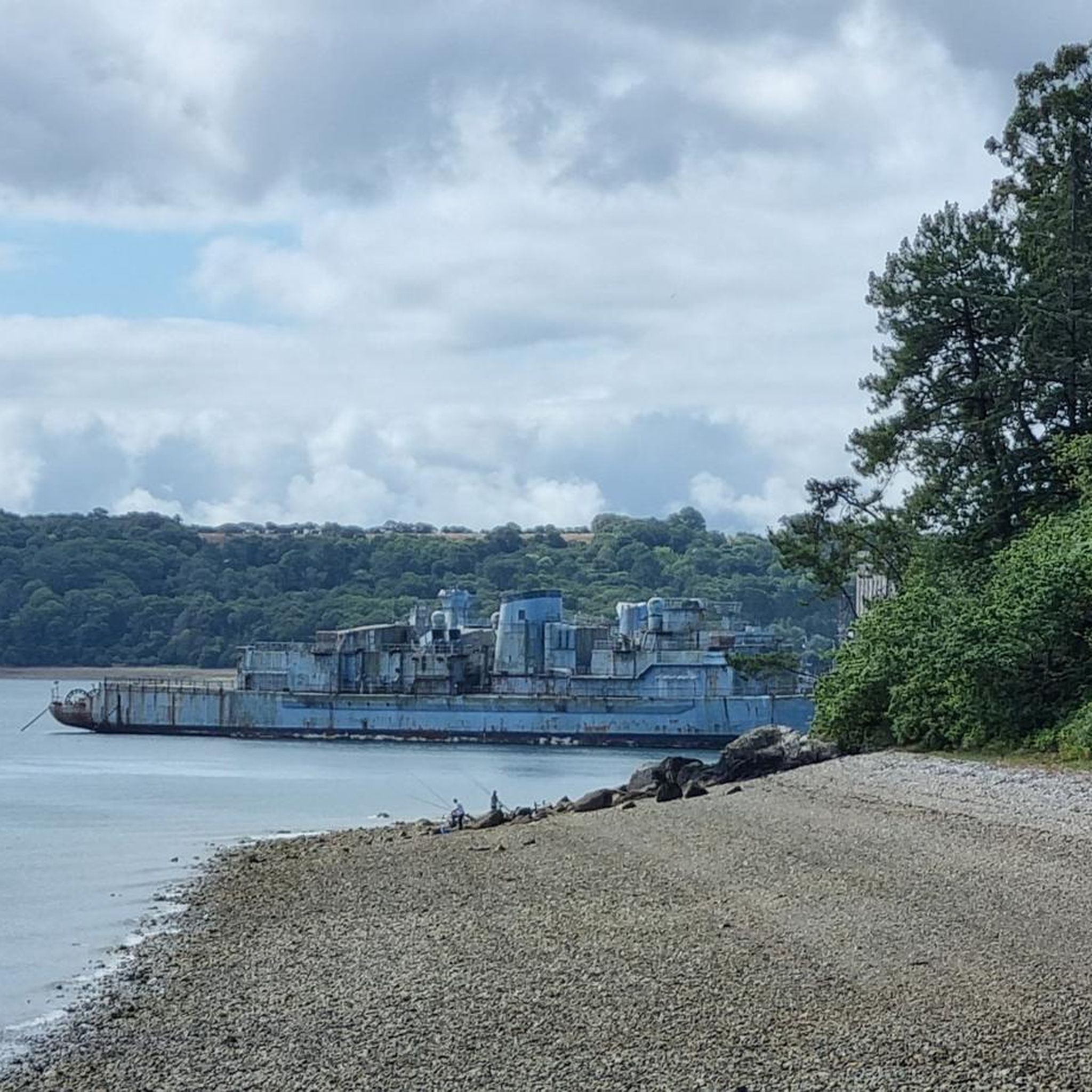
Tips from the Community

Certainly a historically interesting fortification.
0
0
The fort dates back to the 19th century and takes its name from a rock that is said to look like a praying monk - an impressive backdrop in any case.
1
0


The short detour is worth it: the ocean view is magnificent. There's a bit of a lack of information on site, but it's definitely worth a look.
0
0

When Napoleon I noted the problems with the defense of the French coasts, he decided to implement a vast fortification program. About a hundred standardized structures, known as "model towers and redoubts of 1811", were to be built. One of them was erected in 1812 at Pointe des Espagnols. The point evolved with the performance of artillery, and the fortifications were improved until the end of the 19th century. The model tower remained unchanged until the German occupation. The Germans deployed numerous bunkers in the perimeter and razed the fort's firing platform, depriving it of its parapets and bretaches. https://www.cestenfrance.fr/fort-de-la-pointe-des-espagnols-1812/
0
0


Today, only ruins remain. Fortified by Vauban at the twilight of the 17th century, Fort de l'Aber was nevertheless a key element of defense against the English. Under the dense vegetation, other ruins remain, this time dating from the Second World War.
0
0

On this peninsula, a superb little fort was built in the rock. It is not advisable to access it, but it is really a feast for the eyes, from afar anyway.
2
0
Frequently Asked Questions
What kind of 'castles' can I expect to find around Lanvéoc?
The 'castles' around Lanvéoc are primarily historical forts and defensive structures, reflecting the region's strategic importance. These sites, such as Fort des Capucins and Fort de l'Aber, offer insights into military architecture and the historical landscape of Brittany, rather than traditional medieval castles.
Is the Fort de Lanvéoc accessible to the public?
The Fort de Lanvéoc is currently property of the defense and utilized by GESMA. While it's not fully open to the public yet, there are plans for this historic site to eventually return to the commune of Lanvéoc for development and public enjoyment. Its commanding position offers picturesque views of the Brest harbor.
Are there any family-friendly forts or historical sites to visit near Lanvéoc?
Yes, the Fort at Pointe des Espagnols is considered family-friendly. It showcases the evolution of fortifications, with structures dating from Napoleon I's era in 1812 and later improvements, providing an interesting historical experience for all ages.
What are the historical highlights of the forts in the Lanvéoc area?
The forts around Lanvéoc boast a rich history of coastal defense. For example, Fort de l'Aber was fortified by Vauban in the 17th century as a key defense against English forces. The Fort at Pointe des Espagnols features structures from Napoleon I's era and later German occupation bunkers. Even the site of the Fort de Lanvéoc has been strategically important since the Middle Ages, replacing an earlier medieval castle.
What outdoor activities can I do near these historical sites?
The area around Lanvéoc offers various outdoor activities. You can find numerous routes for gravel biking, running, and cycling. Many of these routes pass by or offer views of the historical forts and the stunning coastline.
Are there scenic viewpoints near the forts around Lanvéoc?
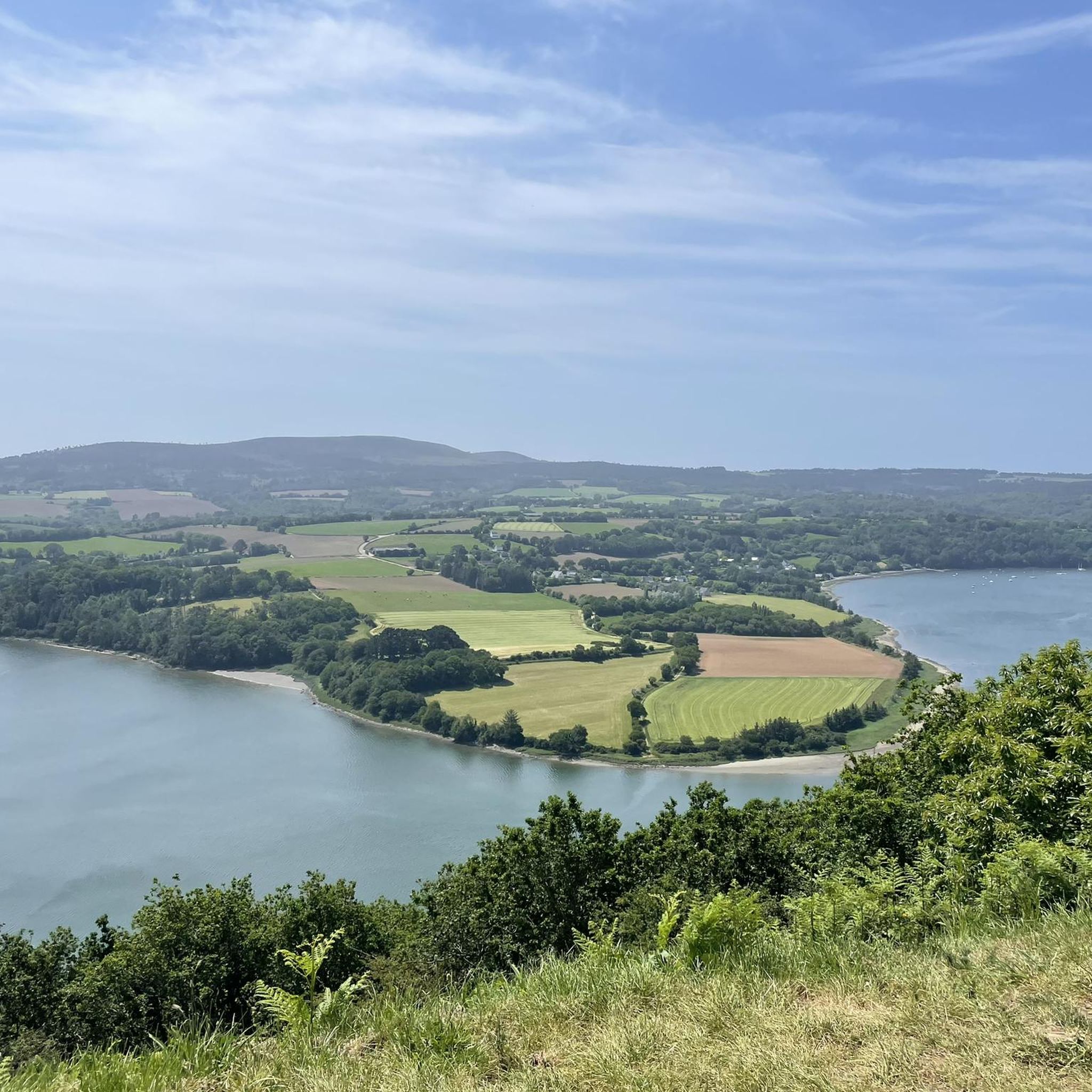
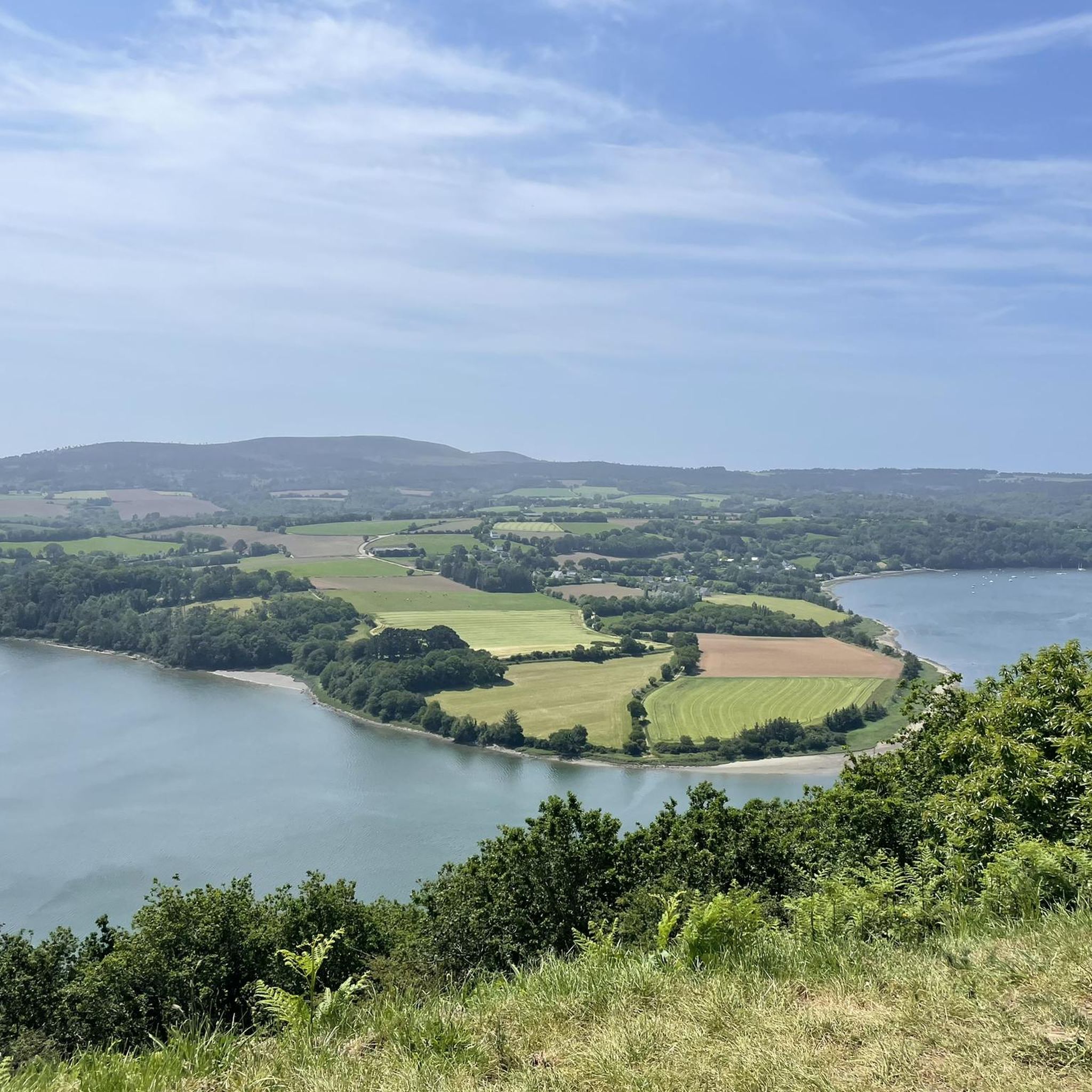
Absolutely. Many of the forts are situated in strategic locations that offer breathtaking views. Fort des Capucins is known for its picturesque setting and impressive backdrop. The Fort at Pointe des Espagnols and Fort de l'Aber also provide excellent viewpoints over the sea and surrounding landscape.
What is the best time of year to visit the forts and historical sites in Lanvéoc?
The best time to visit is generally during the spring or autumn months when the weather is pleasant for exploring and the crowds are smaller. Summer also offers good weather, but can be busier. Visiting during these seasons allows for comfortable exploration of the outdoor sites and coastal paths.
Can I visit the Fort des Capucins?
The Fort des Capucins is a unique historical site built into the rock. While it's a feast for the eyes from afar, access to the fort itself is not always advisable or permitted due to its unique construction and location. It's best appreciated for its picturesque setting and impressive backdrop.
What is the significance of Fort Robert?
Fort Robert consists of old French fortifications that guarded the entrance to the Brest gully. These fortifications were later taken over by the German army during World War II, and there was even a torpedo launching station at the base of the cliffs, highlighting its strategic military importance through different eras.
Are there any natural 'castle-like' formations in the area?
Yes, the Château de Dinan Rock Formation is a notable natural feature. These dramatic rock formations on the cliffs of Pointe de Dinan are locally known as the 'Château de Dinan' and are linked to the mainland by a natural archway, offering a stunning natural spectacle.
Are there any cafes or restaurants near the forts for visitors?
While specific cafes or restaurants directly adjacent to every fort might be limited, the nearby towns and villages, including Lanvéoc itself and Crozon, offer various options for dining and refreshments. It's advisable to check local listings or plan your visit to include stops in these areas.
What should I wear when visiting the forts and coastal areas?
Given the coastal location and potential for walking or hiking, comfortable walking shoes are highly recommended. Layers of clothing are also advisable, as weather conditions can change, and a windproof or waterproof jacket can be useful, especially outside of peak summer.
Most popular routes around Lanvéoc
Most popular attractions around Lanvéoc

Get inspired with the komoot mobile app


Explore more
Looking for the best castles somewhere else? Discover other guides around Lanvéoc:
