The best road cycling routes around Vert-Le-Petit
4.4
(267)
6,382
riders
393
rides
Road cycling routes around Vert-Le-Petit are characterized by a landscape of gentle hills and river valleys, offering varied terrain for cyclists. The region features a mix of open countryside, agricultural lands, and stretches of woodland. Elevations are generally modest, with some routes incorporating gradual ascents and descents. The area provides a network of roads suitable for different levels of road cycling experience.
Best road cycling routes around Vert-Le-Petit
- The most popular road cycling route is La Bonde Castle – Milly-la-Forêt Church loop from Ballancourt, a 60.3 miles (97.1 km) trail that takes 3 hours 53 minutes to complete. This route offers a comprehensive exploration of the local area, passing historical sites and through varied rural scenery.
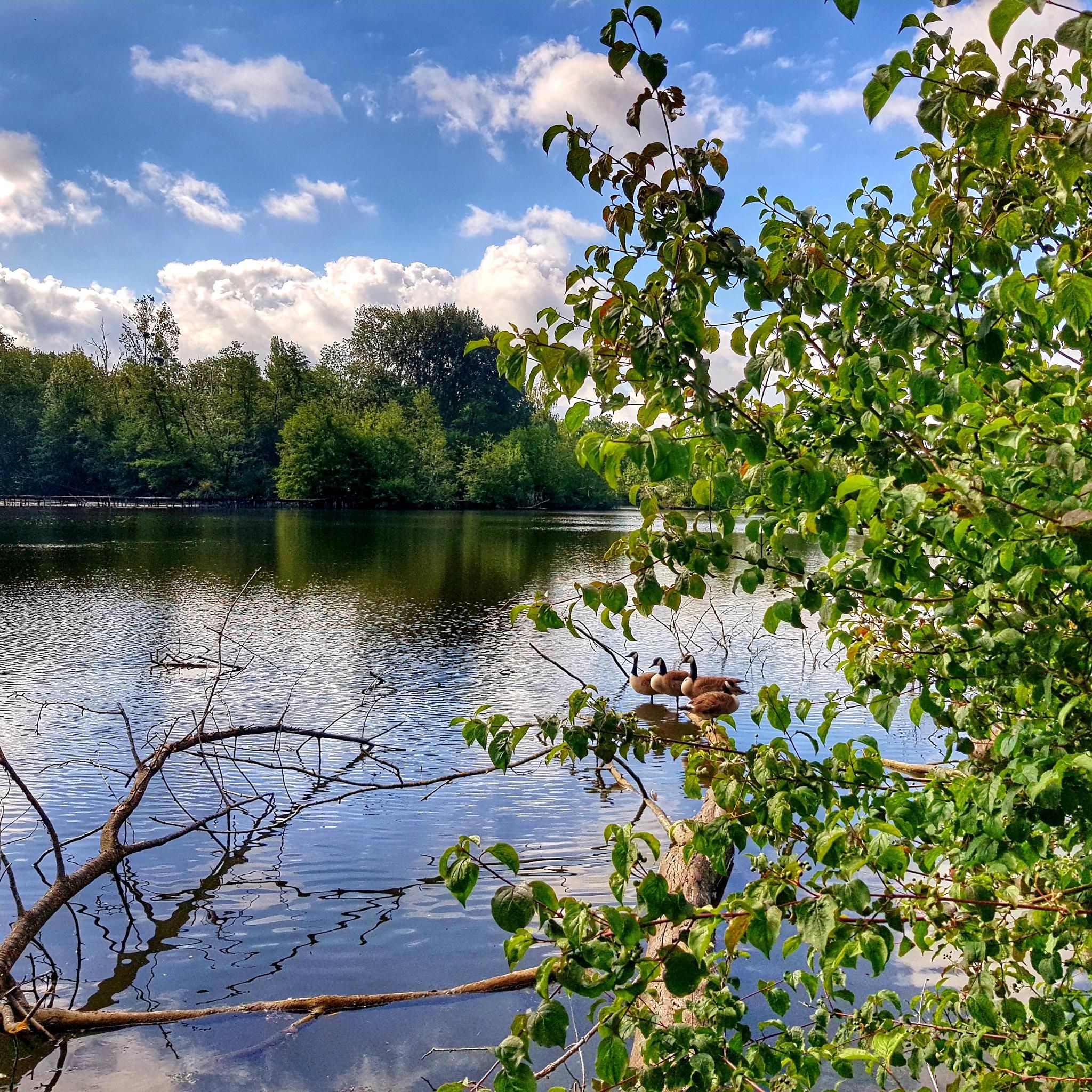
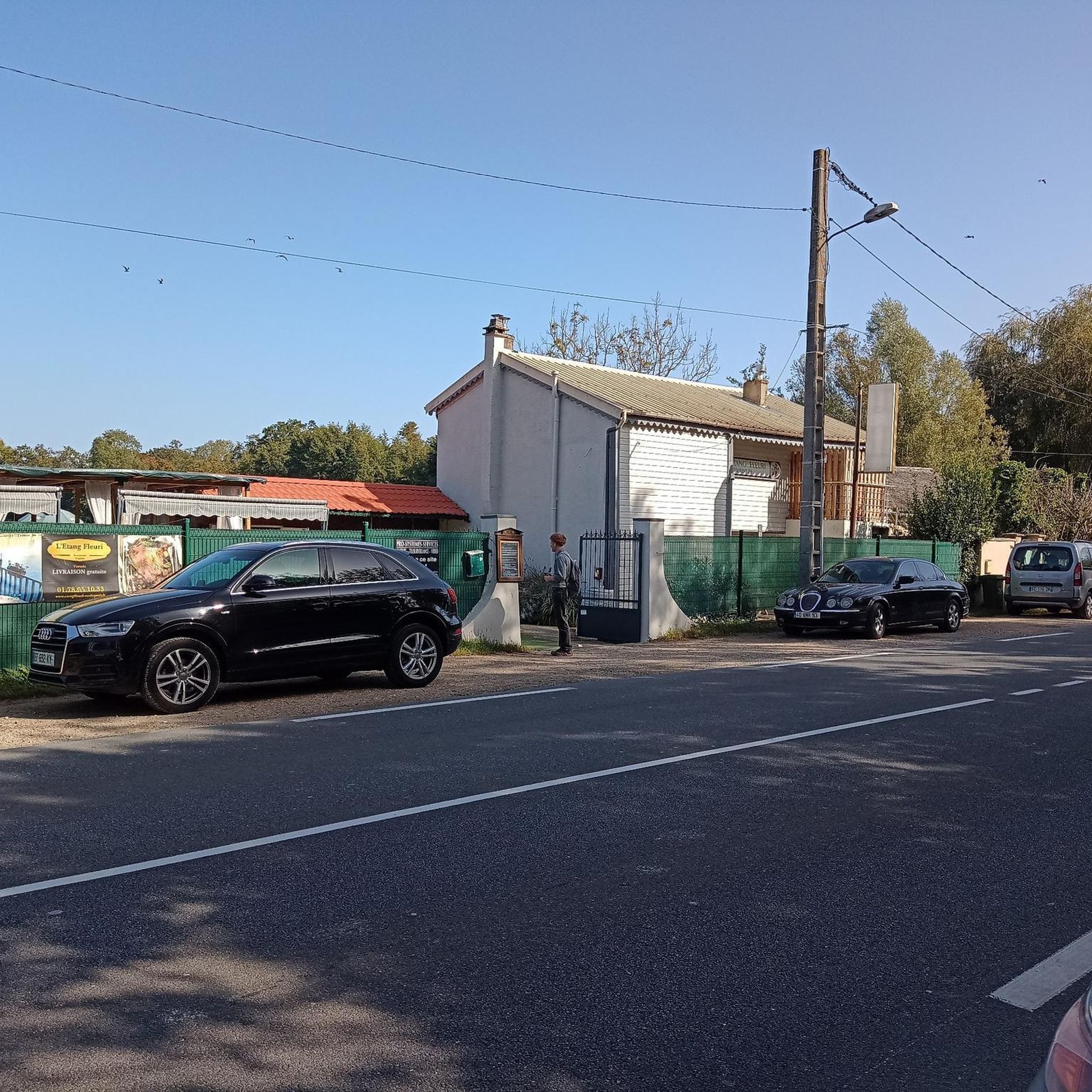
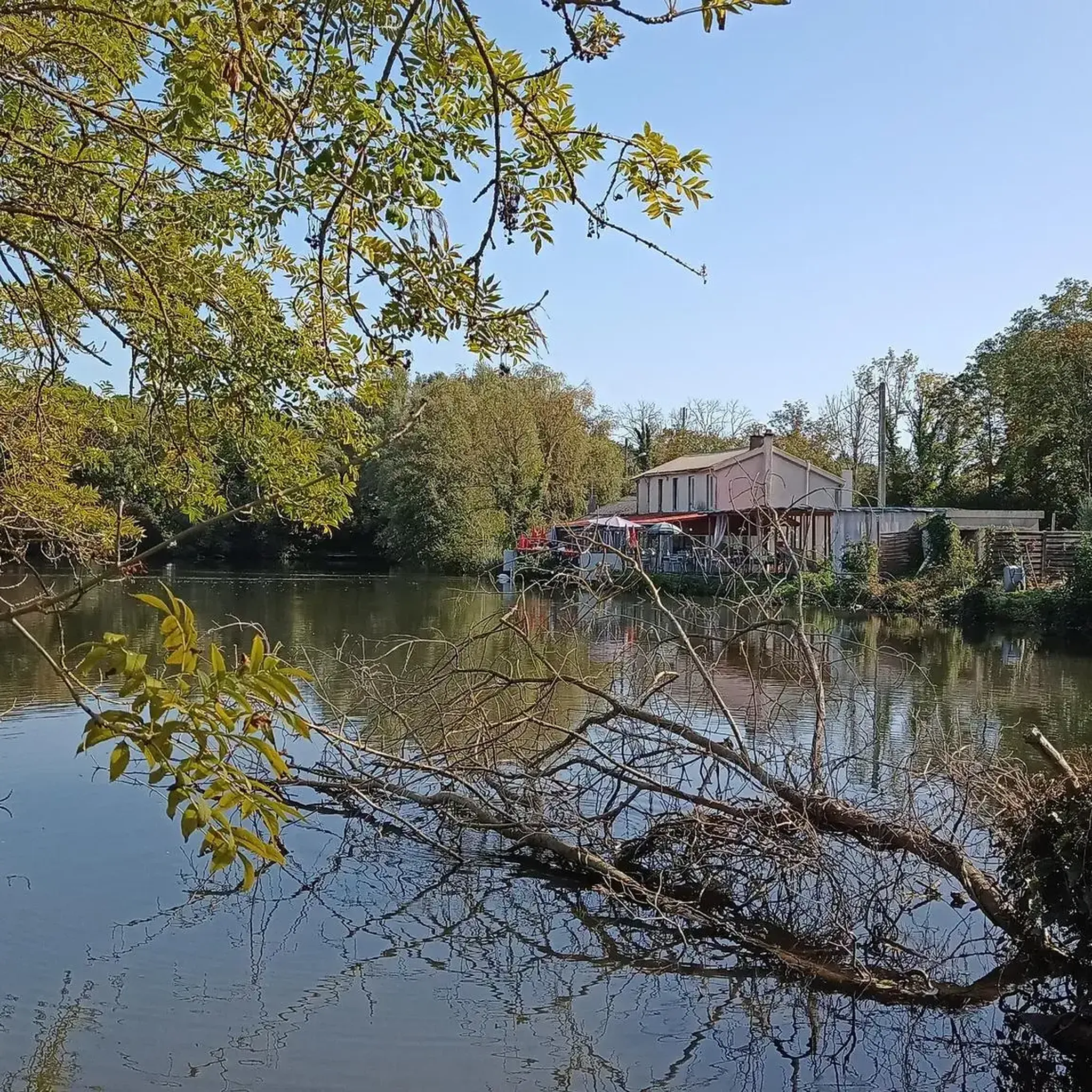
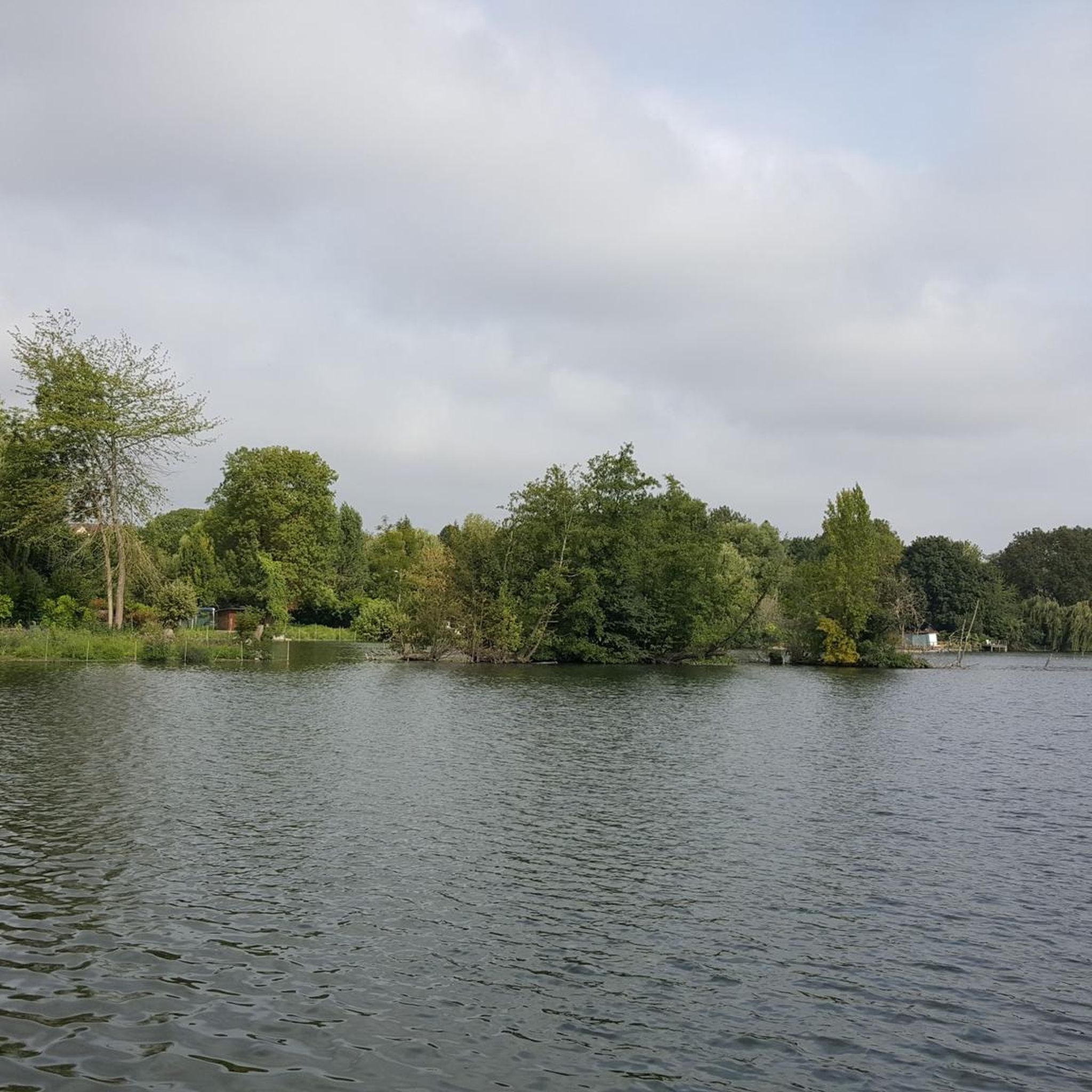
- Another top favourite among local road cyclists is The Flowered Pond Restaurant – Étangs de Vert-Le-Petit loop from Ballancourt, an easy 28.0 miles (45.1 km) path. This route provides a more relaxed ride, circling local ponds and offering views of the surrounding natural environment.
- Local road cyclists also love the Château du Mesnil-Voisin – Janville Bridge over the Juine River loop from Ballancourt, a 36.3 miles (58.4 km) trail leading through historical estates and along riverbanks, often completed in about 2 hours 28 minutes.
- Road cycling around Vert-Le-Petit is defined by its mix of open fields, river valleys, and occasional wooded sections. The network offers options for different ability levels, from easy rides to more challenging routes with greater elevation gain.
- The routes in Vert-Le-Petit are highly rated by the komoot community with an average score of 4.3 stars from over 200 reviews. More than 6,000 road cyclists have used komoot to explore Vert-Le-Petit's varied terrain.
Last updated: October 9, 2026
24
riders
88.6km
03:41
520m
520m
Moderate road ride. Good fitness required. Mostly well-paved surfaces and easy to ride.
24
riders
89.3km
03:34
360m
360m
Moderate road ride. Good fitness required. Mostly well-paved surfaces and easy to ride.

20
riders
92.9km
03:44
430m
430m
Moderate road ride. Good fitness required. Mostly well-paved surfaces and easy to ride.
5.0
(1)
15
riders
Easy road ride. Great for any fitness level. Mostly well-paved surfaces and easy to ride.
17
riders
87.2km
03:36
510m
510m
Moderate road ride. Good fitness required. Mostly well-paved surfaces and easy to ride.
Get access to more routes and recommendations from other explorers.
Already have an account?
Our route recommendations are based on thousands of hikes, rides, and runs completed by other people on komoot.
Start today with a free account
Your next adventure awaits.

Tips from the Community


The mill is said to be over two thousand years old. Joan of Arc stayed there and Louis XI is said to have donated it to his advisor Olivier le Daim.
0
0

Former market square in the heart of Milly-la-Forêt.
1
0

In 1005 the Bishop of Sens transferred the patronage of this cure to the chapter of Notre-Dame de Paris. The current church was built later. On August 18, 1538, it was dedicated to Saint-Germain, Bishop of Paris.
0
0
The church is a synthesis of different architectural types. The oldest part, the bell tower, dates from the end of the 11th – beginning of the 12th century. Towards the end of the 12th – beginning of the 13th century, a nave with two bays, vaulted on ribbed vaults, was added to it. For aesthetic reasons, three buttresses were leveled above the vaults. The remains of this first church are still visible. At the end of the 15th century, after the Hundred Years' War, the increase in population led to the enlargement of the nave, which brought the number of bays to five, and to the creation of the side aisles. This well-proportioned building deserves a thorough visit.
0
0

Lovely place for a bike ride.
0
0
A heritage site that is exceptional.
0
0

One of my favorite routes. Little traffic in general. The banks of the Seine are quite pleasant up to Fontaine le port.
0
0
Frequently Asked Questions
How many road cycling routes are available around Vert-Le-Petit?
There are over 400 road cycling routes around Vert-Le-Petit, offering a wide variety of options for different skill levels and preferences.
Are there easy road cycling routes suitable for beginners in Vert-Le-Petit?
Yes, Vert-Le-Petit offers a good selection of easy road cycling routes. For instance, The Flowered Pond Restaurant – Étangs de Vert-Le-Petit loop from Ballancourt is an easy 28.0-mile (45.1 km) path, ideal for a relaxed ride around local ponds.
What are some longer distance road cycling routes near Vert-Le-Petit?
For longer rides, consider routes like La Bonde Castle – Milly-la-Forêt Church loop from Ballancourt, which covers 60.3 miles (97.1 km) and explores historical sites and varied rural scenery. Another option is Superb road between forests – Château de Courances loop from Ballancourt, an 88.8 km route featuring scenic roads through forests.
Are the road cycling routes around Vert-Le-Petit typically circular?
Many of the road cycling routes in the Vert-Le-Petit area are designed as loops, allowing you to start and finish at the same point. This includes popular routes like the Château du Mesnil-Voisin – Janville Bridge over the Juine River loop from Ballancourt.
What kind of scenery can I expect on road cycling routes in Vert-Le-Petit?
The region features a diverse landscape of gentle hills, river valleys, open countryside, agricultural lands, and stretches of woodland. You'll encounter a mix of natural beauty and historical elements, such as châteaux and charming villages.
What do other road cyclists say about the routes in Vert-Le-Petit?
The road cycling routes in Vert-Le-Petit are highly rated by the komoot community, with an average score of 4.3 stars from over 200 reviews. Cyclists often praise the varied terrain, the mix of open fields and wooded sections, and the options available for different ability levels.
Are there any challenging road cycling routes for advanced riders in Vert-Le-Petit?
While elevations are generally modest, some routes incorporate gradual ascents and descents that can provide a good challenge. There are 17 routes classified as 'difficult' in the area for those seeking more demanding rides.
What historical sites or landmarks can I see along the road cycling routes?
Many routes pass by historical sites. For example, the La Bonde Castle – Milly-la-Forêt Church loop from Ballancourt takes you past La Bonde Castle and the Milly-la-Forêt Church. The Château du Mesnil-Voisin – Janville Bridge over the Juine River loop from Ballancourt leads through historical estates and along riverbanks.
Is public transport available to access road cycling routes in Vert-Le-Petit?
Vert-Le-Petit is accessible by public transport, particularly regional train services that connect to nearby towns. It's advisable to check local train schedules and bicycle carriage policies for specific routes and stations.
Are there less crowded road cycling routes or 'hidden gems' in the Vert-Le-Petit area?
While specific 'hidden gems' are subjective, exploring some of the less-trafficked local roads and smaller village loops, such as the Bouville Village loop from Ballancourt, can offer a quieter experience away from more popular trails.
What is the best time of year to go road cycling in Vert-Le-Petit?
The region's gentle climate makes spring and autumn particularly pleasant for road cycling, with comfortable temperatures and beautiful scenery. Summer is also suitable, though it can be warmer, and winter rides are possible on clear days.
Most popular routes around Vert-Le-Petit
Most popular attractions around Vert-Le-Petit

Get inspired with the komoot mobile app


Explore more
Browse the best Road cycling routes in other regions.
