Attractions and Places To See around Fontaine-Lès-Luxeuil - Top 17
Attractions and places to see around Fontaine-Lès-Luxeuil offer insights into local history and natural features in the Haute-Saône department. This village, known for its abundant springs, provides a tranquil setting for exploring heritage and the surrounding region. It holds historical significance, with roots tracing back to early Christian missionaries and Gallo-Roman vestiges. The area serves as a base for discovering both historical sites and natural points of interest.
Best attractions and places to see around Fontaine-Lès-Luxeuil
- The most popular attractions is Planey Spring, a river that features crystal clear water with an intense blue color closer to its source. This sinkhole is 35m deep, and its water maintains a mild temperature of 11°c year-round.
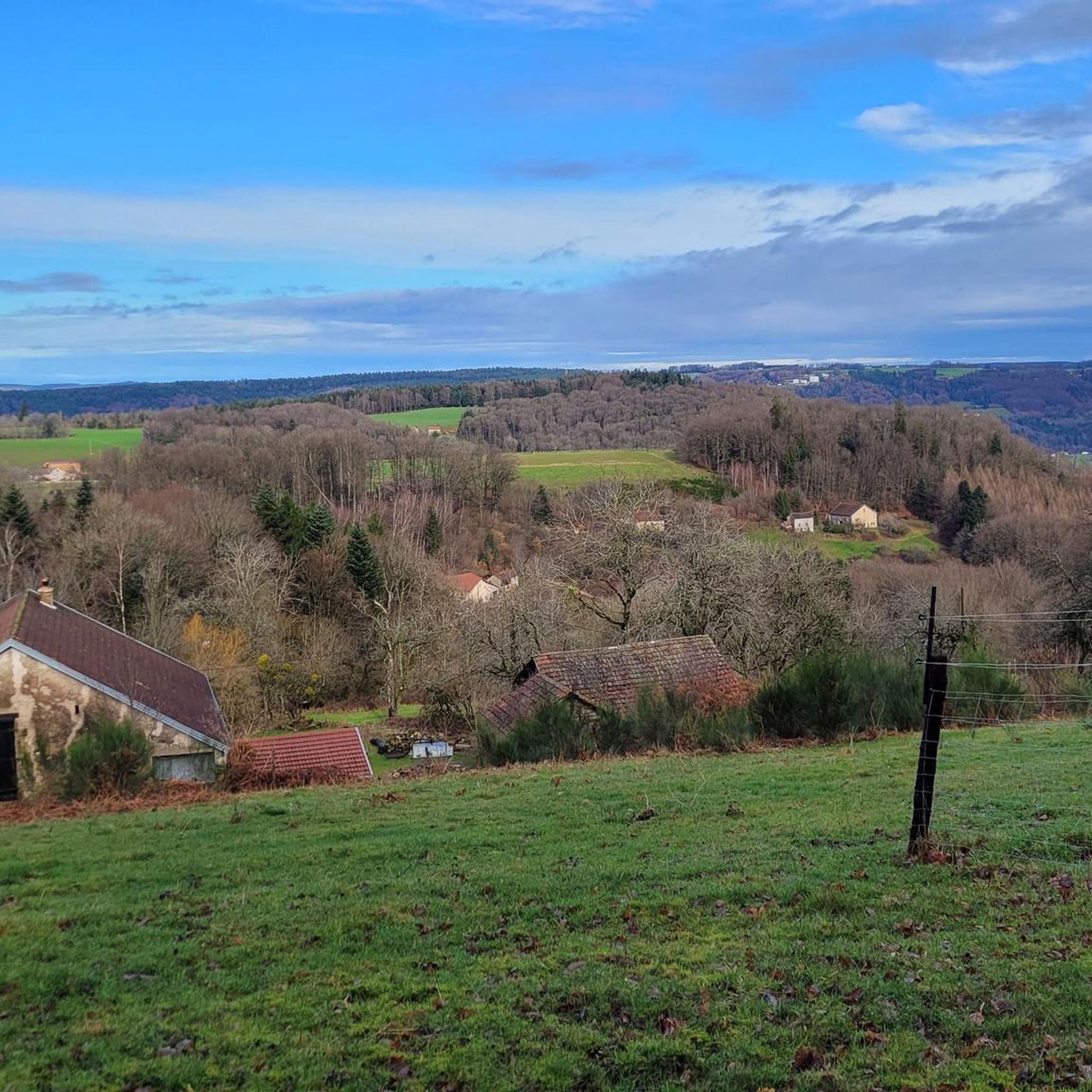
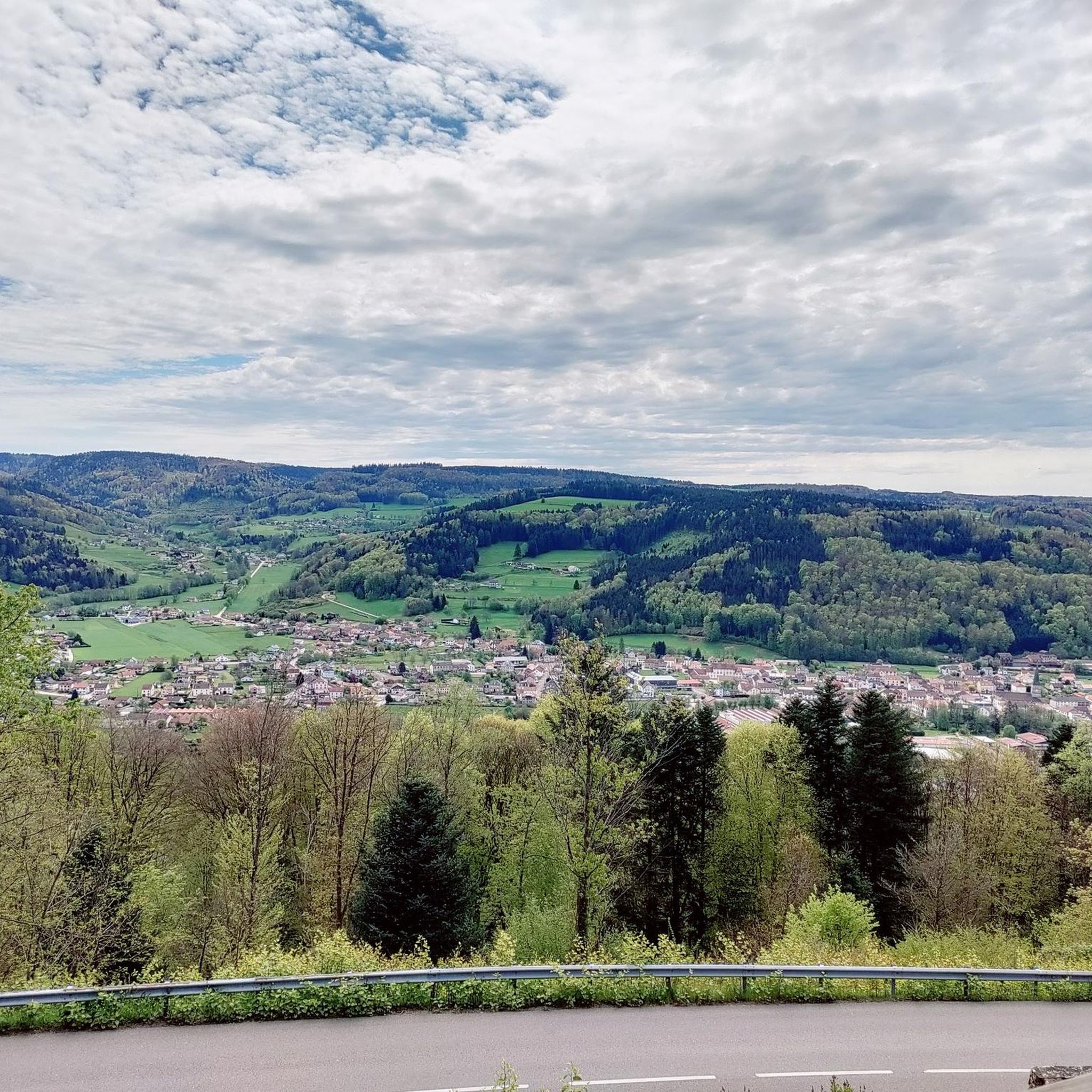
- Another must-see spot is View of Blanzey, a viewpoint offering panoramas of Blanzey, Fougerolles, and the Vosges mountains. From this location, visitors can observe the cherry orchards of the region.
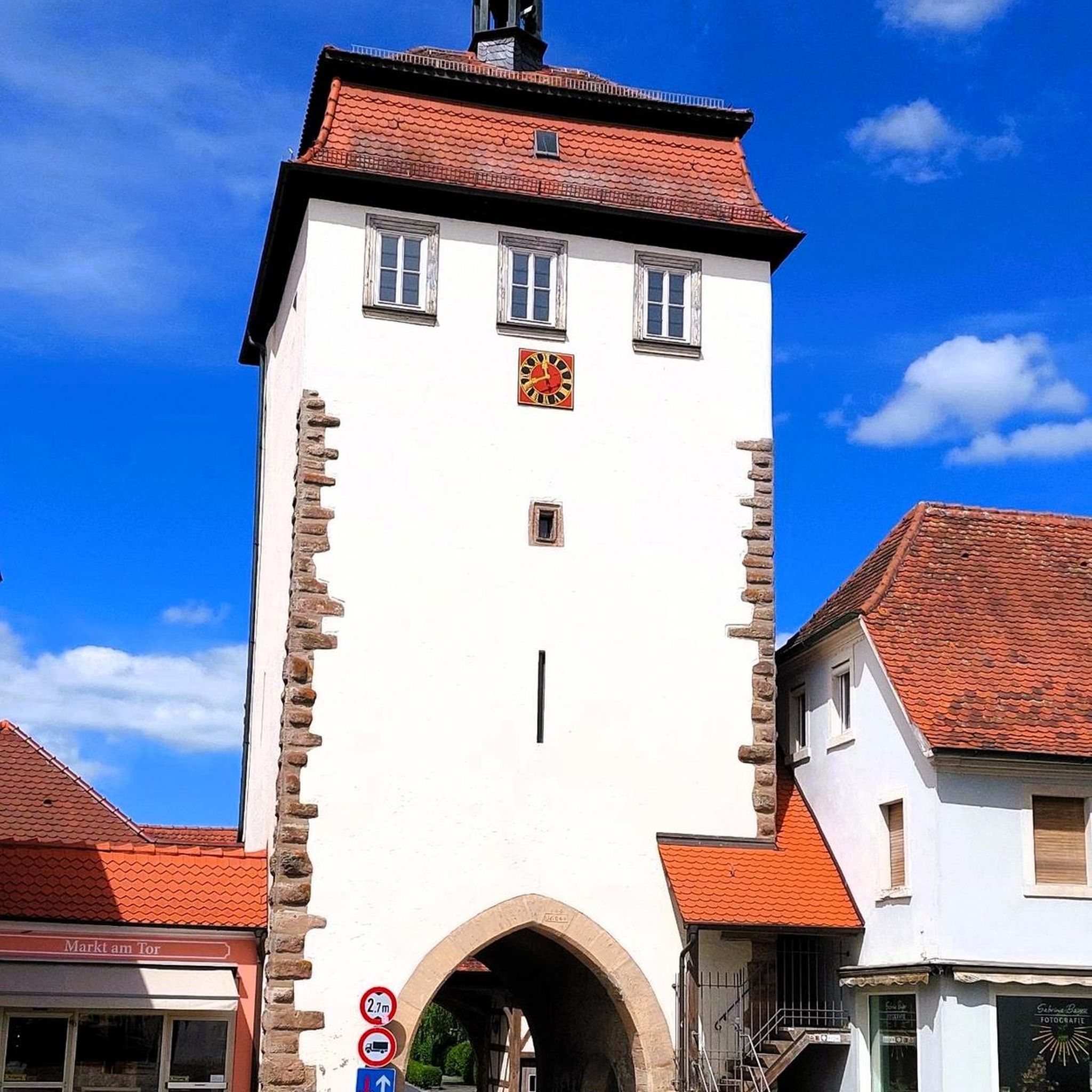
- Visitors also love Saint-Étienne Church, a religious building listed as a Historic Monument. It features a notable organ inside.
- Fontaine-Lès-Luxeuil is known for its historical sites, natural springs, and religious architecture. The region offers a variety of attractions to see and explore, from ancient heritage to natural viewpoints.
- The attractions around Fontaine-Lès-Luxeuil are appreciated by the komoot community, with 71 photos and 62 upvotes shared by visitors.
Last updated: July 6, 2026
Saint Columban Abbey
Highlight • Other
After the monastery was destroyed by the Saracens and many of its monks were murdered around 732, it was restored as a Benedictine monastery by Charlemagne.
The Benedictine monastery of Luxeuil joined the Congregation of Saint-Vannes in 1634, and the monastery was closed in 1790 as a result of the French Revolution. (Wikipedia)
Translated by Google •
Tip by

Luxeuil-les-Bains Thermal Baths
Highlight • Other
More than a dozen warm springs (43-63 °C) already invited the Romans to bathe. The oldest thermal bath in France was built here in the 18th century. The historic thermal building, which has now been modernly furnished, is located in a park in the north of the city. (Wikipedia)
Translated by Google •
Tip by
Sign up now to discover places like this
Get recommendations on the best single tracks, peaks, & plenty of other exciting outdoor places.
Sign up for free
Planey Spring
Highlight • River
Translated by Google •
Tip by
Basilica of Saint Pierre
Highlight • Other
Translated by Google •
Tip by
View of Blanzey
Highlight • Viewpoint
Translated by Google •
Tip by

Sign up for free to discover even more attractions around Fontaine-Lès-Luxeuil.
Sign up for free
Already have an account?
Start today with a free account
Your next adventure awaits.
Login or Signup


Tips from the Community

The Abbey of Saint-Colomban was looted and destroyed in the 8th century, then rebuilt in the 11th century. Secularized during the French Revolution, it was transformed into a minor seminary, then a Catholic college. When the diocese was no longer able to bear the maintenance costs of this immense complex, it was sold in 2024 by the diocese of Besançon to Pascale and Jean-Yves Parisot. Since then, the abbey has been undergoing a complete renovation for over ten million euros.
1
0
It is here that the Romans built the first thermal establishments. The small town therefore prides itself on being the oldest spa town in France. The current thermal establishment only saw the light of day in the 18th century; it was built from red sandstone from the Vosges. Its architect was Nicolas Didelot, a student of Claude-Nicolas Ledoux, the creator of the Saline Royale d'Arc-et-Senans.
1
0

A very impressive monastery complex.
3
6

The organ, originally dating from 1617, is worth seeing. The body is carved from wood.
2
0
The thermal baths are definitely worth a visit. Beautiful grounds all around.
2
0

The closer you get to the actual source, the stronger the blue color of the crystal clear water becomes!
7
0
The Basilica of Saint Pierre (a parish church since 1840) dates back to the 13th and 14th centuries; of its three towers, only one remains, having been rebuilt in 1527. Inside the church, the baroque organ front from the 17th century, the pulpit from Notre-Dame in Paris from 1806, a 16th-century sculpture of Christ lying on a stone table, and the neo-Gothic reliquary of St. Columban are particularly worth seeing. The choir stalls date from the 16th century.
7
0
The modern extension at the back is now a bit old and does not contribute to the beautification of the historic part of the building. More than a dozen warm springs (43-63 °C) already invited the Romans to bathe. The oldest thermal bath in France was built here in the 18th century. The historic thermal building, which has now been modernly furnished, is located in a park in the north of the city. (Wikipedia)
7
0
Frequently Asked Questions
What historical sites can I explore in Fontaine-Lès-Luxeuil?
Fontaine-Lès-Luxeuil boasts a rich history. You can explore the vestiges of a Roman road and fragments of stelae in the gardens of the former priory. The village also features a 19th-century church with a distinctive pointed bell tower and a 19th-century chapel dedicated to Saint Pancras. A pedestrian hiking circuit, the "Circuit à la découverte de Fontaine," allows you to discover these historical elements alongside local flora and fauna.
What is the significance of Saint Columban in the region?
Saint Columban founded a priory in Fontaine-Lès-Luxeuil around 595, drawn by the area's abundant springs. Although the original priory buildings were sold after the French Revolution, the site remains a significant historical landmark. Nearby, in Luxeuil-les-Bains, you can visit the Saint Columban Abbey, which houses an exceptional archaeological site revealing 2,000 years of history related to the saint and the region.
Where can I find unique natural features around Fontaine-Lès-Luxeuil?
The region is known for its abundant springs. A particularly unique natural feature is the Planey Spring, a sinkhole where the crystalline water becomes intensely blue closer to its source. This 35-meter deep sinkhole maintains a mild temperature of 11°C year-round. You can also explore the Forêt du Banney near Luxeuil-les-Bains, which features the "Sentier des fontaines" (Fountain Trail) with several mysterious springs, some with Celtic origins.
Are there good viewpoints for scenic panoramas?
Yes, the View of Blanzey offers expansive panoramas of Blanzey, Fougerolles, and the Vosges mountains. From this spot, you can also observe the cherry orchards that characterize the region.
What kind of outdoor activities are available near Fontaine-Lès-Luxeuil?
The area offers various outdoor activities, particularly cycling and running. You can find numerous road cycling routes, such as the "Chalet de la Feuillée Nouvelle loop from Fontaine-lès-Luxeuil," and running trails like the "Running loop from Fontaine-lès-Luxeuil." For more options, explore the dedicated guides for Road Cycling Routes, Running Trails, and Cycling around Fontaine-Lès-Luxeuil.
Are there family-friendly attractions around Fontaine-Lès-Luxeuil?
Many of the natural and historical sites are suitable for families. The village itself has a playground and a picnic area. The Planey Spring and the View of Blanzey are both considered family-friendly highlights. The "Circuit à la découverte de Fontaine" is a pedestrian circuit that can be enjoyed by families interested in local heritage and nature.
What can I explore in nearby Luxeuil-les-Bains?
Just 5 km away, Luxeuil-les-Bains is a historic spa town. Here you can visit the Saint Columban Abbey and the Basilica of Saint Peter. The town also features the Luxeuil-les-Bains Thermal Baths, established since Roman times, and a heritage trail with 17 listed monuments. The nearby Forêt du Banney offers the "Sentier des fontaines" for nature walks.
Are there other interesting towns or cultural sites nearby for a day trip?
Yes, for a significant architectural experience, the iconic Chapelle Notre-Dame-du-Haut de Ronchamp, designed by Le Corbusier, is approximately 27 km away. For those interested in local traditions, the Ecomuseum of the Cherry Country in Fougerolles offers insights into the region's cherry production and distillation history.
What do visitors particularly enjoy about the natural attractions?
Visitors are often captivated by the unique blue hue of the Planey Spring, especially closer to its source. The constant 11°C temperature of the water, regardless of the season, is also a point of fascination. The panoramic views from spots like the View of Blanzey, showcasing cherry orchards and the Vosges mountains, are also highly appreciated.
Are there any specific walking circuits in the village of Fontaine-Lès-Luxeuil?
Yes, the village offers a pedestrian hiking circuit called "Circuit à la découverte de Fontaine." This circuit typically takes around 4 hours to complete, covering approximately 12.80 km with a moderate difficulty level, allowing you to explore historical elements, local fauna, and flora. You can find more details about this circuit on the local tourism website: hautesaonetourisme.com.
What religious buildings can I visit in the area?
In Fontaine-Lès-Luxeuil, you can see a 19th-century church with a distinctive pointed bell tower and a 19th-century chapel dedicated to Saint Pancras. In nearby Luxeuil-les-Bains, the Basilica of Saint Peter and the Saint Columban Abbey are significant religious sites. Additionally, the Saint-Étienne Church, listed as a Historic Monument, features a notable organ inside.
Most popular routes around Fontaine-Lès-Luxeuil

Get inspired with the komoot mobile app


Explore more
Still not found the Highlight you’re looking for? See guides of the top attractions in other regions:
