Attractions and Places To See around Mont-Le-Vernois - Top 13
Best attractions and places to see around Mont-Le-Vernois offer a tranquil experience in a rural commune of Haute-Saône, France. The area is characterized by a hilly landscape with woods and fields, watered by streams like the Ruisseau des Dindes and the Baignotte river. Visitors can explore natural features, historical remnants, and opportunities for outdoor activities such as hiking and cycling. The region provides a blend of historical interest, including medieval castle remnants and Gallo-Roman origins, alongside accessible outdoor routes.
Best…
Last updated: July 7, 2026
Saint-Albin Tunnel
Highlight • Structure
Translated by Google •
Tip by

La Trace du Courlis Greenway
Highlight (Segment) • Cycleway
The road crosses fields and woods.
Translated by Google •
Tip by

Sign up now to discover places like this
Get recommendations on the best single tracks, peaks, & plenty of other exciting outdoor places.
Sign up for free
The Chemilly footbridge
Highlight • Other
Translated by Google •
Tip by

Vesoul
Highlight • Other
Translated by Google •
Tip by

Camping La Saône Jolie
Highlight • Rest Area
Price 2022: One person with tent and bike, without electricity, …
Translated by Google •
Tip by

Sign up for free to discover even more attractions around Mont-Le-Vernois.
Sign up for free
Already have an account?
Start today with a free account
Your next adventure awaits.
Login or Signup




Tips from the Community


The 681-metre canal tunnel was built at the end of the 19th century. It allows barges to avoid a long detour via the Saône.
3
0

From Chemilly you can follow the Saône and at the St Albin tunnel the restaurant "le barnayout" is not bad either!!!
3
0

A bombastic portal leads into the Saone tunnel. Worth seeing.
2
1

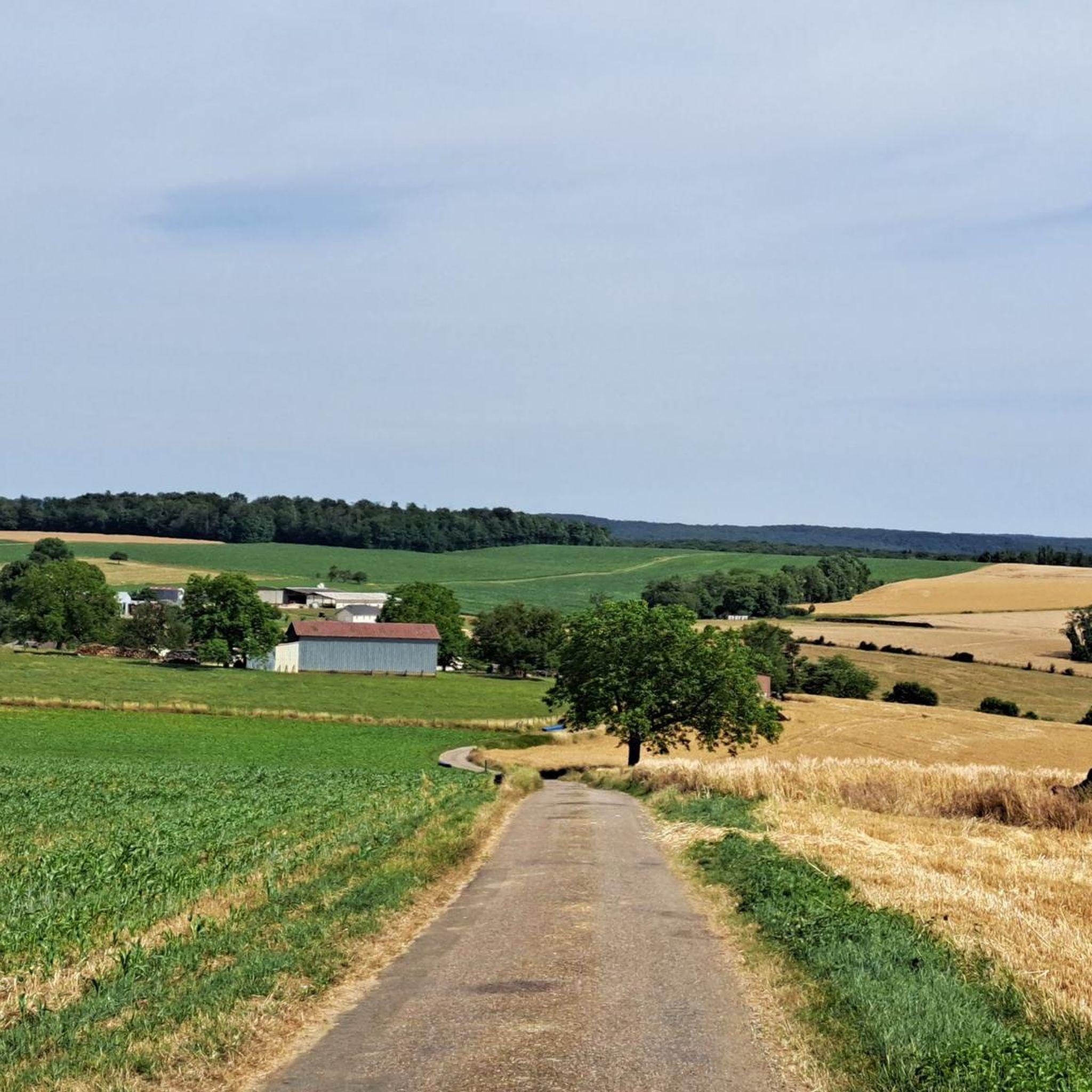
One of the many greenways in France. Also called the Courlis trace, this route is reserved for gentle mobility and therefore suitable for family use. The road crosses fields and woods.
3
0

On the mountain side of the tunnel is one of the few cafés in the region. The next one is a little further in Scey – if the tunnel is closed.
0
0

Greatly located and bike-friendly campsite with three or four restaurants, a boulangerie and a supermarket within less than a kilometer. Price 2022: One person with tent and bike, without electricity, EUR 5.70. The receptionist even gave me a 0.33 bottle of water from the fridge. Great.
4
0

This small bucolic village is located at the confluence of the Saône and the Durgeon, it was part of the defensive system of the Saône. At the foot of the château, head along the river to reach Ferrières-lès-Scey via the footbridge. Also admire the bridge which crosses the Durgeon built in 1753 and its statue, very rare in France, representing Saint-Jean Népomucène, confessor of the Queen of Bohemia, canonized by Benedict XIII.
1
0
Frequently Asked Questions
What kind of outdoor activities can I enjoy around Mont-Le-Vernois?
Mont-Le-Vernois offers a variety of outdoor activities, particularly hiking and cycling. The area is characterized by a hilly landscape with woods and fields, perfect for exploration. You can find dedicated routes for MTB, touring cycling, and road cycling, including the family-friendly La Trace du Courlis Greenway. The Baignotte river is also known for trout fishing.
Are there any historical sites or cultural landmarks to explore in Mont-Le-Vernois?
Yes, Mont-Le-Vernois has a rich history dating back to the Gallo-Roman era. You can discover the remnants of a medieval castle, with a few outbuildings and two towers still standing. There's also a small chapel dedicated to Saint Anthony in the hamlet of Vernois, described as 'lost in the greenery'. Additionally, the commune features eight picturesque fountains.
What are some family-friendly attractions near Mont-Le-Vernois?
For families, La Trace du Courlis Greenway is an excellent choice. This cycle path is reserved for gentle mobility, making it suitable for all ages as it crosses fields and woods. The historic Saint-Albin Tunnel, a 681-meter canal tunnel, is also considered family-friendly and offers a unique sight.
Where can I go for a scenic walk or hike in the area?
The surrounding area of Mont-Le-Vernois offers ample opportunities for scenic walks and hikes. The Bois de la Jagnière features a tourist circuit, providing a pleasant route through the woods. Many of the MTB and cycling routes also offer beautiful scenery that can be enjoyed on foot.
Are there cycling routes suitable for different skill levels?
Absolutely. The region around Mont-Le-Vernois caters to various cycling abilities. The La Trace du Courlis Greenway is ideal for families and casual riders. For more challenging rides, you can explore the diverse touring bicycle and road cycling routes available, ranging from easy to difficult.
What natural features define the landscape of Mont-Le-Vernois?
Mont-Le-Vernois is nestled in a picturesque hilly landscape, characterized by a harmonious blend of dense woods and open fields. It is notably watered by two streams: the Ruisseau des Dindes and the Baignotte river, the latter being popular for trout fishing. These natural elements contribute to the tranquil and scenic environment of the commune.
Can I find any unique or 'hidden gems' in the Mont-Le-Vernois region?
Beyond the main attractions, Mont-Le-Vernois holds several charming 'hidden gems'. The small chapel dedicated to Saint Anthony, tucked away in the greenery of the Vernois hamlet, offers a peaceful discovery. The eight picturesque fountains scattered throughout the commune also add to its unique character. For a historical curiosity, explore the remnants of the medieval castle.
What is the <a href="https://www.komoot.com/highlight/1509129" target="_blank" rel="noopener">Saint-Albin Canal Tunnel</a>, and why is it significant?
The Saint-Albin Canal Tunnel is a 681-meter historic tunnel-canal, classified as a historical monument. Its construction, which spanned two phases from 1838 to 1882, was a significant engineering feat designed to allow barges to bypass a long detour along the Saône river. It's a fascinating example of 19th-century infrastructure.
What do visitors enjoy most about the attractions around Mont-Le-Vernois?
Visitors particularly appreciate the unique engineering of the Saint-Albin Canal Tunnel, often noting it's 'not something you see every day' and a 'curiosity of river navigation'. The La Trace du Courlis Greenway is loved for its suitability for family use and its scenic path through fields and woods.
Is there a larger town nearby for additional services or attractions?
Yes, Mont-Le-Vernois is conveniently located just a few minutes from Vesoul. This larger town, known for the song by Jacques Brel, offers more services, shops, and potentially additional attractions, including its old center and the quays of the Saône.
Are there any specific bridges or footbridges of interest in the area?
Yes, the Chemilly footbridge is a notable point of interest. Located in the bucolic village of Chemilly at the confluence of the Saône and Durgeon rivers, it allows access to Ferrières-lès-Scey. Nearby, you can also admire a bridge crossing the Durgeon, built in 1753, which features a rare statue of Saint-Jean Népomucène.
What is the history behind the <a href="https://www.komoot.com/highlight/5851538" target="_blank" rel="noopener">Saint-Albin Tunnel</a>?
The Saint-Albin Tunnel, also known as the Saint-Albin Canal Tunnel, is a 681-meter canal tunnel constructed in the late 19th century. Its primary purpose was to provide a shortcut for barges, allowing them to bypass a lengthy detour along the Saône river. It's recognized as a historical monument due to its engineering significance and role in regional transport.
Most popular routes around Mont-Le-Vernois

Get inspired with the komoot mobile app


Explore more
Still not found the Highlight you’re looking for? See guides of the top attractions in other regions:
