The best road cycling routes around Fontenay-Le-Vicomte
4.3
(228)
4,816
riders
319
rides
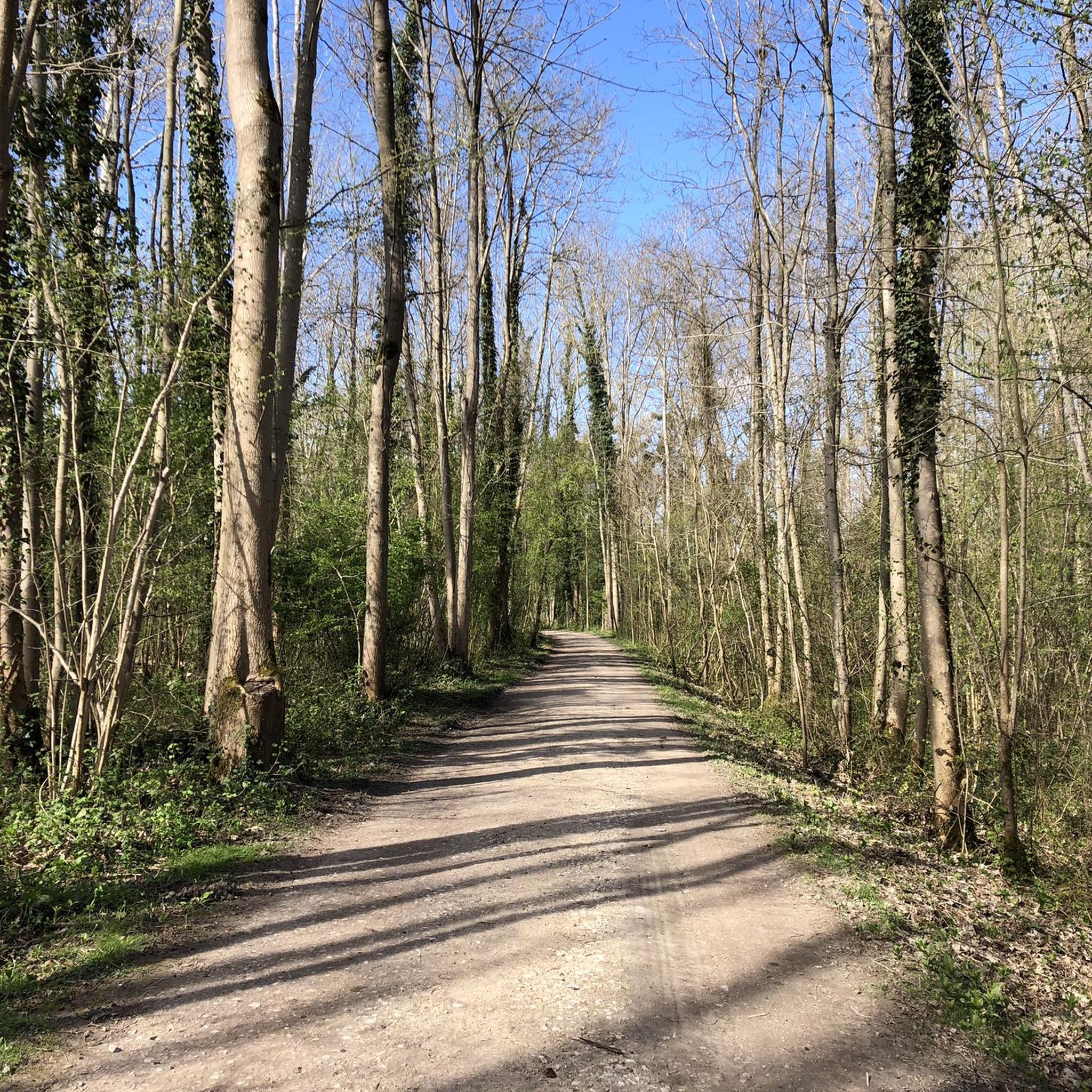
Road cycling around Fontenay-Le-Vicomte offers routes through varied landscapes, characterized by the expansive marshlands of the Essonne and Juine valleys. This region features a network of country roads and paths that traverse forests and open prairies, providing a mix of paved and well-maintained unpaved surfaces. The terrain is generally flat to moderately challenging, making it suitable for various road cycling preferences.
Best road cycling routes around Fontenay-Le-Vicomte
- The most popular road cycling route is Loop of the 100 miles of…
Last updated: July 15, 2026
5.0
(1)
4
riders
166km
06:57
1,000m
1,000m
Hard road ride. Very good fitness required. Mostly well-paved surfaces and easy to ride.
4.0
(2)
16
riders
Easy road ride. Great for any fitness level. Mostly well-paved surfaces and easy to ride.

Sign up for free
4.3
(3)
17
riders
40.8km
01:40
200m
200m
Easy road ride. Great for any fitness level. Mostly well-paved surfaces and easy to ride.
16
riders
74.5km
02:59
380m
380m
Moderate road ride. Good fitness required. Mostly well-paved surfaces and easy to ride.
5.0
(1)
14
riders
Easy road ride. Great for any fitness level. Mostly well-paved surfaces and easy to ride.
Get access to more routes and recommendations from other explorers.
Sign up for free
Already have an account?
Our route recommendations are based on thousands of hikes, rides, and runs completed by other people on komoot.
Start today with a free account
Your next adventure awaits.
Login or Signup


Tips from the Community


"Built by King Louis IX in 998 as a simple hunting lodge in the heart of the "Ile de France," Fontainebleau soon fell into obscurity. It wasn't until Francis I discovered his love for Fontainebleau and elevated it to a royal residence that the palace's true history began, as the ancestral home of the French kings. Henry IV had the complex expanded, and under Napoleon I, the building was extensively restored as the first imperial residence." With these words, a text on the media library's website introduces a 15-minute film (in German) about the UNESCO World Heritage Site. If you're interested, see => https://www.ardmediathek.de/video/schaetze-der-welt/fontainebleau-frankreich-folge-19/swr/Y3JpZDovL3N3ci5kZS83MjQ1NTMy
0
0

Castle closed to the public, but it is bordered by a shared road limited to 30 km/h which is very pleasant.
0
0

In 1005 the Bishop of Sens transferred the patronage of this cure to the chapter of Notre-Dame de Paris. The current church was built later. On August 18, 1538, it was dedicated to Saint-Germain, Bishop of Paris.
0
0
The construction of the church dates from the 13th century. The church was extensively restored after the Hundred Years' War and its orientation was changed in the mid-18th century. The building was restored again in the 19th century. During these restorations, the local priest died in 1818. Since a decree of March 27, 1926, the church has been listed as a historical monument. A porch was demolished in the 1970s.
0
0
The church is a synthesis of different architectural types. The oldest part, the bell tower, dates from the end of the 11th – beginning of the 12th century. Towards the end of the 12th – beginning of the 13th century, a nave with two bays, vaulted on ribbed vaults, was added to it. For aesthetic reasons, three buttresses were leveled above the vaults. The remains of this first church are still visible. At the end of the 15th century, after the Hundred Years' War, the increase in population led to the enlargement of the nave, which brought the number of bays to five, and to the creation of the side aisles. This well-proportioned building deserves a thorough visit.
0
0

Driving through the idyllic French countryside, you’ll come across the magnificent Château du Mesnil-Voysin. This impressive 18th-century château, surrounded by lush gardens and a serene moat, offers a glimpse into the opulent lifestyle of the French aristocracy. You can explore the beautifully preserved interior, admire the intricate architectural details, and stroll through the peaceful grounds.
0
0

At the end of the 12th century, the estate was allegedly owned by a knight Gautier, "lord of Mesnil", and a liege man of King Philippe Auguste. In the 15th century, the property passed into the hands of the Karnazet family, who passed it down through several generations, until 1455, when Jean de Vaillant took over the reins of the estate. The Mesnil chapel was commissioned by Renée Sabathier, wife of Guillaume Hérouard, secretary of the King's chamber, in 1611. She was buried there in 1616.
0
0
Frequently Asked Questions
How many road cycling routes are available around Fontenay-Le-Vicomte?
There are over 330 road cycling routes available around Fontenay-Le-Vicomte, offering a wide variety of options for different skill levels and preferences.
What is the typical terrain like for road cycling in Fontenay-Le-Vicomte?
The terrain around Fontenay-Le-Vicomte is generally flat to moderately challenging. You'll find routes traversing expansive marshlands, forests, and open prairies, often on a mix of paved country roads and well-maintained unpaved paths. The region's unique wetlands, part of the Natura 2000 network, provide a tranquil and scenic backdrop.
What are the difficulty levels of road cycling routes in this area?
The routes cater to various abilities: approximately 76 are easy, 253 are moderate, and 9 are considered difficult. This ensures that both beginners and experienced cyclists can find suitable challenges.
What is the best time of year for road cycling in Fontenay-Le-Vicomte?
The region is suitable for cycling year-round, but spring and autumn offer particularly pleasant conditions with mild temperatures and vibrant natural scenery. The marshlands and forests are especially beautiful during these seasons.
Are there any historical landmarks or points of interest to see along the road cycling routes?
Yes, several routes pass by historical sites. You might encounter the 16th-century Church of Saint-Georges, the ruins of the Château de Fontenay, or the impressive Château du Mesnil-Voisin. Other notable landmarks include the Obelisk of Saint-Vrain and the Sequoia Avenue at Villeroy Park.
What natural features can I expect to see while cycling in Fontenay-Le-Vicomte?
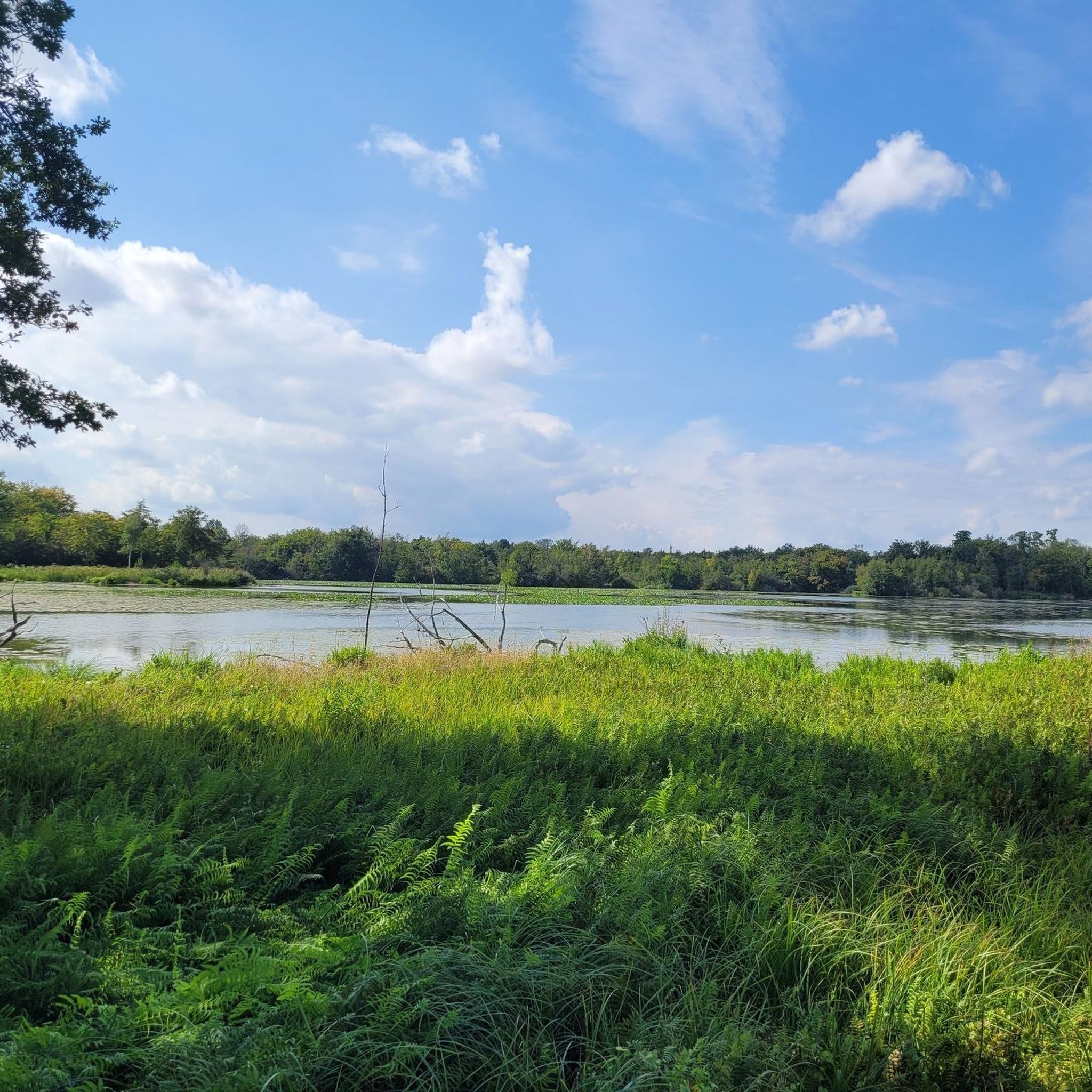
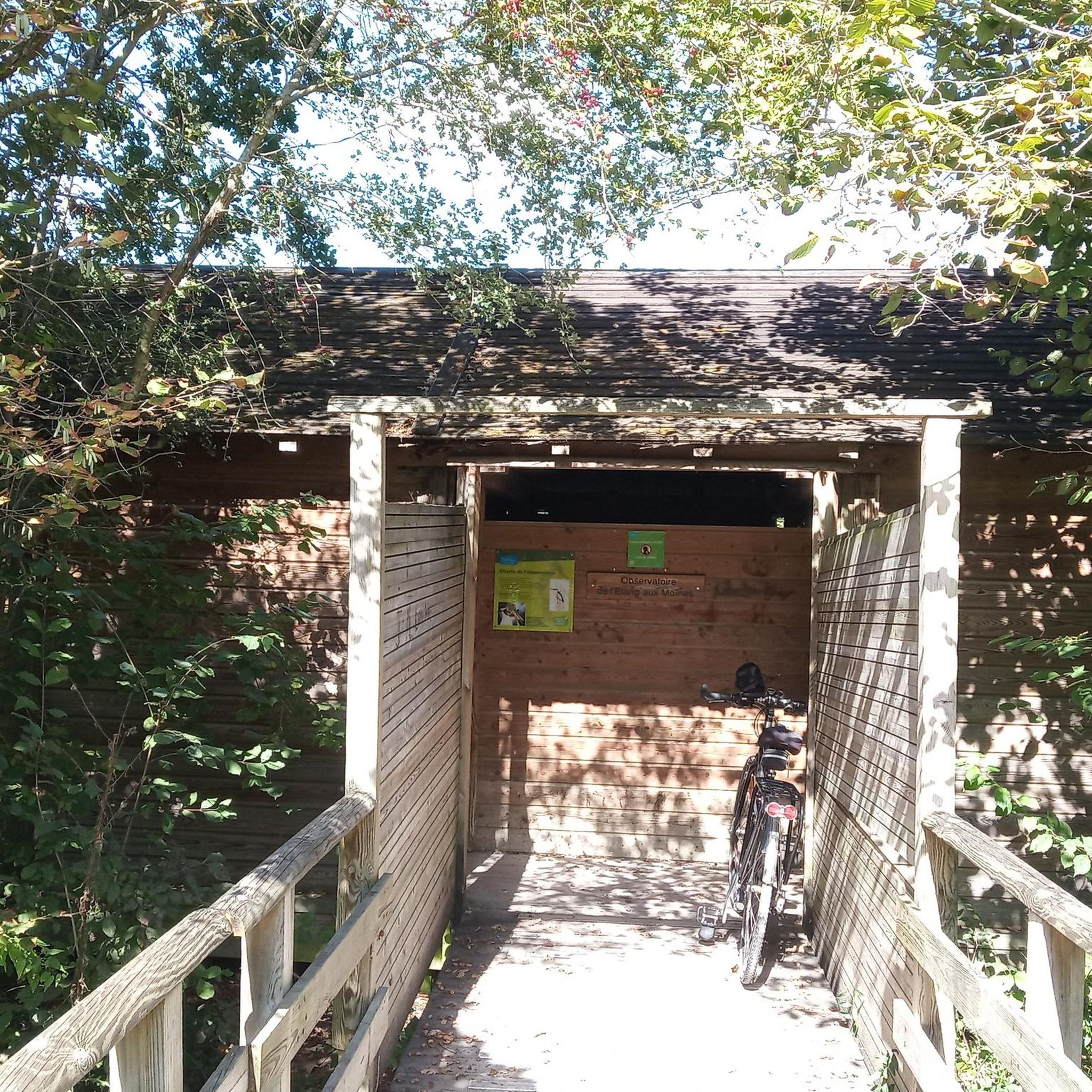
The region is renowned for its expansive marshlands, such as the Fontenay-le-Vicomte Marsh, which is rich in biodiversity. You'll also cycle through forests, alongside open prairies, and past various ponds and lakes like the Carouge Basin. Keep an eye out for birdwatching opportunities at observatories like the Étang aux Moines Observation Deck.
Are there family-friendly road cycling routes in Fontenay-Le-Vicomte?
Yes, many routes are accessible and suitable for families, especially those that are relatively flat and pass through villages and natural areas. The varied terrain includes options that are less challenging, making them ideal for a leisurely family ride.
Are there circular road cycling routes available?
Yes, many of the road cycling routes around Fontenay-Le-Vicomte are designed as loops, allowing you to start and finish at the same point. An example is the moderate La Bonde Castle – Milly-la-Forêt Church loop from Ballancourt, which combines historical sites with scenic countryside.
Is parking available near the road cycling routes?
While specific parking areas are not detailed for every route, many routes start from or pass through villages like Ballancourt, where public parking is generally available. It's advisable to check the starting point of your chosen route for specific parking information.
How accessible are the road cycling routes by public transport?
Fontenay-Le-Vicomte and surrounding towns are connected by public transport, which can provide access points to various cycling routes. For detailed information on specific routes and their proximity to public transport stops, it's best to consult local transport schedules.
What do other road cyclists enjoy most about the routes around Fontenay-Le-Vicomte?
The area is highly rated by the komoot community, with an average score of 4.3 stars from over 190 reviews. Cyclists often praise the serene natural environment, the diverse landscapes ranging from marshlands to forests, and the well-maintained country roads that offer a peaceful cycling experience away from heavy traffic.
Are there any easy road cycling routes for beginners?
Yes, there are numerous easy routes perfect for beginners. For instance, The Flowered Pond Restaurant – Étangs de Vert-Le-Petit loop from Ballancourt is an easy 45.1 km trail that leads through areas with ponds and open landscapes, making it a great option for those new to road cycling.
Most popular routes around Fontenay-Le-Vicomte
Most popular attractions around Fontenay-Le-Vicomte

Get inspired with the komoot mobile app


Explore more
Browse the best Road cycling routes in other regions.
