Attractions and Places To See around Martigné-Briand - Top 14
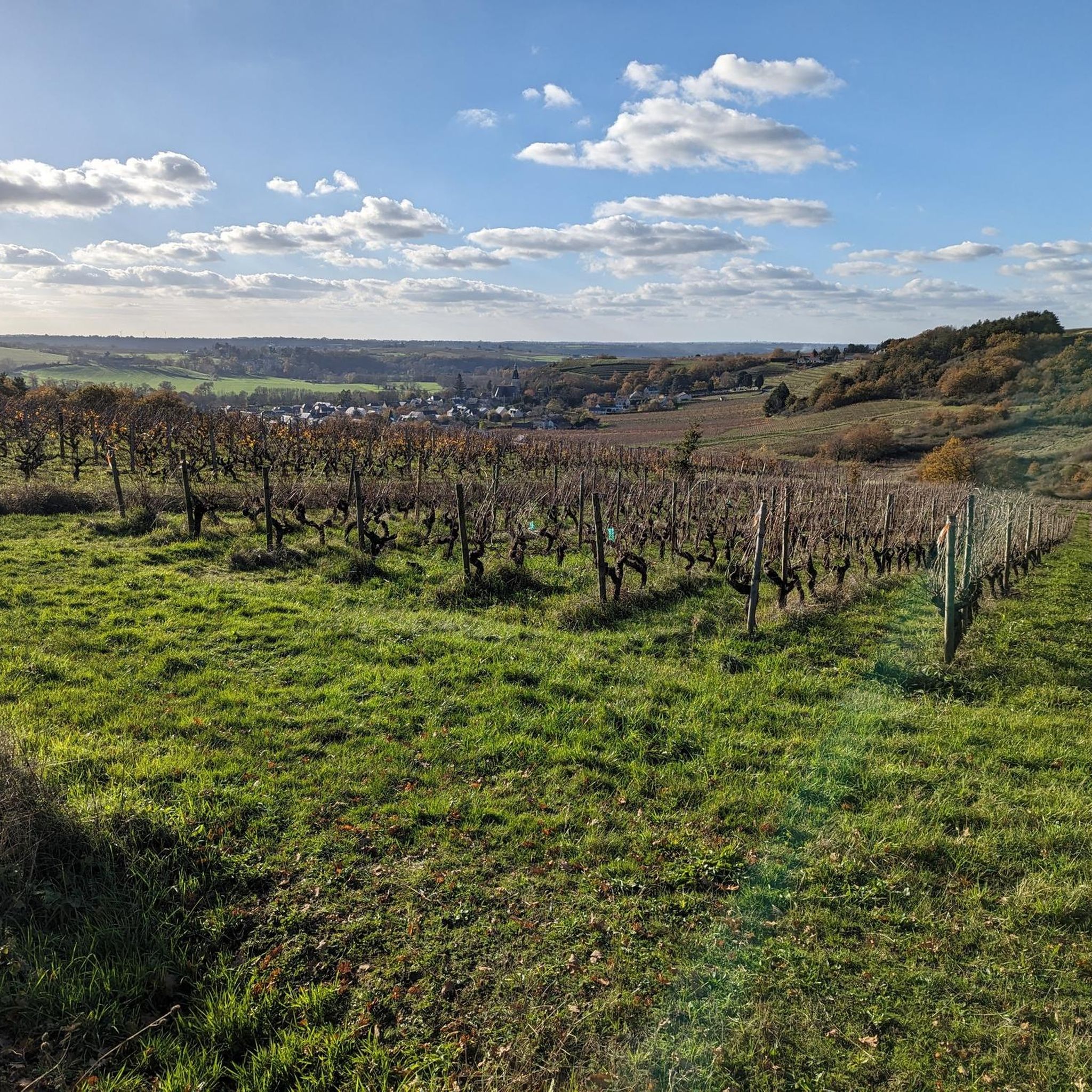
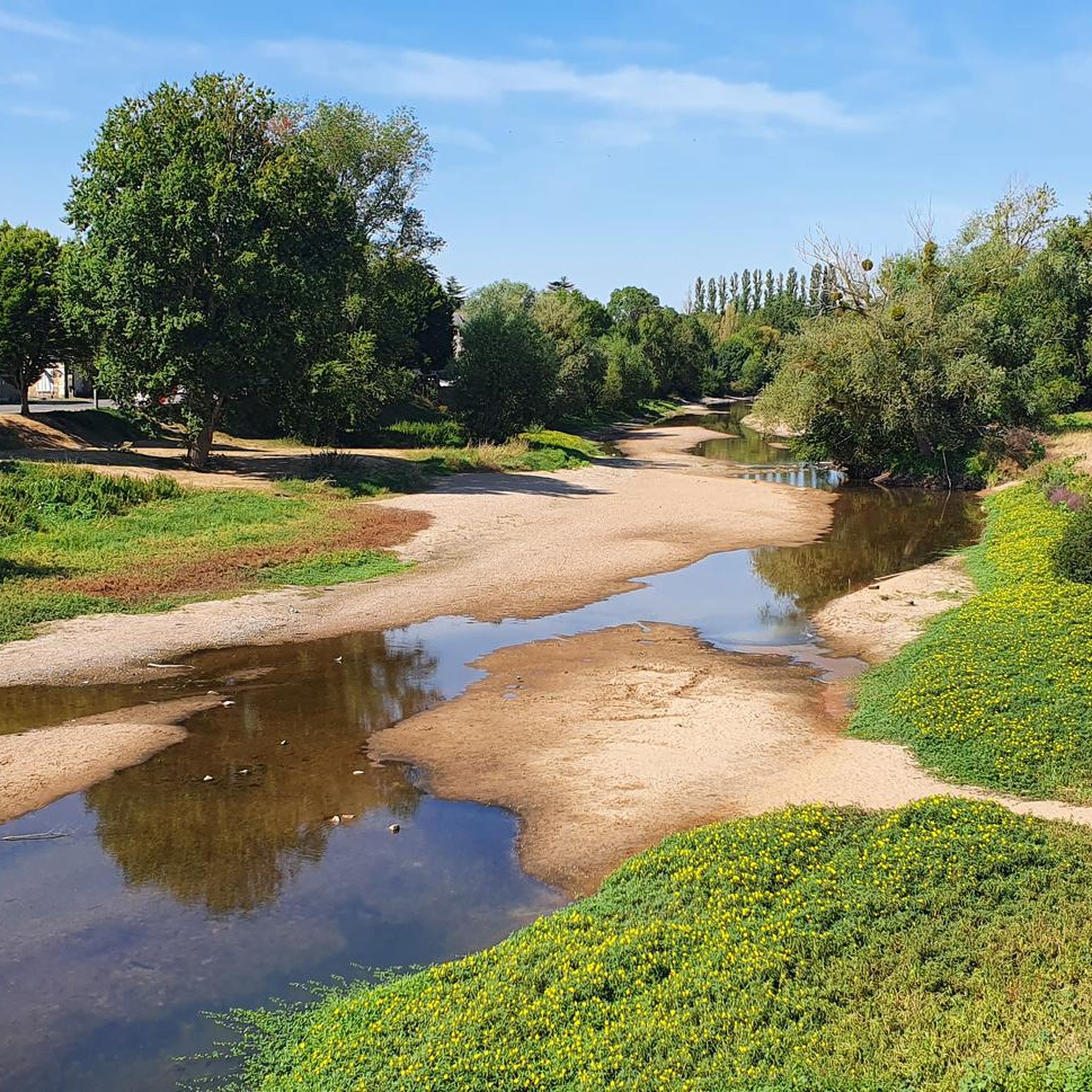
Attractions and places to see around Martigné-Briand include a variety of historical sites and natural features. Located in the Maine-et-Loire department, the commune is known for its viticultural heritage, with approximately 900 hectares of vineyards. The landscape features the Layon River, which traverses the commune for 14 kilometers, and areas like the Coteaux de Martigné-Briand, characterized by vineyards and diverse fauna. Historical landmarks, such as the Château de Martigné-Briand and ancient churches, contribute to the area's cultural significance.
Best attractions…
Last updated: June 29, 2026
Beaulieu Forest singletrack
Highlight (Segment) • Forest
Translated by Google •
Tip by

Moulin de la Pinsonniere
Highlight • Historical Site
It was built at the end of the 18th century, immediately after the Revolution. It is said that Mr. Blot had buried in …
Translated by Google •
Tip by

Sign up now to discover places like this
Get recommendations on the best single tracks, peaks, & plenty of other exciting outdoor places.
Sign up for free
Dolmen de Mont-Benault
Highlight • Other
The latter takes its name from the place located nearby but is also called the dolmen of Loncheneau.
Translated by Google •
Tip by

Tracas Mill.
Highlight • Other
Translated by Google •
Tip by

Replica of the Grotto of Lourdes
Highlight • Religious Site
Translated by Google •
Tip by
Sign up for free to discover even more attractions around Martigné-Briand.
Sign up for free
Already have an account?
Start today with a free account
Your next adventure awaits.
Login or Signup



Tips from the Community

Part of a private dwelling. Not open to visitors. A hiking trail passes by to admire the panorama.
0
0

The paths are not necessarily maintained and can disappear under vegetation.
0
0
The paths are not necessarily maintained and can disappear under vegetation...
0
0

The replicas of the Lourdes grotto are reproductions of the Massabielle grotto, the site of the Marian apparitions of Lourdes in 1858, which have been made around the world. Many copies of the site have been made in France, in Europe and then around the world since the beginning with the growing fame of the apparitions and miraculous healings that are said to be due to the water of Lourdes. https://fr.wikipedia.org/wiki/R%C3%A9pliques_de_la_grotte_de_Lourdes
0
0
A surprising archaeological vestige: the Dolmen de la Pierre Couverte de Mont-Benault. The latter takes its name from the place located nearby but is also called the dolmen of Loncheneau. It is located in the hamlet of Mont-Benault, on the edge of the departmental road 55, going from Baulieu sur Layon to La Faye d'Anjou. According to local legend, this dolmen was built during prehistory on a telluric zone sheltering an underground spring. However, it is difficult to know what its purpose was. Was it a funeral site or a simple shelter? It is made up of five large local stones, each very different. The largest stone is supported by the others, forming a sort of shelter 2 and a half meters wide by 1.40 meters high. The slabs are made of carboniferous schist and puddingstone, except for the chevet slab which is made of phtanite. A flint scraper was reportedly found on site https://www.beaulieu-sur-layon.fr/decouvrir/5285
0
0

I'm not a big fan of the Beaulieu forest, always ruts with water, paths that don't lead anywhere (the Komoot maps are not up to date), on the other hand this small section is very nice. You have to cross the ditch to leave the main path.
0
0

It is the typical mill-cavier of Anjou! It was built at the end of the 18th century, immediately after the Revolution. It is said that Mr. Blot had buried in the ground a "paillon" (basket for molding the bread dough) of louis d'or marked with the effigy of Louis XVI. After the turmoil, the recovered gold would have been used to build the mill. It ran until 1926. The last miller died in 1956. It gradually fell into disrepair, but its millstones and mechanism, well protected by the hammerhead topped with its crib, remained in good condition. Dominique Lebrun, a young winemaker, who had dreamed of this mill since childhood, bought it and the adjoining house. Thanks to the A.M.A., he obtains the aid that allows him to restore it. This cavier is equipped with plank wings, Berton system The mill also serves as a tasting cellar with sale of Layon wines.
0
0

Great hike to do very quickly 🤧
0
0
Frequently Asked Questions
What historical sites can I explore in Martigné-Briand?
Martigné-Briand is rich in history. You can visit the impressive Château de Martigné-Briand, a 16th-century castle with Renaissance architecture. Also, explore the ancient Saint-Denis Collegiate Church, built between 1180 and 1200, which despite its partial ruin, holds significant historical value. The Moulin de la Pinsonniere, an 18th-century mill, also offers a glimpse into the region's past.
Are there any ancient archaeological sites to visit?
Yes, you can discover the intriguing Dolmen de Mont-Benault, also known as the dolmen of Loncheneau. This prehistoric archaeological vestige is made up of five large local stones and is believed to have been built on a telluric zone with an underground spring.
What natural attractions can I experience in the area?
The region is characterized by the beautiful Coteaux de Martigné-Briand, featuring extensive vineyards and the Layon River, which traverses the commune for 14 kilometers. You can also explore sections of the Beaulieu Forest, which offers a natural setting for exploration, though some paths may be unmaintained.
What opportunities are there for wine tourism?
Martigné-Briand is the most viticultural commune in Anjou, renowned for its AOC wines. You can visit vineyards and enjoy wine tastings. The Moulin de la Pinsonniere, for example, functions as a tasting cellar for Layon wines, offering a unique blend of history and local produce.
Are there hiking or cycling routes near the attractions?
Absolutely! The area offers various outdoor activities. For hiking, you can find routes like the 'Forêt de Beaulieu – Dolmen de Mont-Benault loop' or the 'Saint Martin Fountain loop'. Cyclists can enjoy routes such as the 'Smooth Gravel Path – Pont Barré loop' or the 'Moulin de la Montagne loop'. You can find more details on these and other routes in the hiking guide and cycling guide for Martigné-Briand.
What do visitors enjoy most about the attractions in Martigné-Briand?
Visitors appreciate the blend of historical significance and natural beauty. The Moulin de la Pinsonniere is noted for its well-preserved millstones and mechanism, offering a unique historical experience. The Beaulieu Forest singletrack is enjoyed for its pleasant natural sections, despite some unmaintained paths.
Are there any unique spiritual or religious sites?
Yes, you can visit the Replica of the Grotto of Lourdes, which offers a spiritual point of interest. There are also historical chapels like Chapelle de Sousigné (16th and 18th centuries) and Chapelle St Lien (16th and 17th centuries) in the region.
What kind of landscape can I expect to see around Martigné-Briand?
The landscape is diverse, featuring steep slopes, a mosaic of fields, dry grasslands, fallow land, and extensive vineyards. The Layon River flows through the commune, contributing to the fertile environment. This combination creates picturesque views, especially favorable for white and sweet wine production.
Are there any other notable castles or historical buildings besides Château de Martigné-Briand?
Beyond the main castle, you can also find the Château de Villeneuve, a 12th and 15th-century monument that has been restored and features recreated historical gardens, including an Italian-inspired terrace and a medieval garden.
Can I find local markets or charming villages nearby?
Yes, the area around Martigné-Briand includes charming villages such as Aubigné-sur-Layon, which is only 3 km away. You can also access various local markets in nearby towns like Thouarcé and Doué-la-Fontaine, offering opportunities to experience local culture and produce.
What is the best time of year to visit Martigné-Briand for outdoor activities?
The region's vineyards and natural features are particularly appealing during the warmer months, from spring to early autumn, when the landscape is lush and ideal for hiking, cycling, and wine tourism. The harvest season in late summer/early autumn also offers a vibrant experience.
Are there easy walking routes suitable for a leisurely stroll?
While specific 'easy' routes aren't detailed, the 'Circuit de Maligné' is a hiking trail that offers picturesque views of the surrounding vineyards and the Château de Martigné-Briand, providing a pleasant way to experience the local landscape and viticultural heritage at a relaxed pace.
Most popular routes around Martigné-Briand

Get inspired with the komoot mobile app


Explore more
Still not found the Highlight you’re looking for? See guides of the top attractions in other regions:
