Attractions and Places To See around Louresse-Rochemenier - Top 20
Best attractions and places to see around Louresse-Rochemenier include a blend of unique historical sites and natural features. The commune is known for its troglodyte heritage, offering insights into underground dwellings and ancient farms. The surrounding area features an agricultural landscape, historical landmarks, and natural ponds. Visitors can explore a variety of cultural and natural points of interest.
Best attractions and places to see around Louresse-Rochemenier
- The most popular attractions is View of the Loire from Le Thoureil, an…
Last updated: May 21, 2026
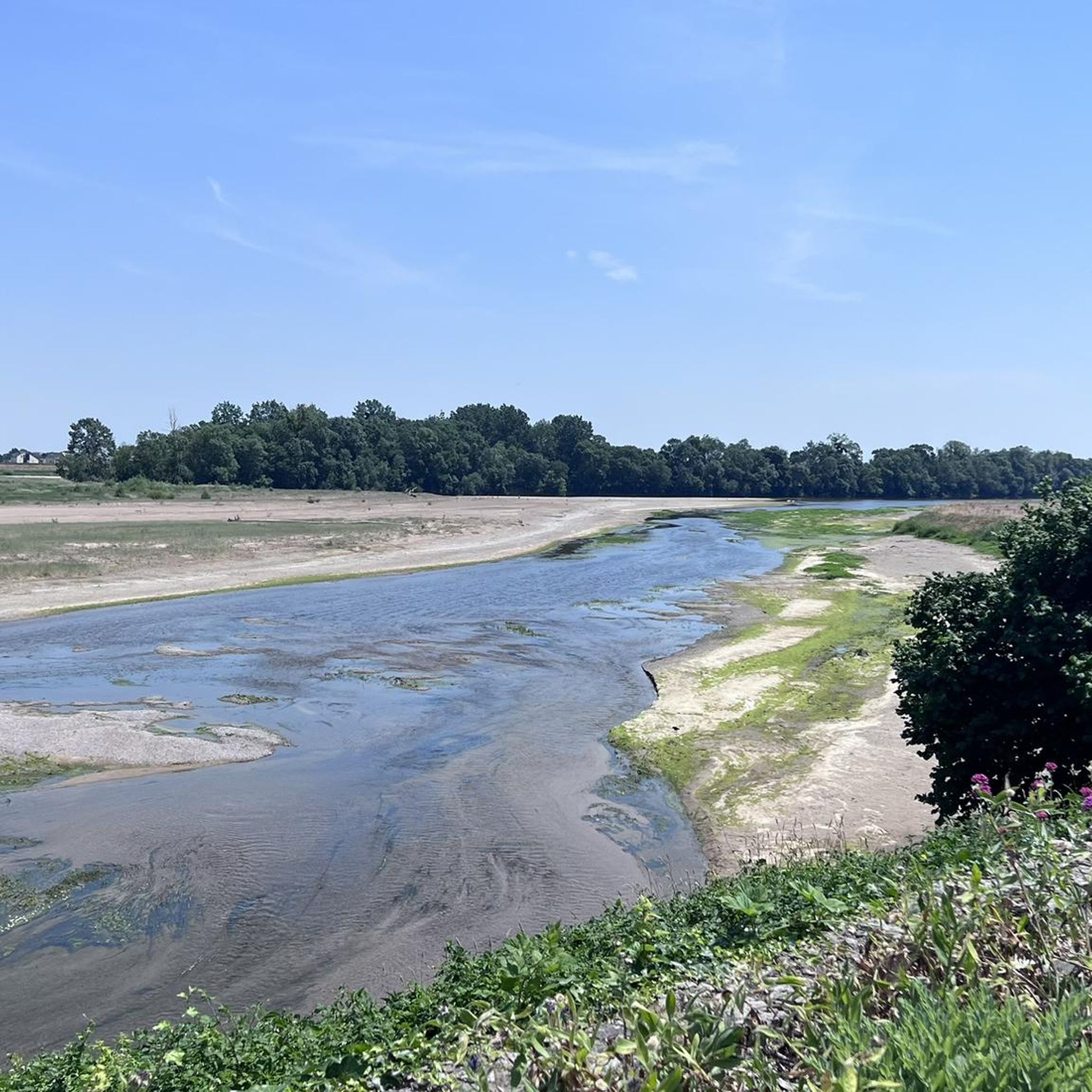
View of the Loire from Le Thoureil
Highlight • Other
Le Thoureil also has megalithic sites on its territory, including dolmens and menhirs.
Translated by Google •
Tip by

Étang de Joreau
Highlight • Lake
Translated by Google •
Tip by

Sign up now to discover places like this
Get recommendations on the best single tracks, peaks, & plenty of other exciting outdoor places.
Sign up for free
Rosiers-sur-Loire Bridge
Highlight • Bridge
Brief historical facts:
At the end of May, beginning …
Translated by Google •
Tip by

Art at the foot of the bridge
Highlight • Other
The bridge at Le Rosiers-sur-Loire has a turbulent historical background. For WWII enthusiasts, there is an information panel on the bank.
Translated by Google •
Tip by
Notre-Dame de Cunault Church
Highlight • Religious Site
In 862AD, further incursions forced the monks to …
Tip by

Sign up for free to discover even more attractions around Louresse-Rochemenier.
Sign up for free
Already have an account?
Start today with a free account
Your next adventure awaits.
Login or Signup

Tips from the Community

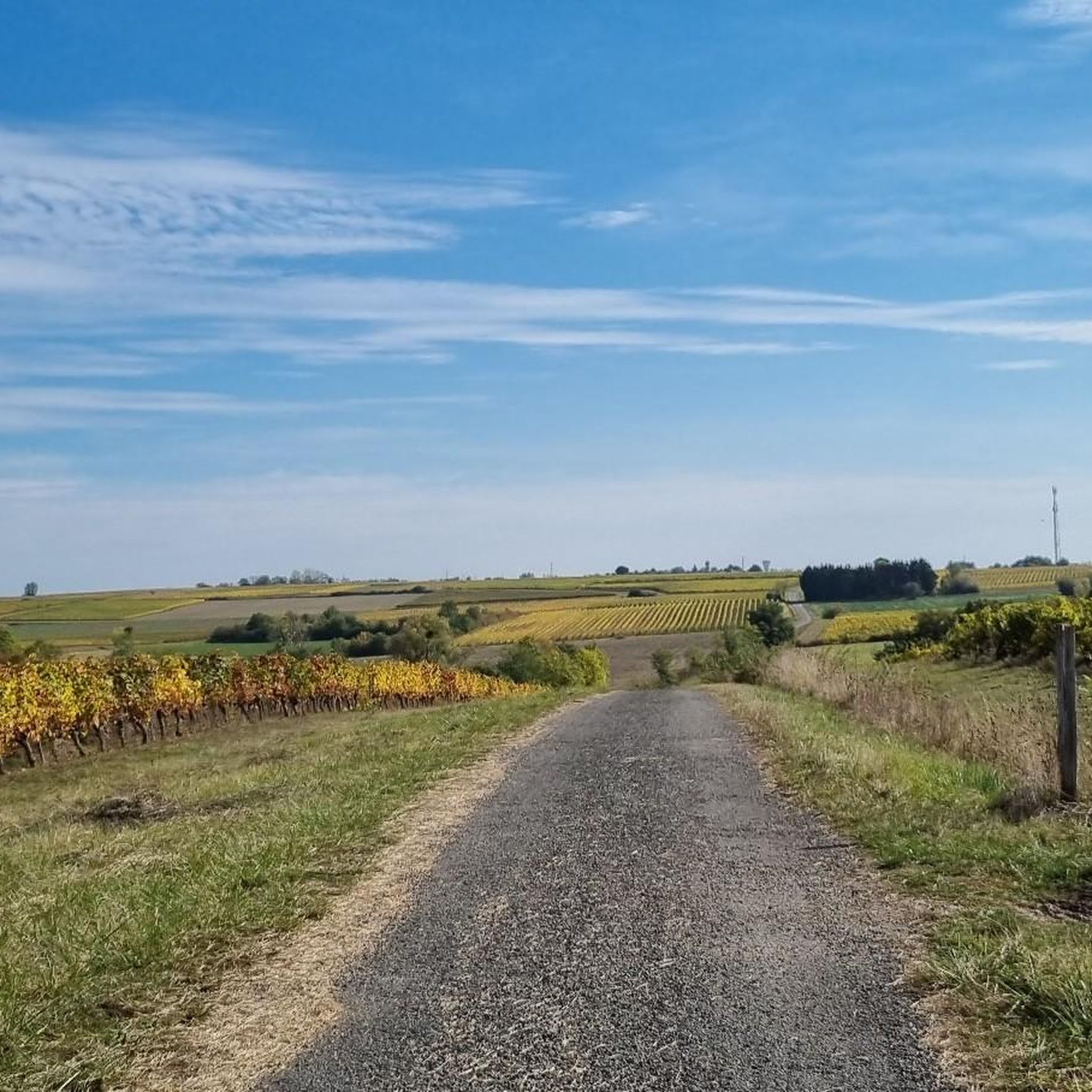
Gennes-Saumur-Les Rodiers sur Loire 40 km. Nice to do
0
0

The Fête du Thoureil, a festival of Loire barges, is an Angevin tradition that takes place every year in spring on the banks of the Loire at Thoureil, in Maine-et-Loire, between Saumur and Angers. The programme includes barges and old Loire sailing ships, and Loire festivities. It is considered the first festival of Loire barges between Nantes and Tours.
5
0
The bridge at Le Rosiers-sur-Loire has a turbulent historical background. For WWII enthusiasts, there is an information panel on the bank. Brief historical facts: At the end of May, beginning of June, German troops reach Les Rosiers. On 19 June, the battle for the bridge begins. A fierce battle between the two armies follows for two days. The bridges of Rosiers and Gennes are blown up. On 20 June, French resistance breaks. Fifteen of the 325 French cadets were killed and buried in the shadow of the Saint-Eusèbe church in Gennes. You can read the full story on the bank.
2
0
Works of art can only be admired during the summer months. The bridge at Le Rosiers-sur-Loire has a turbulent historical background. For WWII enthusiasts, there is an information panel on the bank. Brief historical facts: At the end of May, beginning of June, German troops reach Les Rosiers. On 19 June, the battle for the bridge begins. A fierce battle between the two armies follows for two days. The bridges of Rosiers and Gennes are blown up. On 20 June, the French resistance breaks. Fifteen of the 325 French cadets were killed and buried in the shadow of the Saint-Eusèbe church in Gennes. You can read the full story on the bank.
6
0

The bridge at Le Rosiers-sur-Loire has a turbulent historical background. For WWII enthusiasts, there is an information panel on the bank. Brief historical facts: At the end of May, beginning of June, German troops reach Les Rosiers. On 19 June, the battle for the bridge begins. A fierce battle between the two armies follows for two days. The bridges of Rosiers and Gennes are blown up. On 20 June, French resistance breaks. Fifteen of the 325 French cadets were killed and buried in the shadow of the Saint-Eusèbe church in Gennes. You can read the full story on the bank.
5
0
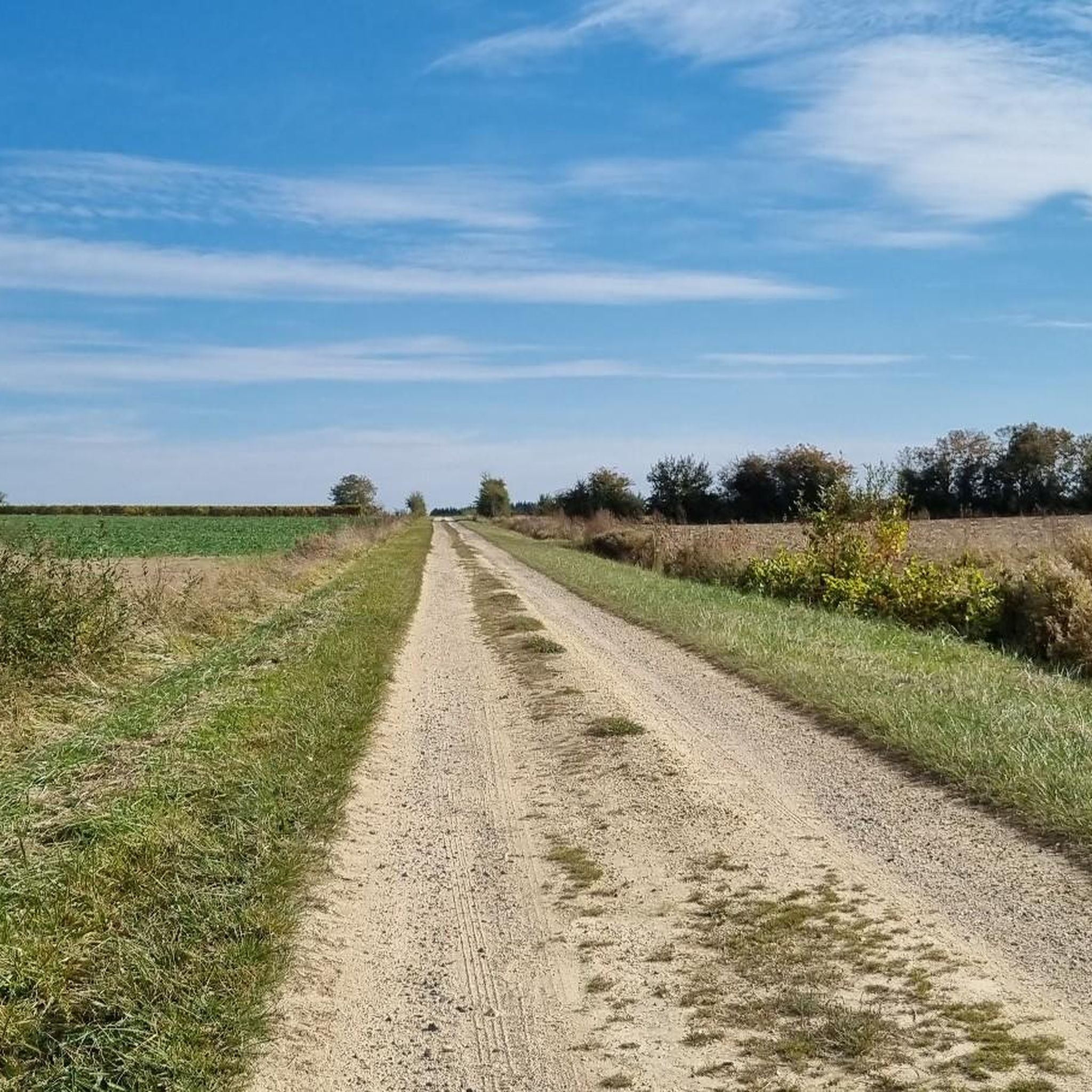
If you follow the routes, be careful not to end up on a highway without bicycle lanes
1
0

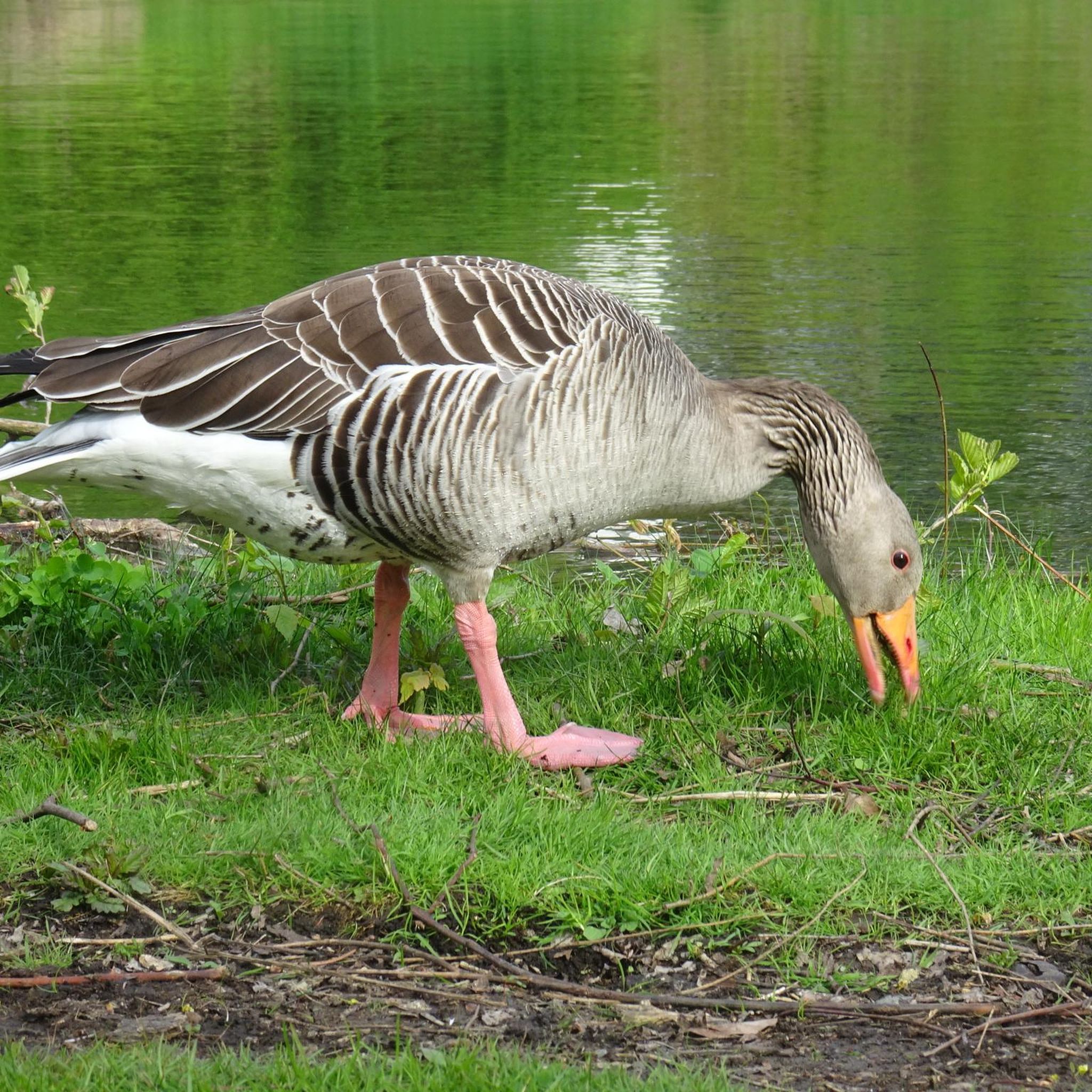
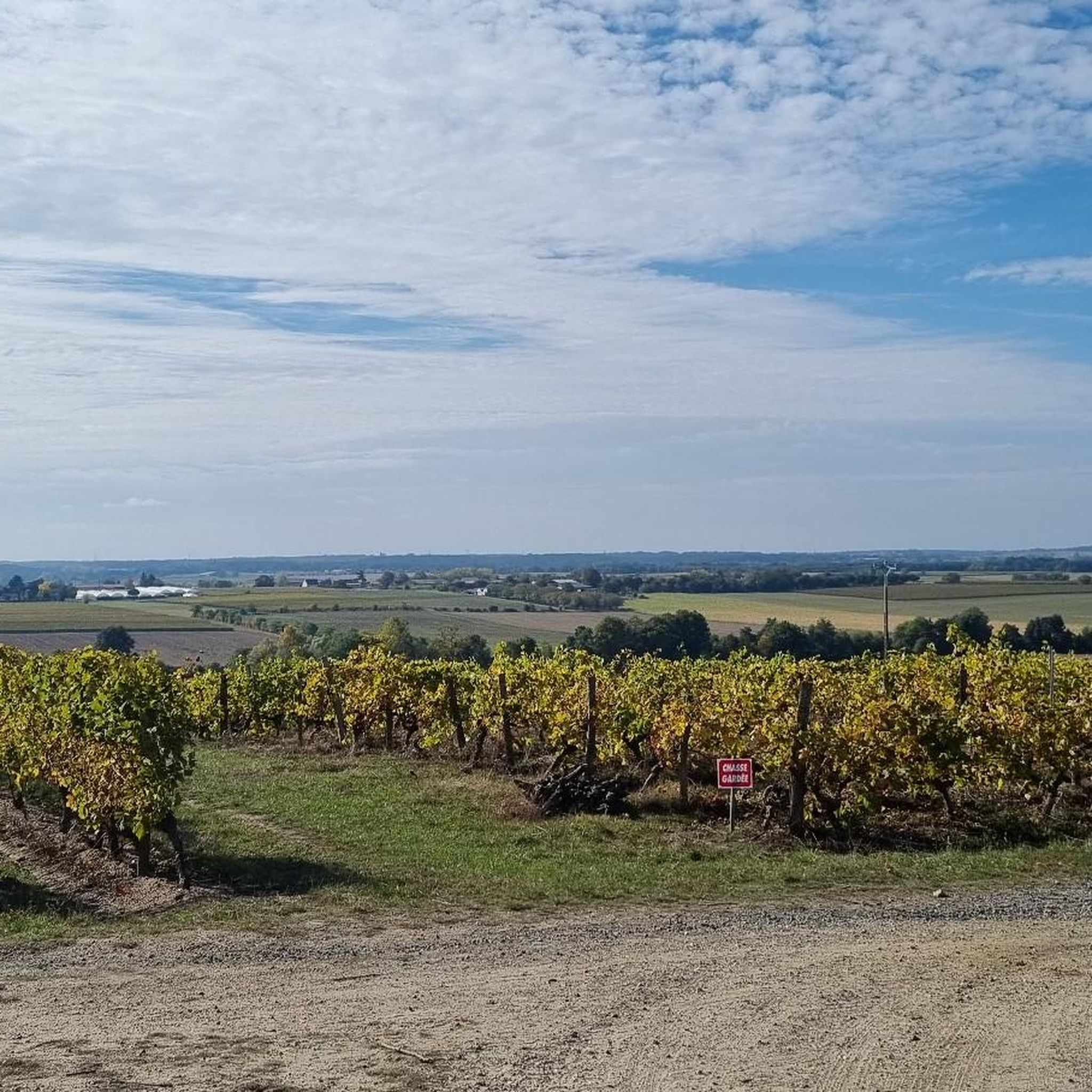
The Joreau pond is part of the Loire-Anjou-Touraine regional natural park. Created by monks for fish farming purposes in the 18th century, it now hosts many walks.
1
0
Frequently Asked Questions
What are the most unique historical attractions in Louresse-Rochemenier?
Louresse-Rochemenier is renowned for its troglodyte heritage. The most significant attraction is the Troglodyte Village of Rochemenier, where you can explore ancient underground farms, dwellings, and even an underground chapel. Other notable historical sites include the Gouré Mill, a 'Cavier' windmill, and the ruins of the Varannes Church, a listed Historic Monument destroyed during the Wars of Religion.
Are there natural areas for relaxation and walks near Louresse-Rochemenier?
Yes, the area offers several natural spots. The Étang de Joreau, part of the Loire-Anjou-Touraine Regional Natural Park, is ideal for walks through woods and has picnic areas. You can also enjoy a View of the Loire from Le Thoureil, where you can see traditional wooden sailing boats.
What kind of outdoor activities can I do near these attractions?
The region around Louresse-Rochemenier is excellent for various outdoor activities. You can find numerous routes for running, gravel biking, and cycling. For example, there are running trails like the 'Jorreau Pond – Étang de Joreau loop' and cycling routes such as the 'Montreuil-Bellay Castle – Saint-Médard Church of Thouars loop'. You can explore more options on our dedicated guides for Running Trails, Gravel Biking, and Cycling around Louresse-Rochemenier.
Are there family-friendly places to visit in the area?
Absolutely. The Étang de Joreau is a great spot for families, offering easy walks, picnic areas, and opportunities for bird watching. The Troglodyte Village of Rochemenier also provides an engaging and educational experience for all ages, showcasing a unique way of life. Additionally, the Notre-Dame de Cunault Church is listed as family-friendly.
Where can I find historical insights into the region's past conflicts?
For insights into past conflicts, visit the Rosiers-sur-Loire Bridge. It has a turbulent historical background, particularly from WWII, with an information panel on the bank detailing the battle that took place there.
What are some lesser-known historical sites worth exploring?
Beyond the main troglodyte village, consider visiting the Château du Pont-de-Varenne, a 13th-century castle with a 15th-century chapel and moats. The Église Sainte-Madeleine-et-Saint-Jean is another point of interest, and the Pierre Couverte dolmen offers a glimpse into the area's Neolithic past.
What local culinary experiences should I try in Louresse-Rochemenier?
When in the area, you should definitely try the local specialty known as 'fouées.' These are a type of focaccia bread, often baked in traditional ovens and enjoyed in troglodyte settings, offering a unique culinary experience.
What makes the agricultural landscape around Louresse-Rochemenier special?
The agricultural landscape is primarily known for its nurseries and roses. The town even has a variety of rose named 'Rochemenier Village,' baptized in 2001, highlighting its connection to rose cultivation and contributing to the area's unique charm.
How long should I plan for a visit to the Troglodyte Village of Rochemenier?
The Troglodyte Village of Rochemenier offers around twenty rooms spread over one hectare. To fully explore the two ancient underground farms, dwellings, and the underground chapel, allowing time for the sound and light ambiences, you should plan for at least 1.5 to 2 hours.
Are there any accessible attractions for visitors with mobility needs?
The Rosiers-sur-Loire Bridge is listed as wheelchair accessible, providing an opportunity to experience its historical significance and river views.
Can I see art exhibitions near Louresse-Rochemenier?
During the summer months, you can enjoy Art at the foot of the bridge, an outdoor exhibition of regional artists. These works are displayed near the Rosiers-sur-Loire bridge.
What is the significance of the 'Fosse-aux-Loups' place name?
The place name 'Fosse-aux-Loups' (Wolf Pit) in Louresse-Rochemenier refers to ancient times and the historical presence of wolves in the area. In fact, the commune's name 'Louresse' itself is derived from the Latin 'lupus,' meaning wolf.
Most popular routes around Louresse-Rochemenier
Most popular attractions around Louresse-Rochemenier

Get inspired with the komoot mobile app


Explore more
Still not found the Highlight you’re looking for? See guides of the top attractions in other regions:
