Attractions and Places To See around Saint-Connan - Top 9
Best attractions and places to see around Saint-Connan include historical sites, natural landscapes, and religious heritage. This rural commune in Brittany, France, is known for its connection to World War II Resistance history and serene natural settings like the Coatmallouen Forest. Visitors can explore a blend of cultural significance and outdoor opportunities, with several notable landmarks and natural features. The area offers a variety of experiences, from historical museums to tranquil walks.
Best attractions and places to see around Saint-Connan
…Last updated: June 29, 2026
Basilique Notre-Dame-de-Délivrance
Highlight • Religious Site
Translated by Google •
Tip by

View of the pond and the Château de Quintin
Highlight • Viewpoint
Translated by Google •
Tip by

Sign up now to discover places like this
Get recommendations on the best single tracks, peaks, & plenty of other exciting outdoor places.
Sign up for free
Museum of the Resistance in Argoat
Highlight • Other
Translated by Google •
Tip by

Corlay Castle and its pond
Highlight • Castle
Translated by Google •
Tip by
Avaugour Stream
Highlight (Segment) • Other
Very rolling for bike and gravel outings
Translated by Google •
Tip by

Sign up for free to discover even more attractions around Saint-Connan.
Sign up for free
Already have an account?
Start today with a free account
Your next adventure awaits.
Login or Signup



Tips from the Community

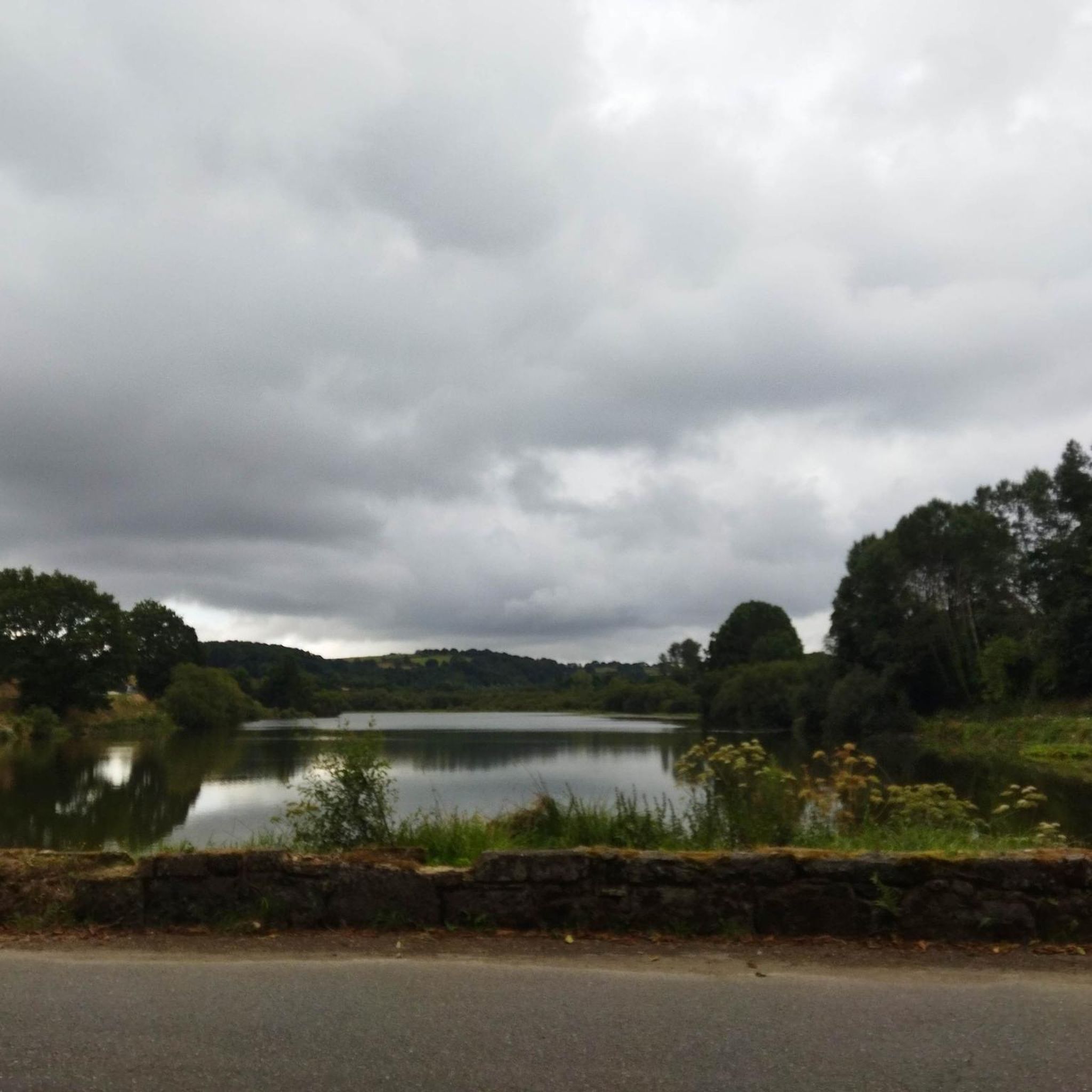
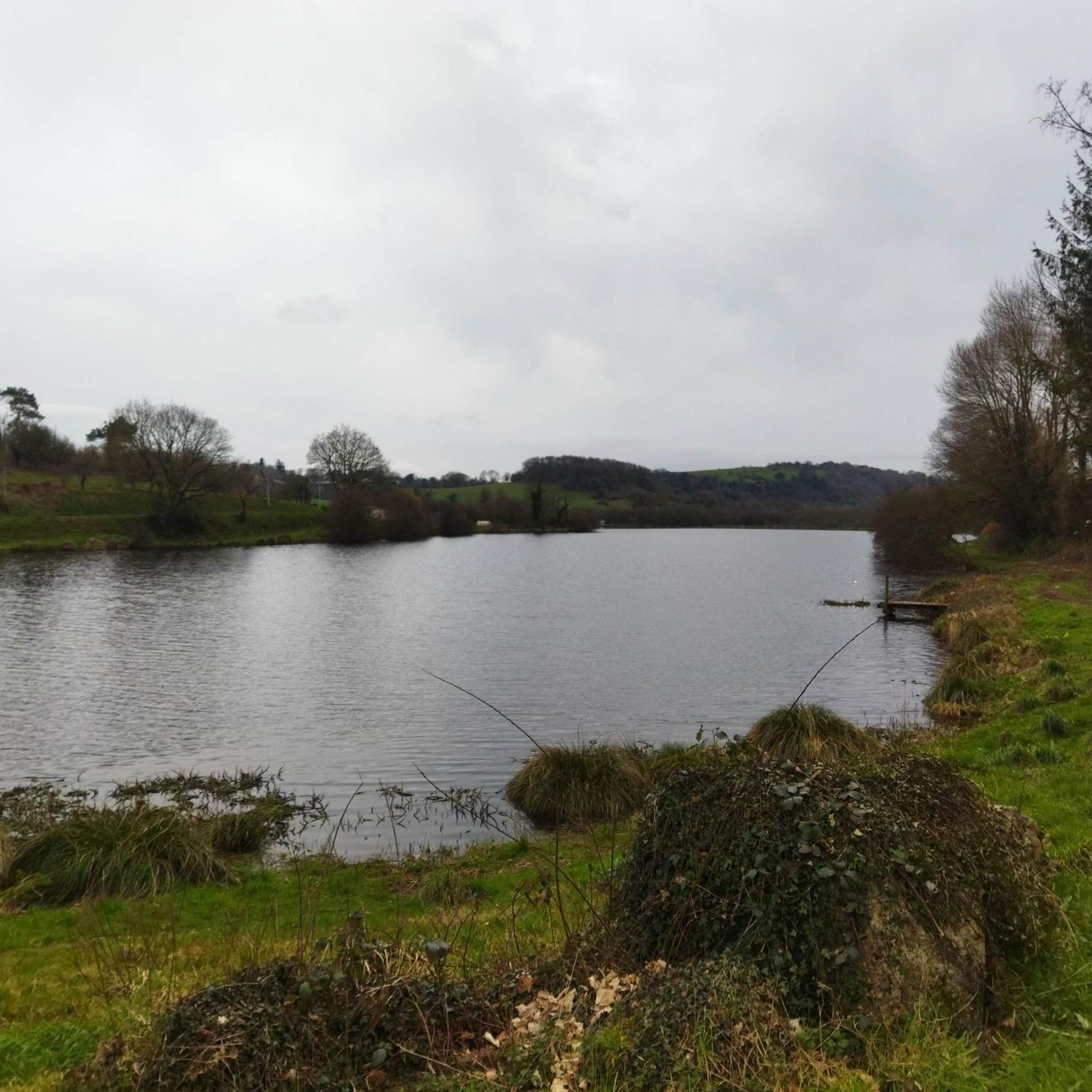
The pond dates back to at least the 16th century. It once covered the entire valley area. Its marshy parts bordered the bases of the medieval city walls, forming a natural defense at the foot of the original castle. On 18-19 August 1773, torrential rains caused a sudden flood that washed away the causeway of the pond, destroying the mills and causing the death of 15 people. The Gouët had a wild course there and the pond supplied the castle mill. The marshy areas of the valley were filled in for the development of the Corlay road in 1864 and to build the station of the “Petit Chemin de fer des Côtes-du-Nord” in 1907. Photo credit: Emmanuel Berthier
0
0

Very easy, flat and quiet path in a superb forest. Very rolling for bike and gravel outings
0
0

The Basilica of Notre-Dame de Délivrance is a sacred place located in Hennebont, France. Built in the 20th century, this basilica seduces with its neo-Gothic architecture and its local religious importance.
0
1

The neo-Gothic bell tower, a building of the 19th century, marks the Quintin landscape. The basilica was rebuilt in 1887 on the site of the old collegiate church. But it was in the 13th century that Lord Geoffroy I Botherel, returning from a crusade with the holy relic of the Belt of the Virgin, gave new impetus to this Marian site. This subject is illustrated in sculpture on the tympanum. To discover the gallery of reclining figures and the baptismal font, designed by Jeanne Malivel, a leading artist of Breton Art Deco. The church became a minor basilica in 1934. The great Pardon Notre-Dame-de-Délivrance takes place every year in May. Open every day. Nearby on the rue Notre-Dame, stop in front of the monumental fountain Notre-Dame-d'entre-les-Portes from the 15th century.
1
0

The Resistance Museum in Argoat introduces you to the Plésidy maquis and its daily life under the Occupation. Its exhibition tells you the story of the Second World War and the Resistance in the west of the Côtes d'Armor. The museum has a rich collection of period documents and objects as well as photos. As you enter, you will see a fairly old bicycle hanging on the wall, and its history is most exciting. It was given to the Museum by Fernand Trochel, cyclist and bike repairer on Guingamp during the Second World War. Fernand was a liaison agent for the maquis of Plésidy-Saint-Connan but also for the Shelburn network, a branch of the British secret services. Every day, he traveled nearly 150 kilometers, criss-crossing the department by bicycle. He was provided with a pass issued by the German authorities so that he could "officially" continue his cycling training. He took advantage of this cover to distribute mail, which he hid in his pedal box, to the various Resistance networks. If you want to learn more about his story, the museum offers his book for sale. Opening hours: Wednesday and Sunday from 2 p.m. to 6 p.m.
0
0
Built between the second half of the 12th century and the first half of the 13th century, this schist and granite castle was destroyed during the Hundred Years War and then rebuilt by Jean de Rohan from 1475 to 1493. The pond, located at north of the castle, fed the moats which are now filled in. From 1616, the site, which was already in very poor condition, was gradually abandoned for more than three centuries. It will take a buyout by the municipality to begin a vast revaluation of its ruins, and a rehabilitation of the buildings. I advise you to take the time to explore the remains of this castle with its typical architecture from the end of the 15th century, whose past splendor we can only imagine.
0
0
Frequently Asked Questions
What historical sites can I visit in and around Saint-Connan?
Saint-Connan and its surroundings are rich in history. You can explore the Museum of the Resistance in Argoat, which details the local Resistance movement during WWII. Other notable historical sites include the ancient Corlay Castle and its pond, dating back to the 12th century, and the impressive Basilique Notre-Dame-de-Délivrance with its neo-Gothic architecture. Within Saint-Connan itself, don't miss the Église Saint-Corentin and the Chapelle du Logou, both offering glimpses into the region's religious heritage.
Where can I experience nature and scenic views near Saint-Connan?
For nature lovers, the area offers several beautiful spots. The L'Étang Neuf site provides a serene green and fresh-water setting, perfect for walks. The Coatmallouen Forest, historically significant, is also a great place for a tranquil stroll. You can also enjoy the View of the pond and the Château de Quintin, offering picturesque scenery. Further afield, Lac de Guerlédan and Menez Bré are significant natural sites worth exploring.
Are there family-friendly activities or attractions in the Saint-Connan area?
Yes, several attractions are suitable for families. The Corlay Castle and its pond is a great option, offering historical exploration in an open setting. The View of the pond and the Château de Quintin also provides a pleasant outing for all ages. Additionally, the Forest Trail along the Trieux is an easily accessible path for a family walk amidst nature.
What outdoor activities can I do near these attractions?
The Saint-Connan area is excellent for outdoor enthusiasts. You can find numerous cycling routes, including challenging loops like the 'Lac de Kerné-Uhel - East bank – Tour du Lac' or 'The Avaugour Quarry loop'. For mountain biking, there are trails such as the 'Kerne Uhel Dam – Moving places loop'. Runners can enjoy routes like the 'Menhir de Keranhouët loop'. For more details and specific routes, check out the komoot guides for Cycling around Saint-Connan, MTB Trails around Saint-Connan, and Running Trails around Saint-Connan.
Are there any religious heritage sites to visit?
Saint-Connan has a rich religious heritage. The Église Saint-Corentin, dedicated to the first bishop of Quimper, houses remarkable 16th-century art and ancient statues. The Chapelle du Logou (or Logo), also known as Notre-Dame-des-Septs-Douleurs, has parts dating back to the 15th century and is situated on a spring. Additionally, the wider region features the impressive Basilique Notre-Dame-de-Délivrance, a significant Marian site.
What is the best time of year to visit Saint-Connan?
The best time to visit Saint-Connan largely depends on your preferred activities. Spring and summer offer pleasant weather for outdoor activities like cycling, hiking, and exploring natural sites. The region's natural beauty, including forests and ponds, is particularly vibrant during these seasons. If you're interested in local events, the great Pardon Notre-Dame-de-Délivrance takes place every year in May.
Can I find easy walking trails suitable for all fitness levels?
Yes, there are options for easy walks. The L'Étang Neuf site offers gentle paths around its waters. The Forest Trail along the Trieux is also noted for being easily accessible and well-maintained, providing a quiet walk along the river. These trails are generally suitable for various fitness levels and offer a chance to enjoy the local scenery.
What is the significance of the <a href="https://www.komoot.com/highlight/3177965" target="_blank" rel="noopener">Museum of the Resistance in Argoat</a>?
The Museum of the Resistance in Argoat is a crucial site for understanding the region's role in World War II. It recounts the history of the Resistance (Maquis) in the Argoat area, specifically highlighting the Plésidy maquis and its involvement in the liberation of Guingamp. The museum features a rich collection of period documents, objects, and photos, offering an immersive experience into daily life during the Occupation and the bravery of the Resistance fighters.
Are there any ancient or megalithic sites nearby?
Yes, for those interested in ancient history, the Allée couverte du Parc-Kerdic is a local megalithic covered alley of historical interest within Saint-Connan. This site offers a glimpse into the prehistoric past of the region.
What are some notable towns or attractions within a short drive from Saint-Connan?
Saint-Connan serves as a good base for exploring the wider Côtes-d'Armor region. Within a reasonable driving distance, you can visit Guingamp (17 km) with its historic center and Basilica, or Saint-Brieuc (24 km) which also boasts a cathedral and medieval houses. For a glimpse into industrial history, the Forges des Salles (25 km) is a 19th-century workers' village. The charming seaside resort of Binic (27 km) is also accessible for a coastal experience.
What do visitors enjoy most about the attractions around Saint-Connan?
Visitors appreciate the blend of historical significance and natural beauty. The historical sites, such as the Museum of the Resistance in Argoat and Corlay Castle, offer deep insights into the past. The tranquil landscapes, including forests and ponds, provide opportunities for peaceful walks and outdoor activities. The area's rich religious heritage and picturesque views, like the View of the pond and the Château de Quintin, are also highly valued by the komoot community.
Can I find places to eat or stay in Saint-Connan?
While Saint-Connan is a rural commune, the L'Étang Neuf site includes an auberge, which typically offers both accommodation and dining options. For a wider selection of restaurants and accommodations, you might consider nearby towns like Guingamp or Saint-Brieuc, which are within a short driving distance.

Get inspired with the komoot mobile app


Explore more
Still not found the Highlight you’re looking for? See guides of the top attractions in other regions:
