The best walks and hikes around Quessoy
4.6
(786)
4,363
hikers
190
hikes
Hiking around Quessoy offers diverse landscapes and well-maintained trails within a commune that actively preserves its rural character. The region features a "green belt" around its main settlement, providing accessible natural spaces. Trails often traverse valleys, skirt ponds, and wind through woods, offering varied terrain for outdoor exploration. Hikers can discover a rich heritage of châteaux, manors, and chapels along these routes.
Best hiking trails around Quessoy
- The most popular hiking route is Hiking loop from Quessoy, a 5.5…
Last updated: June 25, 2026
4.8
(5)
14
hikers
8.92km
02:22
90m
90m
Moderate hike. Good fitness required. Easily-accessible paths. Suitable for all skill levels.
5.0
(4)
14
hikers
9.95km
02:36
80m
80m
Moderate hike. Good fitness required. Easily-accessible paths. Suitable for all skill levels.

Sign up for free
7
hikers
Moderate hike. Good fitness required. Easily-accessible paths. Suitable for all skill levels.
4.0
(3)
6
hikers
8.80km
02:24
130m
130m
Moderate hike. Good fitness required. Easily-accessible paths. Suitable for all skill levels.
4.5
(6)
5
hikers
9.99km
02:41
120m
120m
Moderate hike. Good fitness required. Easily-accessible paths. Suitable for all skill levels.
Get access to more routes and recommendations from other explorers.
Sign up for free
Already have an account?
Our route recommendations are based on thousands of hikes, rides, and runs completed by other people on komoot.
Start today with a free account
Your next adventure awaits.
Login or Signup
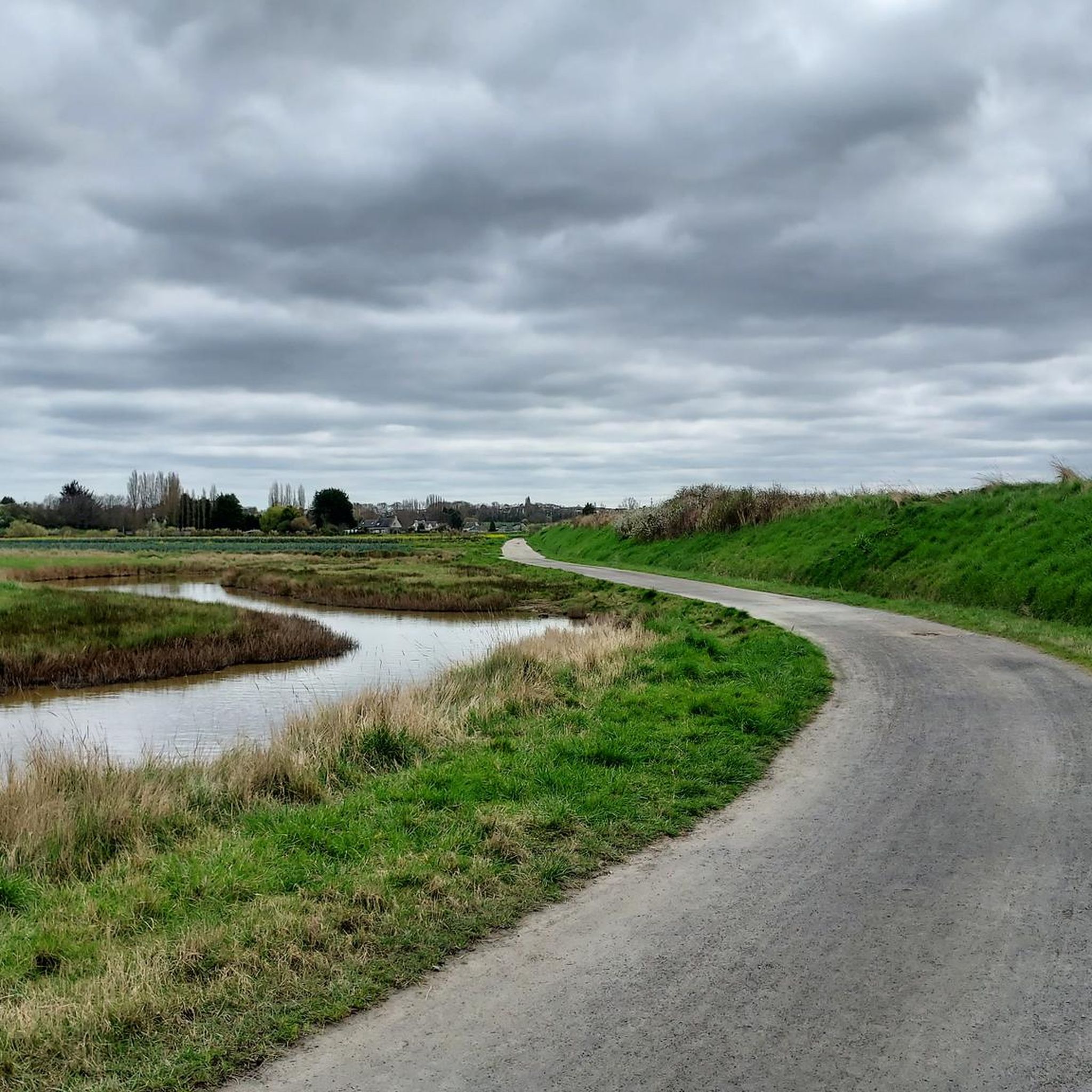
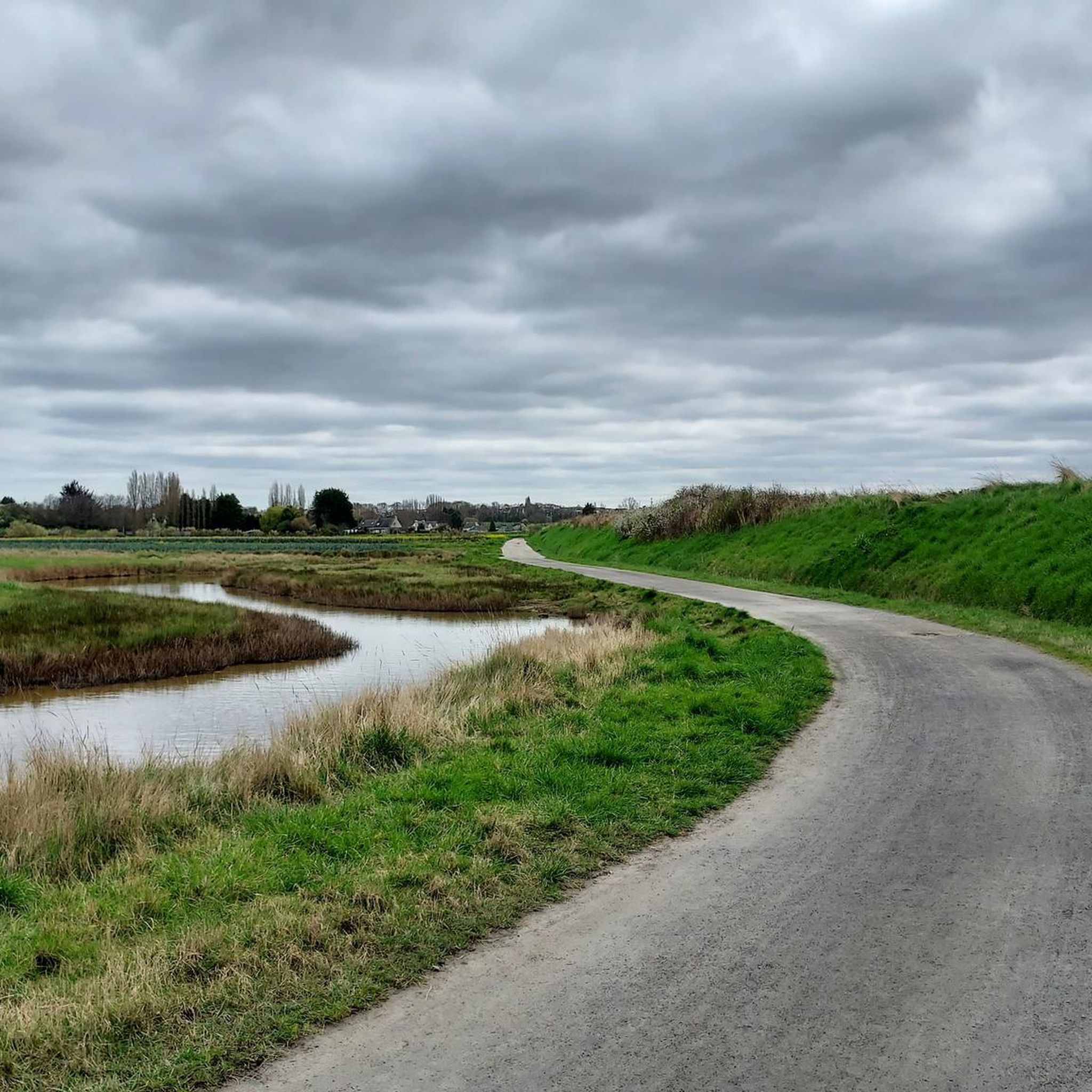
Tips from the Community

From 1905 to 1948, the train made a stop there between Saint-Brieuc and Moncontour. The inhabitants of the Grèves used it frequently to get around and transport goods, particularly bricks produced by the nearby factory. It was called the "Petit train des Côtes-du-Nord", the former name of the department, because there was only 1 m spacing between its rails compared to 1.435 m on a normal track.
0
0
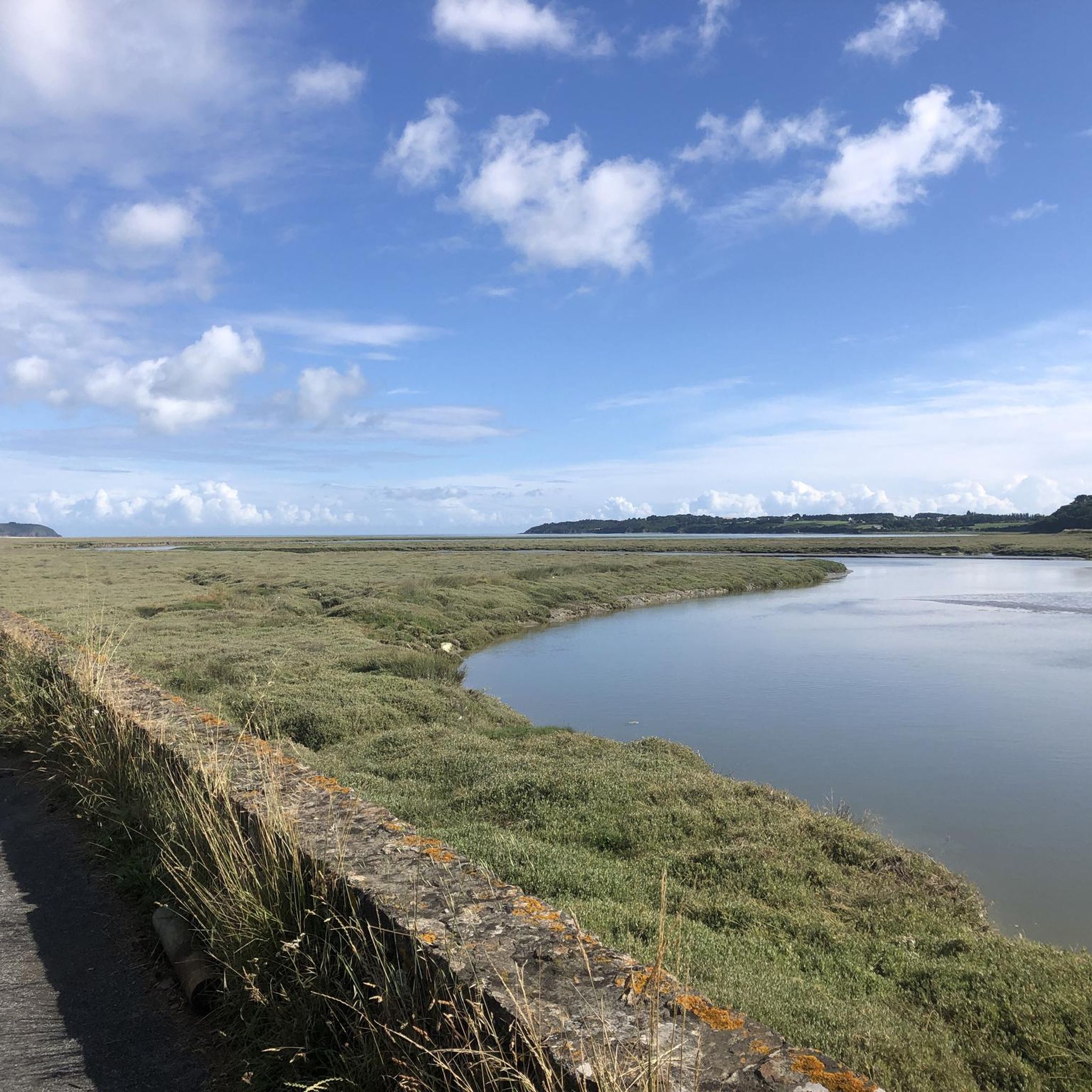
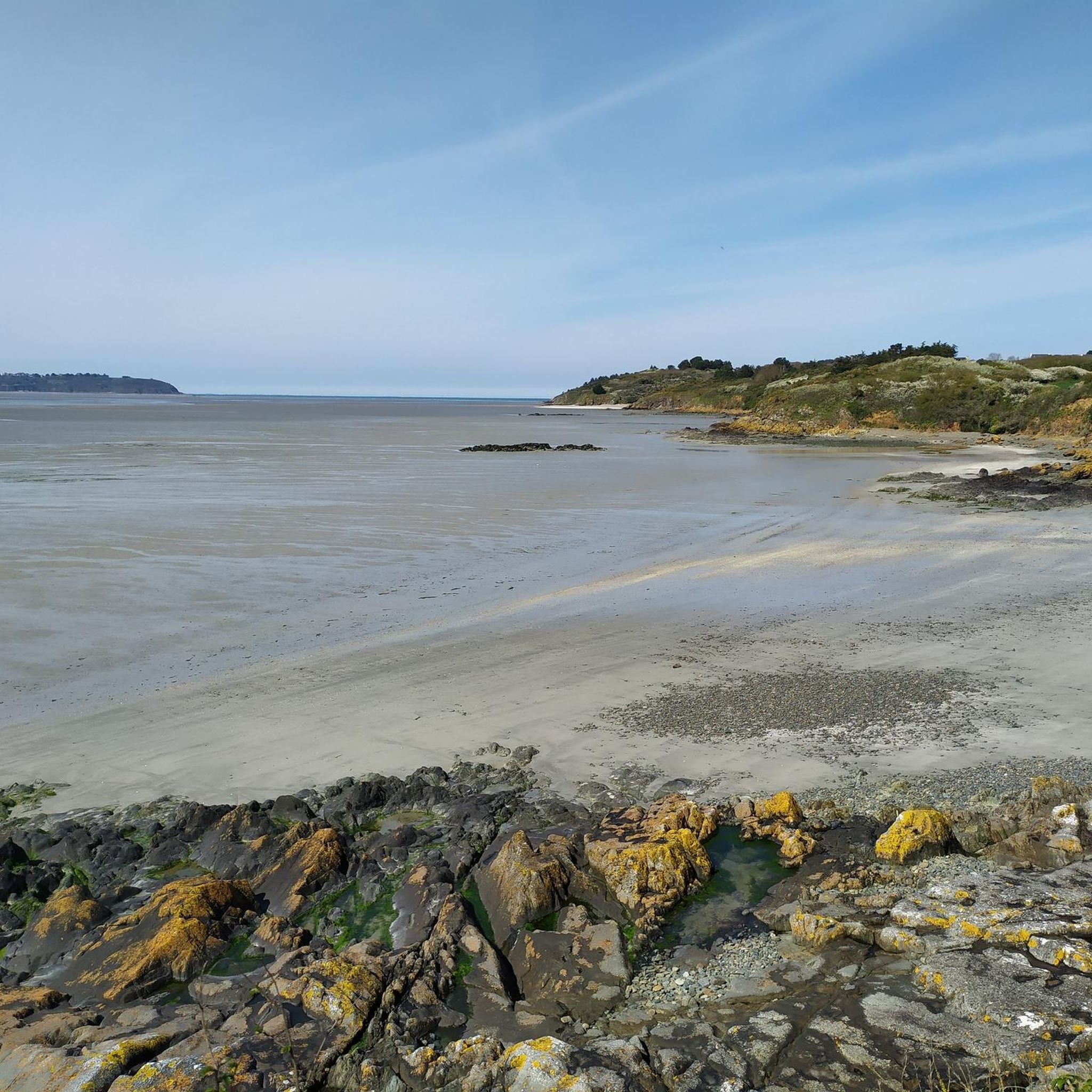
Classified as a Nature Reserve since 1998, all this wild nature almost disappeared during the 20th century. A landfill was located a little higher up, and plans for a port or even an airport were circulating. After twenty long years of fighting, led in particular by naturalists and local residents, the bottom of the Baie de Saint-Brieuc has regained its original calm and serenity. This landscape of water channels surrounding salt meadows, completely covered during the high tides, welcomes a diversity of birds from all horizons every year.
0
0

The second largest natural park in Brittany, the bay of Saint-Brieuc offers a preserved space with eclectic landscapes. Between salt meadows, dunes and lagoon waters, around 35,000 species of birds visit the bay each year. Surrounded by the customs trail (GR 34), the bay offers a wide variety of walks. Observation cabins allow you to stay on the lookout for wild life and enjoy a well-guarded world.
0
0

Volunteers work to perpetuate the memory of the “Little Train” present from 1905 to 1956 in the Côtes-du-Nord department. Free access site, two exhibitions in passenger cars, one of which is permanent on the history of this little train. For a more fun moment, board one of the “Boutdeville Tramways” which crisscross the magnificent park.
1
0

Bolt de Ville. View of the natural park. Very nice cove in the sea. Tide has a major influence here.
2
0

La Grève de Langueux is an area on the foreshore of the bay of Saint-Brieuc, located in the town of Langueux, in the Côtes d'Armor. It is a protected natural site, home to a variety of flora and fauna, as well as historical and cultural heritage.
7
0
The fifth bay in the world for the amplitude of its tides is located on the Channel-Atlantic migration axis. Between 30,000 and 40,000 birds make a migratory stopover here or reside there for the winter: Siberian geese, spotted locusts, Balearic shearwaters, skylarks, melodious linnets, brent geese... These guests know that in this landscape of more than a thousand hectares, apparently desert, intense animal life animates the waters and sand. A real pantry! The bottom of the bay is also home to remarkable geology, dunes, salt meadows...
10
0
In the former Langueux brickworks, a picture is sketched of the economic activities in the bay during the 19th century. A platform (recreated in full size) and a miniature railway are reminders of the local railway company of Cotes-d'Armor. Exhibition on the history of the brickworks and the restored ring kiln (1870).
7
0
Frequently Asked Questions
How many hiking trails are available in Quessoy?
There are over 180 hiking routes available around Quessoy, catering to various skill levels and preferences. You'll find a diverse range of paths traversing valleys, skirting ponds, and winding through woodlands.
Are there easy hiking routes suitable for beginners or families in Quessoy?
Yes, Quessoy offers many easy hiking routes, with over 80 trails classified as easy. A notable option is the 8 km "La Ceinture Verte" (The Green Belt) loop, designed to showcase the natural spaces surrounding Quessoy. These trails are generally accessible and perfect for a relaxed family outing.
What kind of landscapes can I expect to see while hiking in Quessoy?
Hiking trails in Quessoy traverse diverse landscapes, including valleys, ponds, and woodlands. You'll encounter picturesque views and magnificent panoramas, often featuring the region's rural character and green spaces. Many routes also pass by historical sites like châteaux, manors, and chapels.
Are there any circular hiking routes in Quessoy?
Yes, many of the trails in Quessoy are circular. For example, the Hiking loop from Quessoy is a popular 8.9 km circular route exploring local green spaces. Another option is the 8 km "La Ceinture Verte" loop, specifically designed to be a circular path around the commune.
What historical sites or landmarks can I discover on the trails?
Quessoy's trails are rich in historical and cultural heritage. You can discover châteaux, manors, and chapels along many routes. The "Sur les pas des Hospitaliers" trail, for instance, is specifically designed to highlight historical heritage sites, including the village of L'Hôpital and its chapel dedicated to Saint-Jean-Baptiste. You might also encounter the Ponts-Neufs Viaduct or the Pont des Courses nearby.
Can I bring my dog on the hiking trails in Quessoy?
While specific regulations for each trail may vary, generally, dogs are welcome on many outdoor paths in rural France, provided they are kept under control, especially around livestock or in nature reserves. It's always advisable to check local signage or specific trail information for any restrictions before heading out with your pet.
What is the average duration of hikes in Quessoy?
The duration of hikes in Quessoy varies depending on the trail and your pace. Many popular routes, like the Chaise à Margot loop from Trégenestre (9.9 km), take around 2.5 to 3 hours. Longer trails, such as the Château de Bogar loop from Quessoy (17.7 km), can take closer to 4.5 hours or more.
Are there opportunities to see wildlife while hiking?
Quessoy's commitment to preserving its natural environment means you have a good chance to observe local wildlife, particularly birds and small mammals, in the woodlands and around ponds. The nearby Bay of Saint-Brieuc, accessible from Quessoy, is a significant nature reserve known for its diverse wildlife and exceptional birdwatching opportunities.
Are there any trails that lead to or offer views of the coast?
While Quessoy itself is inland, its proximity to the coast means it's possible to reach coastal areas on foot or by bike for more challenging excursions. The wider Côtes-d'Armor region offers opportunities for coastal walks, including sections of the renowned GR34 coastal hiking trail. The Bay of Saint-Brieuc, with its stunning views, is also accessible and worth exploring.
What do other hikers enjoy most about hiking in Quessoy?
The hiking experience in Quessoy is highly rated by the komoot community, with an average score of 4.6 stars from over 700 reviews. Hikers often praise the diverse rural landscapes, the well-maintained trails that traverse valleys and woodlands, and the opportunity to discover historical sites like châteaux and chapels along the way.
Are there any longer, more challenging routes for experienced hikers?
Yes, for those seeking a longer challenge, routes like the Château de Bogar loop from Quessoy, spanning 17.7 km, offer a more extensive exploration of the area. The region also provides access to the wider Côtes-d'Armor coastline, which includes sections of the GR34, known for its more demanding coastal treks.
Are there any specific trails that pass by old mills?
Yes, the "Autour des Moulins" (Around the Mills) trail, a substantial 14 km route, is specifically designed for hikers to discover old mills in the Quessoy area. This trail offers a unique blend of natural beauty and historical interest.
What is the best time of year to go hiking in Quessoy?
Quessoy offers pleasant hiking conditions for much of the year. Spring and autumn provide mild temperatures and beautiful scenery, with blooming flowers or vibrant fall foliage. Summer is also popular, though it can be warmer. Even in winter, many trails remain accessible, offering a different, quieter perspective of the landscape.
Most popular attractions around Quessoy

Get inspired with the komoot mobile app


Explore more
Browse the best Hikes in other regions.
