Attractions and Places To See around Brignancourt - Top 20
Attractions and places to see around Brignancourt include historical sites and natural features within the Vexin français regional natural park. The village is traversed by the Viosne River and bordered by local woodland, offering a tranquil setting. Visitors can explore landmarks that showcase the area's heritage and natural beauty.
Best attractions and places to see around Brignancourt
- The most popular attractions is Château de Théméricourt, a castle that features a park with a pond, suitable for a break or…
Last updated: June 23, 2026
Château de Théméricourt
Highlight • Castle
Translated by Google •
Tip by

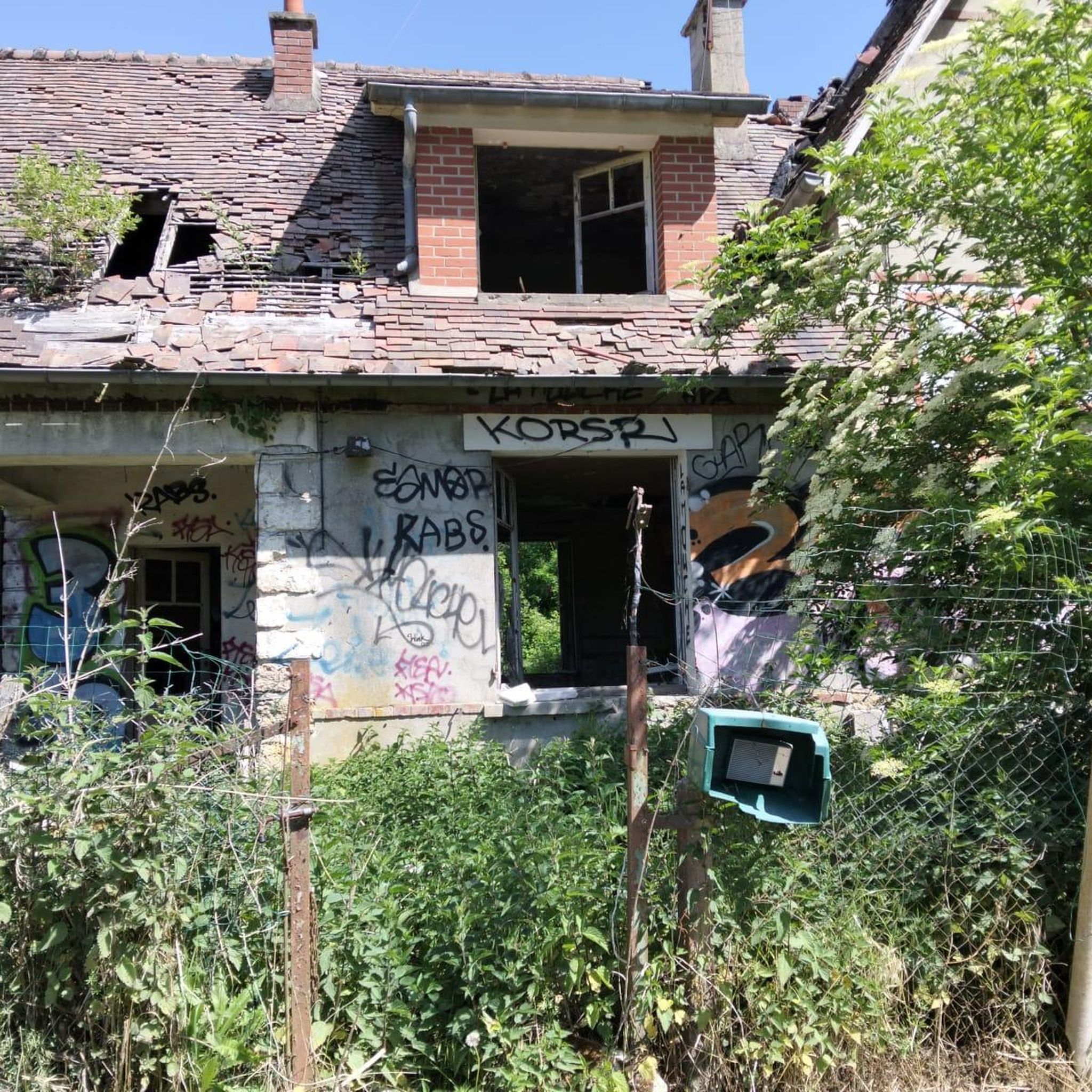
Distillerie de Fremainville
Highlight • Other
Translated by Google •
Tip by

Sign up now to discover places like this
Get recommendations on the best single tracks, peaks, & plenty of other exciting outdoor places.
Sign up for free
Moussy Castle
Highlight • Castle
Translated by Google •
Tip by

Guiry-en-Vexin Castle
Highlight • Castle
Translated by Google •
Tip by

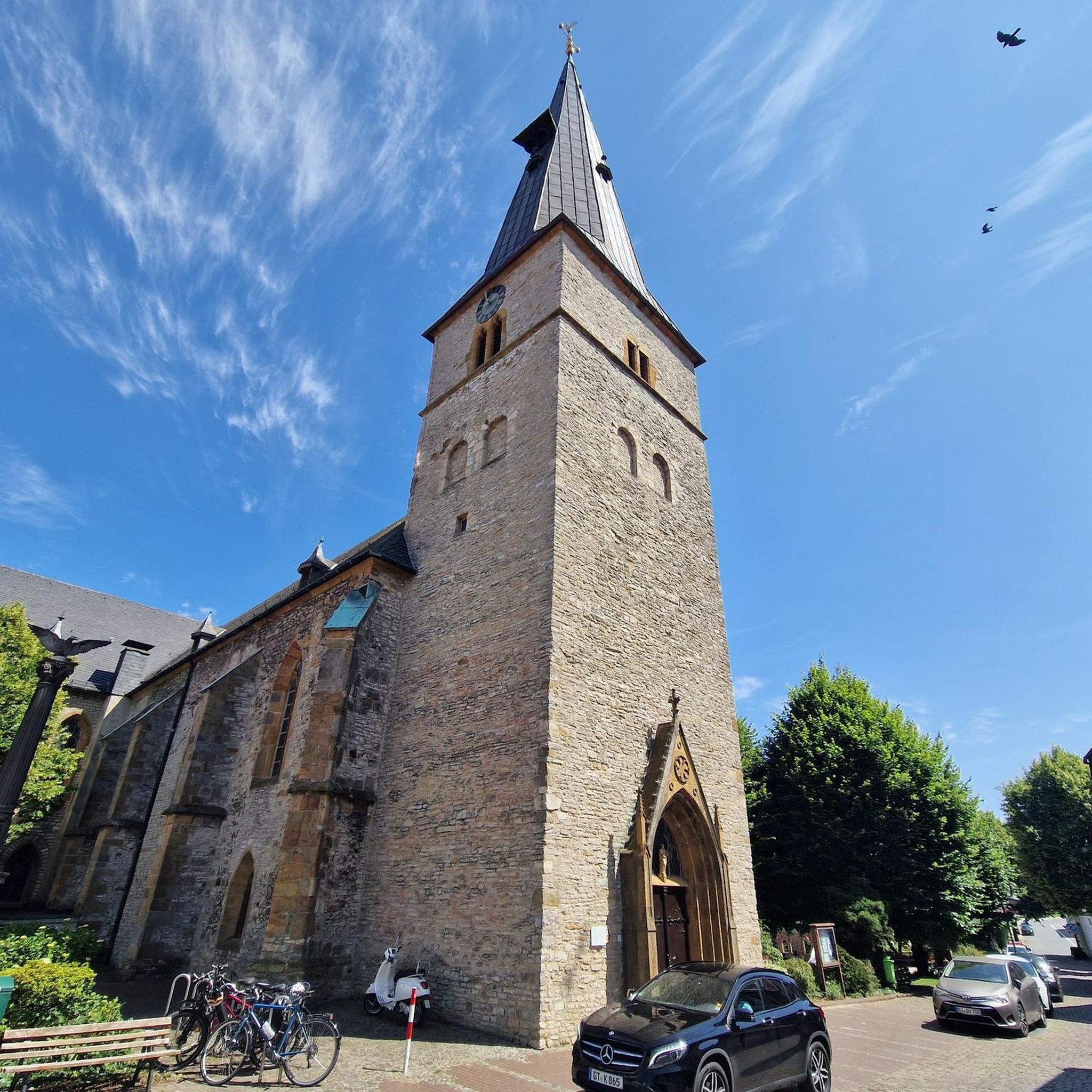
Notre-Dame-de-l'Assomption Church of Frémécourt
Highlight • Religious Site
Translated by Google •
Tip by

Sign up for free to discover even more attractions around Brignancourt.
Sign up for free
Already have an account?
Start today with a free account
Your next adventure awaits.
Login or Signup

Tips from the Community

Please note: if you want to park there to go hiking, the car park is currently only open from 2:00 p.m. on Sundays.
0
0

Simple and beautiful lines for this castle which is found there almost by surprise
0
0


The Château de Théméricourt, probably built by Philippe de Théméricourt in the second half of the 15th century, has retained its initial plan with two main buildings arranged at right angles and flanked by four turrets topped with pepperbox roofs. This square plan responds to the concern of rejecting common areas in isolated buildings. The north and west facades of the castle have retained their original, very severe appearance. They contrast greatly with those opening onto the park, which, apart from the central turret, remain marked by classicism. The castle park has evolved greatly since the 18th century. The French garden was succeeded, it seems in the middle of the 19th century, by a park with a pond fed by the Aubette de Meulan.
1
0

Nice castle to look at from the road because private.
0
0
Souvenir in addition to being a castle, which is always pleasant to look at!
0
0

The castle was built from 1665 for the Marquis André de Guiry according to plans drawn by François Mansart, recovering the foundations of a first building of the sixteenth century destroyed by fire. The architect and the sponsor died in 1666, but the work was however completed by the nephew Jules Hardouin-Mansart. A rare case in history, the estate has remained in the same family for thirteen centuries, that is to say as far back as the first written traces that mention it. After being listed as historical monuments by decree of July 11, 1942 with its park, the castle, the avenue, the main courtyard, the outbuildings, the orchard and various elements of the park are classified by decree of March 14, 1944; then two constituent parcels of the avenue du château are classified by decree of December 10, 2001. Consequently, the park simply remains registered, and the castle with all the rest of the estate is classified
1
1

Mansion dating from the 16th century, which retains external signs of the feudalism of the previous period with the presence of towers, closed perimeter walls. The two pepperbox-capped towers frame a cart gate and a pedestrian gate. The whole is affirmed by a dominating and defensive side. The Château de Moussy housed the German general staff in 1943 and was damaged, like the neighboring church, by a bombardment in 1944. above the main entrance is a characteristic addition. The property listed in the Inventory is private and cannot be visited.
0
0
Frequently Asked Questions
What historical sites are there to explore around Brignancourt?
Beyond the village's own Château de Théméricourt, which dates back to the 15th century, you can discover other significant historical landmarks. These include the local Église Saint-Pierre-aux-liens, a preserved Lavoir couvert (covered washhouse) offering a glimpse into traditional life, and various wayside crosses scattered throughout the area. Additionally, Moussy Castle with its distinctive architecture and red doors, and the Guiry-en-Vexin Castle, a monument built from 1665, are also nearby.
Are there any unique historical buildings or repurposed sites to visit?
Yes, one unique site is the Distillerie de Fremainville. Originally built in the 1920s to produce beet alcohol, it has been transformed into a reception area and has even served as a setting for several films. Its rich history includes supplying Parisian buses with fuel during WWII and being the site of a battle for the liberation of Paris.
What natural features can I enjoy in and around Brignancourt?
Brignancourt is nestled within the Vexin français regional natural park, offering several natural highlights. The Viosne River flows through the village, adding to its scenic appeal. You can also find the Source Saint Jean, a natural spring, and explore the beautiful local woodland composed of oaks, ash trees, and hornbeams, perfect for walks.
What kind of outdoor activities can I do near Brignancourt's attractions?
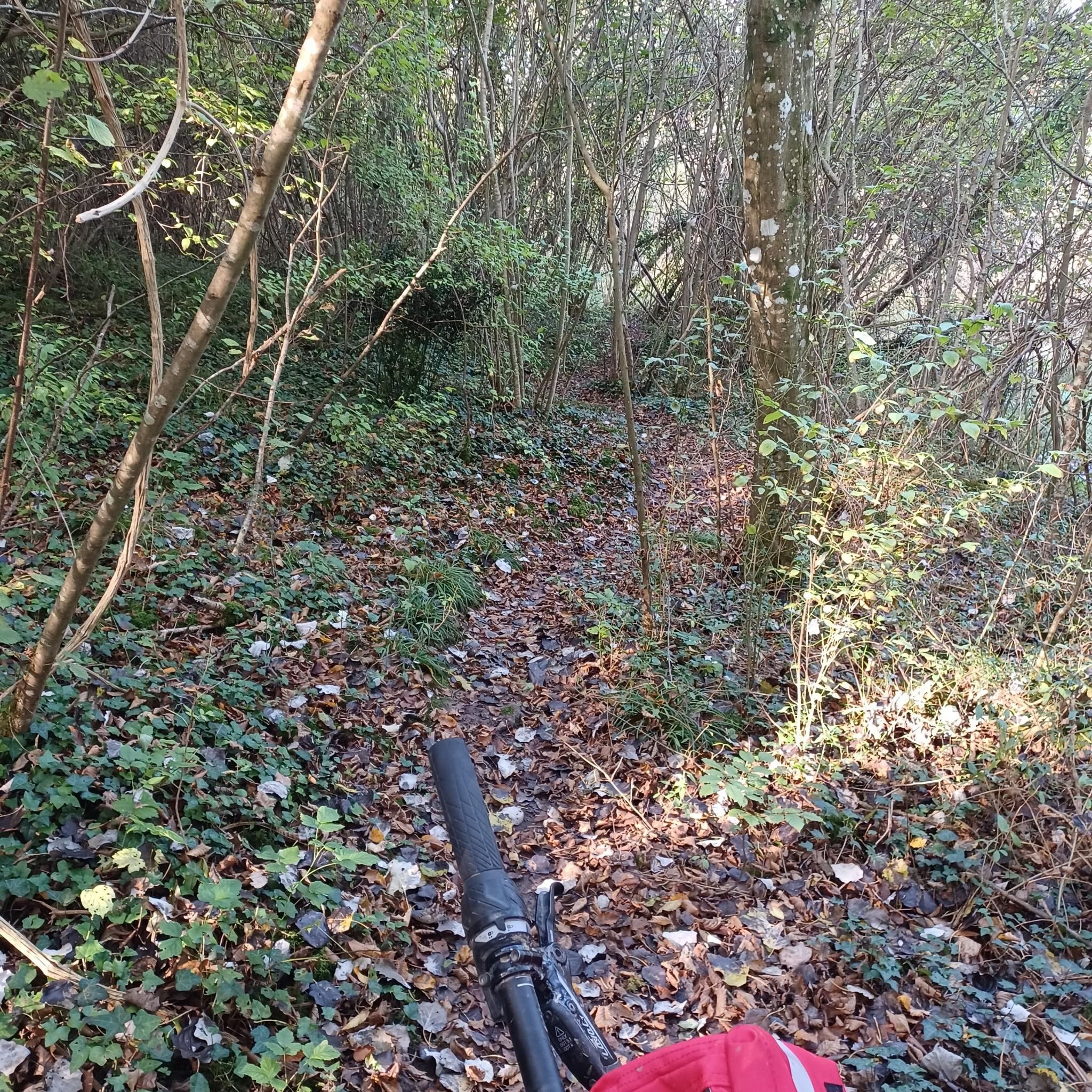
The area around Brignancourt is excellent for outdoor enthusiasts. You can find numerous routes for hiking, road cycling, and gravel biking. For hiking, consider the 'Water and Bread Trail' or the 'Moulin de Noisemont loop'. Road cyclists might enjoy the 'Auvers‑sur‑Oise Castle – Labbeville Church loop'. Gravel bikers have options like the 'Maudétour Castle – Wy-dit-Joli-Village loop'. You can find more details on these and other routes in the respective guides: Hiking around Brignancourt, Road Cycling Routes around Brignancourt, and Gravel biking around Brignancourt.
Are there family-friendly attractions in the area?
Yes, Château de Théméricourt is considered family-friendly. Its park features a pond, which is ideal for a simple break or a picnic with children. The castle itself, with its turrets and historical architecture, can also be an engaging visit for families.
What do visitors particularly enjoy about the attractions around Brignancourt?
Visitors appreciate the historical depth and architectural beauty of the castles, such as the well-preserved 15th-century Château de Théméricourt and the distinctive Moussy Castle. The transformation of the Distillerie de Fremainville into a magnificent reception area also captures interest due to its unique history and cinematic connections.
Are there any religious buildings of historical significance nearby?
Yes, the Notre-Dame-de-l'Assomption Church of Frémécourt is a notable parish Catholic church. It combines a small Renaissance choir with a partly Romanesque transept and nave. The church is listed as a historic monument and features a richly carved 14th-century baptismal font and unique capital sculptures.
Where can I find easy walking paths or short hikes around Brignancourt?
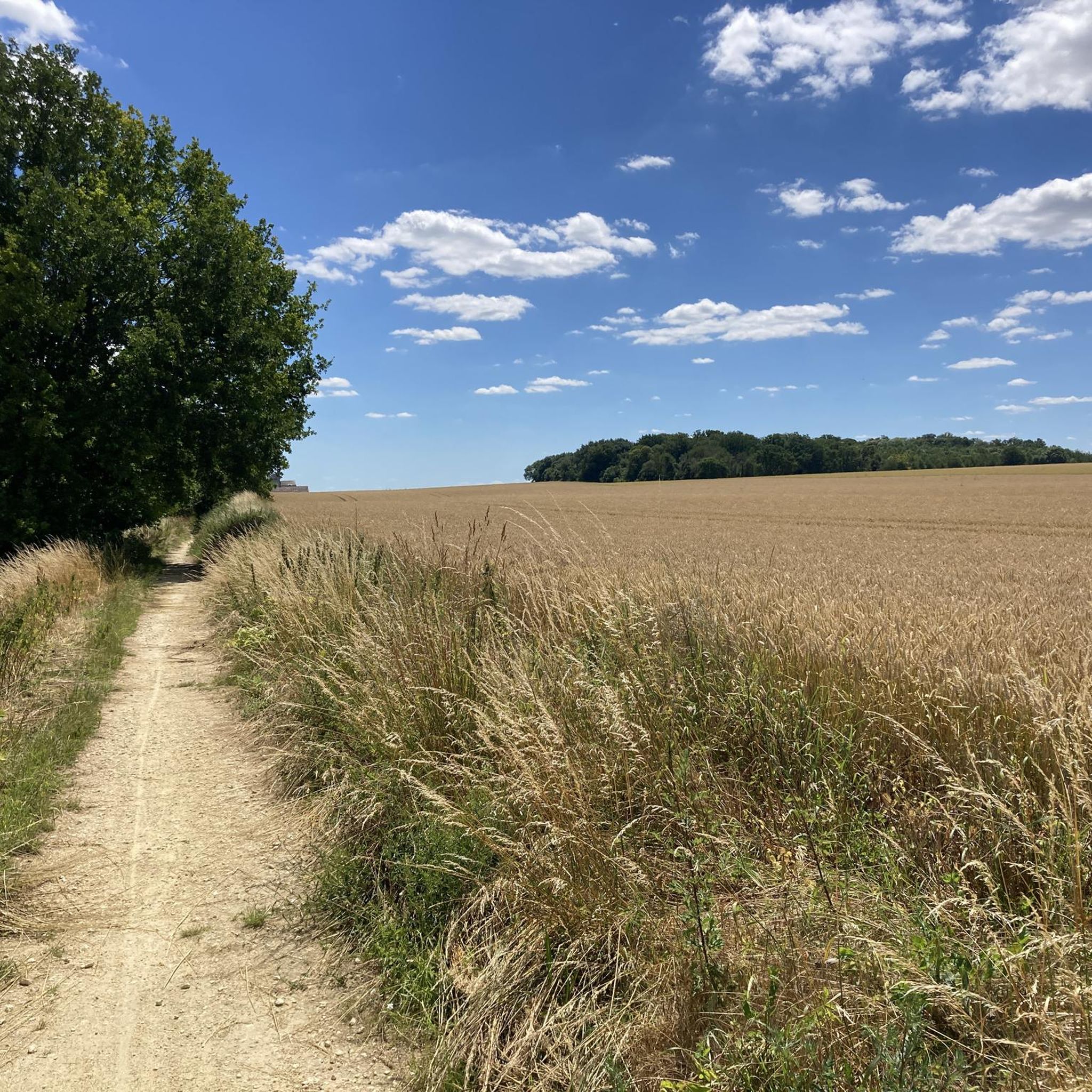
For easier walks, you can explore the local woodland bordering Brignancourt. Additionally, within the nearby hiking routes, you'll find options like the 'La Viosne – Rapeseed fields loop' which is rated as easy, and the 'Moulin de Vallière loop' which is also an easy, shorter option. More details are available in the Hiking around Brignancourt guide.
Is there parking available at the main attractions?
For Château de Théméricourt, there is a car park available, though it is currently only open from 2:00 p.m. on Sundays if you intend to park there for hiking. For other attractions, parking availability may vary, and it's generally advisable to look for designated parking areas within the villages or near the sites.
What is the best time to visit Brignancourt to enjoy its attractions and natural beauty?
The Vexin français regional natural park, where Brignancourt is located, is beautiful throughout the warmer months. Spring and autumn offer pleasant temperatures for exploring historical sites and enjoying walks in the local woodland. The park with a pond at Château de Théméricourt is particularly enjoyable during these seasons for breaks and picnics.
Are there any viewpoints around Brignancourt to appreciate the landscape?
While specific named viewpoints are not highlighted, the village's location within the Vexin français regional natural park, traversed by the Viosne River and bordered by woodlands, naturally offers picturesque views. Exploring the various walking paths and trails, especially those that ascend slightly, will provide opportunities to appreciate the tranquil, rustic charm and historical landscape of the area.
Most popular routes around Brignancourt
Most popular attractions around Brignancourt

Get inspired with the komoot mobile app


Explore more
Still not found the Highlight you’re looking for? See guides of the top attractions in other regions:
