The best mountain hikes around Aiguilles
4.6
(19)
129
hikers
14
hikes
Mountaineering around Aiguilles in the French Alps offers a diverse range of high-mountain landscapes. The region features challenging ascents across varied terrain, from the limestone cliffs of Mont Aiguille to the crystalline gneiss peaks of the Aiguilles Rouges. Mountaineering routes often involve rock and snow climbs, glacier crossings, and provide panoramic views of surrounding massifs. The area is characterized by steep elevations, alpine environments, and extensive coniferous forests.
Best mountaineering routes around Aiguilles
- The most popular mountaineering route is Col…
Last updated: October 4, 2026
3.0
(1)
17
hikers
7.63km
03:59
660m
660m
Moderate mountaineering route. Good fitness required. Mostly accessible paths. Sure-footedness required.
5.0
(2)
9
hikers
5.56km
02:59
470m
470m
Hard mountaineering route. Good fitness required. Sure-footedness, sturdy shoes and alpine experience required.

4.5
(2)
12
hikers
20.4km
09:59
1,450m
1,450m
Hard mountaineering route. Very good fitness required. Sure-footedness, sturdy shoes and alpine experience required.
4.7
(3)
8
hikers
11.7km
04:07
630m
630m
Moderate mountaineering route. Good fitness required. Easily-accessible paths. Suitable for all skill levels.
5.0
(1)
8
hikers
Hard mountaineering route. Good fitness required. Sure-footedness, sturdy shoes and alpine experience required.
Get access to more routes and recommendations from other explorers.
Already have an account?
Our route recommendations are based on thousands of hikes, rides, and runs completed by other people on komoot.
Start today with a free account
Your next adventure awaits.
Other adventures around Aiguilles

Tips from the Community

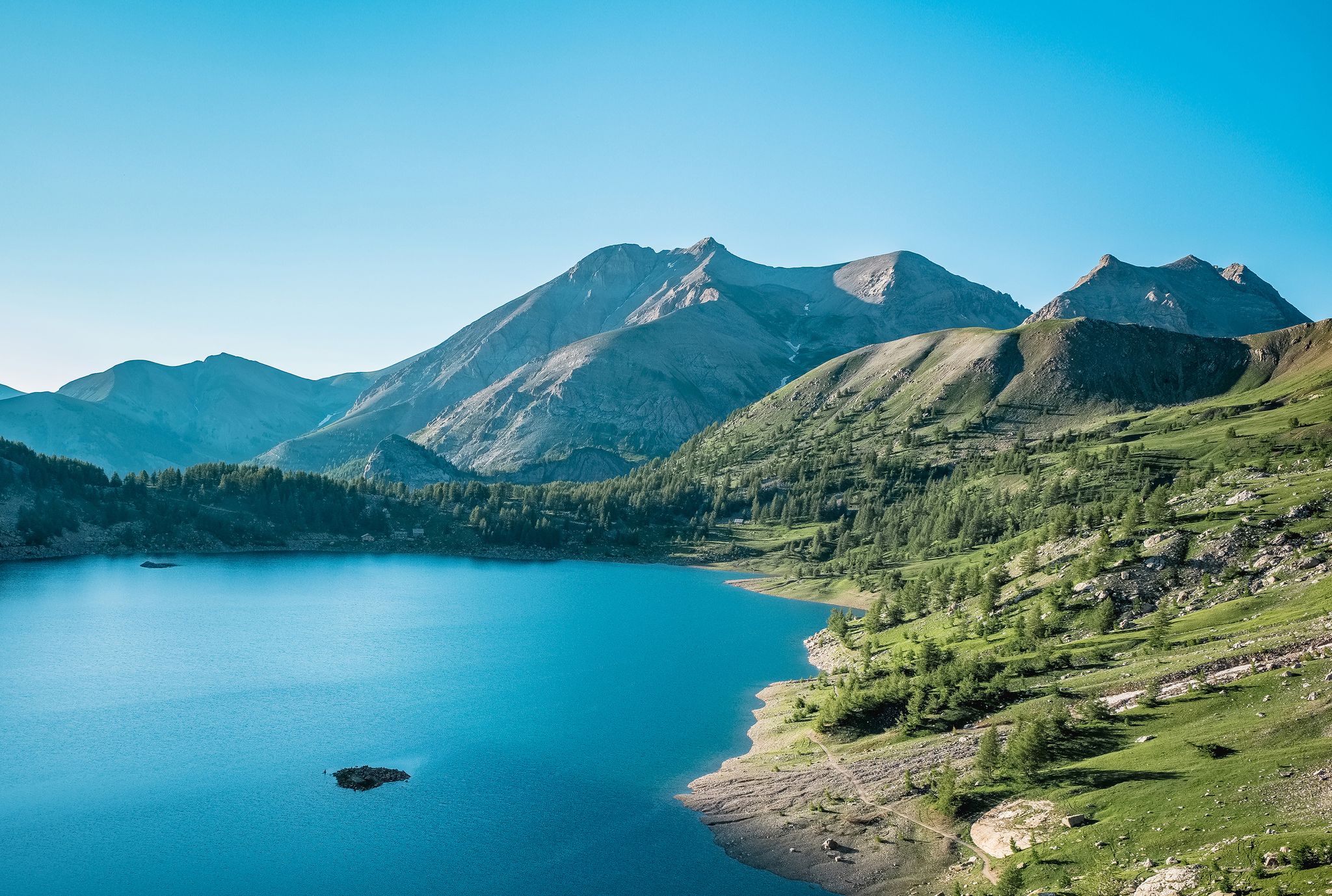
A beautiful lake that is worth the climb and walk to get there.
1
0

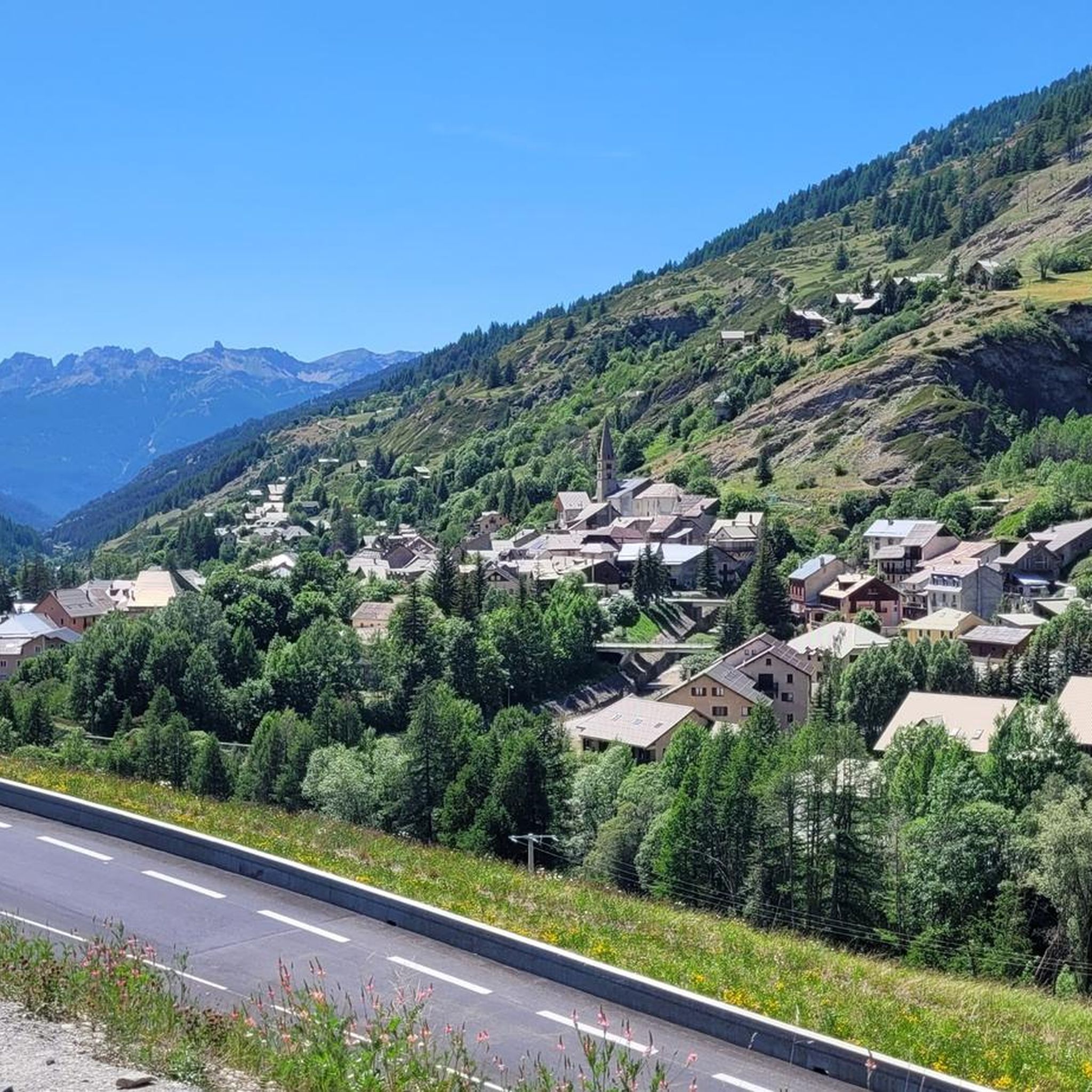
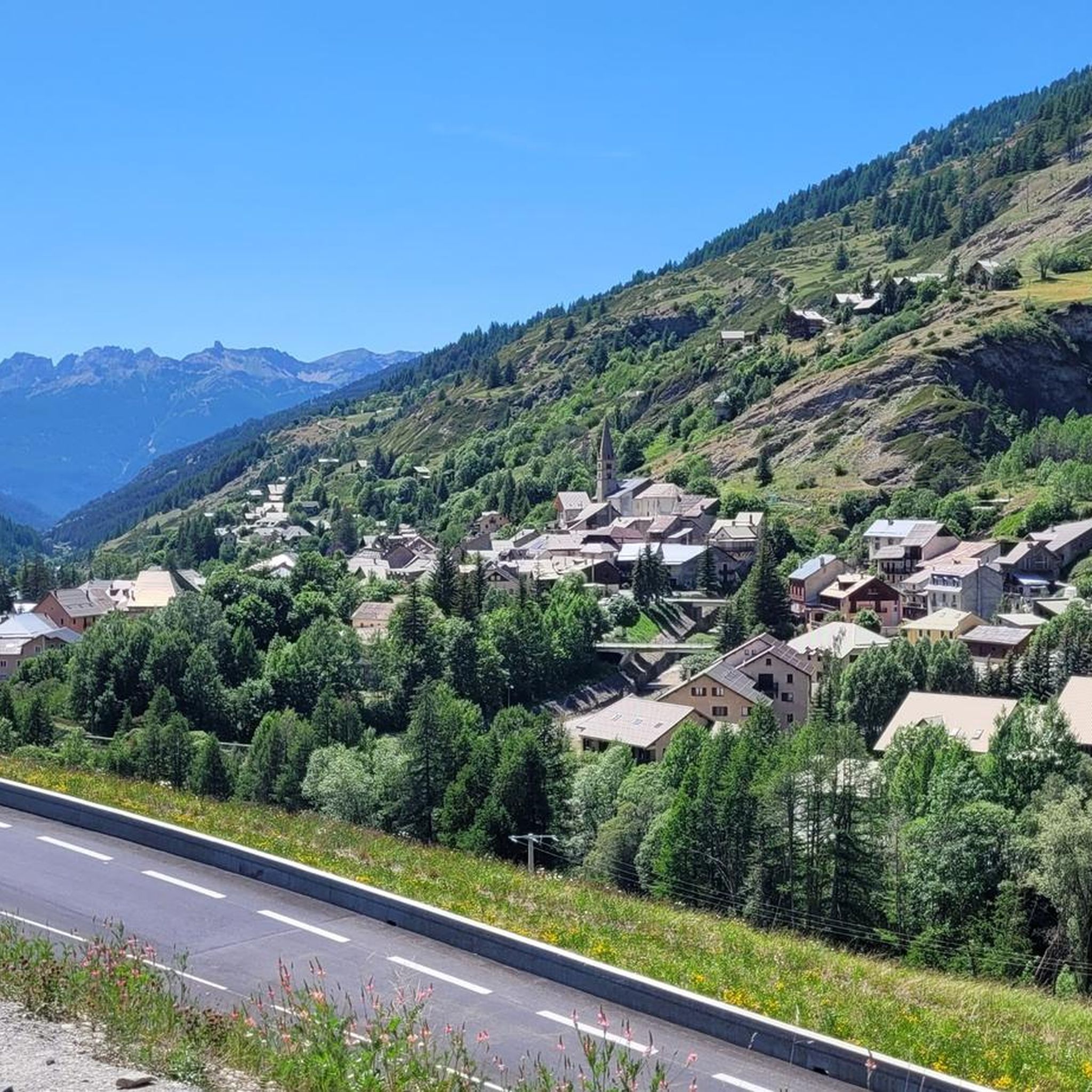
Small village within the beautiful Queyras park.
15
0

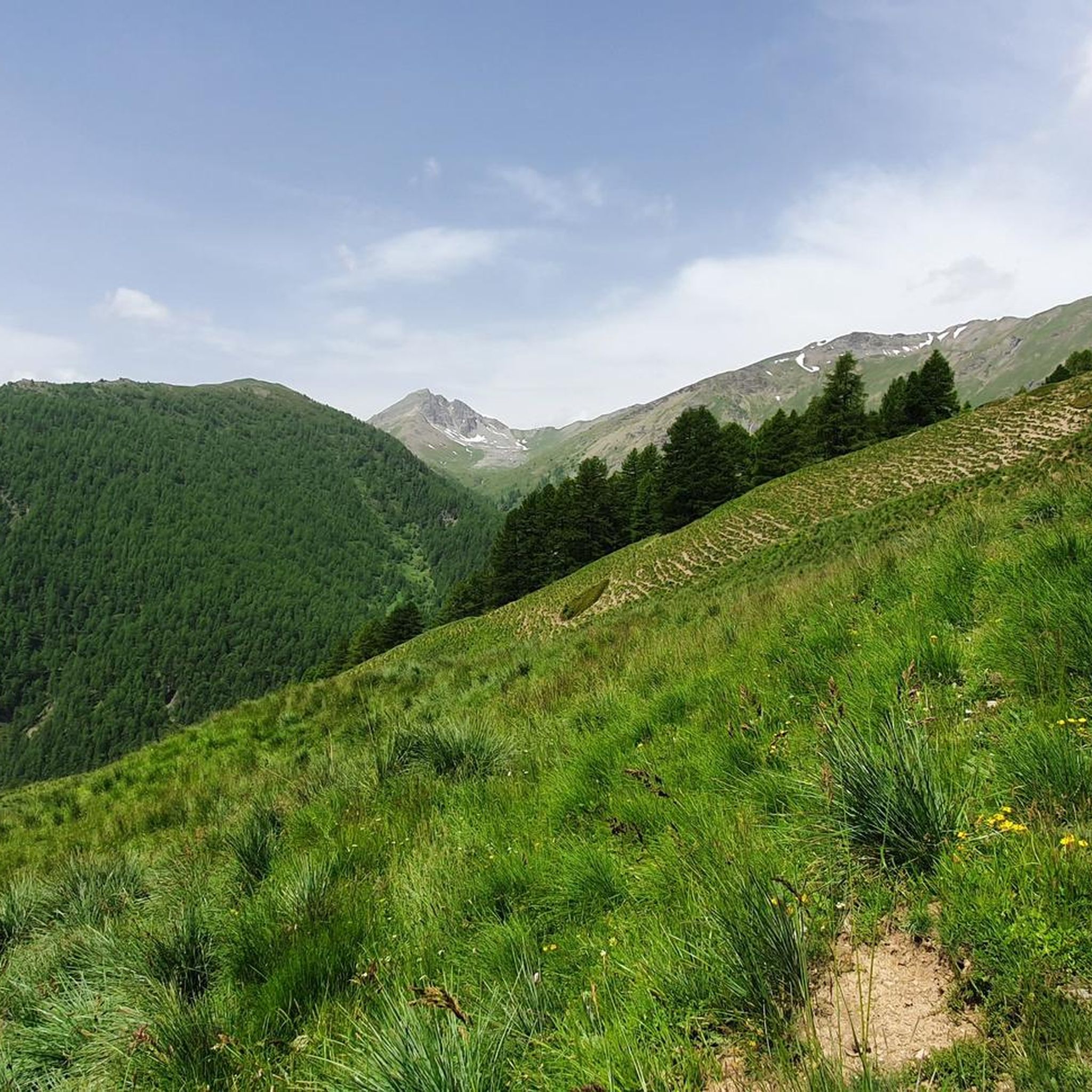
At the start it is quite challenging (steep and uneven) then as you go down it becomes easier
0
0
descent difficulty BC - beautiful and doable with Full Mtb
0
0

A relatively easy "3000" starting from the Agnel refuge. The topo and photos at this address: https://treksrandos.fr/alpes/hautes-alpes-05/escreins/pic-de-caramantran-3025-m/
1
0


Lac Foreant beautifully situated at 2618 meters.
1
0
Frequently Asked Questions
What kind of mountaineering routes can I expect in the Aiguilles region?
The Aiguilles region offers a diverse range of mountaineering experiences, from challenging ascents on the limestone cliffs of Mont Aiguille to technical rock and snow climbs in the crystalline gneiss peaks of the Aiguilles Rouges. You'll find routes involving glacier crossings, high mountain passes, and alpine lakes. Out of approximately 15 routes available, 3 are considered moderate, while 12 are difficult, catering to both experienced mountaineers and those seeking an introduction to technical alpine environments.
Are there any family-friendly mountaineering options in the Aiguilles region?
While many routes in the Aiguilles region are geared towards experienced mountaineers, some areas offer more accessible options. For instance, the village of Aiguilles in the Queyras Natural Park provides a gateway to extensive hiking trails that can be enjoyed by families. For a moderate mountaineering experience, consider the Chapelle Saint-Simon loop from Molines-en-Queyras, which offers a rewarding journey through high mountain valleys without extreme technical difficulty.
Can I bring my dog on the mountaineering trails in Aiguilles?
The Aiguilles region, particularly within areas like the Aiguilles Rouges National Nature Reserve and the Vercors Regional Natural Park, has specific regulations regarding dogs to protect wildlife. While some hiking trails may permit dogs on a leash, technical mountaineering routes, especially those involving glaciers or protected areas, might have restrictions. It's always best to check local park regulations for the specific area you plan to visit before heading out with your dog.
What are some notable landmarks or points of interest to see while mountaineering in Aiguilles?
The Aiguilles region is rich in natural beauty and cultural landmarks. Along your routes, you might encounter stunning features like the Gorges of the Guil or the panoramic views from the Col d'Izoard. The Aiguilles Rouges massif is famous for its mountain lakes, such as Lac Blanc and Lac Cornu, offering spectacular views of the Mont Blanc massif. The historic Saint-Véran Village in the Queyras Natural Park is also a charming place to explore.
Are there any circular mountaineering routes in the Aiguilles area?
Yes, the Aiguilles region features several excellent circular mountaineering routes. A popular choice is the Col du Longet (2,701 m) loop from Chez Mem's, a moderate trail that ascends to a high mountain pass. Another option is the more challenging Col Vieux loop from Col Agnel / Colle dell'Agnello, which navigates alpine terrain and often involves glacier crossings.
What is the best time of year for mountaineering in the Aiguilles region?
The prime season for mountaineering in the Aiguilles region is typically from late spring to early autumn (June to September). During these months, snowmelt allows access to higher passes, and weather conditions are generally more stable. However, conditions can vary significantly between the different massifs. For example, the Aiguilles Rouges offer sunny slopes, while Mont Aiguille's technical climbs are best attempted in clear weather. Always check local forecasts and conditions before your trip.
How can I access the mountaineering trails in Aiguilles, particularly regarding parking and public transport?
Access to the Aiguilles region varies depending on the specific massif. For areas like the Aiguilles Rouges, public transport options from Chamonix are available to trailheads. For other, more remote starting points, such as those for routes like the Lac Foréant loop from L'Échalp, driving and parking at designated areas near villages like L'Échalp or Molines-en-Queyras is often the most convenient option. Always look for specific parking information for your chosen trailhead.
What kind of wildlife can I expect to see in the Aiguilles mountains?
The Aiguilles region, especially within protected areas like the Aiguilles Rouges National Nature Reserve and the Vercors Regional Natural Park, is rich in biodiversity. You might spot iconic alpine wildlife such as ibex, chamois, and marmots. Birdwatchers can look out for golden eagles and bearded vultures soaring overhead. The diverse alpine flora also includes sundews, martagons, and various orchids.
Are there any huts or refuges available along the mountaineering routes in Aiguilles?
Yes, the Aiguilles region has several huts and refuges that can provide overnight stays or a place to rest. Notable options include the Willy Jervis Refuge, Refuge Agnel, and La Blanche Refuge. These facilities are often strategically located along popular routes, offering shelter and sometimes food services. It's advisable to check their operating seasons and make reservations in advance, especially during peak times.
What do other mountaineers enjoy most about the Aiguilles region?
The Aiguilles region is highly rated by the komoot community, with an average score of 4.6 stars from around 20 reviews. Mountaineers often praise the challenging ascents, the breathtaking panoramic views of surrounding massifs like Mont Blanc, and the diverse terrain that ranges from technical rock and snow climbs to serene alpine valleys. The opportunity for both classic mountaineering and introductory alpine experiences is also frequently highlighted.
Are there any specific permits required for climbing or mountaineering in the Aiguilles region?
While general hiking in the Aiguilles region typically doesn't require permits, specific technical climbs, especially on peaks like Mont Aiguille or within certain protected areas of the Aiguilles Rouges, might have regulations or require permits. For more advanced mountaineering, particularly on routes involving glaciers or sensitive ecological zones, it's crucial to check with local mountain guides, national park authorities, or alpine clubs for any necessary permits or access restrictions before planning your ascent.
Which Aiguilles massif is best for an introductory mountaineering experience?
For those seeking an introduction to technical alpine environments, the Aiguilles Marbrées, situated on the French-Italian border, are often recommended. They offer an accessible yet alpine experience with easy climbing sections, abseils, and glacier crossings, providing stunning views of the Mont Blanc massif. Access is convenient, often starting near the Torino refuge and the Hellbronner cable car, making it ideal for a first high-mountain experience.
Most popular attractions around Aiguilles

Get inspired with the komoot mobile app


Explore more
Browse the best Mountain Hikes & Routes in other regions.
