The best cycling routes around Saint-Simon
4.6
(256)
1,992
riders
130
rides
Touring cycling routes around Saint-Simon are characterized by largely flat terrain, making them accessible for various skill levels. The region's landscape is shaped by the Charente River, with many routes following its banks and offering gentle gradients. Cyclists can expect paths winding through river valleys and agricultural areas, connecting small villages.
Best touring cycling routes around Saint-Simon
- The most popular touring cycling route is Vinade-Bassac bridge – Bridge near Le Mareuil loop from Moulidars, an 18.3 miles (29.4 km)…
Last updated: October 14, 2026
5.0
(3)
24
riders
16.2km
01:03
50m
50m
Easy bike ride. Great for any fitness level. Mostly paved surfaces. Suitable for all skill levels.
5.0
(3)
17
riders
Easy bike ride. Great for any fitness level. Mostly paved surfaces. Suitable for all skill levels.

5.0
(1)
14
riders
12.8km
00:48
30m
30m
Easy bike ride. Great for any fitness level. Mostly paved surfaces. Suitable for all skill levels.
1
riders
94.6km
05:57
860m
860m
Hard bike ride. Very good fitness required. Mostly paved surfaces. Suitable for all skill levels.
3.0
(1)
10
riders
16.0km
01:09
40m
40m
Easy bike ride. Great for any fitness level. Mostly paved surfaces. Suitable for all skill levels.
Get access to more routes and recommendations from other explorers.
Already have an account?
Our route recommendations are based on thousands of hikes, rides, and runs completed by other people on komoot.
Start today with a free account
Your next adventure awaits.


Tips from the Community


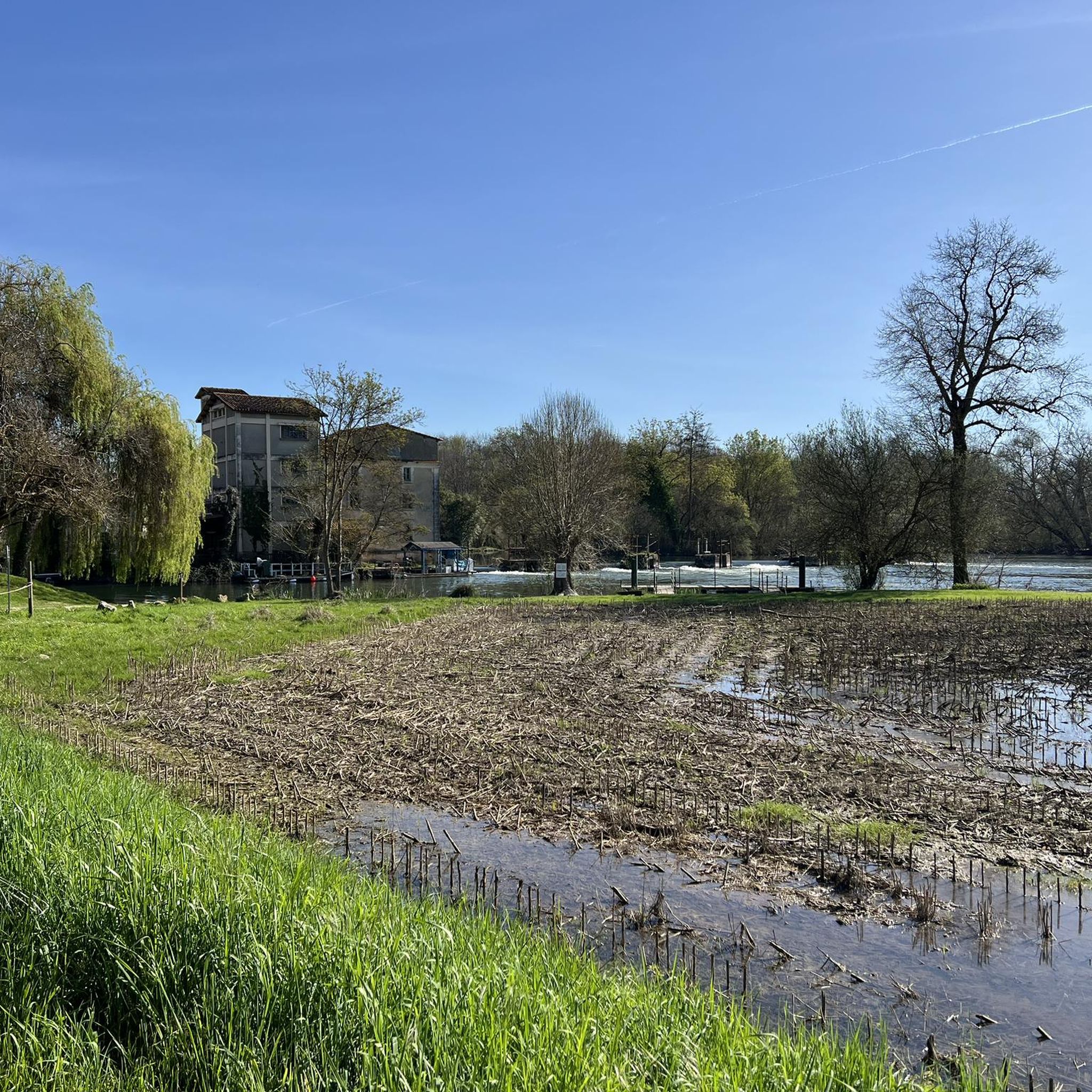
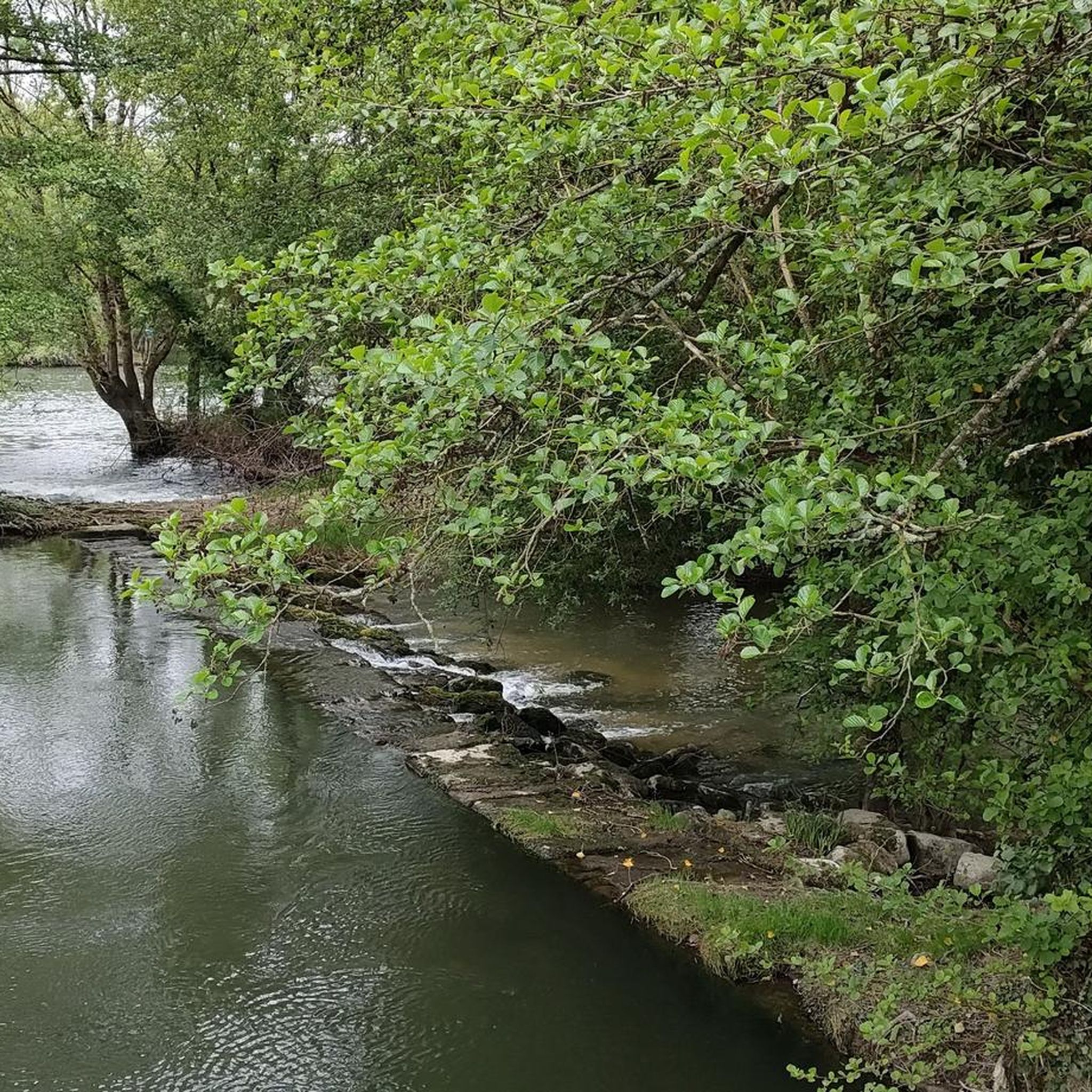
A street overlooking the Charente River, named "Le Quai." Very clear thanks to its limestone paving, it features a boat ramp and a staircase creating a beach on this quiet street.
0
0
You can even rent canoes there to discover the Charente river in a different way.
0
0

Not yet fully developed on Komoot, so we only recorded part of the route, but the reality of our vacation is that we did the bike flow, from Angoulème to Ile Madame with our 11-year-old grandson at the rate of 50 km/day and that I can only recommend! Very nice hike, varied landscapes, pretty little villages, hotel campsites and frequent refreshments, a well-maintained path overall, everything to please!
0
0

Very pretty site along the Charente and on the Flow Vélo route
0
0

A nice place to take a break. There is a picnic bench and an orientation table. There are lovely views over the surrounding fields.
1
0

In the Middle Ages, this island housed a wooden fort which defended this village. Châteauneuf was a strategic point because there was the only stone bridge between Angoulême and Cognac. This bridge no longer exists and has been replaced by a more modern structure. Today, these islands offer the opportunity to recharge your batteries in the heart of nature and are accessible by wooden walkways. The site is perfect for resting and having a picnic.
0
0
Frequently Asked Questions
How many touring cycling routes are available in Saint-Simon?
Saint-Simon offers a wide selection of touring cycling routes, with over 130 options available. These routes cater to various skill levels, with a significant number being easy or moderate.
What is the typical terrain like for touring cycling in Saint-Simon?
The terrain in Saint-Simon is largely flat, making it accessible for most cyclists. Many routes follow the gentle gradients along the Charente River, winding through river valleys and agricultural areas, connecting small villages.
Are there any circular touring cycling routes in Saint-Simon?
Yes, many touring cycling routes in Saint-Simon are designed as loops. For example, the Pont d'Angeac – Les îles de la Fuie loop from Graves-Saint-Amant is an easy 8.3-mile (13.3 km) route that offers scenic views.
What kind of landmarks or points of interest can I see along the touring cycling routes?
Along the touring cycling routes in Saint-Simon, you can discover various points of interest. These include natural spots like the Bain des Dames Beach on the Charente and scenic views such as the View of Saint-Simeux. You might also encounter historical structures like the Church of Notre-Dame de Trois-Palis.
Are there any castles or historical sites to explore near the routes?
Yes, the region around Saint-Simon is rich in history. You can find several castles and historical sites, including the impressive Château de Bouteville, the Château de Gondeville, and the Fontguyon Castle. The Manor of Bois-Charente (Graves-Saint-Amant) – Jean Fougerat Foundation also offers a glimpse into the area's heritage.
Are there routes suitable for families or beginners?
Absolutely. Saint-Simon is well-suited for families and beginners due to its predominantly flat terrain. Many routes are classified as easy, such as the Vibrac Bridge – Vibrac Bridge loop from Bassac, which is an easy 11.2-mile (18 km) ride.
What do other touring cyclists say about the routes in Saint-Simon?
The touring cycling routes in Saint-Simon are highly regarded by the komoot community, with an average rating of 4.6 stars from over 280 reviews. Cyclists often praise the scenic river paths and the tranquil atmosphere of the Charente River valley.
Is public transport available to access touring cycling routes in Saint-Simon?
While specific public transport connections directly to trailheads may vary, the region's routes often connect small villages, which may have local bus services. It's advisable to check local transport schedules for specific starting points.
Where can I find parking for touring cycling routes in Saint-Simon?
Many touring cycling routes in Saint-Simon start and end in or near villages, where public parking is typically available. Look for designated parking areas in village centers or near popular attractions along the Charente River.
Are the touring cycling routes in Saint-Simon dog-friendly?
Many touring cycling routes in Saint-Simon, particularly those along river paths and through rural areas, are generally dog-friendly. However, it's always recommended to keep dogs on a leash and be mindful of local regulations, especially when passing through villages or private land.
What is the best time of year for touring cycling in Saint-Simon?
The mild climate of the region makes touring cycling enjoyable for much of the year. Spring and autumn offer pleasant temperatures and beautiful scenery, while summer can be warm but still suitable, especially for routes shaded by trees or along the river.
Most popular routes around Saint-Simon
Most popular attractions around Saint-Simon

Get inspired with the komoot mobile app


Explore more
Browse the best Cycling routes in other regions.
