Top 4 Castles around Vibrac
Best castles around Vibrac are situated in the Charente department of France, a region known for its historical fortifications. The commune is primarily home to the Château de Vibrac, a significant historical site with origins dating back to the 13th century. This castle, located on an island in the Charente River, has undergone rebuilding and remodeling over centuries. Ongoing restoration efforts, initiated through a crowdfunding campaign, aim to preserve its heritage and develop sustainable tourism.
Best castles around Vibrac
- The…
Last updated: June 24, 2026
Château de Bouteville
Highlight • Castle
Translated by Google •
Tip by

Manor of Bois-Charente (Graves-Saint-Amant) – Jean Fougerat Foundation
Highlight • Historical Site
The main building has a 16th century tower and extensions dating from the 19th century.
Translated by Google •
Tip by

Sign up now to discover places like this
Get recommendations on the best single tracks, peaks, & plenty of other exciting outdoor places.
Sign up for free
Château de Gondeville
Highlight • Castle
Translated by Google •
Tip by

Fontguyon Castle
Highlight • Castle
Translated by Google •
Tip by

Start today with a free account
Your next adventure awaits.
Login or Signup


Tips from the Community

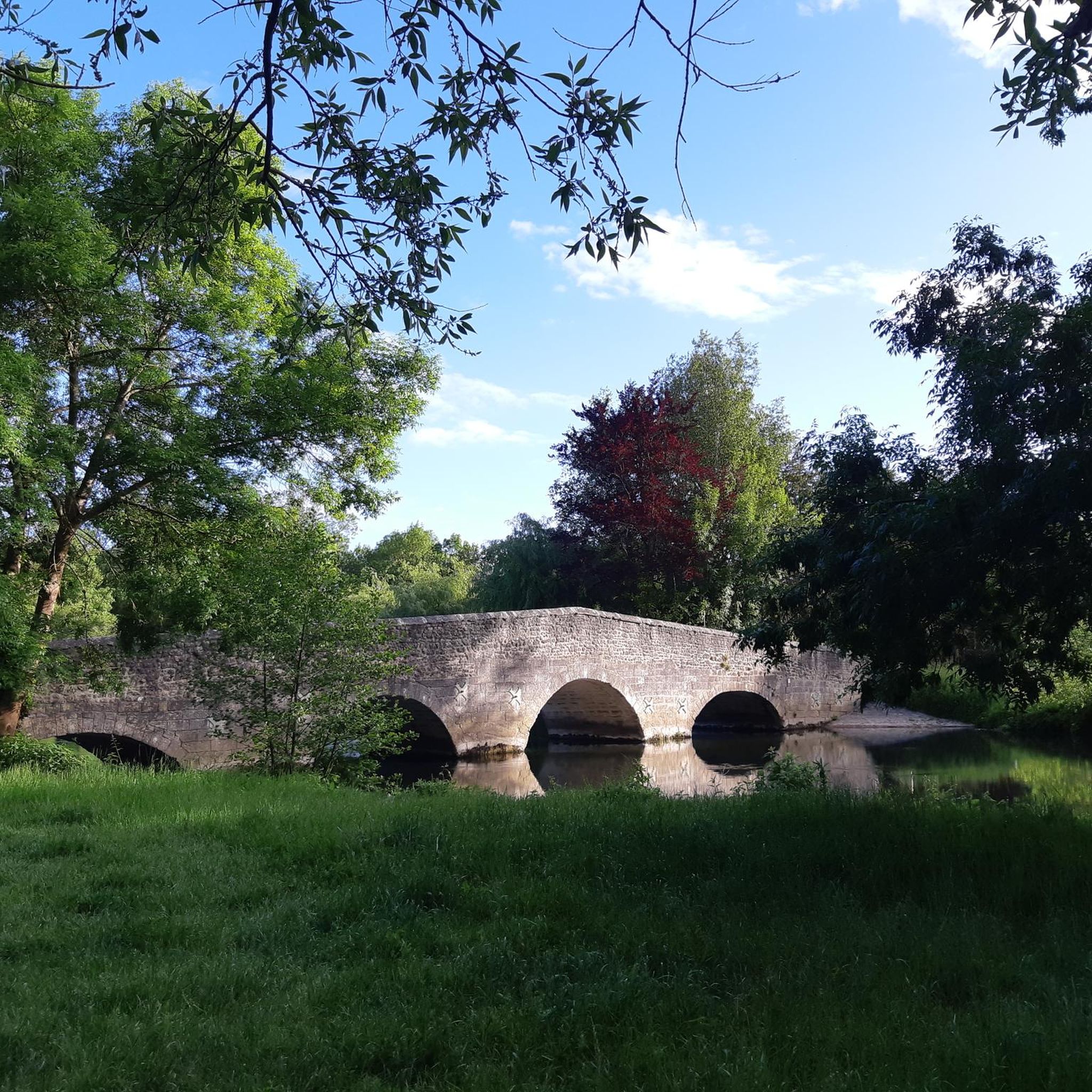
The Giraud d'Anqueville, lords of Bois-Charente, built the castle in the 16th century. The main building has a 16th century tower and extensions dating from the 19th century. In 1680, the castle passed through marriage to François Goulard, lord of La Faye, and it became the property of Jean Thioulet, gentleman of the king, at the beginning of the 18th century. Bois-Charente belonged in 1900, at the beginning of the 20th century, to Jean Fougerat known as Élie, a wealthy owner and benefactor for the development of the Cognac vineyard. The Charente pharmacist and winegrower Jean Fougerat (1863-1932) made a fortune by exploiting several pharmaceutical specialties, in particular the famous Rami syrup to treat the bronchi. This bachelor amassed a "considerable fortune", part of his income came from the exploitation of large vineyards that he had acquired around Graves-Saint-amant, his native land. Indeed, after the phylloxera, in 1897, he replanted 350 hectares of vines on his land acquired in the communes of Graves (logis de Bois Charente), Champmillon (domaine de la Chapelle), Saint-Preuil, in 1897 and Lignières-Sonneville between 1898 and 1901. In 1906, he harvested 22,000 hl of wine and produced 3,000 hl of brandy. He developed the logis de Bois Charente and enlarged its park. He planted more than 500 different species there. He set up a wine station where, with his colleagues, he prepared future plantations and improved the distillation processes. In the absence of immediate outlets, he distilled and aged the eau-de-vie and built numerous ageing cellars in Champmillon, Saint-Preuil and Bourg-Charente. When he died, Fougerat donated his estate and his Bois-Charente manor to the city of Angoulême, the universal legatee. She set up an "Institut de la viticulture charentaise" there (soon renamed the "Bureau interprofessionnel du cognac" and repatriated to Cognac in the 1980s). The Manor was active until the early 1980s, then between 2003 and 2016 it became an educational center for young people in judicial protection. The educational support was based on a high-end application restaurant, with the preparation of CAP and BEP certificates as a key. In his will, Jean Fougerat also had an imposing monument erected in Bois-Charente to the glory of Charente viticulture and cognac. Created by the sculptors R. Lamour de dieu and Émile Peyronnet, the work represents "six figures engaged in viticultural work, in bronze bas-relief; a distillery is engraved in marble". Jean Fougerat gave his name to a street in Angoulême and to his foundation, based in Graves-Saint-Amant. The latter supported the Institute of Viticultural Research in 1936, then currently supports the educational center with the CCAS.
0
0

The castle was built in the second half of the 16th century, but certain elements date from the 17th. Thus, the portal and the watchtower at the entrance both date from the 17th century.
0
0

The ruins of Bouteville Castle were built around the year 1000 on the site of a Roman villa.
3
0

In 1655, Pierre Laisné, Sieur du Chardonneaux acquired the land of Gondeville from the heirs of Samuel de Lanauve. He made great efforts to have Gondeville erected into a parish, which led to many disputes with Jean de Culant, lord of Saint-Même who had a pew in the church while the lord of Gondeville did not. had not. The construction of the church in Gondeville is due to his son-in-law, Isaac Laisné de Nanclas, whose name was given to the main street. Isaac Laisné de Nanclas had a brilliant military career; First becoming lieutenant-colonel of the Sainte-Maure regiment, he was appointed, in 1690, brigadier of the king's armies. He distinguished himself in numerous campaigns and died on October 30, 1704, after having obtained the title of lieutenant-general; he was buried in the church of Gondeville. His son, Philippe Laisné de Nanclas, having died childless, left his property to his nephew, Louis Saulnier, de Pierre Levée. The Saulnier family kept Gondeville until the end of the 18th century. At the beginning of the 18th century, Philippe Laisné de Nanclas built the new castle, all the buildings surrounded a long rectangular courtyard. The castle occupies the east side. On the west side, rose a circular leak. The wrought iron entrance gate to the courtyard is surmounted by a wrought iron impost, bearing an escutcheon with the arms of the Saulnier de la Pierre Levée and Laisné de Nanclas families, flanked by two lions and surmounted by a crown. . On the cadastre of 1849, the various buildings are arranged around a large rectangular courtyard, there remains only the house to the east, part of the outbuildings to the north, a well and the gate to the south. It should be noted that the stones which would have been used to build the current castle would come from the first fortified castle which would have been built in the 10th century on an island in the Charente to block the road to the Vikings who went up the Charente. It would have been destroyed during the Hundred Years War, but still existed in the 17th century. The two remaining wings became the town hall in 1947. .
0
0

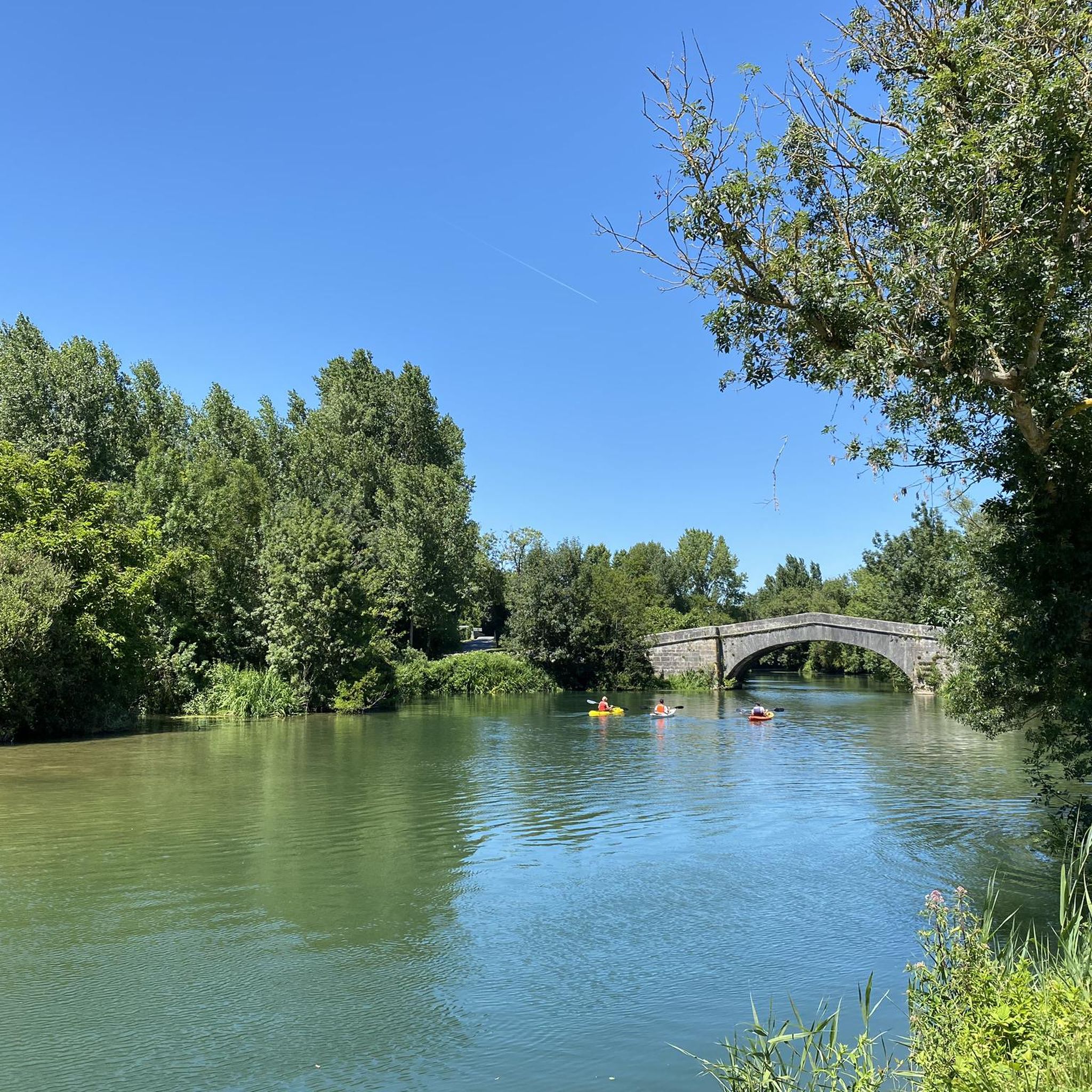
a true wonder and at its feet, do not forget to visit a local artisan manufacturer of balsamic vinegars sold in the best restaurants!
0
0

It is an imposing castle dominating the Charente valley, notably Angeac, below, where exceptional dinosaur bones were discovered (giant dinosaur femur visible at the Angoulême museum). The most spectacular view of the castle requires taking the D 152 towards Malaville. Be careful, the slope is steep and the percentages impressive.
1
0
Frequently Asked Questions
What are some notable castles to visit around Vibrac?
Beyond the historic Château de Vibrac, you can explore several other significant sites. The Château de Bouteville, dating back to around 1000 AD, is an imposing structure dominating the Charente valley. Another must-see is the Manor of Bois-Charente (Graves-Saint-Amant) – Jean Fougerat Foundation, known for its 16th-century tower and extensive park. Also consider Fontguyon Castle, built in the second half of the 16th century with a distinctive 17th-century portal.
Are there any castles near Vibrac with unique historical significance?
Yes, the Château de Bouteville is built on the site of a Roman villa and dates back to around the year 1000, offering a deep dive into regional history. The Manor of Bois-Charente has a rich history tied to Jean Fougerat, a significant figure in the Cognac vineyard development, and features a 16th-century tower. The Château de Gondeville is also notable, with its current 18th-century structure built on the site of a 10th-century fortified castle.
Which castles near Vibrac offer interesting architectural features?
The Manor of Bois-Charente features a distinctive 16th-century tower and 19th-century extensions. Fontguyon Castle is recognized for its 17th-century portal and watchtower at the entrance. The original Château de Vibrac itself, though largely in ruins, still shows an 18th-century entrance facade with three basket-handle arches and a medieval square tower.
Can I find walking or cycling routes near the castles around Vibrac?
Absolutely. The region around Vibrac is excellent for outdoor activities. You can find various cycling routes, including easy touring bicycle options like the 'Vibrac Bridge – Along the Charente River loop' or more moderate MTB trails such as the 'Pont d'Angeac – Claude Bonnier Memorial loop'. For more details and route options, explore the Cycling around Vibrac guide, the MTB Trails around Vibrac guide, or the Road Cycling Routes around Vibrac guide.
What kind of outdoor activities can I do near the castles in the Vibrac area?
The area offers a range of outdoor activities, particularly cycling. You can enjoy mountain biking on trails like the 'Pont d'Angeac – Chateau des Chabannes loop' or road cycling on routes such as the 'Cognac Castle – Vibrac Bridge loop'. For a more relaxed pace, there are easy touring bicycle routes like the 'Vibrac Bridge – Small bridge over the Charente River loop'. These routes often pass by or offer views of the historical sites. Check the specific komoot guides for MTB, Road Cycling, and General Cycling for detailed options.
Are there opportunities to see nature or wildlife near these castles?
Yes, the region around Vibrac, particularly along the Charente River where the Château de Vibrac is located, offers natural beauty. The Manor of Bois-Charente is notable for its park, developed by Jean Fougerat, who planted over 500 different species. The ongoing restoration project at Château de Vibrac also aims to focus on biodiversity, suggesting future opportunities to engage with nature there.
What is the best time to visit the castles around Vibrac?
The Charente region generally enjoys pleasant weather from spring through autumn, making these seasons ideal for exploring the castles and their surroundings. Visiting during these times allows for comfortable walking and cycling, and the landscapes are often at their most vibrant. Winter visits can also be charming, offering a different perspective on the historical sites, though some facilities might have reduced hours.
Are there any family-friendly castles or sites near Vibrac?
While specific 'family-friendly' designations aren't always available for historical ruins, sites like the Manor of Bois-Charente with its extensive park could be enjoyable for families, offering space to explore. The historical context and the ongoing restoration efforts at the Château de Vibrac can also be an educational experience for older children.
What is the current status of the Château de Vibrac?
The Château de Vibrac is largely in ruins, but it is undergoing a remarkable restoration effort. In July 2020, it was collectively purchased through a crowdfunding campaign with the goal of preserving its heritage and developing an innovative project focused on biodiversity, eco-responsible accommodation, and market gardening. This makes it a unique site to visit, offering a glimpse into both its past and its ambitious future.
Where can I find more historical information about the Château de Vibrac?
For more in-depth historical details about the Château de Vibrac, including its origins, various rebuilds, and its role in regional history, you can refer to resources like Wikipedia. This can provide additional context on its 13th-century beginnings, subsequent transformations, and its significance as a former castellany.
What do visitors enjoy most about the castles around Vibrac?
Visitors appreciate the rich history embedded in these structures, from the ancient origins of Château de Bouteville to the unique architectural elements of Fontguyon Castle. The ongoing restoration efforts at the Château de Vibrac and the vision for sustainable tourism also capture interest. The komoot community has shown its appreciation with over 20 photos and 49 upvotes for these historical sites.
Most popular attractions around Vibrac

Get inspired with the komoot mobile app


Explore more
Looking for the best castles somewhere else? Discover other guides around Vibrac:
