Attractions and Places To See around Monségur - Top 6
Attractions and places to see around Monségur include historical sites and architectural landmarks situated in the Nouvelle-Aquitaine region of France. The area is characterized by its position overlooking the Dropt valley, featuring a medieval bastide town. Visitors can explore a mix of ancient structures and natural landscapes. This region offers opportunities to discover historical architecture and local heritage.
Best attractions and places to see around Monségur
- The most popular attractions is Le Moulin de Loubens, a man-made monument that…
Last updated: October 11, 2026
Le Moulin de Loubens
Highlight • Monument
Translated by Google •
Tip by

Duras Castle
Highlight • Castle
Showing Translation
Tip by

Sign up now to discover places like this
Get recommendations on the best single tracks, peaks, & plenty of other exciting outdoor places.
Pellegrue, St. Andrew's Church
Highlight • Other
Translated by Google •
Tip by

Saint-Ferme Abbey
Highlight • Other
Translated by Google •
Tip by

Bastide of Monségur
Highlight • Other
Translated by Google •
Tip by

Sign up for free to discover even more attractions around Monségur.
Already have an account?
Start today with a free account
Your next adventure awaits.

Tips from the Community

For the patronage of this house of God: The cross, which does not stand upright but is slanted, inevitably reminding the viewer of the letter "X" of the Latin alphabet, is (if this modern term may be applied to a person who lived around 2000 years ago) his trademark. The disciple of Jesus, who belongs to the circle of the twelve apostles, gave his name to the "St. Andrew's cross", on which he was executed as a martyr for his Christian faith. The feast of Saint Andrew in the calendar of saints is on November 30th in all major Christian denominations.
0
0

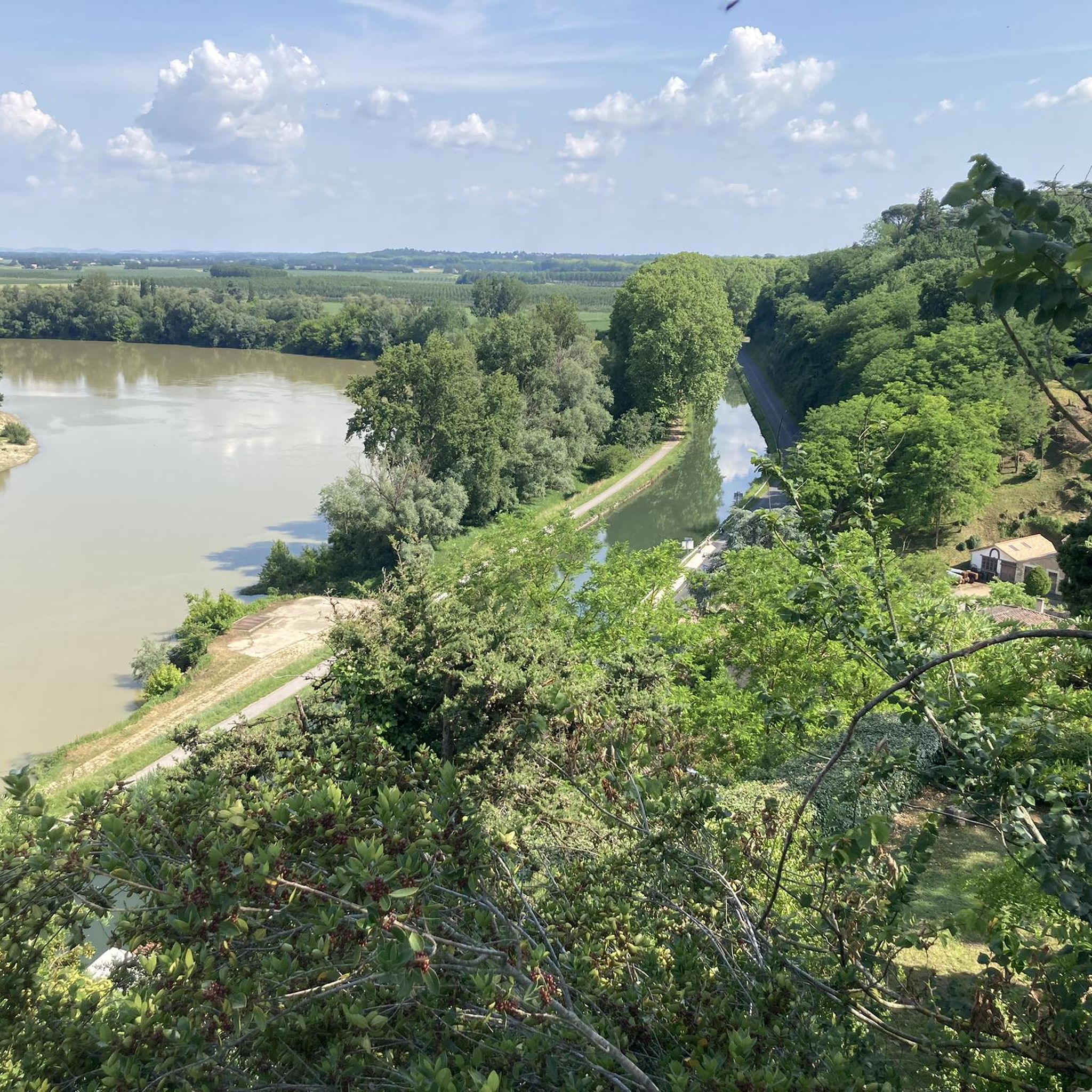
Majestic in its size and appearance, the Loubens mill is one of the most remarkable in the Entre-deux-Mers region. Its installation seems to date back to the 11th century. A square, medieval tower, built on an island, bears similarities to the Bagas mill located 2 km downstream. It includes three sets of millstones still in place. However, it is not a fortified building; it is a weir mill. To the north construction, a bridge with a double row of arches was added in the 18th century, containing two more pairs of millstones and a fulling mill (a machine used not for grinding grain, but for fulling textiles. These mills were often called "beating mills"). This southern part of the mill earned it the name "little Chenonceau". The mill has been classified as a Historic Monument since 2000.
0
0

Beautiful view of the ivy-covered mill.
1
0

Duras Castle, located in Lot-et-Garonne, is a restored medieval fortress boasting remarkable architecture and magnificent views. It is a major historical monument in the region.
0
0
Using the power of moving water to drive a mill wheel is an ancient invention that dates back to pre-Christian times. Thanks to such a construction, human or animal muscle power could be easily replaced by a watercourse - natural or artificially created - in order to grind grain into corn, for example. There are essentially two different ways of driving watermills: Either the water simply hits the blades of the water wheel from below to set it in motion; or the water is guided above the wheel and falls onto the blades; this type of construction is more efficient due to natural gravity.
2
1

Nice climb up to Duras, best enjoyed at a comfortable pace being sure to keep something in reserve to blast out over the top!
0
0


Church from the 12th century. Several alterations visible. Bell tower is "new" (ca. 1890). A description (in French) is next to the entrance portal.
0
0
Frequently Asked Questions
What historical sites can I visit around Monségur?
The region around Monségur is rich in history. You can explore the medieval Bastide of Monségur, visit the ancient Le Moulin de Loubens which dates from the 11th century, or discover the impressive Duras Castle overlooking the Dropt valley.
Are there any castles to visit near Monségur?
Yes, Duras Castle is a prominent historical castle near Monségur. Dating from the 11th century, it offers a glimpse into the region's past and overlooks the picturesque Dropt valley. It was historically gifted by the King of England to Pope Clement V's brother.
What is special about the Bastide of Monségur?
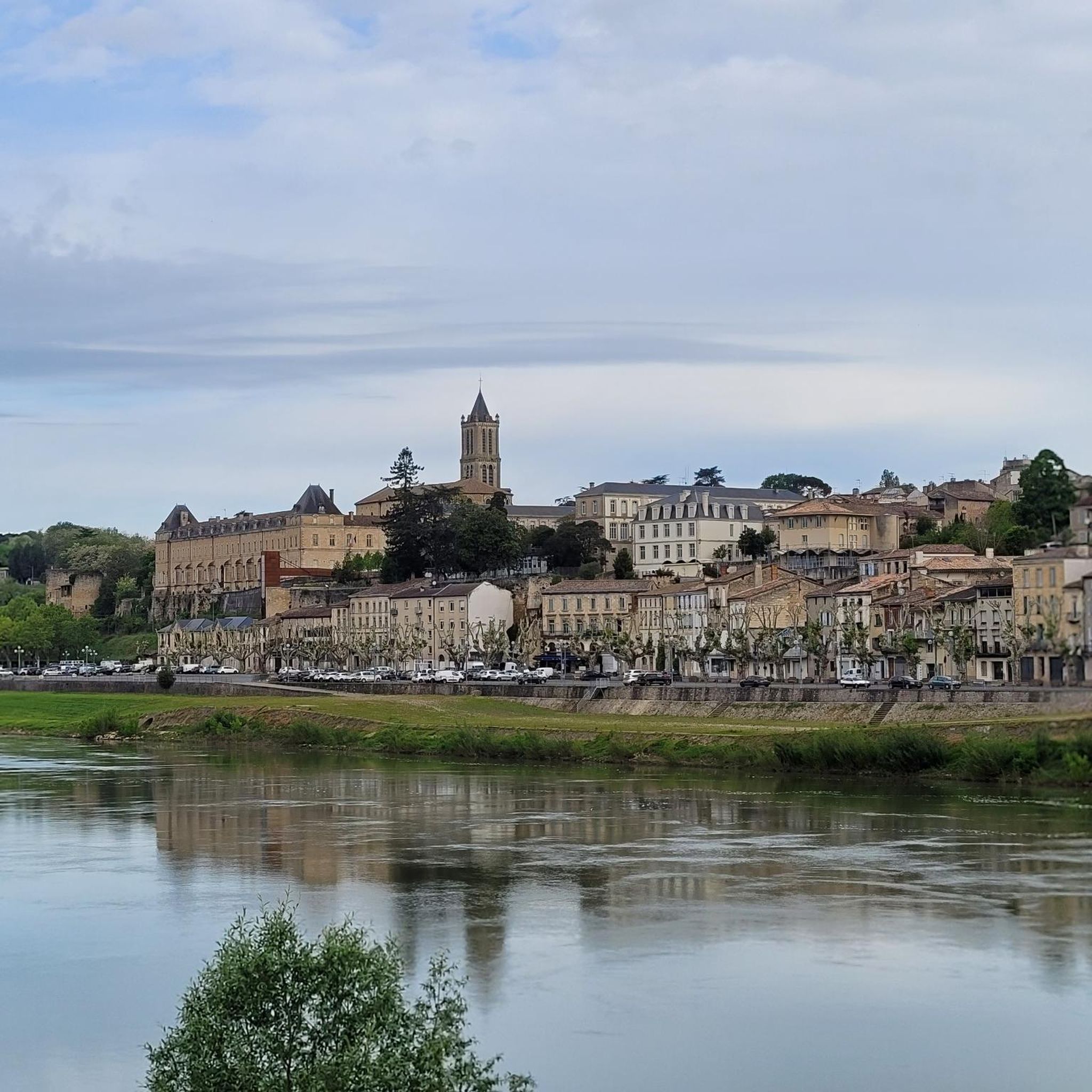
The Bastide of Monségur is an old medieval town perched on a hill, still surrounded by its original ramparts. Visitors can explore its central square with cast iron and glass halls, the church, the Governor's Tower, and charming small streets, all offering views of the Dropt Valley.
Are there easy hiking trails around Monségur?
Yes, there are several easy hiking trails available. For example, you can enjoy the 'Duras – loop' or the 'Bastide of Monségur loop from Monségur'. You can find more details and other options in the Hiking around Monségur guide.
What other outdoor activities are available near Monségur's attractions?
Beyond hiking, the area offers great opportunities for road cycling and running. Cyclists can explore routes like the 'Duras Castle – Bastide of Monségur loop from Monségur', while runners might enjoy the 'Running loop from Dieulivol'. Discover more in the Road Cycling Routes around Monségur and Running Trails around Monségur guides.
Are there family-friendly attractions around Monségur?
Yes, Duras Castle is considered a family-friendly attraction. Its historical significance and commanding views make it an engaging visit for all ages. The medieval bastide town of Monségur itself also offers an interesting exploration for families.
What is the best time of year to visit Monségur's attractions?
The best time to visit Monségur and its attractions is typically during the spring (April to June) and early autumn (September to October). During these months, the weather is generally pleasant for exploring historical sites and enjoying outdoor activities, avoiding the peak heat of summer and the cooler, wetter winter months.
How much time should I allocate to visit the main attractions around Monségur?
To fully appreciate the main attractions like Duras Castle, Bastide of Monségur, and Le Moulin de Loubens, it is recommended to dedicate at least one full day, or ideally two days, allowing for leisurely exploration and travel between sites.
Are there any viewpoints to enjoy the scenery around Monségur?
Yes, Duras Castle offers excellent views as it overlooks the Dropt valley. The Bastide of Monségur, perched on a hill, also provides panoramic vistas of the surrounding landscape.
What do visitors particularly enjoy about the attractions around Monségur?
Visitors frequently appreciate the historical depth and architectural beauty of the area. Highlights like Le Moulin de Loubens are noted for their majestic appearance and size, while Duras Castle is loved for its history and views. The medieval charm of the Bastide of Monségur is also a community favorite.
Can I find circular walks in the Monségur area?
Yes, there are several circular walks available. For instance, you can find the 'Bastide of Monségur loop from Monségur' or the 'Saint-Ferme Abbey loop from Saint-Ferme'. More options are detailed in the Hiking around Monségur guide.
Are there any lesser-known historical sites worth exploring near Monségur?
Beyond the main attractions, you might consider visiting Saint-Ferme Abbey, a significant monastery church first established in the 6th century, or Pellegrue, St. Andrew's Church, which dates from the 12th century and features interesting alterations over time.
Are there cafes or places to eat near the attractions?
Yes, the bastide town of Monségur itself, with its central square, offers options for cafes and local eateries. Additionally, towns like Duras, where Duras Castle is located, provide amenities including places to eat and drink.

Get inspired with the komoot mobile app


Explore more
Still not found the Highlight you’re looking for? See guides of the top attractions in other regions:
