Attractions and Places To See around Coutures - Top 12
Attractions and places to see around Coutures include historical sites, greenways, and architectural structures. The region features a mix of man-made monuments and natural landscapes, often connected by rivers like the Dropt and Garonne. Visitors can explore a variety of historical and recreational points of interest.
Best attractions and places to see around Coutures
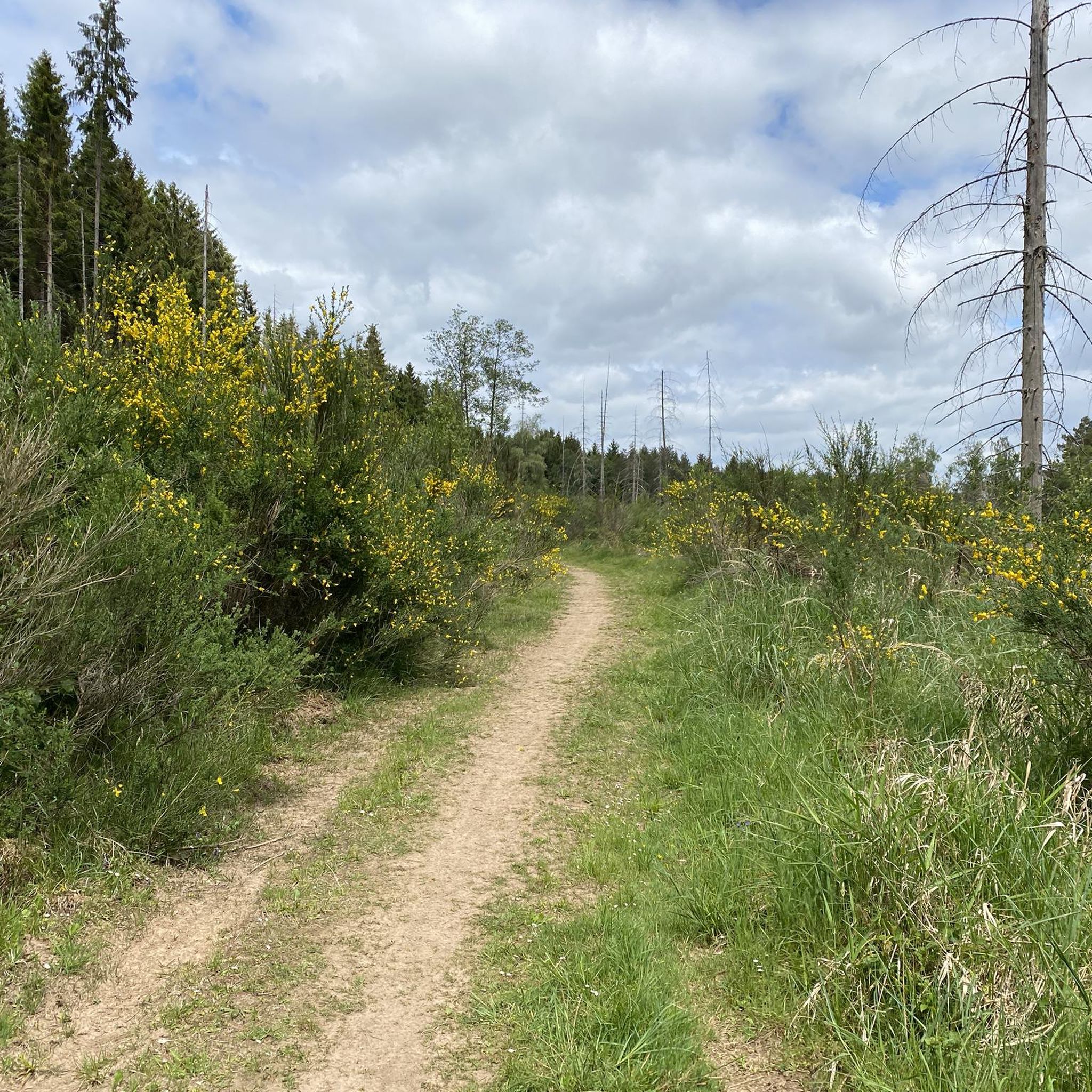
- The most popular attractions is Roger Lapébie track - Sauveterre to Cessac, a greenway built on an old railway line. This well-developed cycle path winds…
Last updated: June 23, 2026
Le Moulin de Loubens
Highlight • Monument
Translated by Google •
Tip by

Sauveterre-de-Guyenne - bastide
Highlight • Other
Translated by Google •
Tip by

Sign up now to discover places like this
Get recommendations on the best single tracks, peaks, & plenty of other exciting outdoor places.
Sign up for free
Pellegrue, St. Andrew's Church
Highlight • Other
Translated by Google •
Tip by

Roger Lapébie track - Sauveterre to Cessac
Highlight (Segment) • Other
Translated by Google •
Tip by

Rouergue Suspension Bridge
Highlight (Segment) • Bridge
Translated by Google •
Tip by
Sign up for free to discover even more attractions around Coutures.
Sign up for free
Already have an account?
Start today with a free account
Your next adventure awaits.
Login or Signup



Tips from the Community

Lively small market town, with an arcaded market square
0
0

For the patronage of this house of God: The cross, which does not stand upright but is slanted, inevitably reminding the viewer of the letter "X" of the Latin alphabet, is (if this modern term may be applied to a person who lived around 2000 years ago) his trademark. The disciple of Jesus, who belongs to the circle of the twelve apostles, gave his name to the "St. Andrew's cross", on which he was executed as a martyr for his Christian faith. The feast of Saint Andrew in the calendar of saints is on November 30th in all major Christian denominations.
0
0

Majestic in its size and appearance, the Loubens mill is one of the most remarkable in the Entre-deux-Mers region. Its installation seems to date back to the 11th century. A square, medieval tower, built on an island, bears similarities to the Bagas mill located 2 km downstream. It includes three sets of millstones still in place. However, it is not a fortified building; it is a weir mill. To the north construction, a bridge with a double row of arches was added in the 18th century, containing two more pairs of millstones and a fulling mill (a machine used not for grinding grain, but for fulling textiles. These mills were often called "beating mills"). This southern part of the mill earned it the name "little Chenonceau". The mill has been classified as a Historic Monument since 2000.
0
0

Super The d avoir précisé. So it is passable on foot or by bike WITHOUT CARS! GENIAL
0
1

Beautiful view of the ivy-covered mill.
1
0

Sauveterre-de-Guyenne is a bastide. A bastide is a type of French medieval town, founded in the 13th and 14th centuries, primarily in southwestern France. A bastide is characterized by a rectangular street pattern that divides the town into eight blocks around a central market square. The Treaty of Paris (1229) prohibited the building of walls around new towns. Many bastides were provided with some form of fortification, such as gates, after their founding to provide some protection during turbulent times. Most bastides had only local significance and did not develop into large towns. As a result, many bastides, such as that of Sauveterre-de-Guyenne, have been preserved in their original state.
1
0
Using the power of moving water to drive a mill wheel is an ancient invention that dates back to pre-Christian times. Thanks to such a construction, human or animal muscle power could be easily replaced by a watercourse - natural or artificially created - in order to grind grain into corn, for example. There are essentially two different ways of driving watermills: Either the water simply hits the blades of the water wheel from below to set it in motion; or the water is guided above the wheel and falls onto the blades; this type of construction is more efficient due to natural gravity.
2
1

Pretty village in the center of Entre-Deux-Mers - Medieval bastide with ramparts all around, some pretty gates and a central square which is worth a stop...
2
0
Frequently Asked Questions
What historical sites can I visit around Coutures?
The region around Coutures is rich in history. You can explore the medieval bastide of Sauveterre-de-Guyenne, known for its ramparts and central square. Another significant historical landmark is Saint-Ferme Abbey, a large monastery church first established in the 6th century. Don't miss Le Moulin de Loubens, an 11th-century mill on the Dropt, notable for its majestic appearance.
Are there any greenways or cycling paths near Coutures?
Yes, the Roger Lapébie track - Sauveterre to Cessac is a popular greenway built on an old railway line. This well-developed cycle path winds through the forest and is easy to ride, connecting Créon and Sauveterre-de-Guyenne. For more road cycling options, you can find routes like the Duras Castle – Bastide of Monségur loop in the Road Cycling Routes around Coutures guide.
What kind of natural features or landscapes can I expect to see?
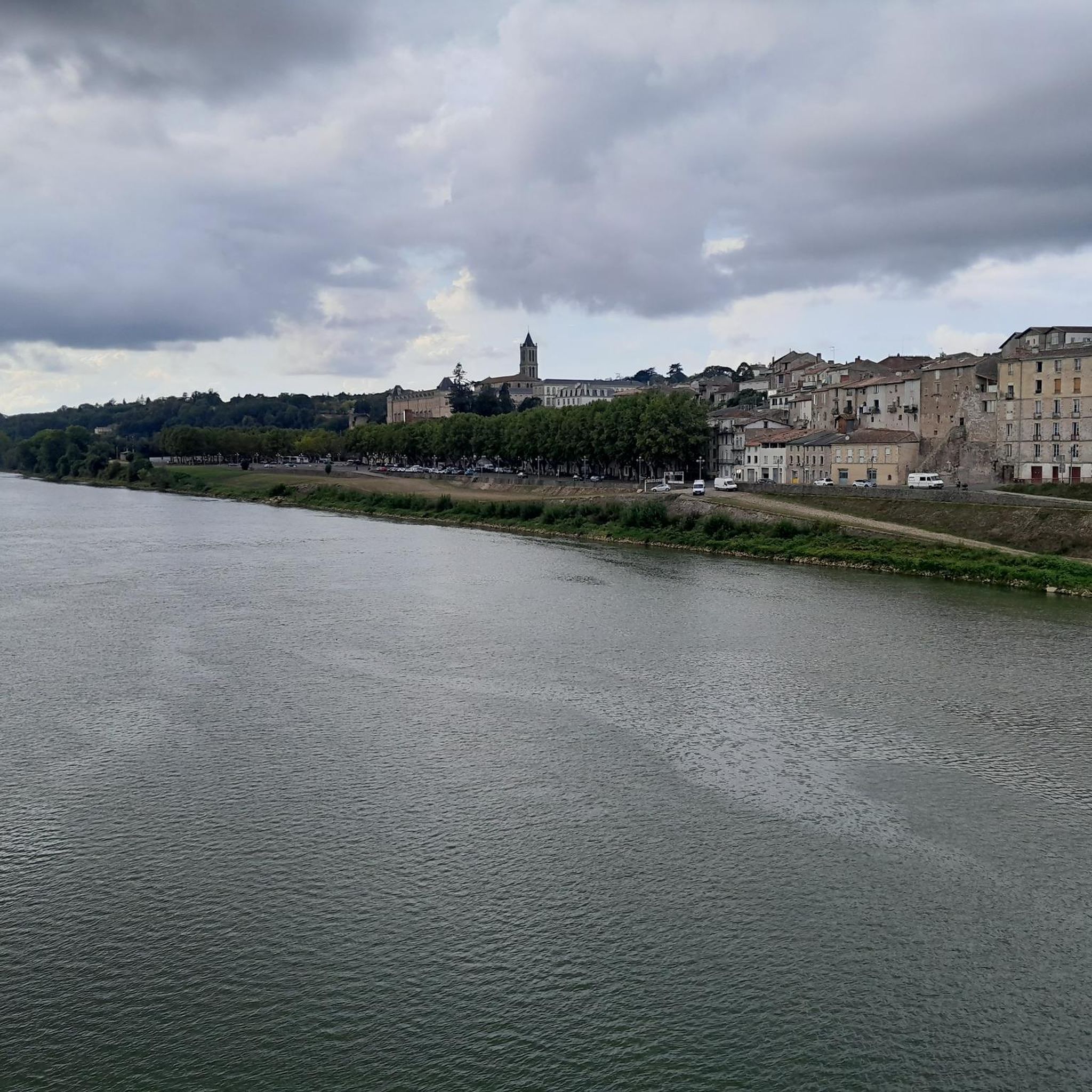
The area around Coutures features a mix of man-made monuments and natural landscapes, often connected by rivers like the Dropt and Garonne. You'll encounter forested areas along greenways and river views, such as those near the Rouergue Bridge over the Garonne.
What outdoor activities are available near Coutures?
Beyond cycling the Roger Lapébie track, you can enjoy hiking, running, and road cycling. There are several easy hiking routes, such as the Lac de l'Hermitage – Moulin loop, detailed in the Hiking around Coutures guide. For runners, moderate loops like the Running loop from Cours-de-Monségur are available in the Running Trails around Coutures guide.
Are there any bridges or architectural landmarks worth seeing?
Absolutely. The Rouergue Bridge is a notable architectural structure. This road bridge, suspended on a metal structure, crosses the Garonne and was built in 1934. It has a span of 170 meters and is open to pedestrians and cyclists, offering impressive views of the river.
What do visitors enjoy most about the attractions around Coutures?
Visitors particularly appreciate the well-developed and easy-to-ride greenways like the Roger Lapébie track. The historical sites, such as the majestic Le Moulin de Loubens and the preserved medieval bastide of Sauveterre-de-Guyenne, are also highly valued for their appearance and historical significance.
Can I walk or cycle across the Rouergue Bridge?
Yes, the Rouergue Bridge is open to pedestrians and cyclists. While it has been closed to car traffic since August 2021, it remains a great spot for walking or cycling across the Garonne river.
Are there any easy hiking trails suitable for a leisurely walk?
Yes, there are several easy hiking routes around Coutures. Examples include the Lac de l'Hermitage – Moulin loop from Saint-Martin-du-Puy (5.6 km) and the Bastide of Monségur loop from Monségur (3.6 km). You can find more options in the Hiking around Coutures guide.
What is a 'bastide' and where can I see one near Coutures?
A bastide is a type of French medieval town, founded primarily in southwestern France during the 13th and 14th centuries. They are characterized by a rectangular street pattern around a central market square. You can visit the well-preserved bastide of Sauveterre-de-Guyenne, which still features ramparts and gates.
What kind of activities can I do along the Dropt river?
The Dropt river is home to historical sites like Le Moulin de Loubens, an 11th-century mill. The river itself contributes to the natural landscapes of the region, offering scenic views and opportunities for walks along its banks.
Are there any specific cycling routes that connect different attractions?
The Roger Lapébie track is an excellent option, as it links Créon and Sauveterre-de-Guyenne, allowing you to cycle between these points of interest. For longer road cycling tours, routes like the Duras Castle – Bastide of Monségur loop can take you through various towns and past different landmarks.

Get inspired with the komoot mobile app


Explore more
Still not found the Highlight you’re looking for? See guides of the top attractions in other regions:
