Attractions and Places To See around Saint-Loup-Nantouard - Top 9
Best attractions and places to see around Saint-Loup-Nantouard include a variety of historical sites, charming villages, and natural landscapes. The region offers opportunities for exploring cultural heritage and local life. Saint-Loup-Nantouard is an area where several hidden gems are available for discovery.
Best attractions and places to see around Saint-Loup-Nantouard
- The most popular attractions is Pont de Pierre of Gray, a bridge that was built in 1647 and has been destroyed and restored multiple times. It serves as the…
Last updated: June 29, 2026
Pont de Pierre of Gray
Highlight • Bridge
Translated by Google •
Tip by

Gray
Highlight • Other
Translated by Google •
Tip by
Sign up now to discover places like this
Get recommendations on the best single tracks, peaks, & plenty of other exciting outdoor places.
Sign up for free
Charcenne
Highlight • Other
Translated by Google •
Tip by

La Chapelle-Saint-Quillain
Highlight • Other
The 19th century washhouse fountain.
The 19th century drinking fountain.
Translated by Google •
Tip by

Notre-Dame du Calvaire Chapel
Highlight • Religious Site
Translated by Google •
Tip by

Sign up for free to discover even more attractions around Saint-Loup-Nantouard.
Sign up for free
Already have an account?
Start today with a free account
Your next adventure awaits.
Login or Signup
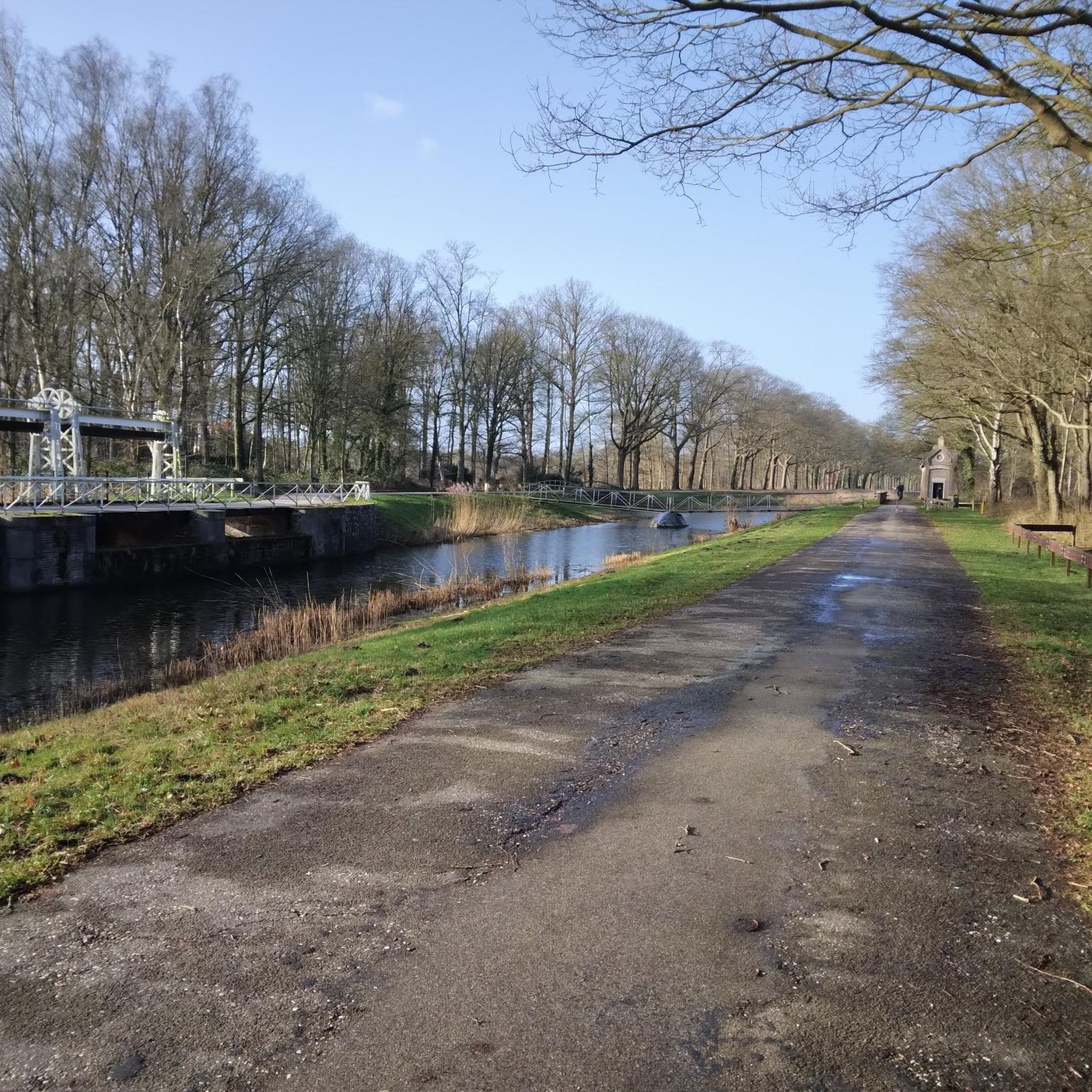

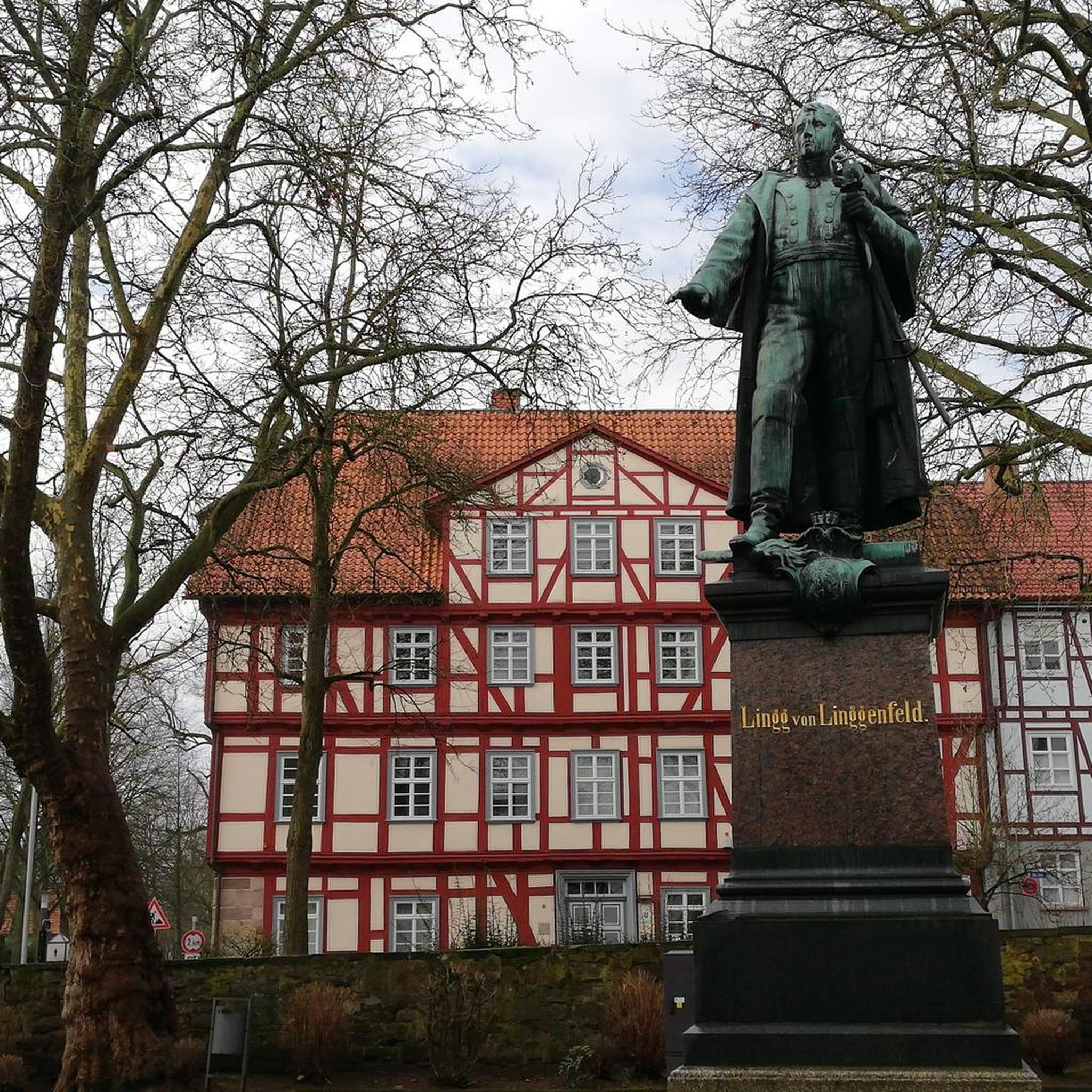

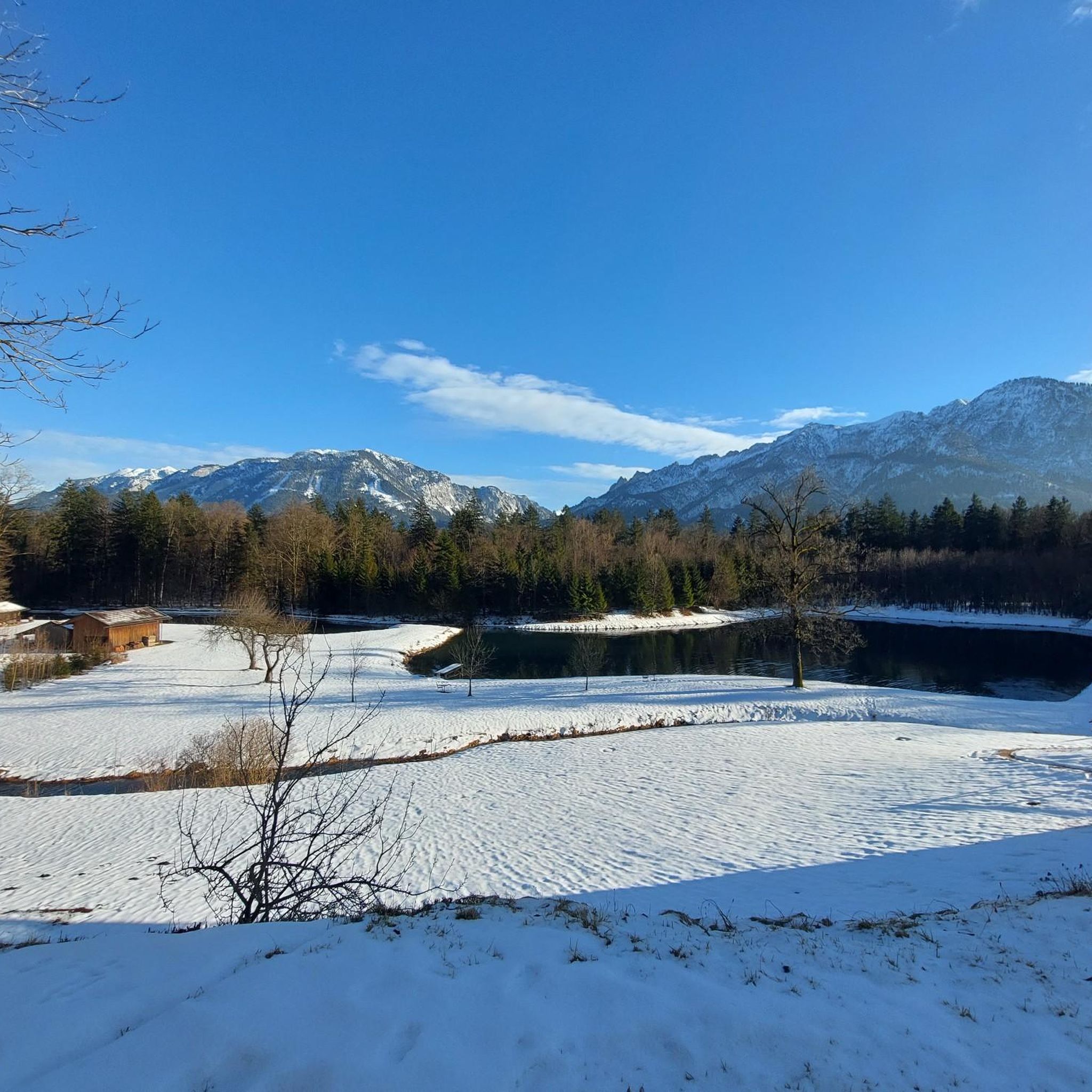
Tips from the Community

The Saint-Quillain and the Beheading of Saint John the Baptist church from the first quarter of the 19th century. The Sainte-Madeleine chapel The 19th century washhouse fountain. The 19th century drinking fountain.
10
4


Village which dates back to Gaulle (Gallic burials have been unearthed there) and of which we also find traces under the Gallo-Roman Empire. There we find the source of the Colombine and some beautiful buildings, including the cemetery chapel (listed as a Historic Monument) and the Notre-Dame de Leffond Chapel which dates from the 13th century. However, the village is best known for its vineyards. In the Middle Ages, the wines of Gy and Charcenne were already exported and we found them on the tables of nobles in the 16th century. The Guillaume family has been cultivating vines there since 1732 and has developed a highly specialized nursery business since 1895, recognized worldwide. The 43 hectares of vines therefore produce wine, awarded several times, but also serve as a support for the multiplication of vine plants. They therefore cultivate other grape varieties than those necessary for their production. And if you want to accompany your wine with a cheese, head to the Millet cheese dairy to taste a Charcennais or an Ortolan.
1
0

The historic place has an eventful history. In addition to the Renaissance town hall, the cathedral, the ruins of the castle and the promenade on the banks of the Saône are worth a closer look. And there are enough restaurants, cafes, bars and a supermarket.
2
0

The Notre-Dame du Calvaire chapel dates from the 19th century and was built following a promise made by the parish priest, the Red priest. Erected in height, in a clearing, it is accessible by a stone path from the church of Gy and a porthole allows to distinguish the interior whose paintings have been recently restored, and where the blue color dominates what is without doubt to recall that of the mantle worn by the Virgin.
0
0

Gray's Town Hall is remarkable in more than one way. It is a Renaissance building which was completed in 1568. Its Burgundian-style glazed tile roof catches the eye.
2
0
This magnificent stone bridge built in 1647 was destroyed several times. It is the main entrance to the town of Gray. The extract from the city's cadastre dated 1851 mentions: "The Saône bridge is one of the buildings which cost the city of Gray the most. In 1358, water and ice having completely ruined it, it was necessary , to restore it, more than three hundred gold florins. "
1
0

In Gray, a stone bridge with thirteen arches leads across the Saône, which was built from 1750 to 1758 on the site of a wooden bridge that was destroyed several times by wars and floods.
4
3
Frequently Asked Questions
What historical sites can I explore around Saint-Loup-Nantouard?
The region is rich in history. You can visit the historic town of Gray, which features a Renaissance town hall, a cathedral, and castle ruins. Another significant historical landmark is the Pont de Pierre of Gray, a stone bridge with a long history of destruction and restoration. The village of Charcenne also boasts ancient origins with Gallic and Gallo-Roman traces, including a listed cemetery chapel and the 13th-century Notre-Dame de Leffond Chapel.
Are there family-friendly attractions in the Saint-Loup-Nantouard area?
Yes, the area offers options for families. The Pont de Pierre of Gray is considered family-friendly and provides a scenic spot to visit. The town of Gray itself, with its promenades along the Saône and various cafes, can be enjoyable for families.
Where can I find walking or running trails near Saint-Loup-Nantouard?
There are several options for walking and running. You can explore various running loops around Gy, Igny, and Sauvigney-lès-Gray, with distances typically around 10-14 km. For more detailed routes, refer to the Running Trails around Saint-Loup-Nantouard guide.
What kind of cycling routes are available in the region?
The area around Saint-Loup-Nantouard offers a variety of cycling routes, ranging from moderate to difficult. You can find long-distance tours like the Saint-Albin Canal Tunnel loop (181 km) or the Fountain and Washhouses loop (63 km). For a comprehensive list of routes, check the Cycling around Saint-Loup-Nantouard guide.
Are there any mountain biking trails near Saint-Loup-Nantouard?
Yes, mountain biking enthusiasts can find trails in the vicinity. Options include moderate loops like the Shelter on the Way of St. James (39 km) or the Gy Castle loop (40 km), as well as easier routes such as the Charcenne Church loop (20 km). More details are available in the MTB Trails around Saint-Loup-Nantouard guide.
What are some lesser-known or 'hidden gems' to discover?
Beyond the main attractions, consider visiting La Chapelle-Saint-Quillain, a charming village featuring the Saint-Quillain church, the Sainte-Madeleine chapel, and 19th-century washhouses and drinking fountains. Another interesting spot is the Notre-Dame du Calvaire Chapel, a 19th-century chapel built on a height, accessible by a stone path from the church of Gy.
What do visitors particularly enjoy about the attractions in this area?
Visitors appreciate the historical depth and architectural beauty of the region. For instance, the Pont de Pierre of Gray is admired for its historical significance and resilience. The town of Gray is noted for its Renaissance architecture, the cathedral, and pleasant promenades along the Saône, offering a blend of history and local life.
Can I find places with scenic views around Saint-Loup-Nantouard?
While specific viewpoints are not explicitly highlighted, the promenades along the banks of the Saône in Gray offer pleasant scenic views of the river. Additionally, the Notre-Dame du Calvaire Chapel is erected on a height, which likely provides some elevated views of the surrounding landscape.
What is the best time of year for outdoor activities in Saint-Loup-Nantouard?
The best time for outdoor activities like cycling, mountain biking, and running around Saint-Loup-Nantouard is generally during the spring (April to June) and autumn (September to October) months. During these periods, the weather is typically mild and pleasant, ideal for exploring the trails and historical sites without extreme heat or cold.
Are there any specific architectural highlights to look out for?
Absolutely. The town of Gray is home to a remarkable Renaissance town hall, completed in 1568, known for its Burgundian-style glazed tile roof. In La Chapelle-Saint-Quillain, you can see a 19th-century church, a chapel, and well-preserved 19th-century washhouses and drinking fountains, showcasing traditional local architecture.
What are the main natural features or landscapes to see?
The region is characterized by its riverine landscape, particularly around the Saône, which flows through Gray and offers pleasant promenades. The village of Charcenne is notable for being the source of the Colombine river and is also known for its vineyards, contributing to the area's natural and agricultural charm.
Most popular routes around Saint-Loup-Nantouard

Get inspired with the komoot mobile app


Explore more
Still not found the Highlight you’re looking for? See guides of the top attractions in other regions:
