Attractions and Places To See around Codognan - Top 20
Best attractions and places to see around Codognan include a mix of historical sites and natural landscapes in the Languedoc region. The village, with medieval origins dating back to 1094, is situated north of the Petite Camargue and offers access to regional natural beauty. Its strategic location provides a base for exploring nearby cities like Nîmes and Sommières, known for Roman history and monuments. Archaeological discoveries, such as a Neolithic tomb and Bronze Age dwellings, indicate a long human presence…
Last updated: June 22, 2026
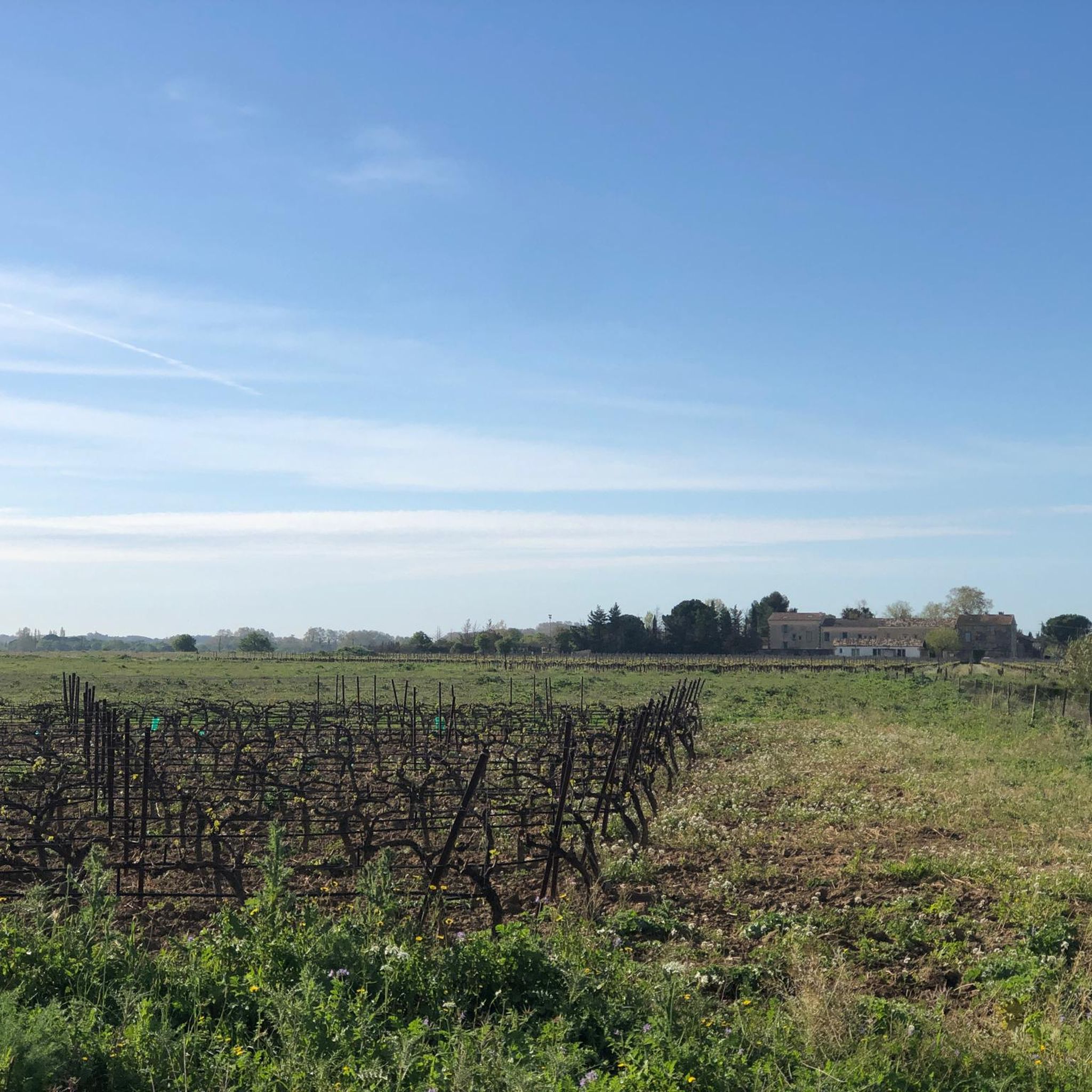
Oppidum of Ambrussum – dwellings in the southern quarter
Highlight • Other
Translated by Google •
Tip by

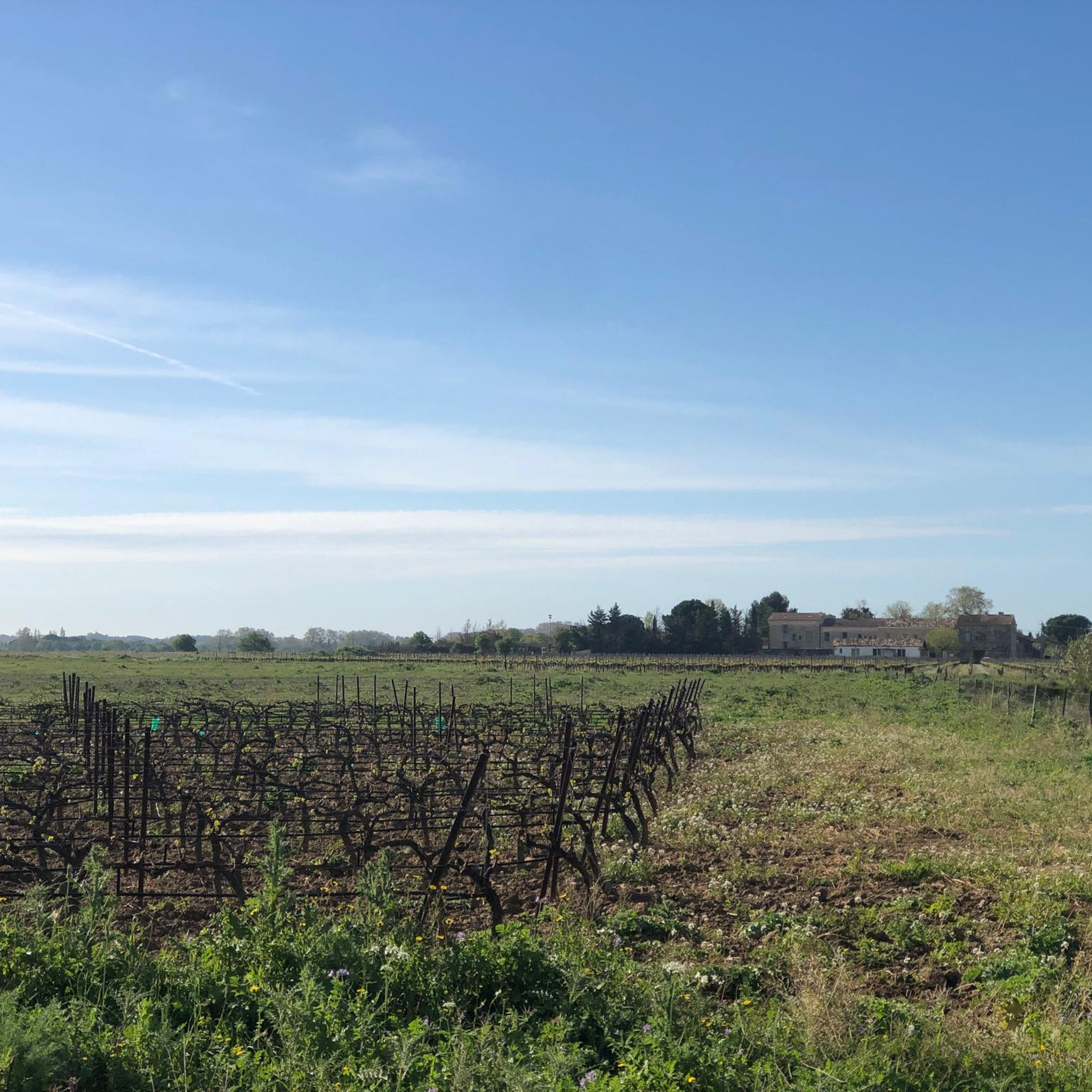
Former Bon Temps quarries
Highlight (Segment) • Other
Translated by Google •
Tip by

Sign up now to discover places like this
Get recommendations on the best single tracks, peaks, & plenty of other exciting outdoor places.
Sign up for free
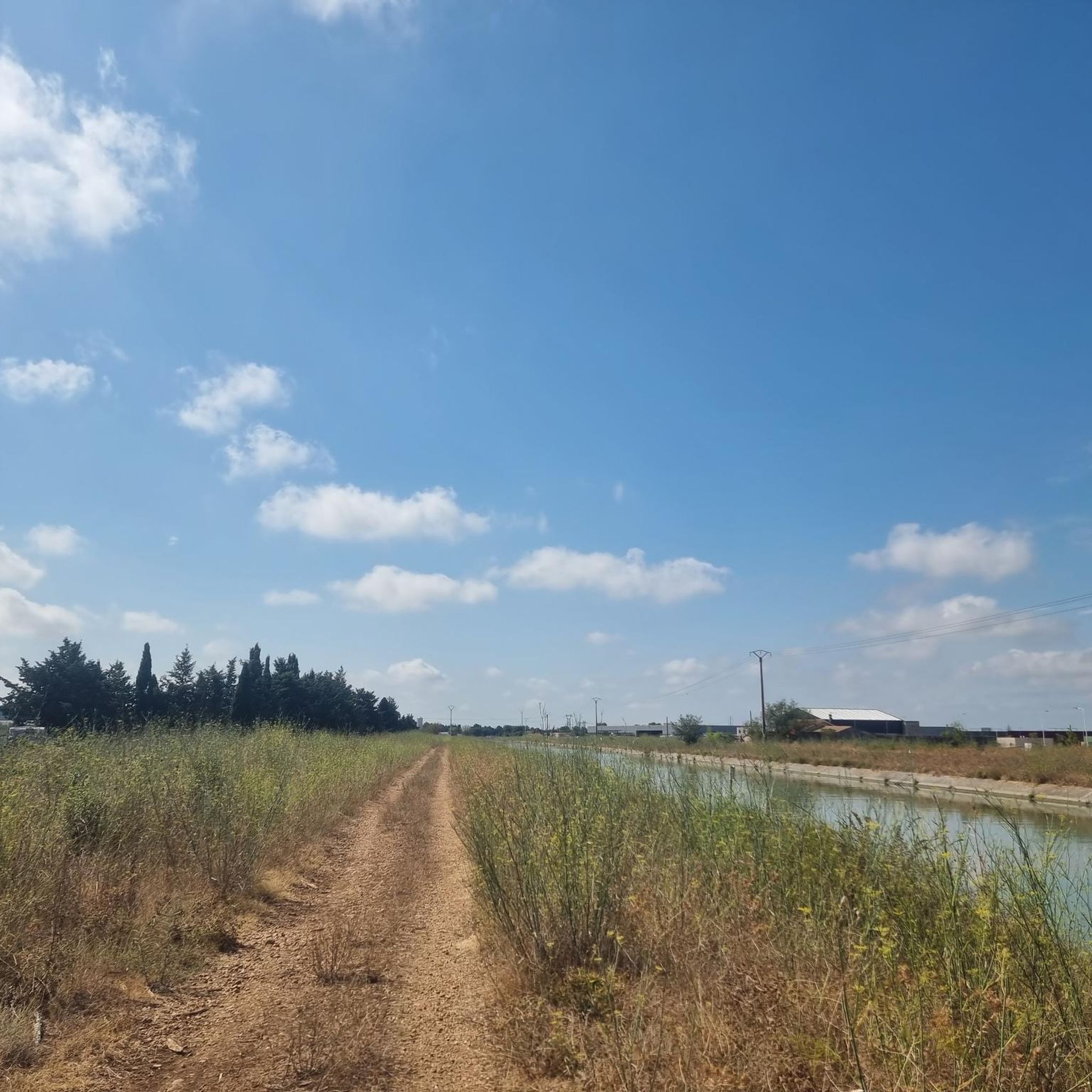
ViaRhôna: Section Through the Camargue Biosphere Reserve Buffer Zone
Highlight (Segment) • Cycleway
Translated by Google •
Tip by

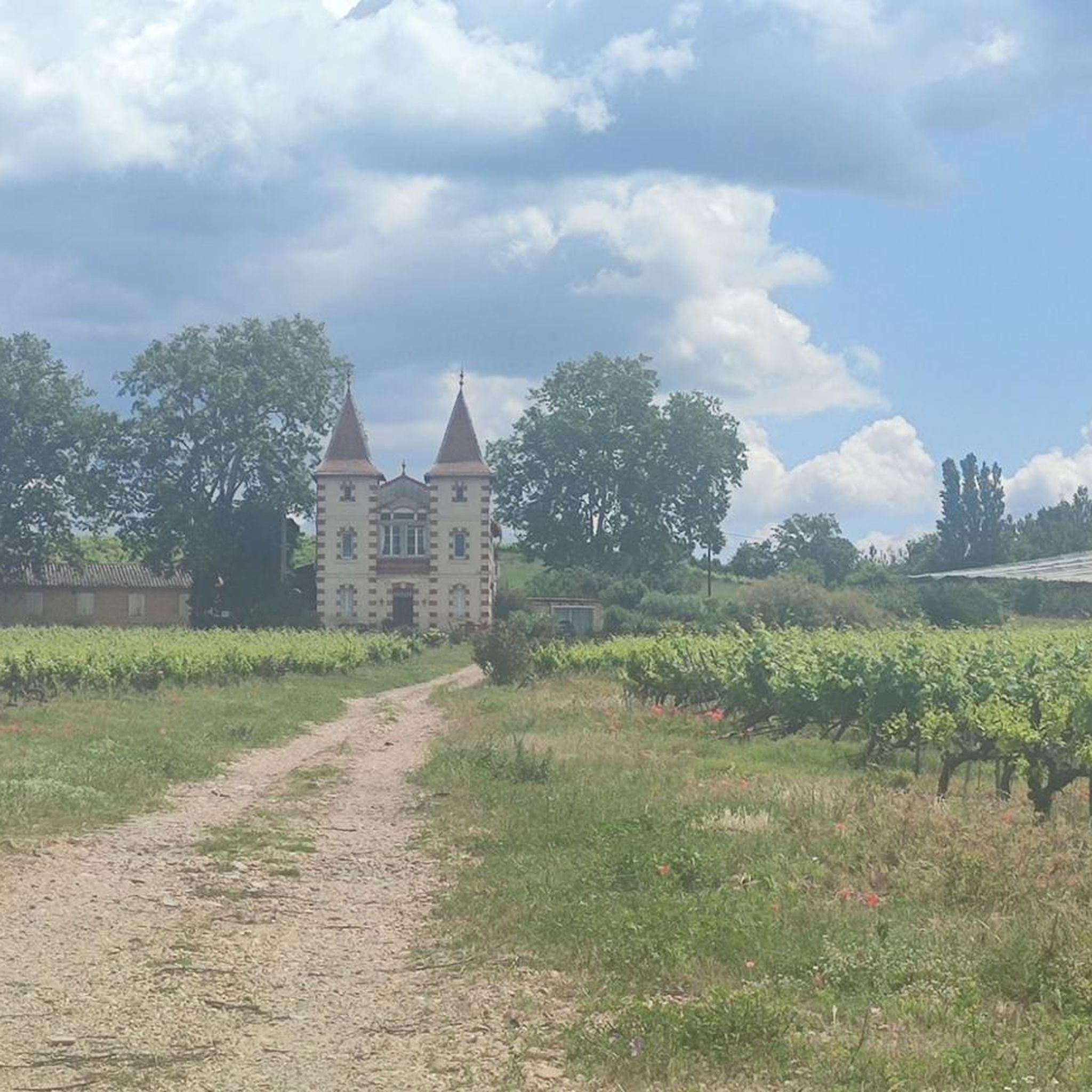
Carrières de Junas
Highlight • Structure
Translated by Google •
Tip by

Ambrussum museum and archaeological site
Highlight • Historical Site
Translated by Google •
Tip by

Sign up for free to discover even more attractions around Codognan.
Sign up for free
Already have an account?
Start today with a free account
Your next adventure awaits.
Login or Signup

Tips from the Community

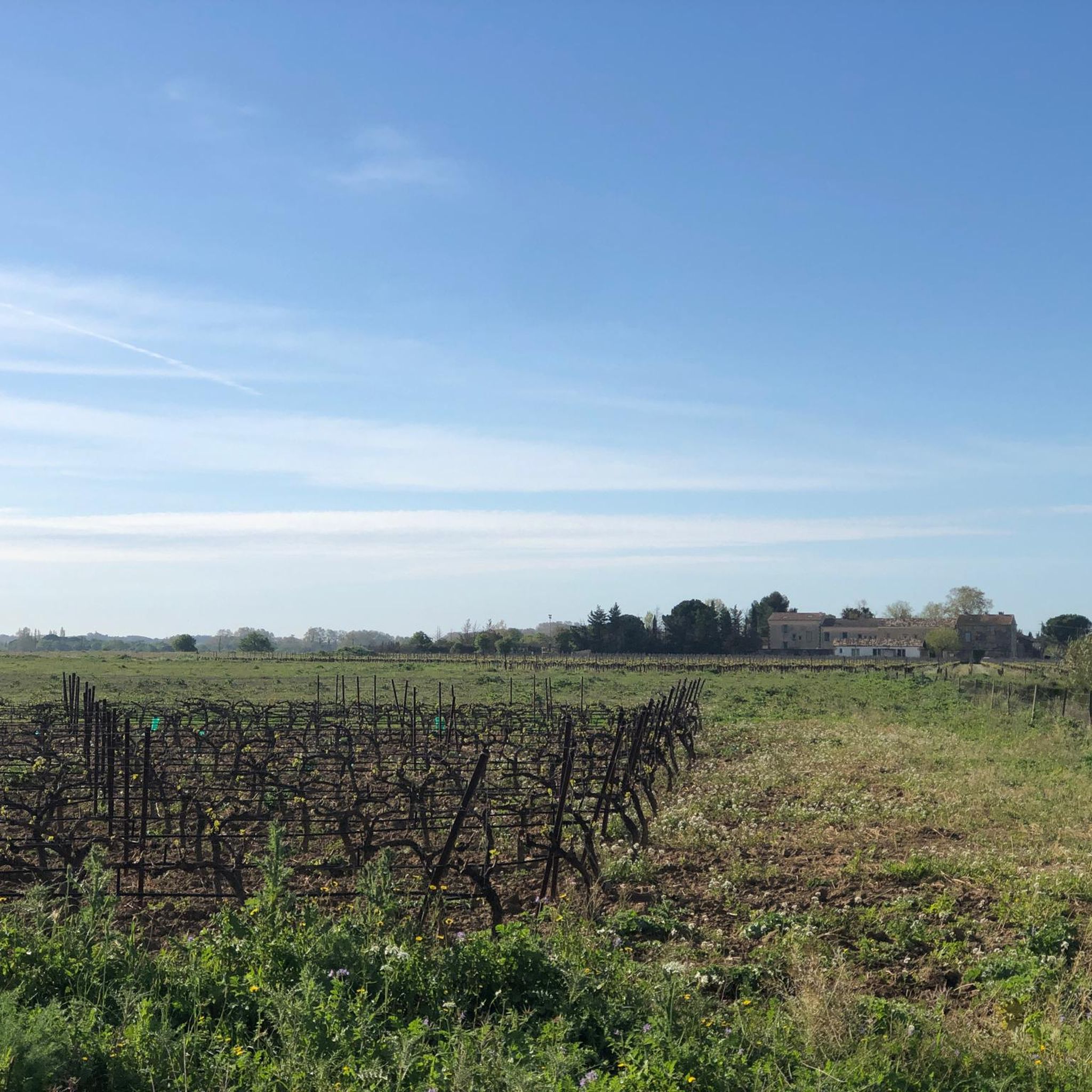
I live in Grau du Roi and often drive in the area!!!! Easy circuit; only the wind can harm you; choose the direction of the wind so as to have it favorable to finish the outing (wind at your back)..Have a good ride everyone.Cdlt.Rv.
2
0

Redeveloped in 1987 by a small group of villagers (Association les Carrières du Bon Temps), the site also serves as the venue for numerous festivities, including a very famous annual jazz festival (“Jazz à Junas” festival) in July. In addition, since 1988, JUNAS has been organizing the Rencontres de la Pierre, where novices, passionate amateurs or professional stonemasons have been meeting for 24 years and exchanging the history, techniques and know-how of these wonderful stone crafts.
0
0
A really great atmosphere there. You can stay there for a long time and take a break at the stone table in the shade under the tree. It is worth it ..
0
0

LONG AND BEAUTIFUL STRAIGHT LINES ... ENDLESS
2
0

The site and the museum of Ambrussum (entrance to which is free) allow you to take a fascinating journey through time and discover this ancient Oppidum located on the banks of the Via Dommicia linking the Alps to the Pyrenees. Guided tours are also possible. Do not hesitate to consult the website.
1
0

A grandiose and magical place, forged by more than 2000 years of rock quarrying using an unchanged manual method, hundreds of cubic meters of stone quarried there were used in particular to build the Pont de Sommières, then later in Aigues-Mortes and Vigan .
8
0
Les Carrières de Junas, or quarries of Good Time, is the site of an old stone quarry exploited since Antiquity and whose shapes evoke human constructions.
3
0

Crossed by the oldest road built in Roman times, the Via Domitia, and located on the banks of the Vidourle, the archaeological site of Ambrussum offers lovers of old stones a landscape steeped in history. The Ambrussum site encourages the visitor to discover the Ambroix bridge, the remains of old dwellings, a public building and an Oppidum classified as a Historic Monument. One can also observe the cobbled lane, the main artery of the Oppidum. You are invited to open the doors of the site museum composed of a space that can accommodate temporary exhibitions, a permanent exhibition hall, an audio-visual room and a shop.
2
0
Frequently Asked Questions
What historical sites can I explore near Codognan?
Codognan and its surroundings are rich in history. You can visit the Oppidum of Ambrussum, an archaeological site with Roman-era dwellings and the ancient Via Domitia. Another significant historical site is the Corbières Mill, an old watermill dating back to 1482, known for its impressive historical engineering. The village center of Codognan itself has medieval origins, with traces of ancient religious establishments like the Saint Saturnin de Nodels monastery.
Are there any unique natural attractions or quarries to visit?
Yes, the Carrières de Junas (Junas Quarries) are a must-see. This ancient stone quarry has been exploited since Antiquity, offering impressive rock formations and a unique atmosphere. The stone from here was used in local constructions like the Pont de Sommières. Nearby, you can also find the Former Bon Temps quarries, which now host festivities including an annual jazz festival.
What outdoor activities or trails are available near Codognan?
The area around Codognan offers various outdoor activities. Cyclists can enjoy the ViaRhôna: Section Through the Camargue Biosphere Reserve Buffer Zone, a cycleway known for its long, straight routes and scenic natural environment. For more options, you can explore numerous cycling routes in the region, including challenging rides like the "Boissières Medieval Village loop" or the "View of the Cévennes" route. Find more cycling routes on the Cycling around Codognan guide.
Are there family-friendly attractions around Codognan?
Many attractions in the area are suitable for families. The Carrières de Junas are considered family-friendly, offering an interesting historical and natural site to explore. The ViaRhôna cycleway provides an easy and scenic route for family bike rides through the Camargue Biosphere Reserve buffer zone.
When is the best time of year to visit Codognan and its surrounding attractions?
The Languedoc region, where Codognan is located, generally enjoys a Mediterranean climate. Spring (April-June) and early autumn (September-October) are often ideal, offering pleasant temperatures for exploring historical sites and engaging in outdoor activities like cycling or walking without the intense heat of summer. Summer (July-August) can be warm but is popular for those looking to combine sightseeing with visits to nearby beaches.
What are some less crowded or 'hidden gem' attractions around Codognan?
Beyond the main highlights, consider exploring the historic village center of Codognan itself, with its traditional square and traces of medieval origins. The archaeological discoveries of a Neolithic tomb and Bronze Age dwellings in the area highlight a deep, ancient history that is less commonly visited. Local events like "Vide Grenier" (flea markets) or "Super Lotos" offer a glimpse into authentic local life and culture.
Are there opportunities for running or gravel biking near Codognan?
Yes, the area provides various trails for running and gravel biking. For runners, there are several loops, such as the "Running loop from Codognan" (8.4 km) or the "Château de Montcalm loop" (10 km). Gravel biking enthusiasts can find routes like the "Carbonnière Tower loop" (45.7 km) or the "Watchtower of Saint-Dionisy – The Vidourle loop" (74.6 km). You can find detailed routes in the Running Trails around Codognan guide and the Gravel biking around Codognan guide.
What kind of historical significance does Codognan have?
Codognan has a rich historical past, with written mentions dating back to 1094. It was significantly impacted by Roman colonization, with the ancient Via Domitia passing through the area. Archaeological findings, including a Neolithic tomb from 5,000 years ago and Bronze Age dwellings from 4,000 years ago, indicate a long human presence. The village also has traces of former religious sites like the Saint Saturnin de Nodels monastery (founded 791) and the Saint Vincent d'Olozargues priory (mentioned 1156).
Can I find scenic viewpoints or natural areas for relaxation?
While specific viewpoints within Codognan are not highlighted, the village's location offers access to broader natural landscapes. It is situated north of the Petite Camargue and within a half-hour drive of local beaches. The ViaRhôna cycleway provides scenic views through the Camargue Biosphere Reserve buffer zone, perfect for enjoying the natural environment. Additionally, the area is 45 minutes from the foot of the Cevennes Mountains, offering access to more extensive natural beauty.
What are the nearest larger towns or cities with additional attractions?
Codognan's strategic location makes it a convenient base for exploring notable sites in the broader Gard department. The historic city of Nîmes, just 17 km away, is famous for its Roman amphitheater and the Museum Romanite. The charming town of Sommières, 12 km away, is known for its historic monuments, including the Pont de Sommières. You can also visit the beautiful Jardins de la Fontaine, also 17 km from Codognan.
Are there any dog-friendly walking options near Codognan?
While specific dog-friendly designations are not always available, many of the outdoor trails and natural areas around Codognan are suitable for walks with dogs, provided they are kept on a leash and owners follow local regulations. The ViaRhôna cycleway, with its long, straight paths through natural scenery, can be a good option for a leisurely walk with your dog.
Most popular routes around Codognan

Get inspired with the komoot mobile app


Explore more
Still not found the Highlight you’re looking for? See guides of the top attractions in other regions:
