Attractions and Places To See around Heiweiler - Top 20
Attractions and places to see around Heiweiler feature historical sites, canal infrastructure, and dedicated cycle paths. The region offers opportunities to explore remnants of past conflicts and enjoy outdoor activities along waterways. With more than 20 points of interest, Heiweiler provides a diverse range of experiences for visitors.
Best attractions and places to see around Heiweiler
- The most popular attractions is Grand Cannon of Zillisheim, a historical site where you can discover traces of bygone times, including underground tunnels.…
Last updated: October 9, 2026
Zillisheim Drawbridge and Lock No. 35
Highlight • Bridge
Translated by Google •
Tip by

Zillisheim Episcopal College "Petit Séminaire"
Highlight • Historical Site
Translated by Google •
Tip by

Sign up now to discover places like this
Get recommendations on the best single tracks, peaks, & plenty of other exciting outdoor places.
Grand Cannon of Zillisheim
Highlight • Historical Site
Translated by Google •
Tip by

Brunstatt lock
Highlight • Other
Translated by Google •
Tip by

Illfurth German military cemetery
Highlight • Other
Translated by Google •
Tip by
Sign up for free to discover even more attractions around Heiweiler.
Already have an account?
Start today with a free account
Your next adventure awaits.

Tips from the Community

The cannon must have been huge. It had a range of up to 40 km. It terrorized the inhabitants of Belfort. This was the response to the bombing of Freiburg, among other places. It was then used as a feint to distract from the attack on Verdun.
0
0
The German soldiers who died in the Battle of Mühlhausen in August 1914 are buried there, including the first casualty of World War I. It's a bit off the beaten track and very well maintained.
0
0

Beneath the forest canopy, you can discover numerous traces of bygone times, still visible or legible; only the "barracks" have disappeared. During a guided tour with one of the site's enthusiastic volunteers, you can explore the underground tunnels and discover the organization of this impressive military infrastructure. Of course, you can also visit the surface infrastructure yourself, following the marked route, where the panels provide detailed explanations. An application, "Site du Grand Canon de Zillisheim," is also available for download.
5
0
The Illfurth German War Cemetery was established by the French military authorities in April 1920. As a collective cemetery, it housed some of the fallen soldiers from the battles of August 7 and 17, 1914. The transfer of war dead to Illfurth, who had been provisionally buried in 64 municipalities and districts during the war or who had died in French captivity, ended in 1924. Among those reburied was the first German casualty of the 1914-1918 War on the Western Front, Lieutenant Albert Mayer, who fell on August 2, 1914, while on patrol. The first French soldier also lost his life in this battle. Several memorials erected in field cemeteries during the war were also relocated to Illfurth.
8
0

Rivers and canals crisscross the country, the latter in particular being a crucial part of the transport infrastructure in earlier times. Later, first rail, and later again trucks, took over the task of transporting goods. In the competition between different modes of transport, they were faster and cheaper than barges – and thus more efficient. When building the artificial waterways, however, it had to be taken into account that differences in elevation always had to be overcome, and so locks are often lined up along the canals – at varying intervals, depending on the local situation. Only with their help was shipping possible.
0
0

The 38 cm Schnellladekanone L/45 (38 cm S.K. L/45) was a gun used by the Imperial Navy and the German Army during World War I. Originally designed as a naval gun, it was also used on land under the designation 38 cm Geschütz Max or Langer Max. The "38 cm SK L/45" had a barrel with an inner diameter of 38 cm, making it one of the largest calibers used at the time. Its range was up to 48 km. Between 1915 and 1916, the German army installed a naval gun called the "Langer Max" in the Zillisheim Forest. This gun, designed to fire long bursts at Belfort and the Saint Amarin Valley, was actually a diversionary plan....
1
0

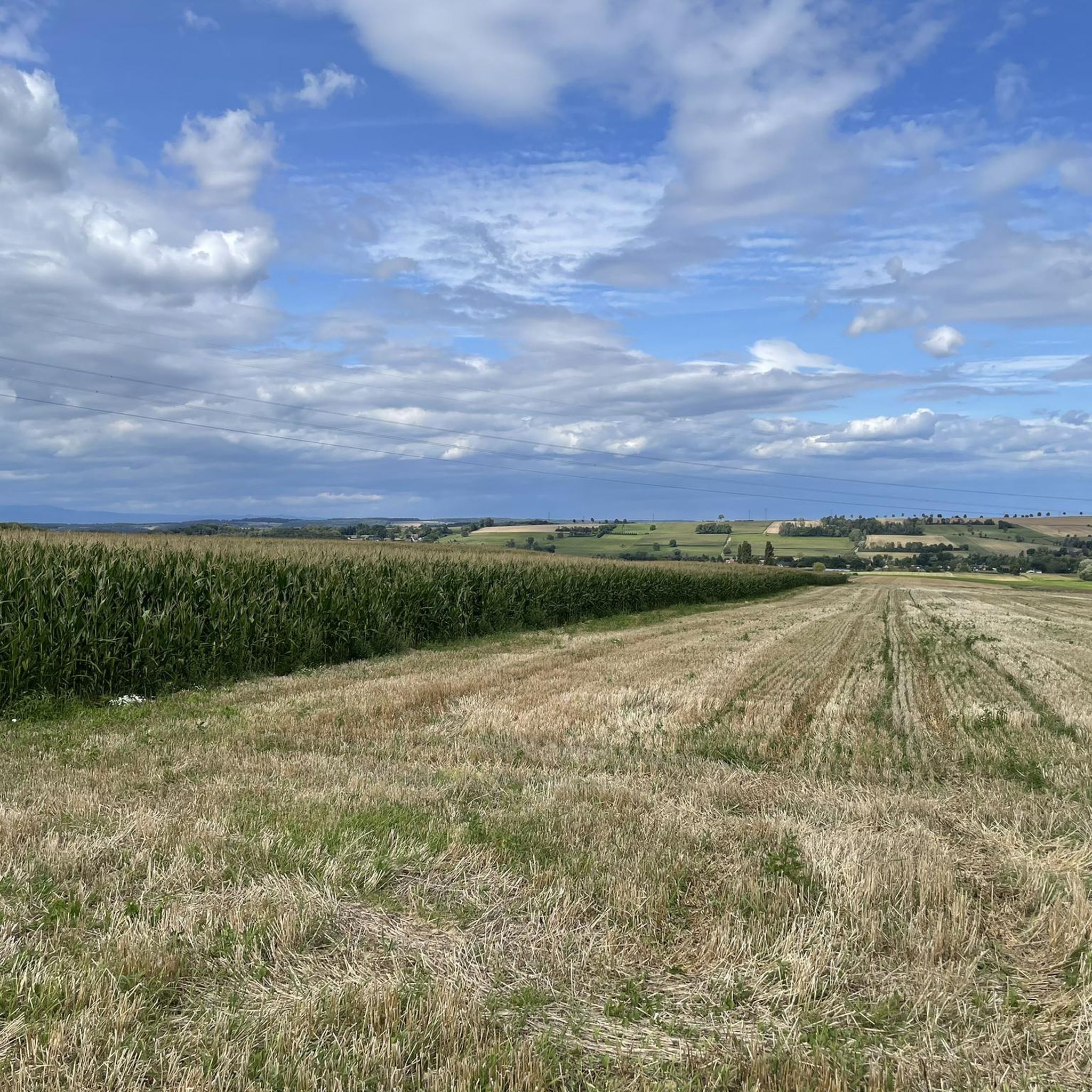
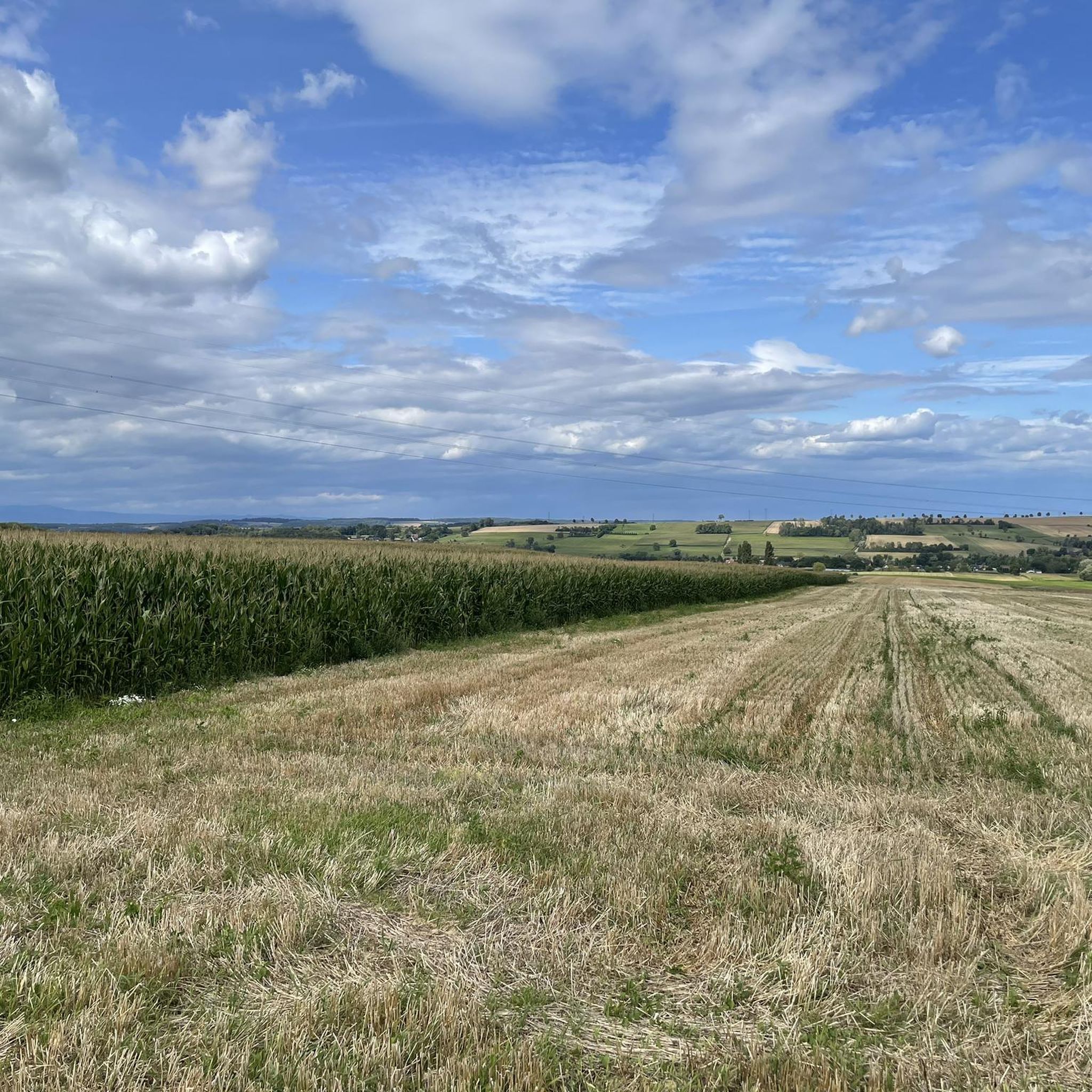
The castle fits nicely into the panorama. But I didn't go there.
0
0

This site is the location of a “KW” cannon of the “Kaiser Wilhelm Geschutze” or “Max le long” type whose mission, during the First World War, was to fire large detonations at Belfort to provide a diversion during attacks. on Verdun and the forts of Vaux and Douaumont.
2
0
Frequently Asked Questions
What are the main types of attractions to explore around Heiweiler?
The region around Heiweiler offers a mix of historical sites, canal infrastructure, and dedicated cycle paths. You can delve into military history, observe engineering marvels along the Rhône-Rhine Canal, and enjoy scenic routes for cycling and walking.
Are there any historical sites related to past conflicts near Heiweiler?
Yes, you can visit the Grand Cannon of Zillisheim, a significant World War I site where you can explore underground tunnels and learn about its role. Another poignant historical site is the Illfurth German military cemetery, which houses the graves of nearly 2,000 soldiers from the 1914-1918 War.
Where can I experience the canal systems around Heiweiler?
The Rhône-Rhine Canal is a prominent feature. You can visit the Zillisheim Drawbridge and Lock No. 35, which is part of a 236-kilometer system with 114 locks. Further along, the Brunstatt lock (Lock No. 36) also offers a great spot to observe the canal's engineering and enjoy the adjacent cycle path.
Are there family-friendly activities or paths suitable for children?
Absolutely. The Altkirch-Hirsingue cycle path – a former railway line is an excellent option. It's a well-paved, separated greenway that is explicitly categorized as family-friendly, perfect for a leisurely bike ride or walk with children.
What kind of cycling routes are available near Heiweiler?
The area offers diverse cycling opportunities. You can explore road cycling routes like the 'Wittersdorf – Altkirch loop' or 'Knœringue Village Center – Between Willer and Hundsbach loop'. For mountain biking, trails such as 'Ballersdorf walk – Hausgauen seppois loop' are available. Gravel biking enthusiasts can enjoy routes like 'Pond country and the Largue valley'. You can find more details on these routes in the dedicated guides for Road Cycling, MTB Trails, and Gravel Biking around Heiweiler.
Are there any wheelchair-accessible attractions?
Yes, the Zillisheim Drawbridge and Lock No. 35 is noted as wheelchair accessible, allowing visitors to observe the canal and its operations.
What do visitors particularly enjoy about the attractions around Heiweiler?
Visitors appreciate the historical depth, especially at sites like the Grand Cannon of Zillisheim, where guided tours offer insights into military history. The well-maintained cycle paths along the canal and former railway lines are also highly rated for their scenic beauty and ease of use.
Can I find places for a leisurely walk or bike ride away from traffic?
Certainly. The Altkirch-Hirsingue cycle path – a former railway line provides a well-paved, separated route ideal for cycling and walking, offering a peaceful experience away from car traffic.
What is the best time of year to visit Heiweiler for outdoor activities?
The spring, summer, and early autumn months generally offer the most pleasant weather for exploring the historical sites, cycling along the canal paths, and enjoying other outdoor activities in the region. These seasons provide comfortable temperatures and lush scenery.
Are there any natural features or scenic landscapes to explore?
While the immediate guide highlights focus on man-made structures, the canal areas themselves offer scenic views, especially along the Rhône-Rhine Canal. The cycle paths often wind through pleasant countryside, providing opportunities to enjoy the local landscape.
How can I learn more about the history of the Grand Cannon of Zillisheim?
You can explore the site following the marked route with detailed explanation panels. For a deeper understanding, consider a guided tour with one of the site's volunteers, or download the 'Site du Grand Canon de Zillisheim' application for additional information.
Are there any long-distance cycling routes that pass through the area?
Yes, the Eurovelo 6 route passes through the greater Mulhouse area and along the Canal du Rhône au Rhin, offering a beautiful route for long-distance cyclists.
Most popular routes around Heiweiler

Get inspired with the komoot mobile app


Explore more
Still not found the Highlight you’re looking for? See guides of the top attractions in other regions:
