Attractions and Places To See around Lirac - Top 20
Best attractions and places to see around Lirac include a blend of historical sites, natural landscapes, and a rich viticultural heritage in the Gard department of France. This tranquil village serves as a base for exploring the wider Occitanie region, known for its Roman history and scenic beauty. Visitors can discover ancient grottoes, historic chapels, and significant winemaking traditions that date back 2,000 years. The area offers diverse points of interest, from cultural landmarks to outdoor adventure parks.
Best attractions…
Last updated: October 9, 2026
Châteauneuf-du-Pape Castle
Highlight • Castle
Translated by Google •
Tip by

Roquemaure Bridge
Highlight (Segment) • Bridge
Tip by

Sign up now to discover places like this
Get recommendations on the best single tracks, peaks, & plenty of other exciting outdoor places.
Chapel of the Hermitage of Notre-Dame de Mayran
Highlight • Religious Site
Translated by Google •
Tip by

Mexica Parc and Kapa Tahi Adventure Park
Highlight • Other
Translated by Google •
Tip by
Path Through the Vineyards
Highlight • Trail
Translated by Google •
Tip by

Sign up for free to discover even more attractions around Lirac.
Already have an account?
Start today with a free account
Your next adventure awaits.

Tips from the Community

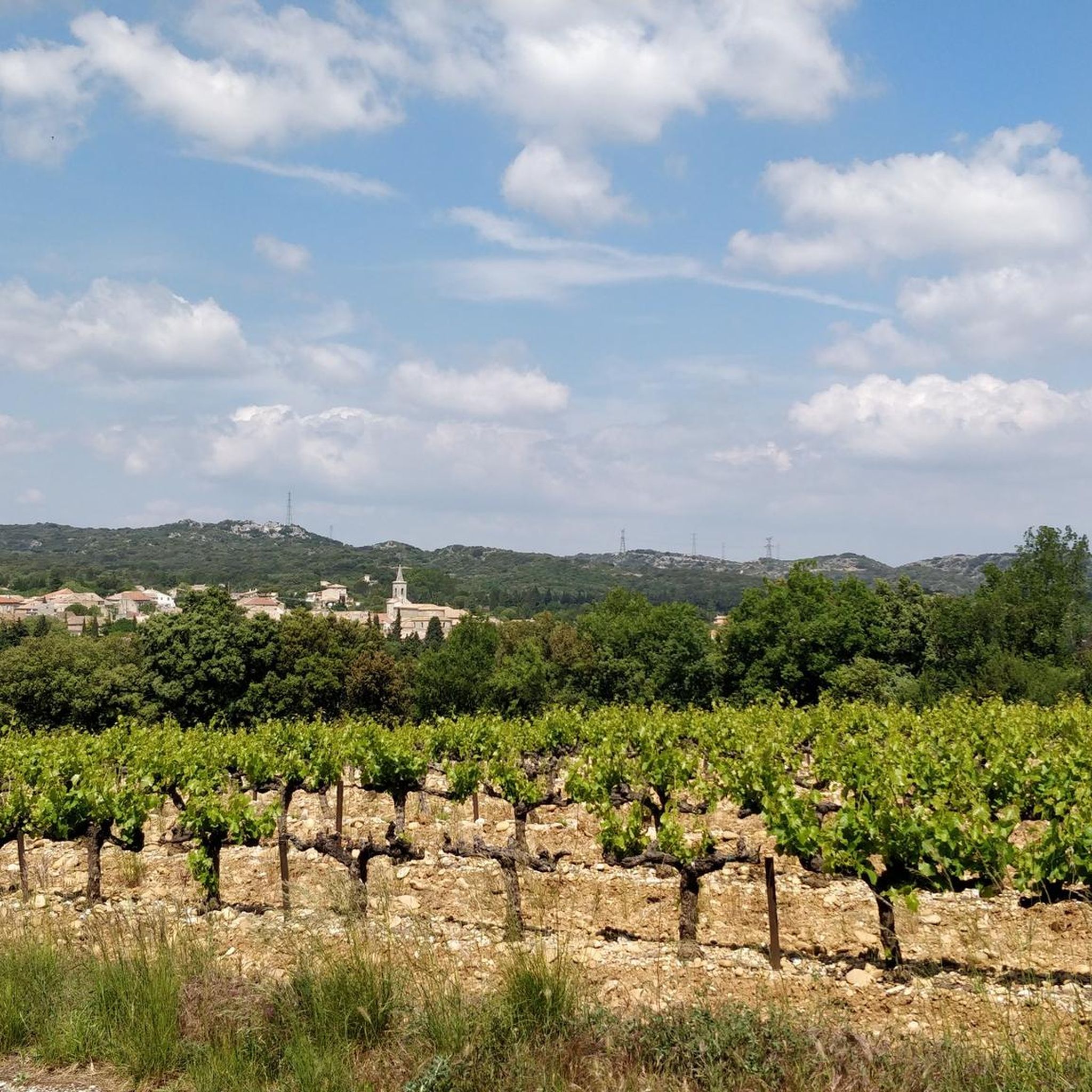
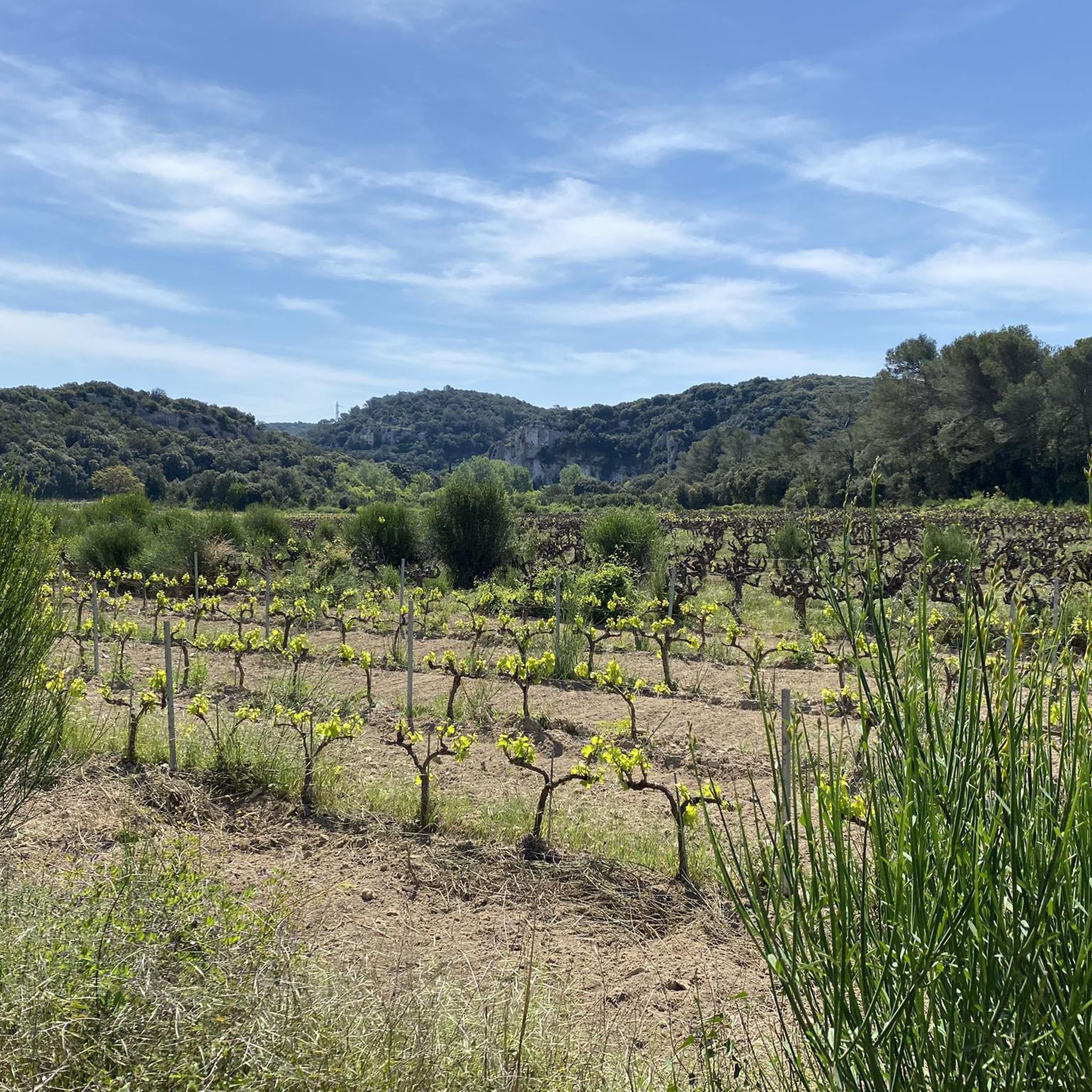
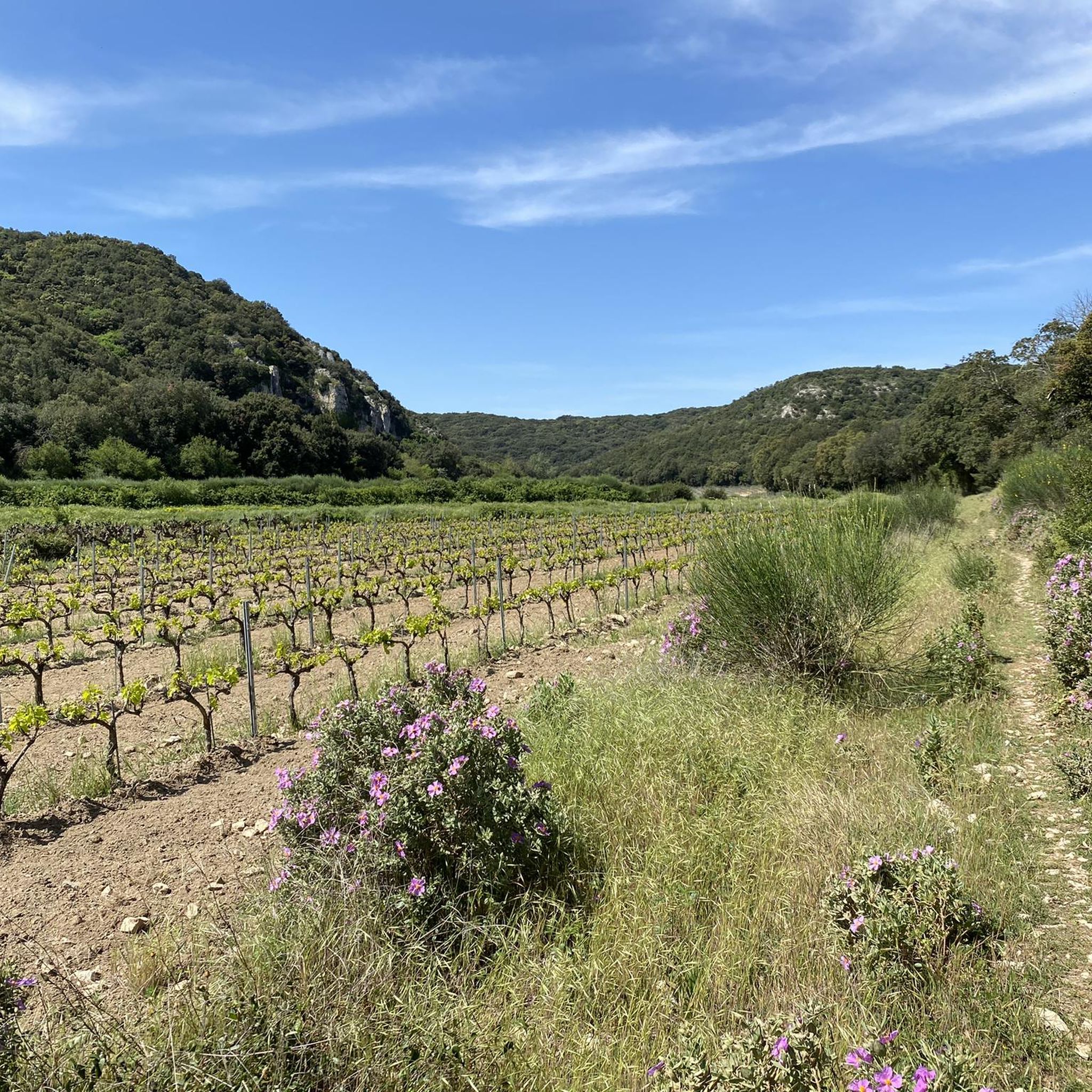
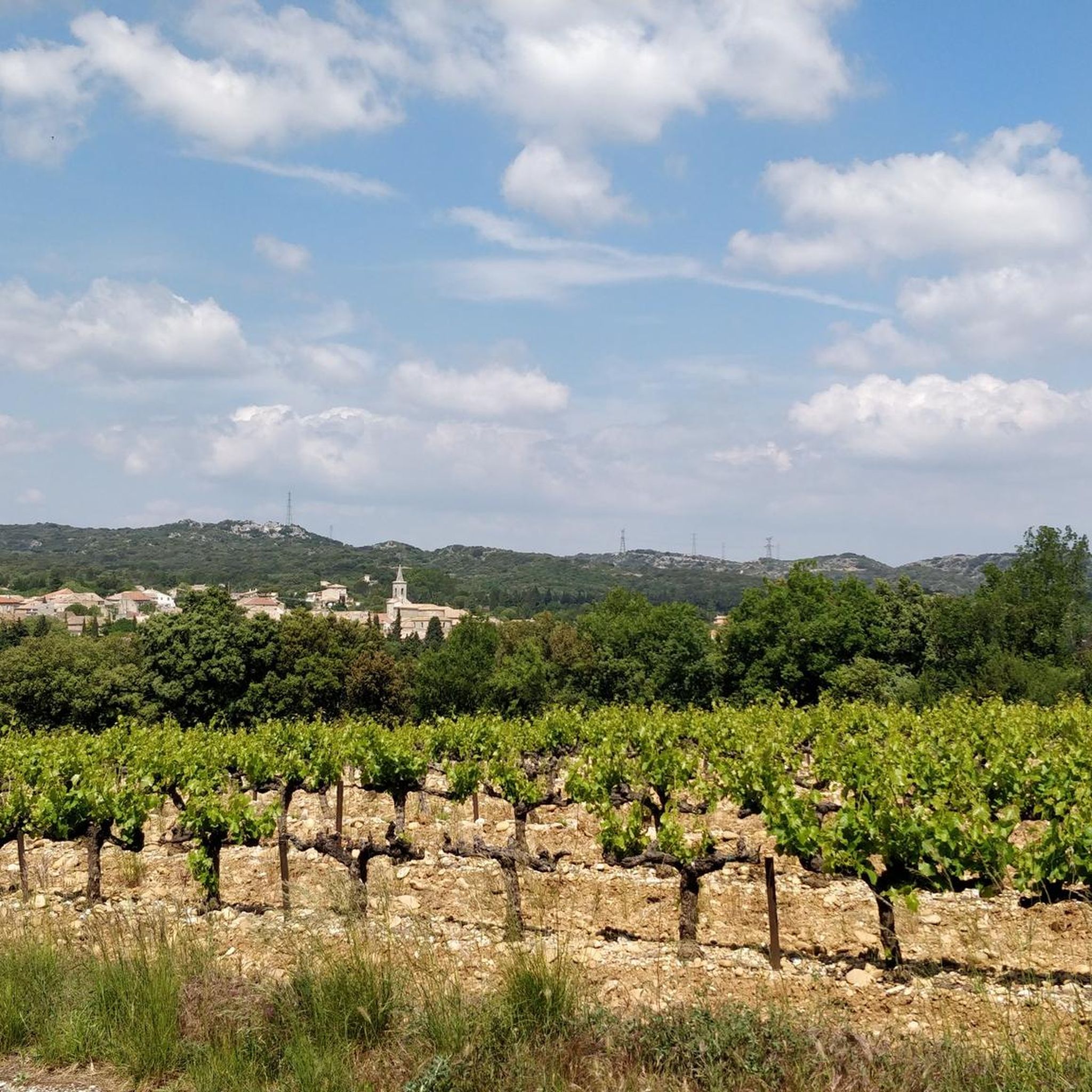
This easy circular hike leads through the extensive vineyards around the charming village of Estézargues in the southern Rhône valley. Enjoy magnificent views of the vineyard landscape, the Mediterranean garrigue, and the surrounding hills. The light over the vineyards is unique, especially in the morning or evening hours. Take plenty of water and sun protection with you, as there is little shade along the way. After the hike, a visit to the local wine cooperative is worthwhile to taste the organically produced Côtes-du-Rhône wines and to round off the excursion enjoyably. The circular tour is about 3-4 km long and is also suitable for families or a relaxed stroll.
0
0

The Château de Châteauneuf-du-Pape is situated on a hill with panoramic views over the Rhône plain. The castle ruins date back to the 14th century and showcase medieval papal architecture. Wine lovers can sample the appellation's famous red wines in the surrounding area. The grounds offer numerous hiking trails between vineyards and lavender fields. Visitors gain insights into the history of the papal summer residence and the regional culture of Provence.
0
0

Chapel dating from the 12th century, located amidst the vineyards of Saint-Victor-la-Coste
0
0

Great place to picnic at the top with the option of a quick vin rouge at the tasting at the top
0
0

The chapel housing the Hermitage of Our Lady of Mayran is located on a former Roman villa. It was part of the Abbey of Saint Victor in Marseille and was built during the 12th century in the shape of a Latin cross. It was in the 19th century that a statue of the Virgin Mary was placed above the bell tower, a statue that has since been removed due to a risk of landslide (which also affected the entire building, which is now closed to the public). Since the 17th century, a pilgrimage has been held every first Sunday in May to protect against plague and drought. The small park remains open and invites you to take the time to sit on the benches provided and appreciate the peace and serenity of the place.
0
0

I agree with Jan, this is quite a dangerous bridge. I was worried my 700mm+ handlebars were too wide for the pavement so rode on the road. A macho driver drove past within centimeters at 80+KmH. On the return trip I used the pavement and it is actually ok for modern MTBs if you take it easy. Two older women were crossing with bikes but pushing them as they too were worried about riding on the pavement. Bottom line, use the pavement, either riding with care or pushing the bike if not that accomplished.
0
0

very bad stretch of road with thick stones, not suitable for normal bikes
1
0

The Pont de Roquemaure is also good for cyclists. It connects the departments of Vaucluse and Gard.
0
0
Frequently Asked Questions
What historical sites can I visit around Lirac?
Lirac and its surroundings are rich in history. You can explore the ruins of Châteauneuf-du-Pape Castle, once a residence of the Avignon popes. Within Lirac, discover the ancient Sainte-Baume Hermitage and Grotto, a pilgrimage site with a chapel and Neolithic caves, or the 12th-century Crypt with its frescoes. Nearby, don't miss the remarkably preserved Roman Theatre in Orange, the iconic Pont du Gard aqueduct, or the Papal Palace in Avignon.
Are there any family-friendly attractions near Lirac?
Yes, families will enjoy Mexica Parc and Kapa Tahi Adventure Park, located directly adjacent to the ViaRhôna. This park offers activities like mini golf, archery, a Lost City Trail, and more, catering to various age groups from 3 to 99. Additionally, the peaceful setting of the Chapel of the Hermitage of Notre-Dame de Mayran, nestled amidst vineyards, offers a serene spot for a family visit.
What natural features or viewpoints can I explore in the Lirac area?
The region offers several natural highlights and scenic viewpoints. The Sainte-Baume Hermitage provides picturesque views of the surrounding area from its hillside location. You can also enjoy the long views across the Rhône from the Roquemaure Bridge. For more extensive natural beauty, the stunning Gorges de l'Ardèche and Gorges du Gardon are within reach, offering opportunities for canoeing and enjoying the landscape.
What is the significance of Lirac in terms of wine?
Lirac holds a significant place in French viticulture as a Côtes du Rhône Cru since 1947. It was the first Côtes du Rhône appellation to produce red, rosé, and white wines. The winemaking tradition dates back 2,000 years to Roman times, with Lirac wines historically favored by royal and papal courts. The unique terroir of rolled pebbles, sand, and limestone contributes to the distinctive character of its wines.
What outdoor activities can I do around Lirac?
The Lirac area is excellent for outdoor enthusiasts. You can find numerous routes for running, gravel biking, and cycling. For example, there are running loops from Lirac itself or Saint-Laurent-des-Arbres, and cycling routes like the 'Beautiful Plane Trees – The Rhône loop'. You can find detailed routes and guides for these activities, including 'Running Trails around Lirac', 'Gravel biking around Lirac', and 'Cycling around Lirac', on komoot.
Are there any ancient religious buildings or chapels to visit?
Yes, the area features several historic religious sites. The Saint Peter's Chapel, Castres, is a classified chapel dating from the end of the 11th century, with ruins of an old priory nearby. The Chapel of the Hermitage of Notre-Dame de Mayran, built in the 12th century, is another notable site, set amidst vineyards and known for its peaceful atmosphere.
What is the best time of year to visit Lirac for outdoor activities?
Given its Mediterranean climate, Lirac is pleasant for outdoor activities for much of the year. Spring (April-May) and autumn (September-October) generally offer the most comfortable temperatures for hiking, cycling, and exploring historical sites, avoiding the peak heat of summer. The region's vineyards are particularly beautiful during these seasons.
Can I find any Roman heritage in the vicinity of Lirac?
Absolutely. The region has a strong Roman legacy. Lirac's winemaking tradition itself dates back to Roman occupation. Just a short drive away, you can visit the city of Orange, famous for its remarkably preserved Roman Theatre and other Roman monuments. The extraordinary 2000-year-old Roman aqueduct, Pont du Gard, is also easily accessible from Lirac.
What kind of villages or towns are worth visiting near Lirac?
Lirac serves as an excellent base for exploring charming nearby towns and villages. You can visit Avignon, known for its Papal Palace, or Villeneuve-lès-Avignon, just across the Rhône. The renowned wine village of Châteauneuf-du-Pape is also close by. For smaller, historic experiences, consider Saint-Laurent-des-Arbres or Saint-Victor-la-Coste, both featuring ancient monuments.
Are there opportunities for wild swimming or water activities near Lirac?
While Lirac itself is not directly on a major body of water, the nearby Gorges du Gardon and Gorges de l'Ardèche offer excellent opportunities for water activities. These natural wonders are popular for canoeing and swimming, providing a refreshing experience amidst stunning natural landscapes.
What do visitors enjoy most about the attractions around Lirac?
Visitors particularly appreciate the blend of historical depth and natural beauty. The community often highlights the impressive scale of sites like Châteauneuf-du-Pape Castle and the peaceful, historic atmosphere of chapels such as Saint Peter's Chapel, Castres. The adventure park is also a big hit for families, offering diverse activities. The overall tranquility and rich cultural heritage of the region are frequently praised.
Is there a specific local heritage site within Lirac village itself?
Yes, within Lirac village, you can find a beautifully restored 19th-century Lavoir (wash house). This well-maintained site offers a glimpse into the local heritage and daily life of the past, representing a charming piece of the village's history.
Most popular attractions around Lirac

Get inspired with the komoot mobile app


Explore more
Still not found the Highlight you’re looking for? See guides of the top attractions in other regions:
