Attractions and Places To See around Chusclan - Top 20
Best attractions and places to see around Chusclan include a blend of historical landmarks, natural beauty, and cultural experiences in the Gard department of France. The village is nestled amidst vineyards and offers panoramic views of the Rhône Valley, Languedoc, and Provence. Visitors can explore ancient ruins, Romanesque chapels, and picturesque streets, alongside various walking circuits. The region provides access to a rich historical, cultural, and natural heritage.
Best attractions and places to see around Chusclan
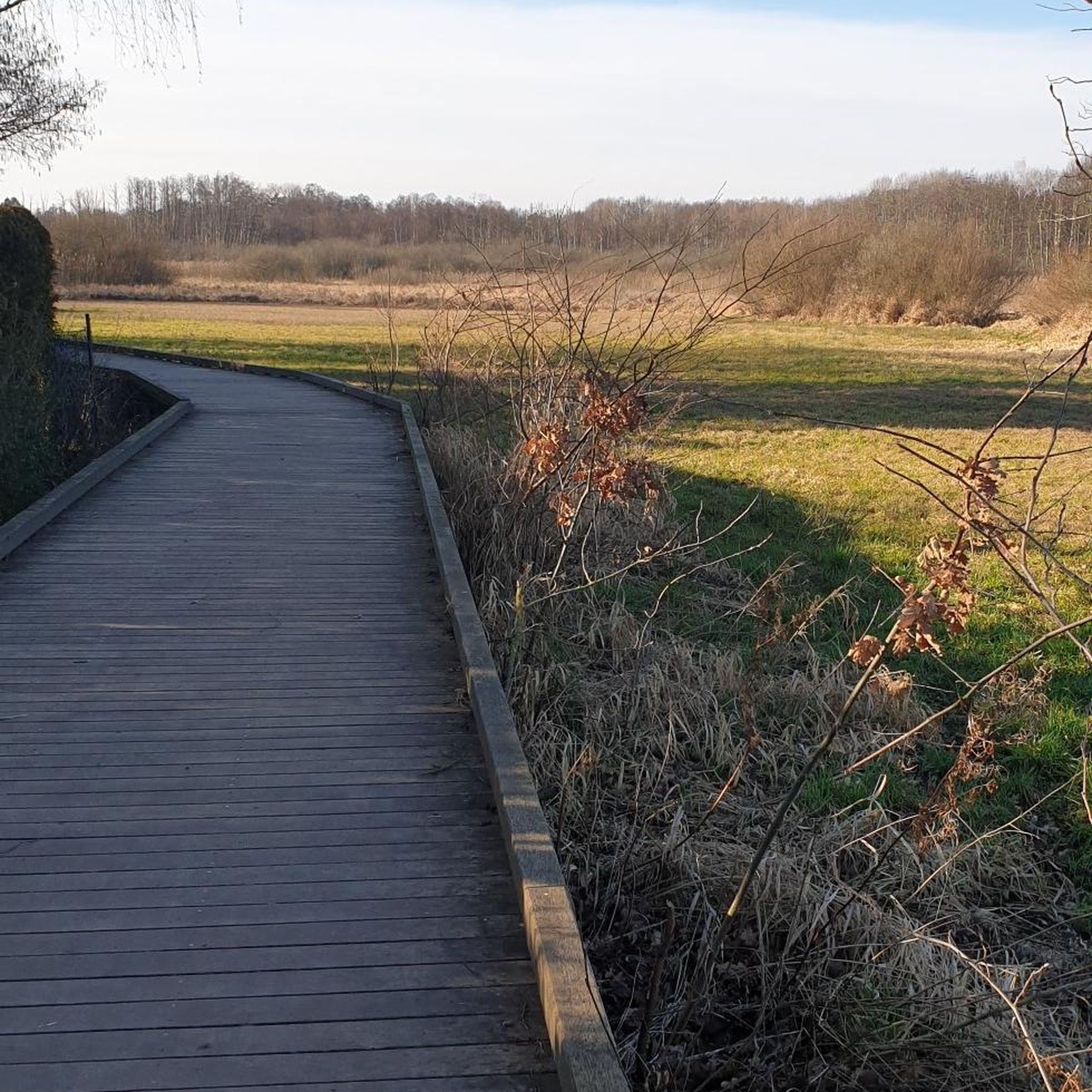
- The most popular attractions is ViaRhôna Cycle Route, a cycle_way that runs over 815 kilometers from the Swiss-French border to the Mediterranean. It is a well-kept bike path and part of EuroVelo 17.
- Another must-see spot is Roman Amphitheatre of Orange, an archeological site. This amphitheater, dating from the 1st century AD, is one of the best-preserved Roman theaters globally and continues to host shows.
- Visitors also love The Arc de Triomphe, a significant Roman monument. This small triumphal arch stands at the entrance to the old town of Orange, which has been a World Cultural Heritage site since the early 1980s.
- Chusclan is known for its historical landmarks, natural features like vineyards, and cultural sites. The area offers a variety of attractions to see and explore, including medieval castles, Romanesque chapels, and numerous walking circuits.
- The attractions around Chusclan are appreciated by the komoot community, with 39 photos and 362 upvotes from visitors.
Last updated: June 22, 2026
ViaRhôna Cycle Route
Highlight (Segment) • Cycleway
Tip by

Roman Amphitheatre of Orange
Highlight • Other
The facade overlooking the city is closed. Once the ticket for the visit is paid, you have access to another setting. Namely: a huge stage as well as imposing stands.
These Romans are talented!
Translated by Google •
Tip by

Sign up now to discover places like this
Get recommendations on the best single tracks, peaks, & plenty of other exciting outdoor places.
Sign up for free
The Arc de Triomphe
Highlight • Other
Translated by Google •
Tip by

Saint-Esprit Bridge
Highlight • Other
Translated by Google •
Tip by

Ancient Theatre
Highlight • Other
Translated by Google •
Tip by

Sign up for free to discover even more attractions around Chusclan.
Sign up for free
Already have an account?
Start today with a free account
Your next adventure awaits.
Login or Signup
Tips from the Community

very pleasant cool break on a hot day
0
0

The Roman Amphitheater of Orange was built in the 1st century AD and can accommodate up to 10,000 spectators. Its original stage and monumental outer walls showcase Roman architecture on an impressive scale. The wall reliefs inside are almost completely preserved and depict scenes from ancient gladiatorial combats. Today, concerts and theater performances are held here, bringing history to life.
0
0
The Théâtre Antique d'Orange, built in the 1st century AD, is the best-preserved Roman theater in the Western world and has been a UNESCO World Heritage Site since 1981. Its impressive stage wall measures 103 meters long and 37 meters high and has been called "the most beautiful wall in my kingdom." Visitors can also take nighttime tours that bring the theater's history to life.
0
0
The Pont-Saint-Esprit bridge over the Rhône dates back to the 13th century and is one of the oldest structures in the region. Its arched structure is a testament to medieval engineering and offers photo opportunities directly above the river. The old town surrounding the bridge invites you to stroll among historic houses and small cafés. From the banks, the river landscapes and the city's picturesque architecture are ideal for observing.
0
0

Currently, no commercial vessels travel on the Rhône near Pont-Saint-Esprit. This section of the river is no longer accessible for shipping.
2
0
The Pont du Saint-Esprit, also known as the Pont médiéval or Holy Spirit Bridge, is a historic stone arch bridge over the Rhône. The bridge originally consisted of 20 arches, including 13 larger and seven smaller ones. In the 19th century, the first two arches were replaced by a cast-iron arch to allow steamships to pass through. This arch was destroyed during World War II and later replaced by a reinforced concrete arch. The bridge measures approximately 856 meters in length and has 19 arches of varying widths and heights. The Pont du Saint-Esprit played a central role in trade and transport between Provence and Languedoc. Over the centuries, it has been reinforced and restored several times to meet the challenges of flooding and increasing traffic. Today, it is a significant landmark in the region and a popular destination for tourists and photographers.
2
0

The Pont du Saint-Esprit is a medieval stone bridge over the Rhône in southern France. Built between 1265 and 1309, it was one of the longest bridges of its time, at over 900 meters. Built by a religious order, it served as an important trade and pilgrimage route. The bridge consists of 26 arches and impresses with its robust construction and asymmetrical shape. Today, it is a listed historic monument and an important historical landmark.
3
0

For the Rhone Valley section: Top-notch road surface, guaranteed calm, views of beautiful villages and castles, we often cross the Rhone on nice bridges; we often go along the water and we can regularly go out to nearby villages. It is possible to pitch a tent easily in quite a few areas; there is a lack of water points in my opinion.
0
0
Frequently Asked Questions
What historical landmarks can I explore in and around Chusclan?
Chusclan and its surroundings are rich in history. Within the village, you can visit the ruins of the medieval Château de Gicon, offering panoramic views of the Rhône Valley. At its foot lies the Romanesque Chapelle Sainte-Madeleine. Further afield, don't miss the ancient Roman aqueduct, Pont du Gard, or the well-preserved Roman Amphitheatre of Orange and The Arc de Triomphe in Orange. The historic Saint-Esprit Bridge, a medieval stone bridge over the Rhône, is also a significant landmark.
Are there any natural attractions or scenic viewpoints near Chusclan?
Absolutely. The ruins of Château de Gicon provide a stunning 360-degree view of the Rhône Valley, Languedoc, and Provence, with glimpses of Mont Ventoux and the Alpilles mountains. For natural wonders, the Cascades du Sautadet offer beautiful waterfalls, and the Gorges de l'Ardèche are famous for their stunning canyon and natural arch (Pont d'Arc).
What kind of walking or hiking trails are available in Chusclan?
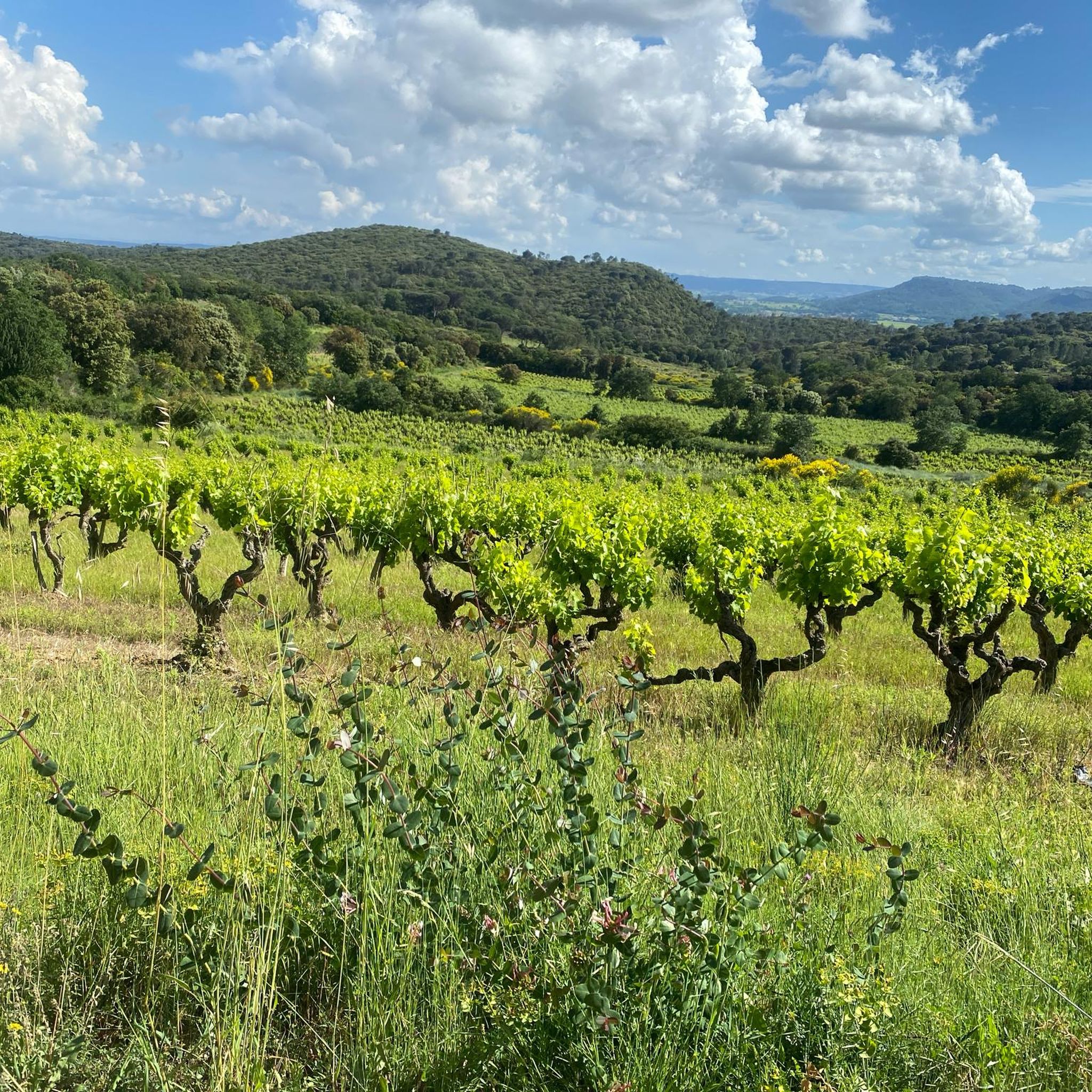
Chusclan is surrounded by vineyards and offers several walking circuits. You can hike up to the Château de Gicon for historical exploration and views. Other trails include "La piste de nos ancêtres," a 4.7 km circuit with magnificent viewpoints and Neolithic vestiges, and a "Parcours botanique," a 1.6 km route to identify regional plant species. For more options, check out the Running Trails around Chusclan guide, which includes routes like the 'Dent de Marcoule loop'.
Are there family-friendly activities or trails in the area?
Yes, Chusclan offers a family-friendly loop called "Les animaux de la vigne." This 3.6 km trail is designed for children, featuring interpretive stations about the creatures inhabiting the vineyards. Additionally, the ViaRhôna Cycle Route is a well-kept bike path that is generally suitable for families, offering a safe way to explore the region by bike.
What are the options for cycling around Chusclan?
Cycling enthusiasts will enjoy the ViaRhôna Cycle Route, a well-kept bike path that is part of EuroVelo 17, running along the Rhône. For more specific routes, you can explore the Road Cycling Routes around Chusclan or the Gravel biking around Chusclan guides, which feature various routes like the 'ViaRhôna Cycle Route loop from Codolet' and 'Pont-Saint-Esprit – FORTRESS OF MORNAS loop'.
Can I visit local wineries or taste regional products in Chusclan?
Chusclan is deeply intertwined with its wines. You can visit Maison Sinnae / Cave des Vignerons de Chusclan, a local winery that offers a tasting cellar for Côtes du Rhône and Côtes du Rhône Villages wines. They also provide cellar tours and an interpretive trail through the vineyards. Several local producers in Chusclan offer a range of regional products, including wines from estates like Domaine de l'Ouliveto and Carré Vin.
What are some notable villages or towns to visit near Chusclan?
Beyond Chusclan, you can explore charming villages classified as "Villages et Cités de Caractère" such as La Roque-sur-Cèze and Aiguèze, which are considered some of the most beautiful villages in the vicinity. Orange, with its significant Roman ruins like the Roman Amphitheatre of Orange, is also a must-visit town nearby.
What are the most popular attractions further afield from Chusclan?
For those willing to venture a bit further, the region offers renowned sites such as the magnificent ancient Roman aqueduct, Pont du Gard. You can also explore the spectacular cave system of Aven d'Orgnac, a Grand Site de France, or the stunning Gorges de l'Ardèche. The Palais des Papes in Avignon is another significant historical site in the wider area.
What do visitors particularly enjoy about the attractions around Chusclan?
Visitors appreciate the blend of historical significance and natural beauty. The panoramic views from Château de Gicon are a highlight, as are the well-preserved Roman sites like the Roman Amphitheatre of Orange, noted for its excellent acoustics and historical importance. The ViaRhôna Cycle Route is praised for being a well-kept bike path, offering a pleasant cycling experience.
Is there a good time of year to visit Chusclan for outdoor activities?
The region around Chusclan, with its Mediterranean climate, generally offers pleasant conditions for outdoor activities for much of the year. Spring and autumn are often ideal for hiking and cycling, with milder temperatures and beautiful scenery. Summer can be warm, but early mornings or late afternoons are still suitable for exploring, especially along shaded trails or near water features like the Cascades du Sautadet.
Are there any unique cultural sites or experiences in Chusclan?
Beyond its historical landmarks, Chusclan offers cultural experiences tied to its viticultural heritage. The Maison Sinnae / Cave des Vignerons de Chusclan provides insight into local wine production through cellar tours and tastings. The village itself, with its charming, picturesque streets, paved squares, and arches, offers a pleasant cultural stroll.
Most popular routes around Chusclan
Most popular attractions around Chusclan

Get inspired with the komoot mobile app


Explore more
Still not found the Highlight you’re looking for? See guides of the top attractions in other regions:
