The best walks and hikes around Saint-Alexandre
4.5
(1239)
6,117
hikers
254
hikes
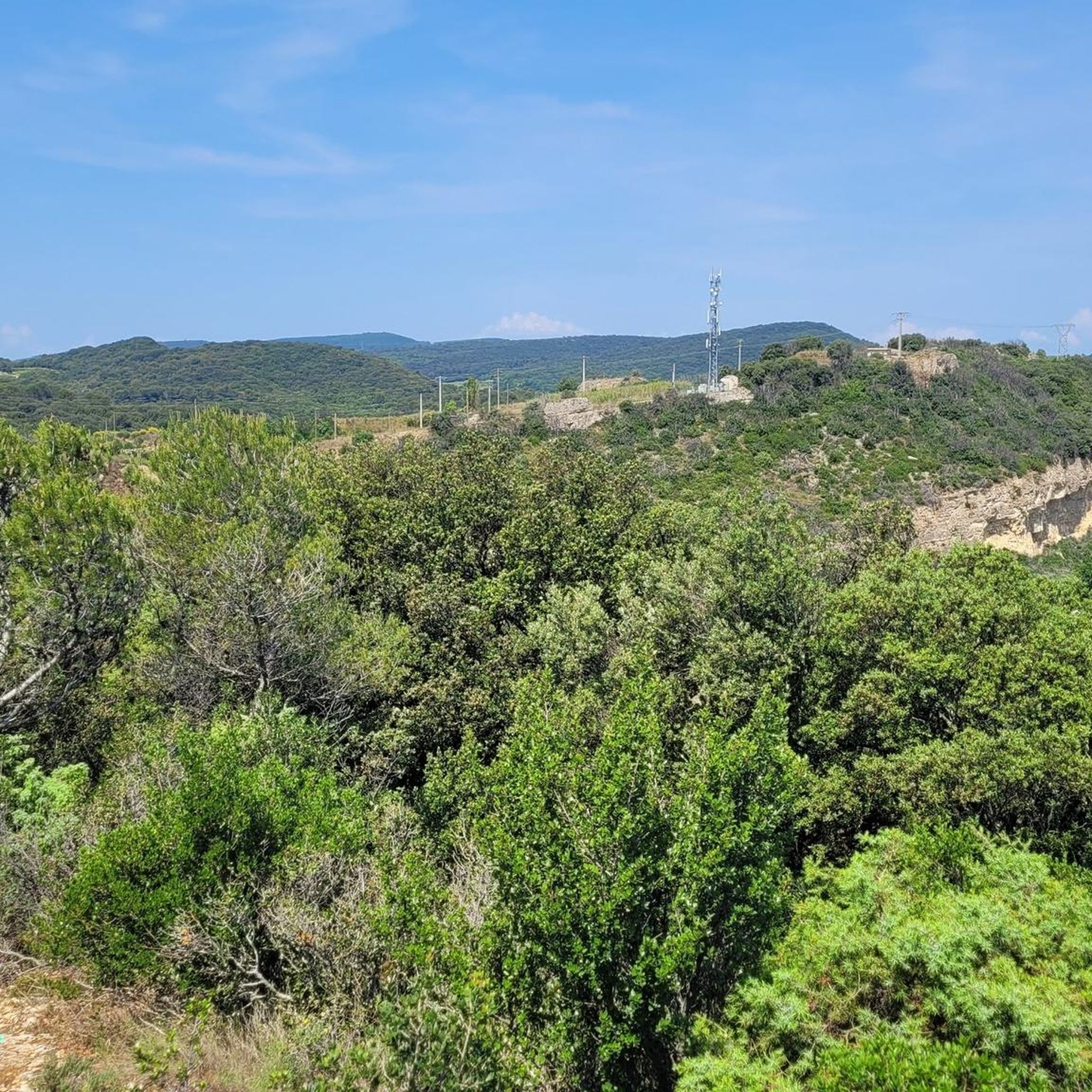
Hiking around Saint-Alexandre offers a diverse landscape characterized by rolling hills, agricultural areas, and river valleys. The region features a network of paths that traverse vineyards and rural countryside, often leading to historical points of interest. Elevation changes are generally moderate, providing accessible routes for various fitness levels.
Best hiking trails around Saint-Alexandre
- The most popular hiking route is Vénéjan – Château de Gicon loop from Vénéjan, a 5.8 miles (9.3 km) trail that takes 2 hours 40 minutes…
Last updated: October 12, 2026
4.3
(4)
15
hikers
16.3km
04:34
310m
310m
Moderate hike. Good fitness required. Easily-accessible paths. Suitable for all skill levels.
4.6
(11)
13
hikers
7.88km
02:13
170m
170m
Moderate hike. Good fitness required. Easily-accessible paths. Suitable for all skill levels.

4.5
(2)
2
hikers
11.4km
03:10
200m
200m
Moderate hike. Good fitness required. Easily-accessible paths. Suitable for all skill levels.
5.0
(1)
6
hikers
11.4km
03:13
240m
240m
Moderate hike. Good fitness required. Easily-accessible paths. Suitable for all skill levels.
7
hikers
3.87km
01:00
20m
20m
Easy hike. Great for any fitness level. Easily-accessible paths. Suitable for all skill levels.
Get access to more routes and recommendations from other explorers.
Already have an account?
Our route recommendations are based on thousands of hikes, rides, and runs completed by other people on komoot.
Start today with a free account
Your next adventure awaits.




Tips from the Community

Single on which you can let go of the brakes if you like stone 👌
0
0

The Cazernère in Pont-Saint-Esprit, also known as the Caserne des Troupes du Roy, is a historic building with a military past. Inaugurated in 1719, it served various military units, including dragoon and infantry regiments, and later the gendarmerie, for over two centuries. In the 20th century, after extensive renovation, the Cazernère became the town's administrative center and now houses cultural and social institutions. The large arched gateway at the front is a striking feature of the building.
1
0

The Caserne Pépin in Pont-Saint-Esprit, originally built in 1719 as a military barracks under the name "Cazernes du Roy," is now an important cultural and administrative center for the city. It received its current name in 1887 in honor of General Joseph Pépin, a native of Pont-Saint-Esprit. Over the centuries, the building served various military units, most recently the Gendarmerie, before finally falling vacant. Between 2012 and 2018, the approximately 7,000-square-meter site was extensively renovated and transformed into a modern, multifunctional city center. Today, the Cazerne houses over 15 municipal services, including the city administration, the municipal police, and the "Citézen" citizen service center. It also has a lot to offer culturally: with a cinema, a library, meeting rooms, and space for clubs and events, it is an important meeting place for the community. The city's new tourist information office has also been located there since 2024. The Cazerne Pépin is now considered the heart of Pont-Saint-Esprit – a successful example of the combination of history and modern urban development. The building was most recently illuminated in red in June 2025 to raise awareness of rare hereditary diseases as part of World Haemochromatosis Week. Today, the Cazerne is a symbol of the city's vibrant, communal, and forward-looking identity.
1
0
The Lavoir was built in the neoclassical style and is characterized by its monumental architecture. It features two large basins flanked by two symmetrical arcaded wings. The central building features a serliana (double round arch), and the facades are decorated with decorative elements such as heads of Neptune and tridents. The entire structure was built on weak foundations, which led to significant damage over time.
2
0
Le Lavoir in Pont-Saint-Esprit is a historic washhouse dating back to 1832. It was an important meeting place for the community and impresses with its elegant architecture and distinctive ornamentation. Between 2012 and 2015, the building was extensively restored and is now a listed monument. Today, it is a popular cultural landmark and tourist attraction in the city.
2
0

easy loop starting from Saint Nazaire towards the old road of St Alexandre
0
0

In the middle of a natural setting of choice, the small town of Vénéjan reveals a charming heritage marked by two chapels and a church. The region and the town invite you to take a beautiful bike ride.
0
0
Gicon Castle is a 12th century ruin located at an altitude of 254 metres. It offers beautiful views of the Rhone Valley. An orientation table allows you to learn more about the surrounding area.
3
1
Frequently Asked Questions
How many hiking trails are available around Saint-Alexandre?
There are over 230 hiking routes available in the Saint-Alexandre region, offering a wide variety of options for different skill levels and preferences.
What kind of terrain can I expect on hikes near Saint-Alexandre?
The region is characterized by rolling hills, agricultural areas, and river valleys. You'll often find paths traversing vineyards and rural countryside, with moderate elevation changes. Routes like the Vineyards loop from Carsan exemplify the typical landscape.
Are there easy hiking trails suitable for beginners in Saint-Alexandre?
Yes, Saint-Alexandre offers many accessible routes. There are 87 easy trails, perfect for beginners or those looking for a relaxed walk. These routes typically have gentle inclines and well-maintained paths.
Are there circular hiking routes in Saint-Alexandre?
Many of the trails in Saint-Alexandre are designed as loops, allowing you to start and end at the same point. Examples include the Hiking loop from Saint-Nazaire and the Rest area – Saint-Gervais loop from Saint-Nazaire, which are popular choices among local hikers.
Can I bring my dog on the hiking trails in Saint-Alexandre?
Generally, dogs are welcome on most hiking trails in the Saint-Alexandre region, especially in rural and vineyard areas. However, it's always advisable to keep them on a leash, particularly near livestock or in protected natural areas, and to check for specific signage on individual routes.
What are some interesting places to explore near the hiking routes?
The region is rich in natural and historical sites. You can explore the stunning Sautadet Waterfalls, visit the charming village of La Roque-sur-Cèze, or discover historical landmarks like the Château de Gicon, which is passed on the Vénéjan – Château de Gicon loop from Vénéjan.
Is parking available at the trailheads in Saint-Alexandre?
Yes, for most popular hiking routes and starting points in and around Saint-Alexandre, you will find designated parking areas. These are often located near villages or specific points of interest, making access convenient for hikers.
What is the best time of year to go hiking in Saint-Alexandre?
Spring (April-June) and autumn (September-October) are ideal for hiking in Saint-Alexandre, offering pleasant temperatures and beautiful scenery, especially with the changing colors of the vineyards. Summer can be hot, so early morning or late afternoon hikes are recommended during July and August.
Are there options for winter hiking in Saint-Alexandre?
Winter hiking is possible in Saint-Alexandre, as the climate is generally mild. The trails remain accessible, and you can enjoy the quiet, crisp air and unique winter landscapes. Always check local weather conditions before heading out.
Are the hiking trails around Saint-Alexandre suitable for families with children?
Many trails in Saint-Alexandre are suitable for families, particularly the easier routes with moderate distances and minimal elevation gain. The varied landscapes, including vineyards and river paths, offer engaging scenery for younger hikers.
What do other hikers say about the trails in Saint-Alexandre?
The trails in Saint-Alexandre are highly rated by the komoot community, with an average score of 4.5 stars from over 1000 reviews. Hikers often praise the diverse landscapes, well-maintained paths, and the opportunity to explore both natural beauty and historical sites.
Are hiking permits required in Saint-Alexandre?
No, hiking permits are generally not required for the trails around Saint-Alexandre. The paths are publicly accessible, allowing hikers to explore the region freely.
Most popular routes around Saint-Alexandre
Most popular attractions around Saint-Alexandre

Get inspired with the komoot mobile app


Explore more
Browse the best Hikes in other regions.
