The best cycling routes around Friesen
4.5
(253)
2,246
riders
201
rides
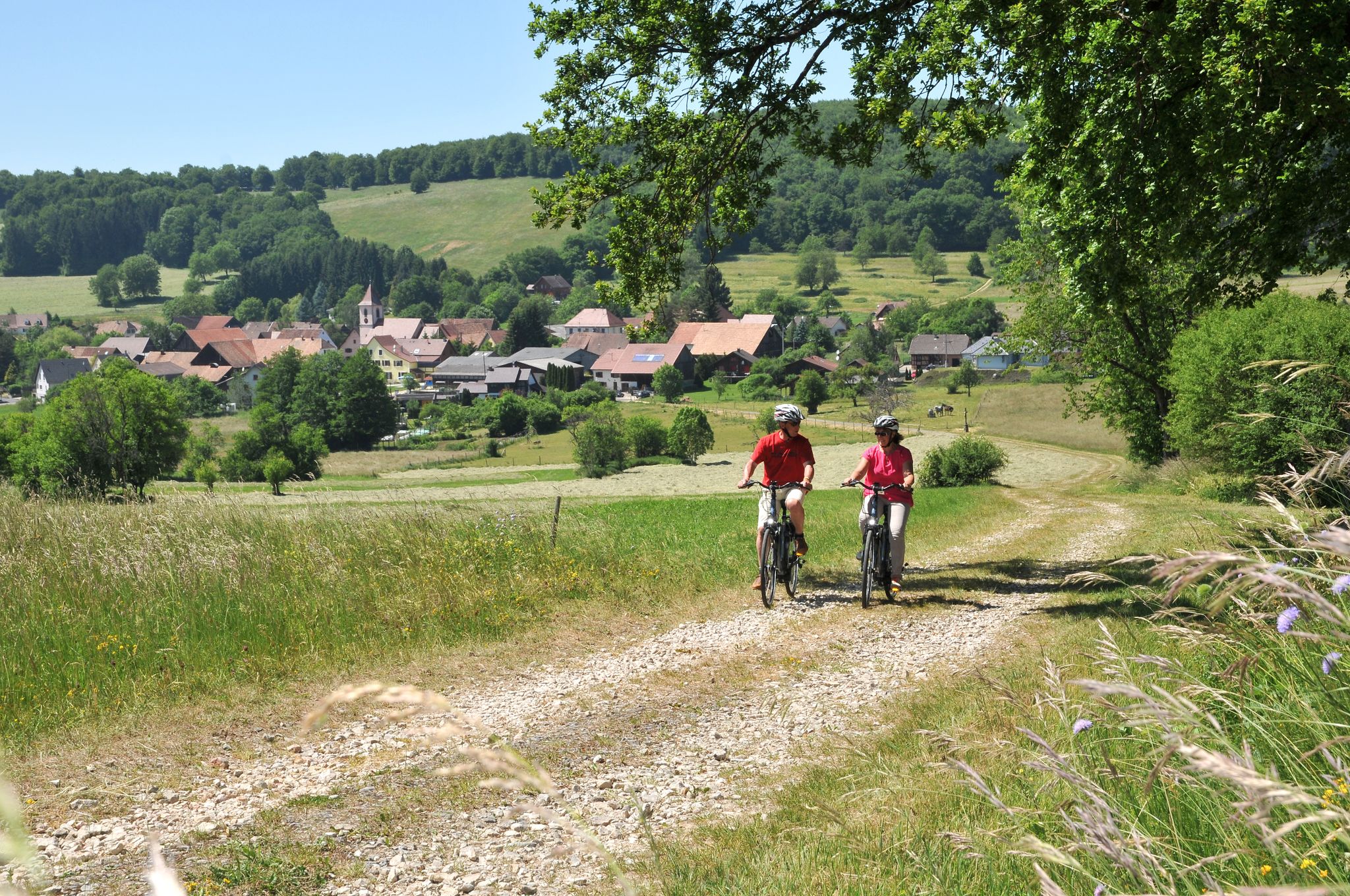
Touring cycling routes around Friesen are characterized by a predominantly flat terrain, making them accessible for various skill levels. The region features an intricate network of canals, expansive lakes, and open farmlands, interspersed with woods and heathlands. Cyclists will encounter diverse scenery including marshes, crop fields, and pastures, often crossing numerous wooden bridges. The landscape also includes impressive sea dikes along the Wadden coast and picturesque villages.
Best touring cycling routes around Friesen
- The most popular touring cycling route is…
Last updated: October 18, 2026
11
riders
28.8km
02:25
350m
350m
Moderate bike ride. Good fitness required. Mostly paved surfaces. Suitable for all skill levels.
13
riders
28.8km
01:49
310m
310m
Moderate bike ride. Good fitness required. Mostly paved surfaces. Suitable for all skill levels.

5.0
(4)
45
riders
20.7km
01:11
80m
80m
Easy bike ride. Great for any fitness level. Mostly paved surfaces. Suitable for all skill levels.
5.0
(1)
5
riders
32.4km
01:57
230m
230m
Moderate bike ride. Good fitness required. Mostly paved surfaces. Suitable for all skill levels.
5.0
(1)
8
riders
31.1km
01:55
250m
250m
Hard bike ride. Good fitness required. You may need to push your bike for some segments of this route.
Get access to more routes and recommendations from other explorers.
Already have an account?
Our route recommendations are based on thousands of hikes, rides, and runs completed by other people on komoot.
Start today with a free account
Your next adventure awaits.


Tips from the Community

Carspach – Front village and Kilian tunnel Carspach is located immediately west of Altkirch and became a front village during World War I. As early as September 26, 1914, German trenches ran from north to south through the municipality, while French positions were located to its west. The front remained here until the end of the war. The proximity to the combat positions made life increasingly dangerous for the civilian population. On December 15, 1915, the entire population was evacuated. The inhabitants were first taken on foot to Zillisheim and then by special trains to other parts of Alsace. They could only return after the armistice of November 11, 1918. In total, the war claimed 37 military and 10 civilian victims from Carspach. In 1922, the municipality was awarded the Croix de guerre with palm. Particularly significant is the Kilian tunnel on the Lerchenberg. The German underground shelter tunnel was built in 1915/16 directly behind the front line. The approximately 150-meter-long facility could theoretically accommodate around 500 soldiers and served as protection against French artillery fire. On March 18, 1918, the tunnel was partially buried by French artillery fire. Numerous German soldiers lost their lives in the process; 21 buried soldiers were only recovered during the archaeological excavation in 2011. The excavation made the Kilian tunnel an important archaeological testament to World War I. In addition to human remains, equipment and numerous everyday objects were found, providing an unusually detailed insight into the lives of soldiers in the underground trench system. Carspach thus connects front-line history, the civilian population, and modern war archaeology. The Kilian tunnel and the preserved fortification remnants make the former front landscape visible to this day. Particularly worth seeing: Monument Kilian tunnel and the preserved German and French fortifications.
0
0
The Dreiländerstein from 1871 stands in the area near Largitzen/Pfetterhouse and commemorates the then border between France, Germany and Switzerland after the Franco-Prussian War and the annexation of Alsace-Lorraine by the German Empire.
0
0

Beautiful cycle path here we are still on the EV6
0
0

Beautiful half-timbered houses. Few public benches. Those in front of the church and in the adjacent playground are not sheltered from the wind. If you have a picnic area to recommend, go for it, thank you.
0
0

The original church of the lower village parish was dedicated to the Virgin Mary and then to Saint Anthony the Hermit, but in 1842, Father Acker established Saint Geron as the main patron saint. In 1802, the two parishes of Pfetterhouse were united, and there was only one church. The current bell tower was built in 1900 by the architect Alexandre Louvat from Mulhouse. The old furnishings were gradually replaced. This church is the only one in Alsace to have Saint Geron as its patron saint.
1
0

No idea why I didn't write anything about this...🤔😅
0
1
Interesting railway viaduct.
0
1
Restaurant in Dannemarie on EV6.
0
0
Frequently Asked Questions
How many touring cycling routes are available in Friesen?
Friesen offers a wide selection of touring cycling routes, with over 200 options available. These routes cater to various preferences, including easy, moderate, and more challenging rides.
What kind of terrain can I expect on touring cycling routes in Friesen?
The touring cycling routes in Friesen are predominantly flat, making them accessible for cyclists of all levels. You'll traverse diverse environments, including serene canals, expansive lakes, and open farmlands. The landscape also features woods, heathlands, dunes, and impressive sea dikes along the Wadden coast, offering varied scenery of marshes, crop fields, and pastures.
Are there any easy touring cycling routes suitable for beginners in Friesen?
Yes, Friesen has a good selection of easy touring cycling routes. For instance, the Maison de la Nature du Sundgau – The Sundgau ponds loop from Strueth is an easy 15.8-mile (25.5 km) trail that offers pleasant views of the Sundgau ponds.
What are some popular attractions or landmarks to see while cycling in Friesen?
While cycling in Friesen, you can explore various points of interest. Notable attractions include the Port of Dannemarie and the Three Powers Boundary Stone. The region is also known for its numerous wooden bridges and intricate network of canals.
Are there any circular touring cycling routes in Friesen?
Many touring cycling routes in Friesen are designed as loops, allowing you to start and end at the same point. An example is the Uberstrass Water Wheel – Former Hirtzbach station loop from Ueberstrass, a moderate 17.9-mile (28.8 km) path that winds through varied landscapes.
What do other touring cyclists say about the routes in Friesen?
The touring cycling routes in Friesen are highly rated by the komoot community, with an average score of 4.6 stars from over 240 reviews. Cyclists often praise the well-maintained paths and the diverse, picturesque landscapes, from tranquil canals to open farmlands and historic villages.
Are there any routes that pass by lakes or water features in Friesen?
Friesen is characterized by its extensive network of canals and lakes. Many routes, such as The Sundgau ponds – Port of Dannemarie loop from Strueth, lead through areas with significant water features like the Sundgau ponds. You can also find highlights like Étangs de Bonfol and Pond and Cabin between Fulleren and Carspach.
What is the best season for touring cycling in Friesen?
Friesen's flat terrain and varied landscapes make it enjoyable for cycling across multiple seasons. Spring and summer offer pleasant weather for exploring the canals and open farmlands, while autumn provides beautiful scenery. Always check local weather conditions before heading out.
Are there any routes that offer good viewpoints in Friesen?
While Friesen is largely flat, many routes offer scenic vistas of the unique landscape, including expansive farmlands, canals, and picturesque villages. The View of the Dannemarie Viaduct – The ponds of the Sundgau loop from Strueth is an easy route that provides a specific viewpoint.
How well-developed is the cycling infrastructure in Friesen?
Friesen boasts an excellent cycling infrastructure, recognized as a top cycling province. It features an impressive 2,750 kilometers of well-maintained cycling paths with clear signposting, alongside robust support for e-bikes, ensuring a smooth and enjoyable experience for touring cyclists.
Can I find routes that are less crowded in Friesen?
While some iconic routes like the Elfstedentocht can be popular, Friesen's extensive network of over 200 routes means there are many opportunities to find quieter paths. Exploring routes slightly off the main tourist trails or cycling during off-peak hours can lead to a more serene experience.
Are there any routes that connect to historic towns or villages?
Friesen is home to numerous historic towns and villages, and many cycling routes are designed to connect them. The iconic Elfstedentocht, for example, links eleven historic Frisian towns, each with its own unique charm and history, such as Sneek and Harlingen.
Most popular attractions around Friesen

Get inspired with the komoot mobile app


Explore more
Browse the best Cycling routes in other regions.
