Attractions and Places To See around Causse-Bégon - Top 20
Best attractions and places to see around Causse-Bégon include a variety of natural features and historical sites within the Gard department of France's Occitanie region. This small rural commune is part of the Cévennes, featuring a protected Natura 2000 site and unique ecological zones. The area is characterized by the Causse Bégon Plateau, a limestone landscape with open terrain that contrasts with surrounding gorges. Visitors can explore ancient landmarks and experience traditional agricultural life.
Best attractions and places to see…
Last updated: October 10, 2026
Cantobre, perched village
Highlight • Viewpoint
Translated by Google •
Tip by

Le Roc Nantais
Highlight • Natural Monument
Translated by Google •
Tip by

Sign up now to discover places like this
Get recommendations on the best single tracks, peaks, & plenty of other exciting outdoor places.
Nant
Highlight • Settlement
Translated by Google •
Tip by

Nant
Highlight • Settlement
Showing Translation
Tip by

Saint-Sauveur-des-Pourcils Church
Highlight • Religious Site
Translated by Google •
Tip by

Sign up for free to discover even more attractions around Causse-Bégon.
Already have an account?
Start today with a free account
Your next adventure awaits.

Tips from the Community

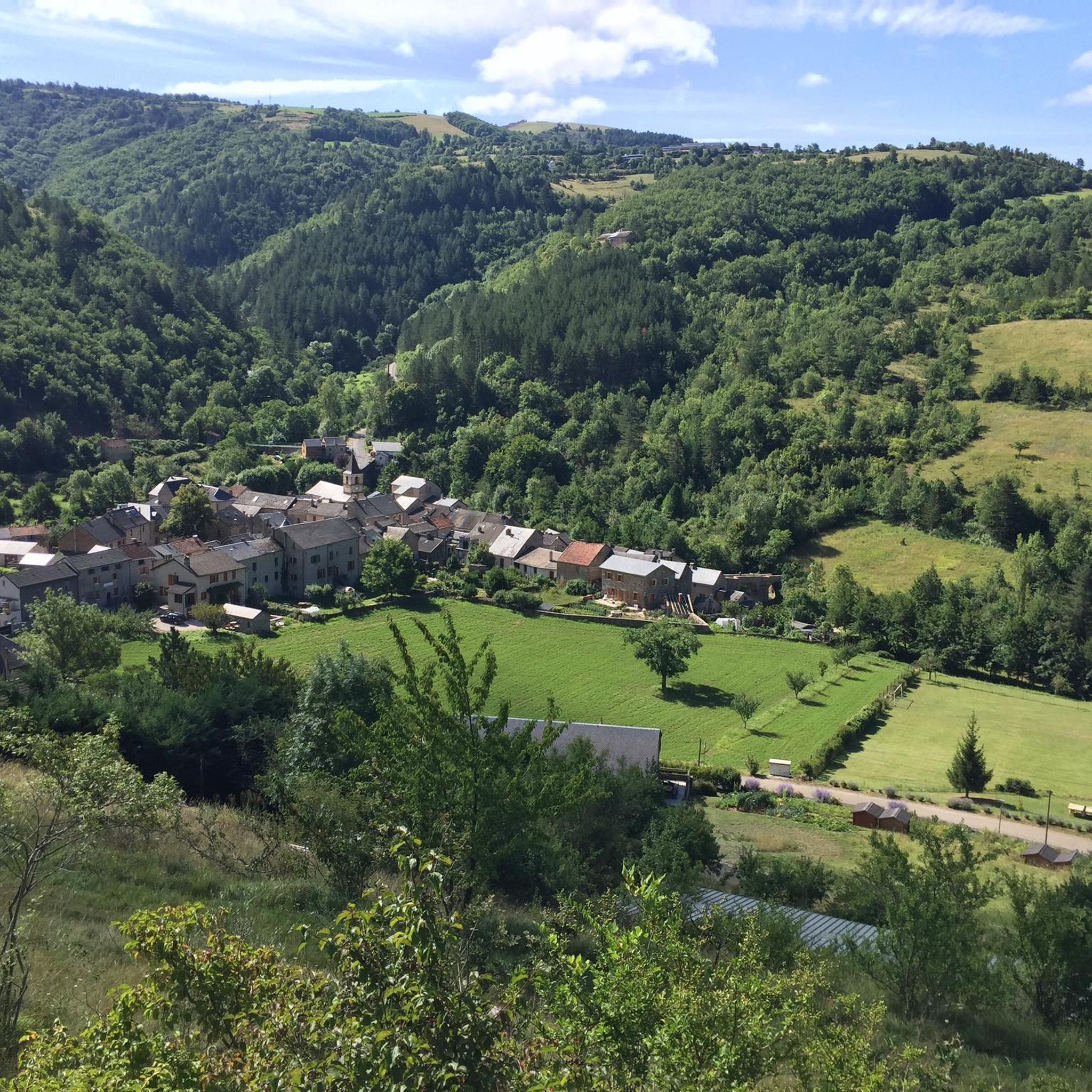
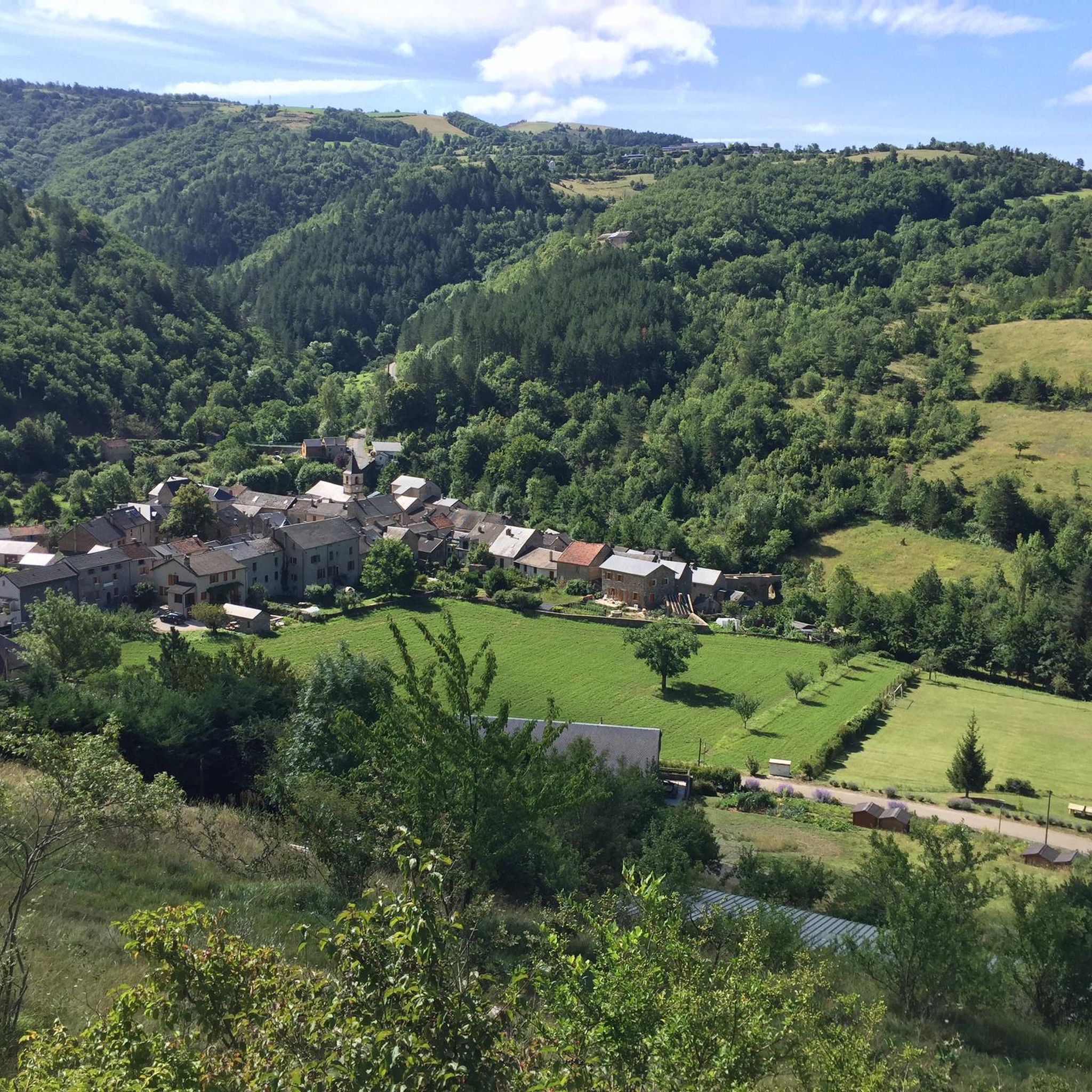
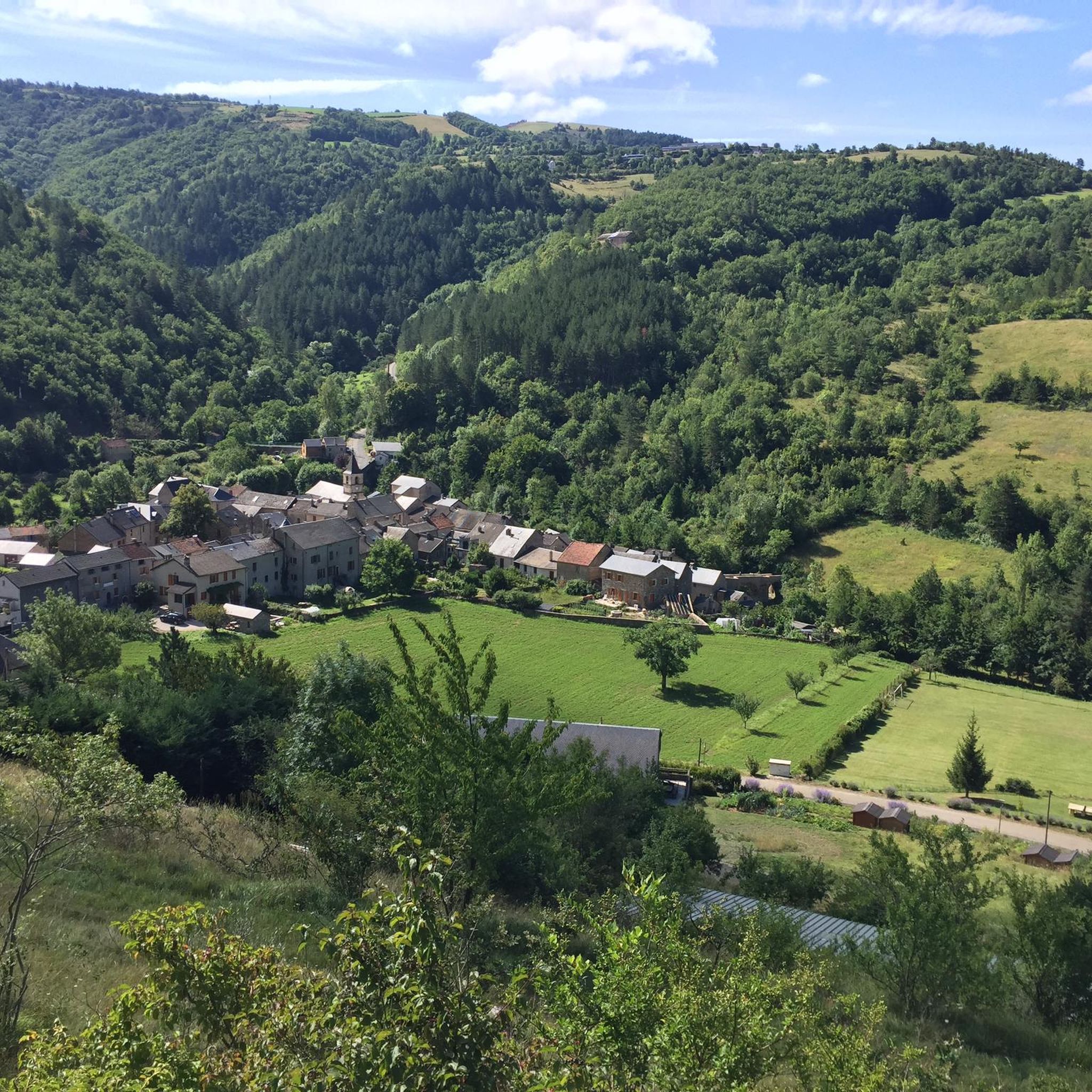
This small town in Aveyron is located in the middle valley of the Dourbie. It is especially famous for its architectural heritage with no less than seven buildings protected as historic buildings. For nature lovers, know that this small town is nestled in the middle of several areas protected by the Natura 2000 label which reinforces the regulations of the Grands Causses regional natural park on targeted sensitive areas.
1
0

The existence of the village dates back to the installation of the Benedictine monastery in the year 926. Installed on a Roman road, it has prospered over the centuries thanks to the presence of the Durzon and Dourbie rivers which cross the municipality.
1
0

The Roc Nantais is a rock in the shape of a monumental tower dominating the Dourbie at 808m. It obviously offers a magnificent viewpoint from which to admire the Larzac and the foothills of the Cévennes (on the left), the St-Alban (opposite) and the Causse des Cuns (on the right).
1
0

Large face of stone firmly anchored in the Causse Bégon, as if it sheltered a giant whose only head would be visible. A nice climb to reach the top of the rock, but it would be a shame to miss the breathtaking view of the valley and the village of Nant. It is a real must in the region, the climb is worth it! There are several access paths, more or less difficult depending on the desire and the level, and the ascent can also be done from Cantobre or from Saint-Jean-du-Bruel.
0
0

The church of Saint Sauveur des Pourcils is located in the town of the same name. This large agricultural area has only a few buildings and its old medieval church. Destroyed by the Protestants and by the wear and tear of time, it was rebuilt in the 19th century.
1
1
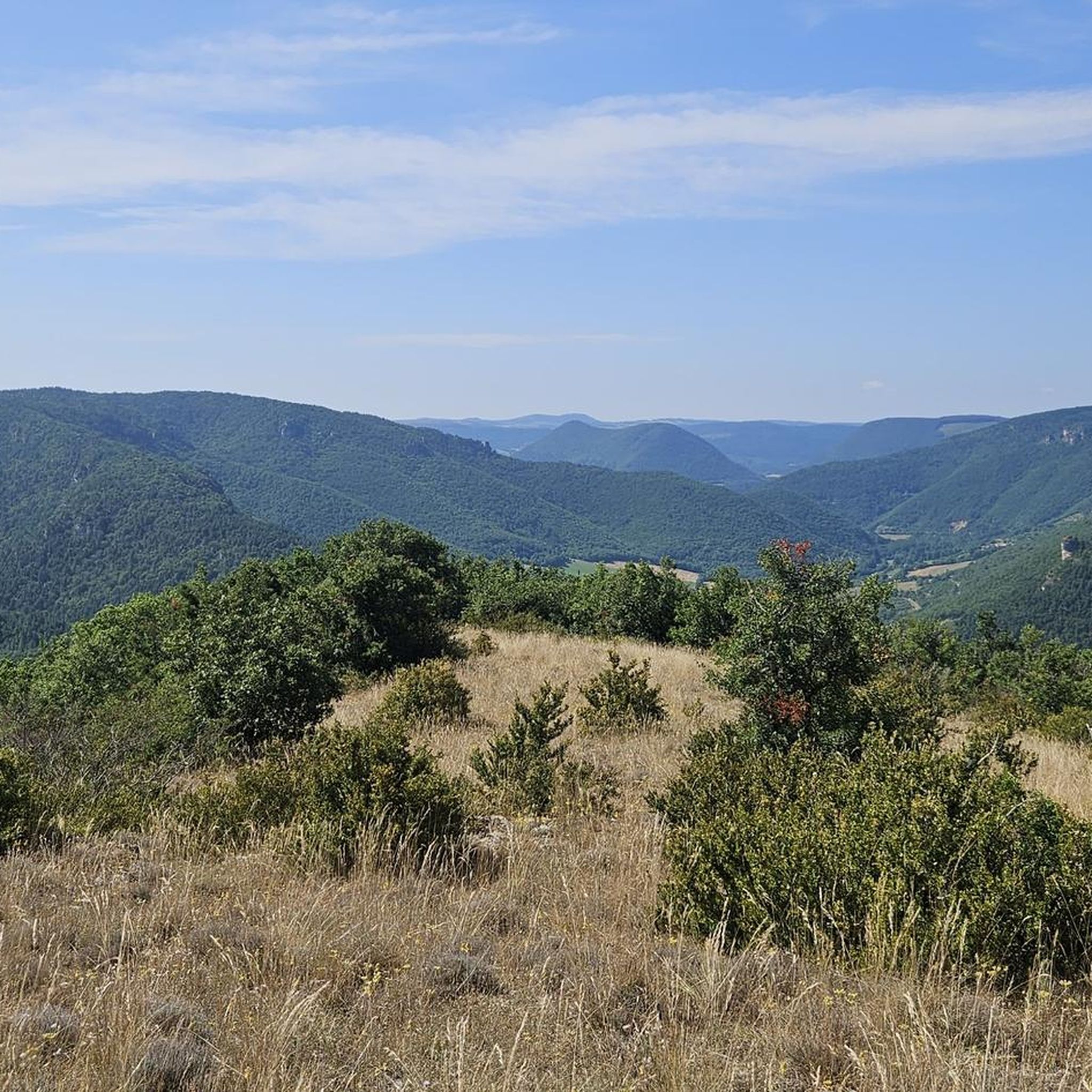
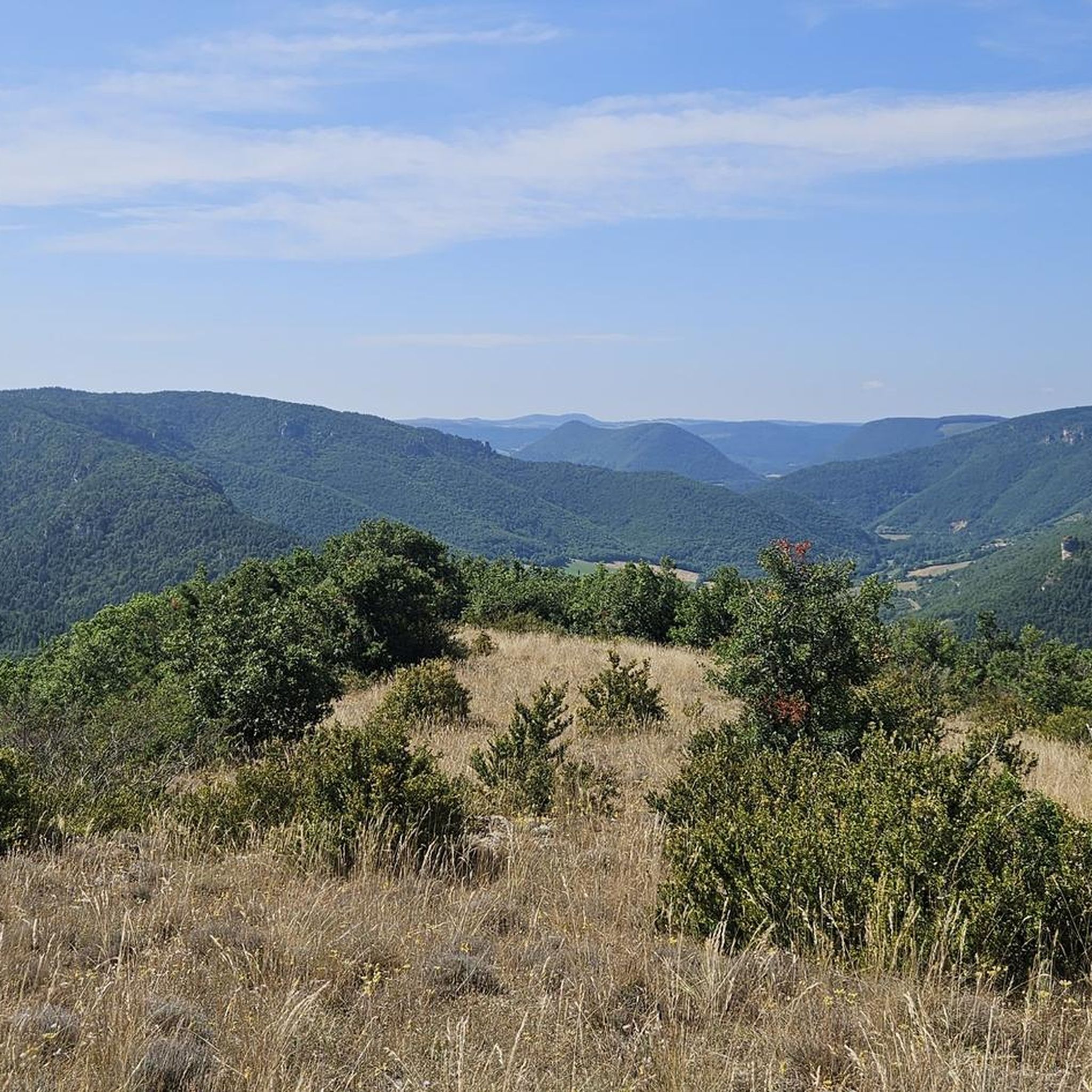
Magnificent hilltop village with breathtaking views over the valley.
0
0

Frequently Asked Questions
What natural features can I explore around Causse-Bégon?
Causse-Bégon is named after the unique Causse Bégon Plateau, characterized by its open, rolling terrain, moors, and dry stones. You can also enjoy breathtaking views of the Gorges de la Dourbie and the spectacular incised high limestone walls of the Gorges du Trévezel. For a prominent natural monument, visit Le Roc Nantais, which offers magnificent views of the Larzac and the Cévennes foothills.
Are there historical or cultural sites to visit in Causse-Bégon?
Yes, the region is rich in history. You can discover the significant megalithic site of Le Tombeau du Géant (The Giant's Tomb), accessible via a walking loop. Remnants of past industrial activity can be seen at the Fours à Calamine (Calamine Kilns) along scenic trails. Additionally, Saint-Sauveur-des-Pourcils Church is a notable historical religious building.
What kind of outdoor activities can I do near Causse-Bégon?
The area around Causse-Bégon is excellent for various outdoor activities. You can find numerous trails for hiking, running, and mountain biking. For example, there are moderate hiking routes like the Canayère Loop Trail, and challenging running trails such as the Saint-Jean-du-Bruel Village loop. Explore more options on the Hiking around Causse-Bégon, Running Trails around Causse-Bégon, and MTB Trails around Causse-Bégon guide pages.
Are there any family-friendly attractions or activities?
While many outdoor trails are suitable for families, the settlement of Nant is considered family-friendly. This historic village, with its Benedictine monastery dating back to 926, offers a pleasant environment to explore. The region's traditional agriculture, with approximately 2,500 sheep raised for Roquefort cheese, can also be an interesting cultural experience for families.
What do visitors enjoy most about the attractions around Causse-Bégon?
Visitors particularly appreciate the stunning views and unique historical settings. The village of Cantobre, perched village, is loved for its magnificent location on a mountain spur, offering breathtaking views over the valley and its lovingly renovated buildings. Le Roc Nantais is also highly rated for its monumental rock formation and the panoramic vistas it provides of the surrounding landscapes.
Where can I find traditional agricultural experiences in the area?
Causse-Bégon is an agricultural village known for its sheep farming, primarily for producing milk for Roquefort cheese. You might have the opportunity to taste local sheep cheese, connecting directly with the region's culinary heritage. The old sheepfold, La Jasse de la Baumelle, is also worth a stop for its historical and cultural significance in reflecting these traditions.
What are some notable villages or settlements to visit near Causse-Bégon?
Beyond Causse-Bégon itself, the nearby village of Nant is a must-see. Its existence dates back to a Benedictine monastery in 926, and it prospered due to the Durzon and Dourbie rivers. It's known for its architectural heritage and is nestled within Natura 2000 protected areas. Another highly recommended village is Cantobre, perched village, renowned for its unique location and historical charm.
Are there any viewpoints offering panoramic scenery?
Absolutely. The Causse Bégon Plateau itself offers majestic landscapes where you can 'breathe, see wide and far'. For specific viewpoints, Cantobre, perched village, provides breathtaking views over the valley. Additionally, Le Roc Nantais is a natural monument that serves as an excellent viewpoint to admire the Larzac and the foothills of the Cévennes.
What is the best time of year to visit Causse-Bégon for outdoor activities?
While specific data isn't provided, the region's limestone plateaus and gorges suggest that spring and autumn would be ideal for hiking and exploring, offering pleasant temperatures and vibrant natural scenery. Summers can be warm, making early mornings or late afternoons preferable for activities. Winters might offer a different, quieter experience, but some trails could be more challenging.
Are there any unique geological formations in the area?
Yes, the region is characterized by its 'causse' (limestone plateau) geology. The Causse Bégon Plateau itself is a unique geological feature. The Gorges de la Dourbie and Gorges du Trévezel showcase spectacular incised high limestone walls. Le Roc Nantais is a prominent rock formation shaped like a monumental tower, dominating the Dourbie valley.
Can I find information about the local ecosystem and protected areas?
Causse-Bégon is part of the Cévennes and includes a protected Natura 2000 site, as well as two natural zones of ecological, faunistic, and floristic interest. This indicates a rich and protected biodiversity. The Gorges de la Dourbie are also part of this larger Natura 2000 protected area, highlighting the region's commitment to preserving its natural environment.
Are there any easy hiking trails suitable for beginners or casual walkers?
Yes, among the hiking routes available, you can find easier options. For instance, the 'St Jean du Bruel – Our Lady of the Sentinel loop from Saint-Jean-du-Bruel' is listed as an easy hike. You can explore more options and details on the Hiking around Causse-Bégon guide page.
Most popular routes around Causse-Bégon

Get inspired with the komoot mobile app


Explore more
Still not found the Highlight you’re looking for? See guides of the top attractions in other regions:
