Attractions and Places To See around Saint-Bresson - Top 20
Best attractions and places to see around Saint-Bresson include a variety of natural and historical sites. This area, located on the southern edge of the Cévennes mountains, features a landscape of valleys and plateaus. Visitors can explore medieval village architecture and significant natural formations. The region offers access to diverse outdoor experiences.
Best attractions and places to see around Saint-Bresson
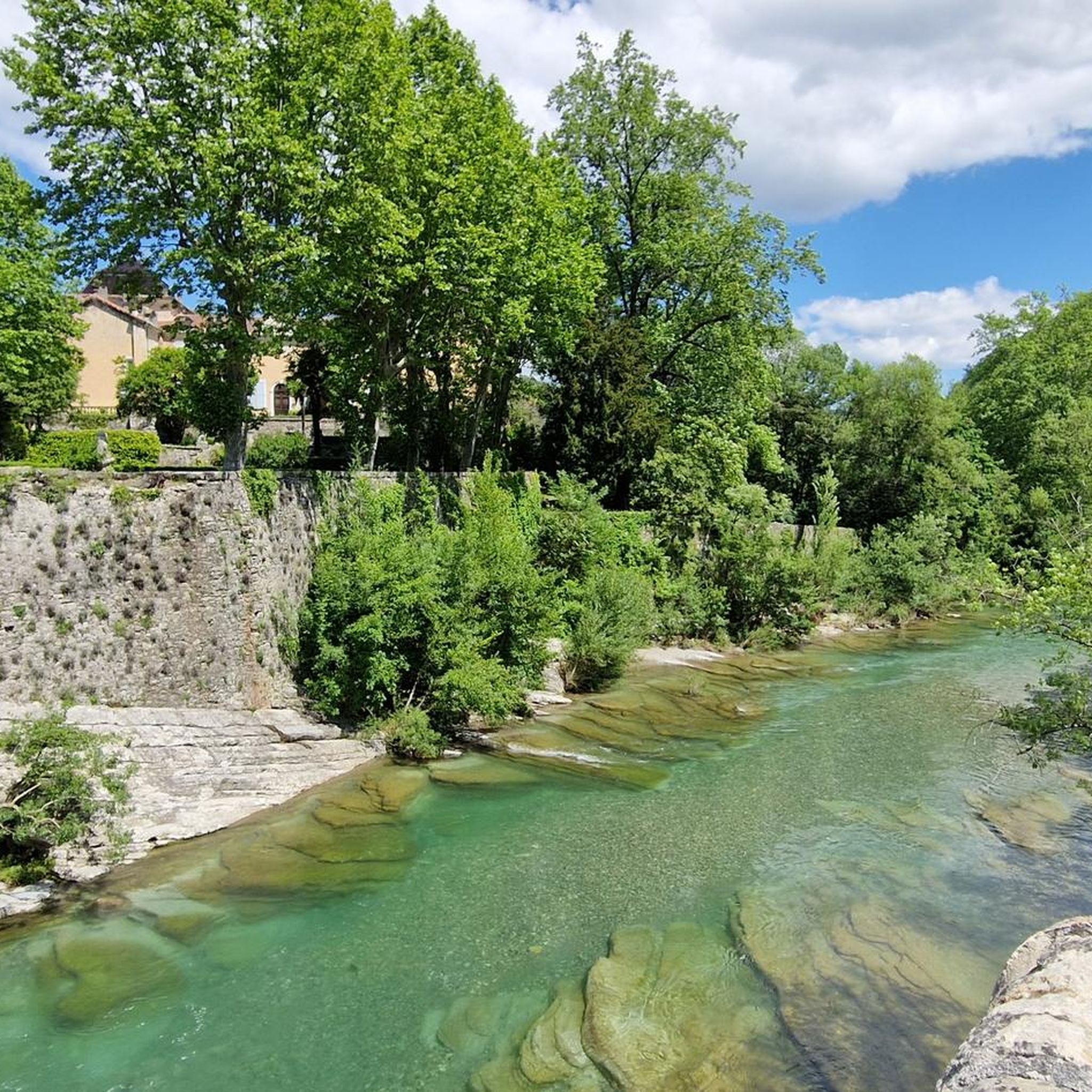
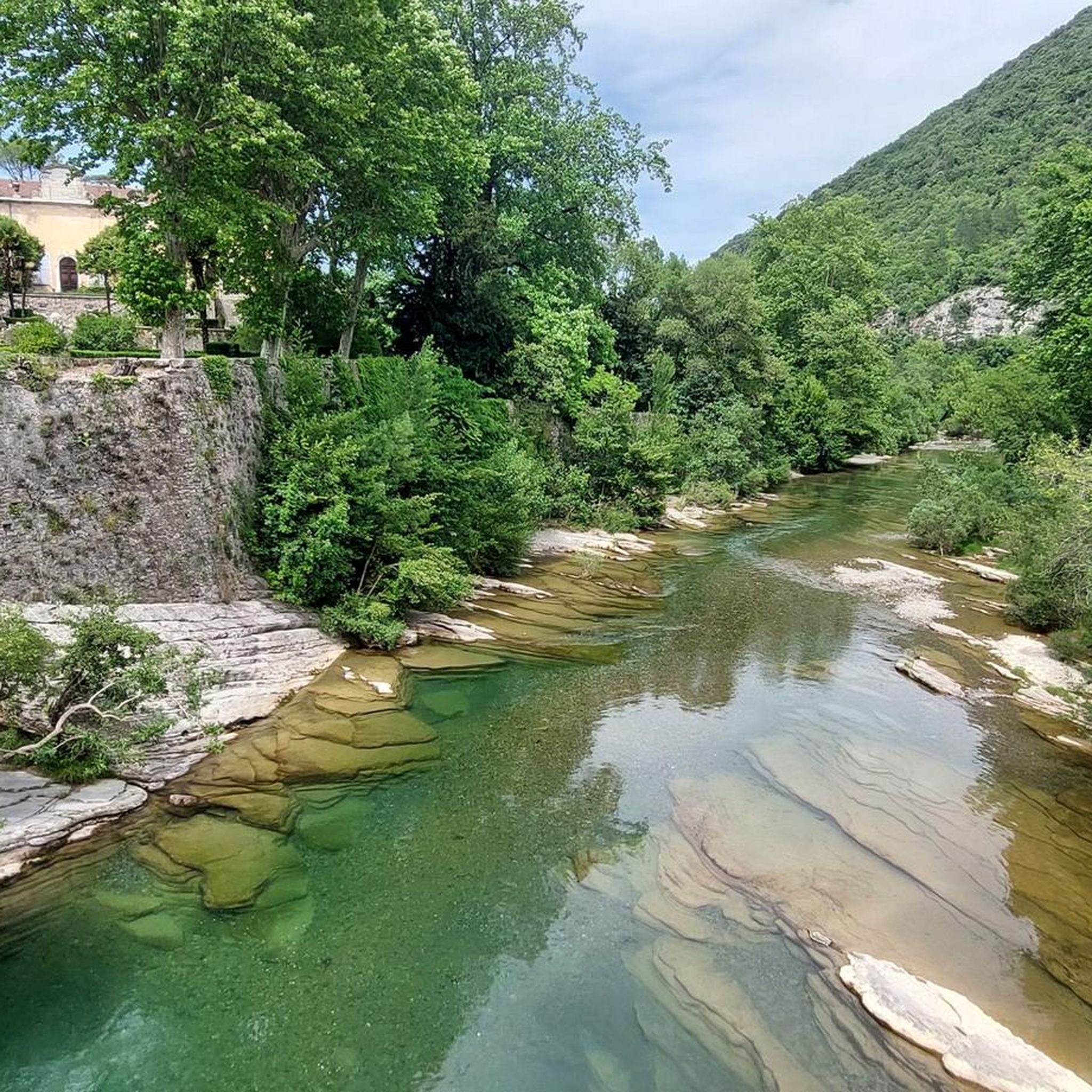
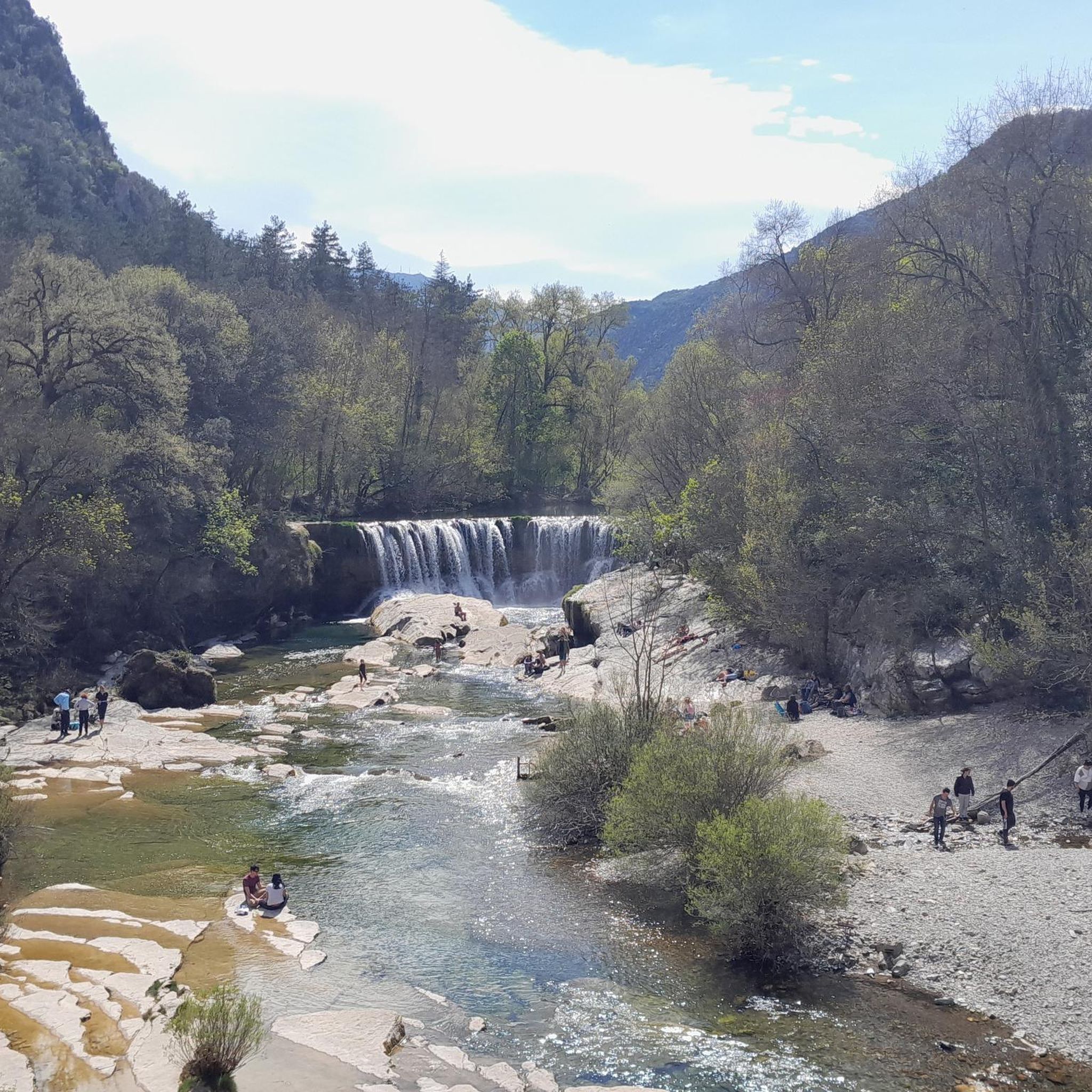
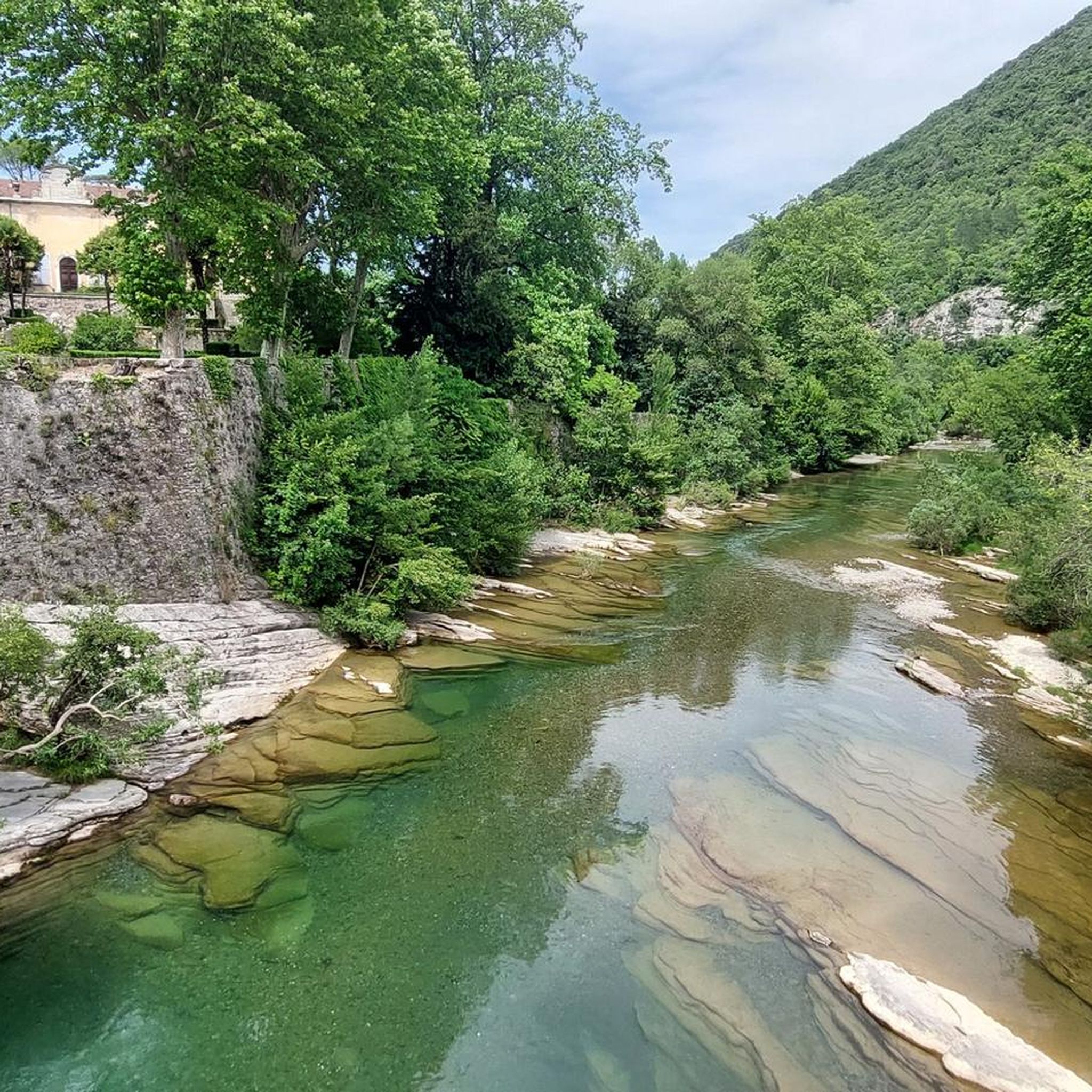
- The most popular attractions is La Vis Waterfall, a waterfall that is a bathing spot with terraced rocks. This…
Last updated: October 10, 2026
La Vis Waterfall
Highlight • Waterfall
Translated by Google •
Tip by

Montdardier Castle
Highlight • Castle
Even more precious is the water this village harbors, a true treasure on these arid limestone plateaus. This town …
Translated by Google •
Tip by

Sign up now to discover places like this
Get recommendations on the best single tracks, peaks, & plenty of other exciting outdoor places.
Anjeau Cave
Highlight • Cave
Translated by Google •
Tip by

Le Vigan
Highlight • Settlement
It's a geographical frontier at the …
Translated by Google •
Tip by
Lavassac Viaduct
Highlight • Bridge
Translated by Google •
Tip by

Sign up for free to discover even more attractions around Saint-Bresson.
Already have an account?
Start today with a free account
Your next adventure awaits.
Tips from the Community

This viaduct is a perfect example of the many structures that make up the La Cévenol Greenway. Indeed, it follows the old railway line that crossed the Cévennes mountains.
0
0

A spectacular entrance! The interior is rich in concretion. The cave is blackened by the fires of yesteryear, and by different minerals. A few ropes, or you have to be equipped! I was able to climb as a caver, it's not bad, especially at the entrance on the right, which opens onto a balcony, at the top of the cavity! DO NOT VENTURE THERE WITHOUT EQUIPMENT, it's VERY DANGEROUS! A few beautiful gours in passing. Too bad this cavity is so busy, some have no respect for anything, which degrades the authentic appearance of this beautiful cavity.
1
0


Excellent 👌, easy to access and really great
1
0

Montdardier, whose name means "desired mountain," contains deposits of precious minerals. Even more precious is the water this village harbors, a true treasure on these arid limestone plateaus. This town is also located on an ancient Roman road between Le Vigan and Lodève. It was once an important crossroads for trade between the Cévennes and the Causses. Montdardier Castle is an eye-catcher in this relatively flat landscape, rising above the town. This fortress, built in the 12th century, has been sacked many times and partially destroyed. It was the French architect Eugène Viollet-le-Duc who restored it in 1860.
0
0
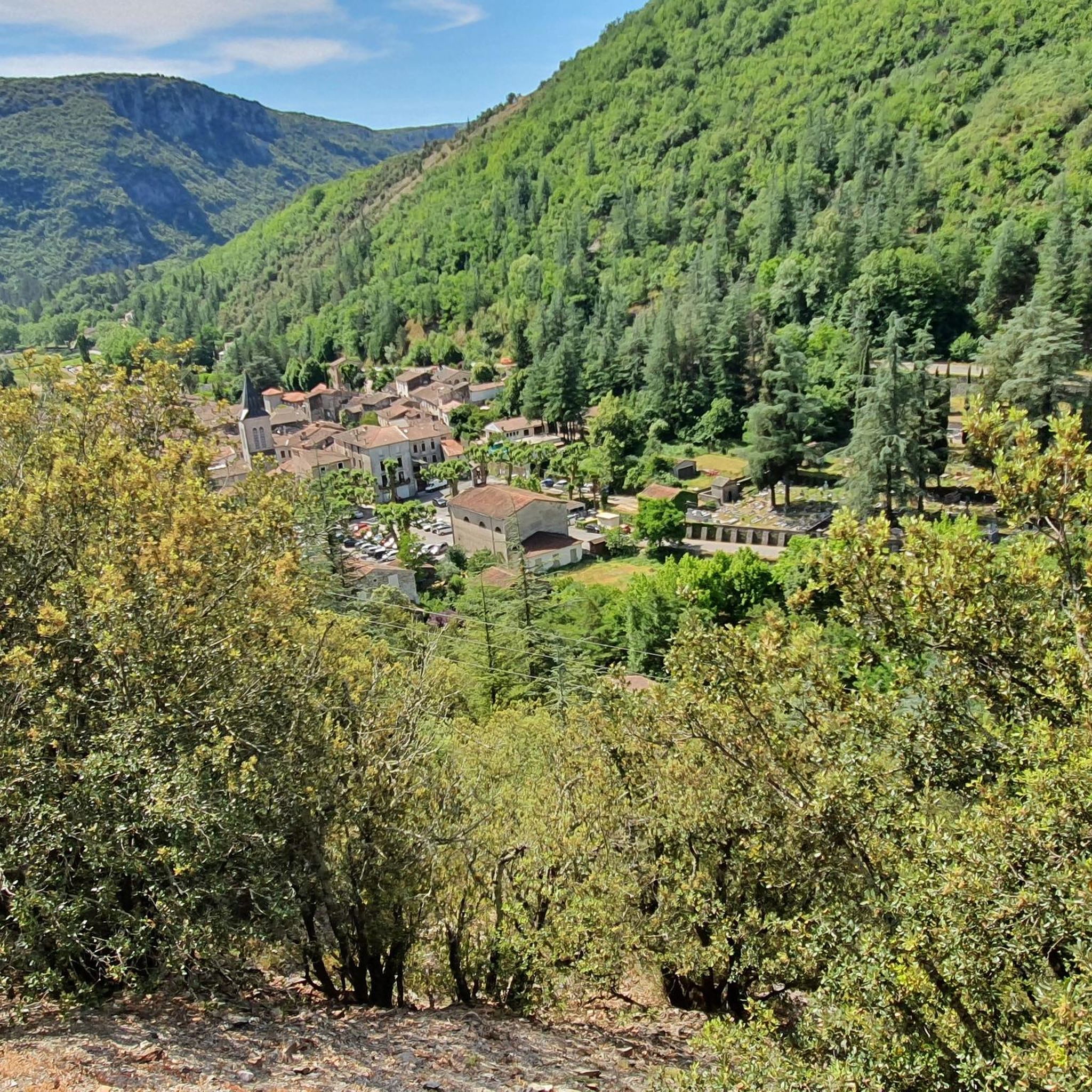
Although located in the Cévennes, the small town of Le Vigan forms a sort of junction between the Massif Central and the Mediterranean world. It's a geographical frontier at the crossroads of different climates and cultures. It is quite isolated compared to the nearest major cities, such as Alès or Nîmes. It is fed by three rivers, the main one being the Arre. A spring supplies the town with water, which, in these relatively dry regions, is an undeniable asset. The town center is very pleasant.
4
0

Take the time to cross the village of St Laurent and climb to St Bresson, then switch to Le Vigan
1
0
Frequently Asked Questions
What are some must-see natural attractions near Saint-Bresson?
The region boasts several stunning natural sites. Don't miss La Vis Waterfall, a beautiful U-shaped waterfall and popular bathing spot. You can also explore the spectacular entrance of Anjeau Cave, known for its rich concretions. Beyond these, the dramatic Cirque de Navacelles and the Gorges de l'Herault are nearby natural wonders.
Are there any historical sites or cultural landmarks to visit?
Yes, the area is rich in history. The village of Saint-Bresson itself features ancient stone houses and traditional architecture. You can visit Montdardier Castle, a 12th-century fortress that was restored in 1860. The nearby town of Le Vigan also offers a pleasant town center with historical significance as a crossroads between the Massif Central and the Mediterranean. Additionally, the region is home to several 'Most Beautiful Villages of France' like Saint-Guilhem-le-Désert and La Couvertoirade.
What outdoor activities can I do around Saint-Bresson?
Saint-Bresson is an excellent base for outdoor adventures. You can enjoy hiking, road cycling, and gravel biking. For hiking, explore routes like the 'Chapelle de la Clastre Loop from Roquedur' or the 'Montdardier Castle – Anjeau Cave loop from Saint-Laurent-le-Minier'. Cyclists can tackle challenging routes such as the 'Lusette Pass – Mont Aigoual loop'. Find more details and routes on the dedicated guides for Hiking around Saint-Bresson, Road Cycling Routes around Saint-Bresson, and Gravel biking around Saint-Bresson.
Are there family-friendly attractions in the area?
Absolutely! La Vis Waterfall is a fantastic spot for families, offering a scenic setting for bathing. The Viaduc de la Voie verte La Cévenol, part of a greenway, is also family-friendly and perfect for walks or bike rides. The town of Le Vigan, with its pleasant town center, is also suitable for family visits.
Where can I go for wild swimming near Saint-Bresson?
The most popular spot for wild swimming is La Vis Waterfall. It's known for its U-shaped waterfall and terraced rocks, providing a refreshing and picturesque bathing experience. The region research also mentions Cascade de la Vis as a popular bathing spot near St.-Laurent-le-Minier.
What is the best time of year to visit Saint-Bresson?
Given its location on the southern edge of the Cévennes mountains and proximity to the Mediterranean, spring and autumn generally offer the most pleasant weather for exploring. These seasons provide comfortable temperatures for hiking and outdoor activities, avoiding the peak heat of summer while still enjoying the natural beauty. Summer is ideal for swimming at spots like La Vis Waterfall.
Are there any notable bridges or viaducts to see?
Yes, the Viaduc de la Voie verte La Cévenol is a significant structure. This viaduct is part of the La Cévenol Greenway, which follows an old railway line through the Cévennes mountains, offering scenic views and a great path for cycling or walking.
What do visitors particularly enjoy about the attractions around Saint-Bresson?
Visitors frequently praise the natural beauty and tranquility of the area. For instance, La Vis Waterfall is highly regarded as a dream bathing place and a scenic spot. The historical significance of sites like Montdardier Castle and the charm of Le Vigan are also much appreciated. The community has shared over 71 photos and given over 100 upvotes to the attractions, highlighting their appeal.
Can I find any caves or underground formations in the vicinity?
Yes, the region is known for its impressive underground formations. Besides Anjeau Cave with its spectacular entrance and rich concretions, you can also explore other notable caves and chasms such as Grotte des Demoiselles, Abîme de Bramabiau, Grotte de la Clamouse, and Aven Armand.
What is the significance of Saint-Bresson itself?
Saint-Bresson is a medieval village nestled on the southern edge of the Cévennes mountains. It offers a glimpse into traditional French village life with ancient stone houses and terraced gardens. Historically, it was known as 'Mont Truffier' due to its truffle production, and its location provides panoramic views of the valleys below.
Are there any long-distance cycling routes or greenways nearby?
Yes, the area features the La Cévenol Greenway, which incorporates structures like the Viaduc de la Voie verte La Cévenol. This greenway follows an old railway line through the Cévennes mountains, providing a scenic path for longer cycling excursions. You can find various road cycling and gravel biking routes in the area, some of which are quite challenging and cover significant distances.
What kind of landscapes can I expect to see around Saint-Bresson?
The landscape around Saint-Bresson is diverse and captivating. You'll find yourself on the southern edge of the magnificent Cévennes mountains and national park, offering breathtaking panoramic views. The area features a mix of valleys and plateaus, with distinctive red-rock landscapes like the Valle du Salagou not too far away. The presence of rivers like the Arre in Le Vigan adds to the varied scenery.
Most popular routes around Saint-Bresson
Most popular attractions around Saint-Bresson

Get inspired with the komoot mobile app


Explore more
Still not found the Highlight you’re looking for? See guides of the top attractions in other regions:
