Attractions and Places To See around Gillaumé - Top 14
Best attractions and places to see around Gillaumé are found within this small rural commune located in the Haute-Marne department of France's Grand Est region. While Gillaumé itself has a small population and is primarily rural, the surrounding area offers various points of interest. Visitors can explore the natural landscape and discover Gillaumé attractions in nearby towns and villages. The region is characterized by a temperate climate and is drained by the Orge river.
Best attractions and places to see…
Last updated: July 2, 2026
Montier-sur-Saulx
Highlight • Other
With …
Translated by Google •
Tip by

Commonwealth War Graves
Highlight • Historical Site
Translated by Google •
Tip by
Sign up now to discover places like this
Get recommendations on the best single tracks, peaks, & plenty of other exciting outdoor places.
Sign up for free
Lacets de Mélaire.
Highlight • Other
Translated by Google •
Tip by
La chapelle Saint-Nicaise
Highlight • Other
Built in 1899-1900, this chapel features an architecture combining metal and stained glass, with many cast iron elements.
Translated by Google •
Tip by
ENTRANCE BUILDING OF THE STUDIOS
Highlight • Other
Translated by Google •
Tip by
Sign up for free to discover even more attractions around Gillaumé.
Sign up for free
Already have an account?
Start today with a free account
Your next adventure awaits.
Login or Signup


Tips from the Community

The funniest thing is that if you give me a thumbs up or a thumbs down, it counts as one point. Instead of leaving a comment to explain what bothers him.
0
0

I'd like to know why a fake hides behind his screen, but as soon as he gets negative, he should tell me what the problem is? Insincere attitudes. It's a shame that some people prefer to hide rather than express themselves openly.
1
0
I'd like to know why a fake hides behind his screen, but as soon as he gets negative, he should tell me what the problem is? Insincere attitudes. It's a shame that some people prefer to hide rather than express themselves openly.
3
0
I'd like to know why a fake hides behind his screen, but as soon as he gets negative, he should tell me what the problem is? Insincere attitudes. It's a shame that some people prefer to hide rather than express themselves openly.
2
0
I'd like to know why a fake hides behind his screen, but as soon as he gets negative, he should tell me what the problem is? Insincere attitudes. It's a shame that some people prefer to hide rather than express themselves openly.
4
1
The Saint-Nicaise Chapel Built in 1899-1900, this chapel features an architecture combining metal and stained glass, with many cast iron elements.
2
0
The British government established the Imperial War Graves Commission in 1917 to look after the graves of the Empire’s soldiers who died overseas. This new organisation, which grew out of the British Empire’s Graves Registration Commission, established in 1915, was renamed the Commonwealth War Graves Commission (CWGC) in 1960. Today, the CWGC looks after the graves of 1.7 million Commonwealth forces in 2,500 cemeteries in more than 170 countries. The Commission has six member countries: the United Kingdom, Canada, Australia, New Zealand, India and South Africa. The British Empire chose to bury its dead on the battlefields of the First World War close to where they had fallen, rather than repatriating them to their home countries as many politicians and grieving families had called for. While thousands of bodies had been buried in makeshift graves during the fighting, military units, first assisted by the Red Cross and later by official grave registrars, had worked to record the locations of temporary graves for future reburials. After the fighting, special burial detachments worked to recover the unburied dead for proper burial and to exhume the remains from temporary graves for proper reburial elsewhere. After the Armistice, the greatly expanded Imperial War Graves Commission carried out this task carefully, transporting the remains to newly established military cemeteries. The process involved tens of thousands of graves and took many years. It continues, on a smaller scale, as agricultural or construction work on the sites of former battlefields regularly leads to the exhumation of other human remains.
3
0
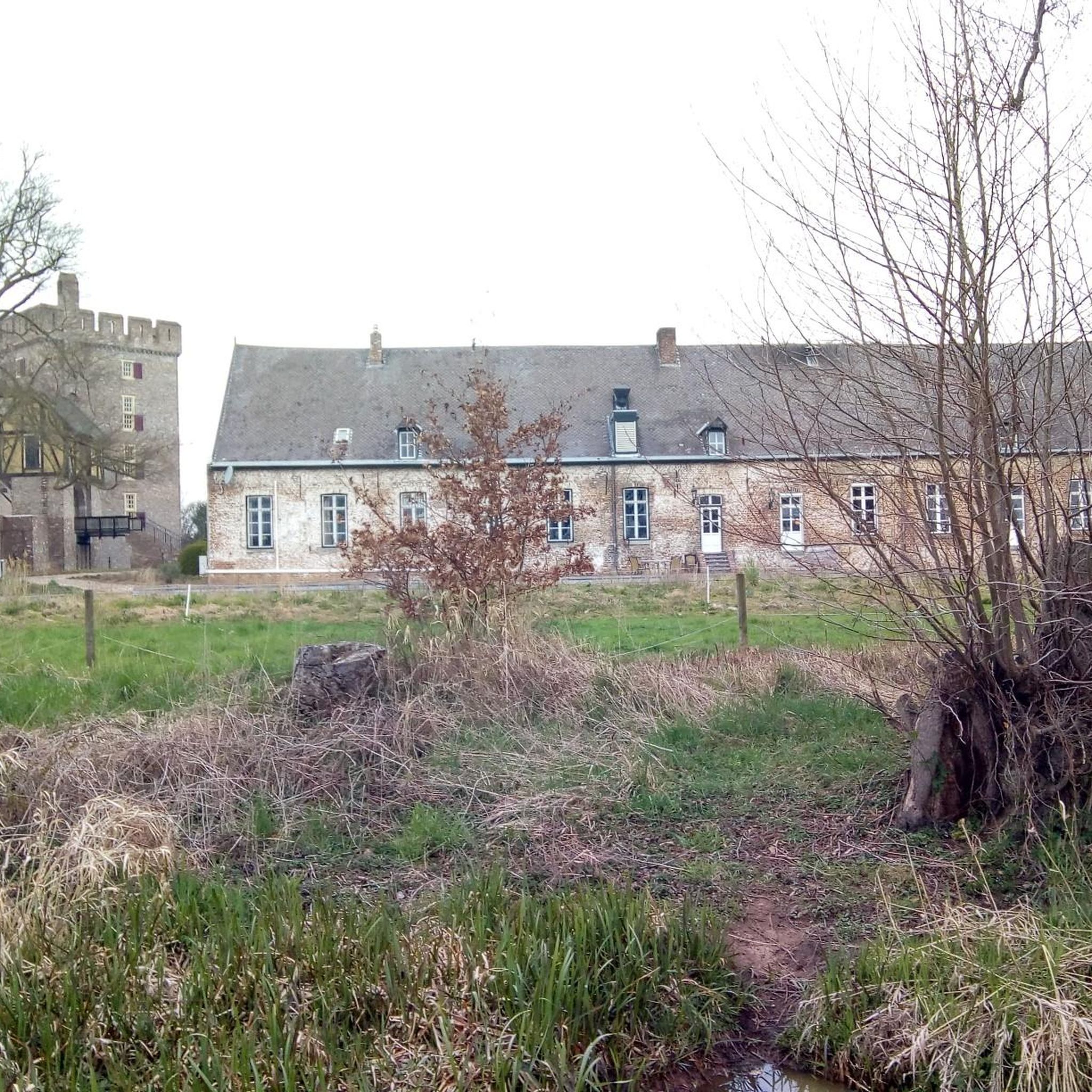
Entrance Building to the Forge and Foundry Workshops (1516-1888)
4
1
Frequently Asked Questions
What kind of natural features can I explore around Gillaumé?
The region around Gillaumé is characterized by its rural landscape and is drained by the Orge river. For a scenic outdoor experience, consider visiting Lacets de Mélaire, which offers panoramic views and a picnic area at its summit after a 1.7-kilometer climb.
What historical sites are there to visit near Gillaumé?
You can explore several historical sites in the vicinity. Montier-sur-Saulx is a historic commune featuring a 14th-century tower, the Saint-Pierre-ès-Liens church from 1841, and several chapels including Lahaye Chapel (15th century) and Saint-Sébastien chapel (1632). Another significant site is the ENTRANCE BUILDING OF THE STUDIOS, which served as the entrance to former forge and foundry workshops dating back to the 16th century, offering insight into the region's industrial heritage. Additionally, the Commonwealth War Graves provide a poignant historical perspective.
Are there any family-friendly activities or attractions around Gillaumé?
While Gillaumé itself is very small, the surrounding area offers options for families. The picnic area at the summit of Lacets de Mélaire is a great spot for a family outing with scenic views. Exploring the historic village of Montier-sur-Saulx with its ancient tower and chapels can also be an educational and engaging activity for all ages.
What outdoor activities can I do near these attractions?
The area around Gillaumé is well-suited for various outdoor activities. You can find numerous hiking trails, including moderate routes like the 'Dirt Path Under the Bridge loop' or the 'Le Rongeant River – Fish La halle loop'. For cyclists, there are road cycling routes such as the 'Viaduc de Rolampont loop'. If you enjoy running, several running trails are also available, including easy to moderate loops from nearby Bure or Cigéo.
Are there easy hiking trails suitable for beginners or families around Gillaumé?
Yes, there are hiking options that cater to different skill levels. While many trails are moderate, you can find easier sections or shorter loops. For specific easy routes, check the hiking guide for Gillaumé, which lists various trails. The climb to Lacets de Mélaire, though with an average gradient of 6.5%, is relatively short at 1.7 kilometers and rewards with a picnic area at the top, making it a manageable and enjoyable walk.
What is the best time of year to visit Gillaumé and its surrounding attractions?
Gillaumé experiences a temperate climate with cool summers. The spring and summer months (May to September) are generally pleasant for outdoor activities like hiking and cycling, and for exploring historical sites. Autumn also offers beautiful scenery with changing foliage. Winters can be cool, so if you plan to visit during this time, be prepared for colder weather.
What are some cultural landmarks to see in the area?
Beyond the historical sites, the region offers cultural landmarks such as chapels. The La chapelle Saint-Nicaise, built in 1899-1900, is notable for its architecture combining metal and stained glass with many cast iron elements. The various chapels within Montier-sur-Saulx also contribute to the local cultural landscape.
Are there any viewpoints or scenic spots near Gillaumé?
Absolutely. The most prominent scenic spot is Lacets de Mélaire. After ascending this climb, you'll be rewarded with panoramic views of the surrounding landscape, and there's a dedicated picnic area to enjoy the vista.
What do visitors enjoy most about the attractions around Gillaumé?
Visitors appreciate the blend of history and natural beauty. The historic sites like the 14th-century tower in Montier-sur-Saulx and the industrial heritage of the ENTRANCE BUILDING OF THE STUDIOS offer a glimpse into the past. The scenic climb and panoramic views from Lacets de Mélaire are also highly regarded for their natural appeal and outdoor experience.
Is public transport available to reach attractions around Gillaumé?
Gillaumé is a very small, rural commune. Public transport options directly to individual attractions in the immediate vicinity are likely limited. It is generally recommended to use a personal vehicle to explore the attractions around Gillaumé and the broader Haute-Marne department for maximum flexibility.
Are there any specific recommendations for dog-friendly walks near Gillaumé?
Many of the outdoor trails and rural paths around Gillaumé are suitable for dog walking. The hiking routes in the area, which traverse the natural landscape, are generally dog-friendly. Always ensure your dog is on a leash where required and be mindful of local regulations, especially near agricultural areas or protected wildlife zones.

Get inspired with the komoot mobile app


Explore more
Still not found the Highlight you’re looking for? See guides of the top attractions in other regions:
