The best MTB trails around Boutigny-Sur-Essonne
4.4
(554)
2,477
riders
22
rides
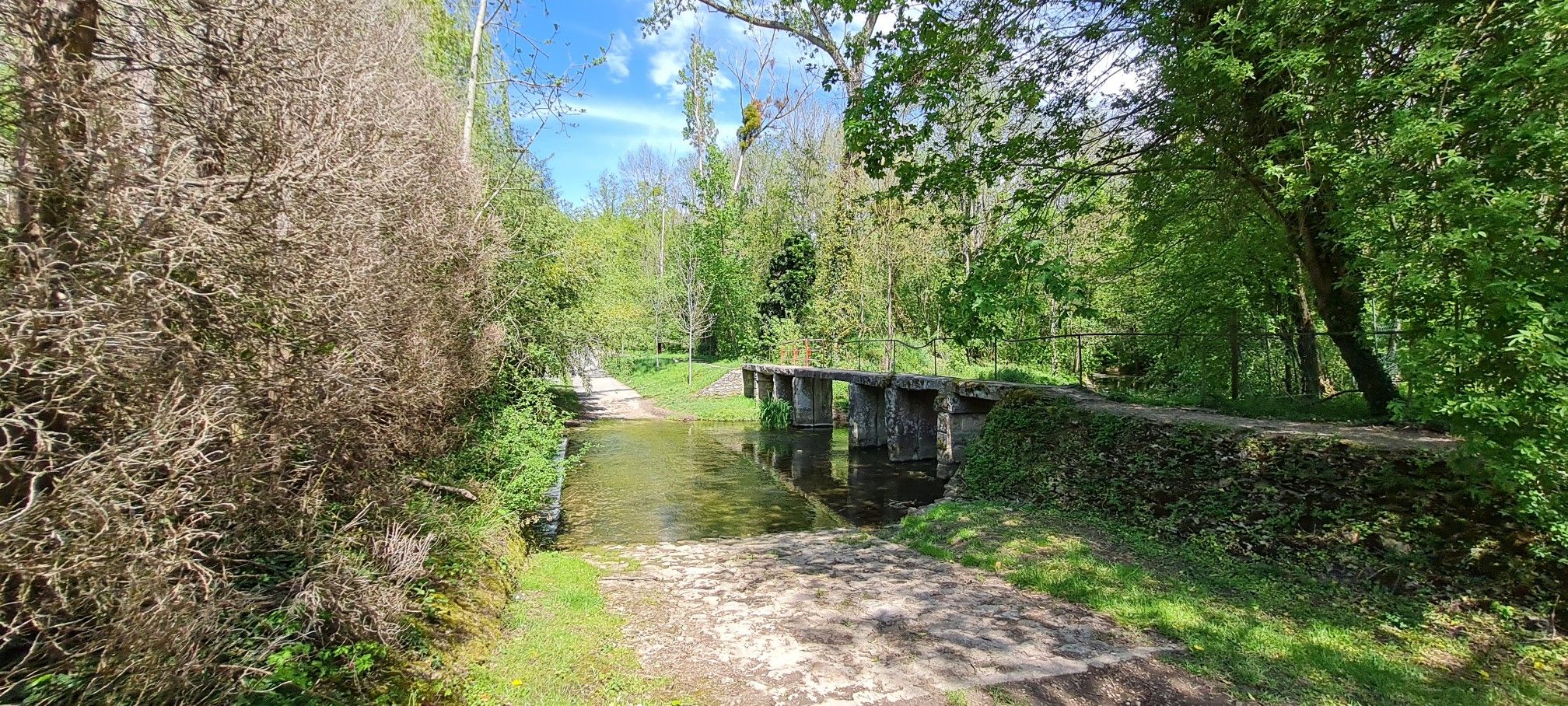
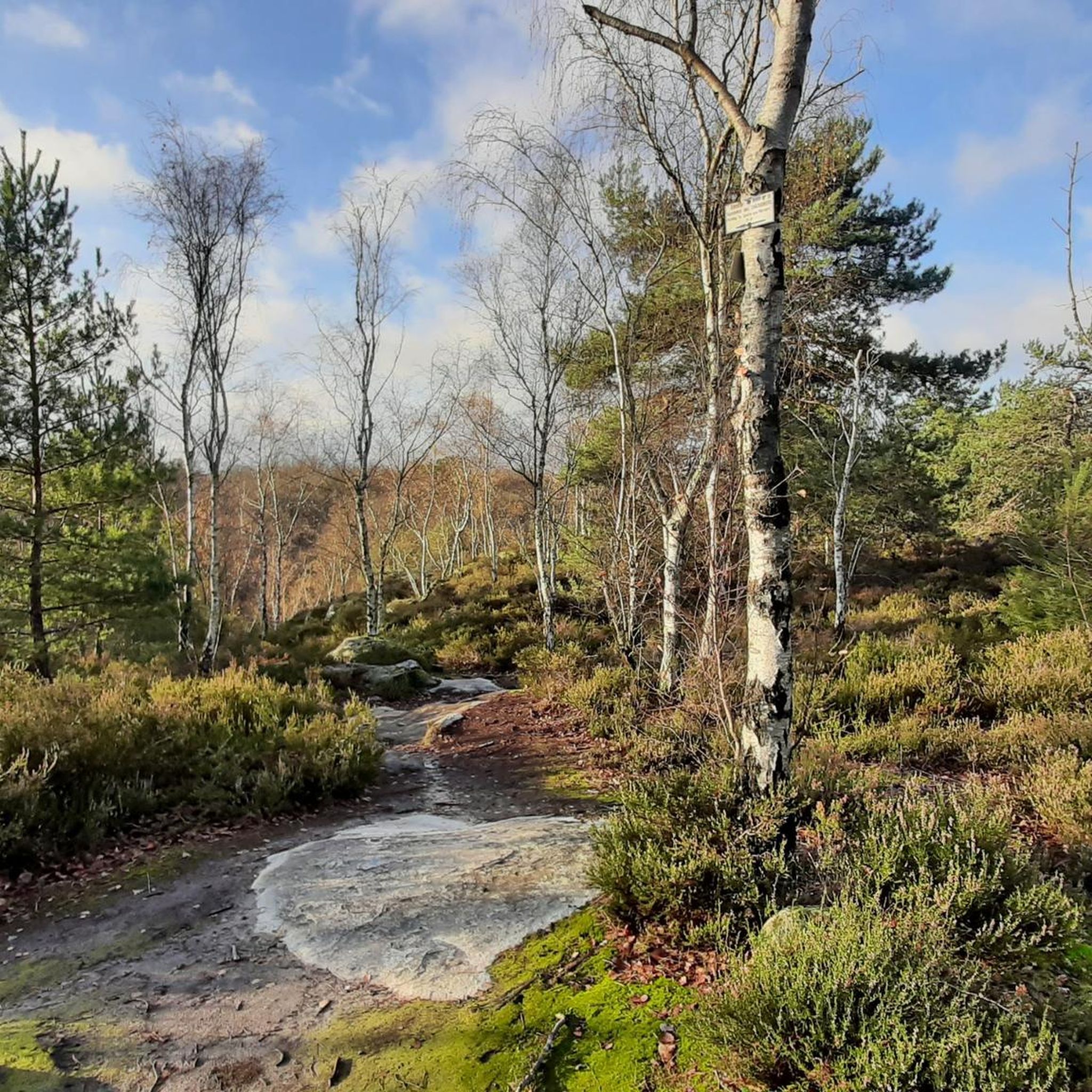
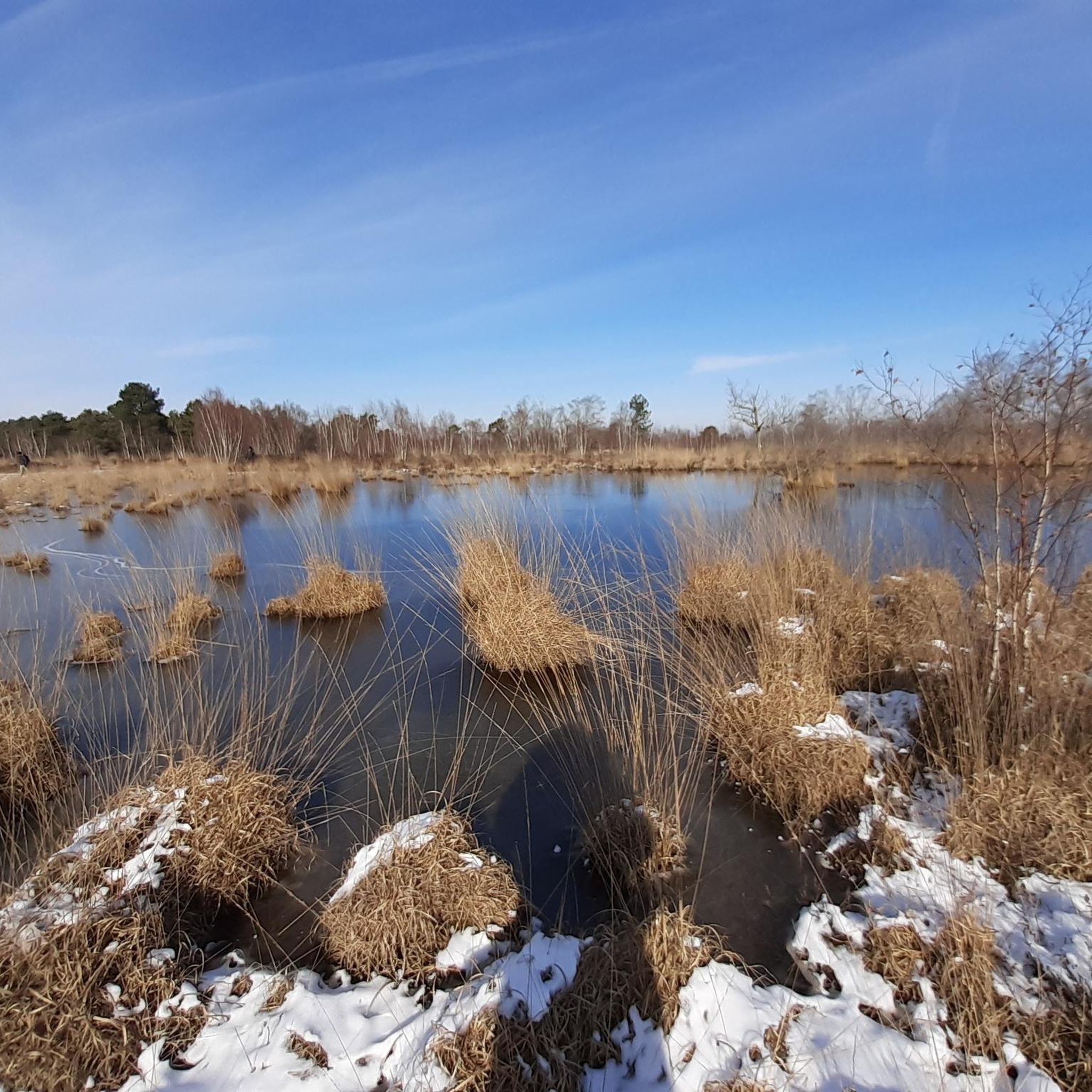
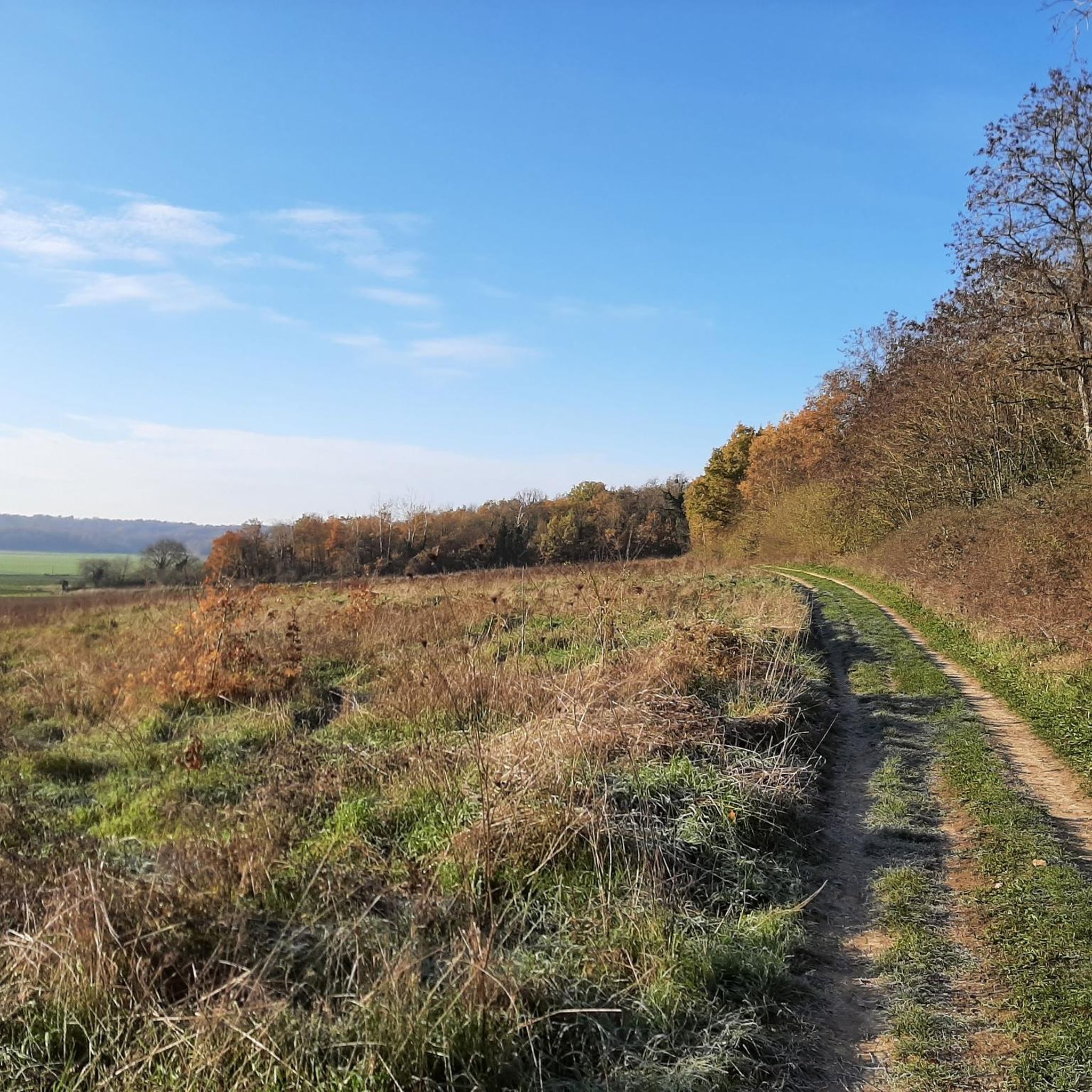
Mountain biking around Boutigny-Sur-Essonne offers diverse terrain within the Parc naturel régional du Gâtinais français. The region features extensive wooded areas, connecting to the forests of Fontainebleau and Rambouillet, alongside open plains and fields. Riders will encounter varied landscapes including rocky massifs, ancient sandstone quarries, and picturesque riverside paths along the Essonne River. This mix of dense woodlands and geological formations provides a range of mountain bike trails.
Best mountain bike trails around Boutigny-Sur-Essonne
- The most popular mountain bike trail…
Last updated: June 29, 2026
4.7
(3)
18
riders
22.3km
01:48
210m
210m
Moderate mountain bike ride. Great for any fitness level. Advanced riding skills necessary.
3.3
(3)
6
riders
27.1km
02:06
230m
230m
Moderate mountain bike ride. Good fitness required. Advanced riding skills necessary.

Sign up for free
4.5
(11)
12
riders
19.8km
01:17
80m
80m
Moderate mountain bike ride. Great for any fitness level. Advanced riding skills necessary.
4.7
(3)
9
riders
24.6km
01:58
260m
260m
Moderate mountain bike ride. Great for any fitness level. Advanced riding skills necessary.
4.0
(2)
9
riders
43.9km
03:25
380m
380m
Moderate mountain bike ride. Good fitness required. Advanced riding skills necessary.
Get access to more routes and recommendations from other explorers.
Sign up for free
Already have an account?
Our route recommendations are based on thousands of hikes, rides, and runs completed by other people on komoot.
Start today with a free account
Your next adventure awaits.
Login or Signup

Other adventures around Boutigny-Sur-Essonne

Tips from the Community

A temple of Dada art!
0
0


Chaotic journey. Impossible to do by mountain bike initially.
0
0

The cyclops visit is not free, 12 euros entry but it lasts 45 minutes and is very interesting. Limit of 25 people at a time. Please note that photos inside are prohibited. I recommend the first visit at 10:30 a.m. (less crowded)
2
0
Small corner isolated enough to be outside the hordes of walkers
0
0

The trail moves on to the main essentials The hall In 1479, by a special grace from Louis The North-South facing Hall, 46 m long, 16 m wide and 13 m high, covers a total surface area of 730 m2. 48 oak pillars, resting on “dice”-cut stone bases, support a chestnut frame typical of Ile-de-France at that time; this frame presents to the north (on the rue Langlois side) a “pavilion” farm. Today, La Halle is still the site of a market on Thursday afternoons. The square, the houses gathered all around, bear witness to the great commercial activity which already reigned in the region 500 years ago. La Halle has been classified as a Historic Monument since 1923. Bonde Castle is located near the town center of Milly-la-Forêt, Built near an artificial island in the l'École river to the west of the Notre-Dame collegiate church, its park is bordered to the west by the course of the river which forms a moat to the north protecting the châtelet. History Built in the 12th century by the lords of Milly, the castle was ruined during the English siege in 1432. At the end of the 15th century around 1475, owned by Admiral Louis Malet de Graville, it was rebuilt and enlarged. What was then the keep became the entrance gatehouse, the drawbridge was replaced by a permanent stone bridge and a gate closed access between the northern defense tower and the governor's house. A square courtyard was surrounded by a wall and had in the center a chapel dedicated to Saint Valentine. The castle was successively the property of Hugues III de Bouville, Olivier V de Clisson, Jean II de Montmorency, Jean-François de Faudoas d'Averton, Marc-Antoine Front de Beaupoil de Saint-Aulaire and Pierre Marie of Lau d’Allemans. In the 19th century, the towers of the chatelet were enhanced with brick battlements and a slender roof. In 1859 the Corne bridge was rebuilt near the castle washhouse which served as a watering trough for the animals. At the end of the 20th century the mills along the river were demolished. In 1964, the Bonde washhouse downstream of the river which was part of the estate was rehabilitated. On December 20, 1972, the castle was partly listed as a historic monument. The park was listed in 1991 for its fences, canals and paths. the house of Jean Cocteau. Entrance to the J. Cocteau house [This 17th century residence, flanked by turrets, was formerly called the Governor's House. It corresponds to an old outbuilding of the castle in front of which the vassals came to pay homage and faith to their lord. Jean Cocteau bought this house with Jean Marais in 1947 and lived there until his death. Notre-Dame de l’Assomption Church Founded in the 11th century, the former chapel of the castle, it was rebuilt around 1485 on the orders of Admiral de Graville in the Gothic style of the 13th and 14th centuries. The bell tower, 57 meters high, dates from the 11th century in its lower part and from the 12th and 13th centuries in its upper part. The arch of the main portal in the primitive Romanesque style comes from an old church in Milly (Saint-Pierre or Saint-Jacques). On the east side of the bell tower - Place Grammont side - the arms of Admiral de Graville are still visible. Many works of sacred art are found inside the church. The church was listed as a Historic Monument in 1926. The dovecote; Located on the old triangular square of the dovecote cul de sac, this old building was part of the Domaine du Moustier, property of Fulbert I, lord of Milly and officer at the court of Dagobert I in the 7th century. Destroyed in 1432 or 1433, the complex included a vast farm. According to a count in 1792 it had around 1200 niches. Only the lords held the right to build these premises designed for breeding. The Moustier de Péronne gate is one of the oldest vestiges of Milly and dates from the 7th century. It provided access to the moustier (monastery in old French) owned by Fulbert I, who obtained the land of Milly from Dagobert I. His son Wulfran was born there around the year 635. Entering religion, he became the apostle of the frieze (Netherlands), then bishop of Sens before retiring to Saint Wandrille where he died in 720.
1
0

This sculpture, made of concrete and iron, represents the fantastic creature from Greek mythology which gave its name to the work. 22.5 meters high, the sculpture is a project by artists Jean Tinguely and Niki de Saint Phalle, carried out between 1969 and 1994. On site, you can also discover two other works: the Face of Mirrors and the Tribute to the Deportees. Visiting all the monuments is completely free.
0
1

Impressive and surprising animated statue in the middle of the woods. The Cyclop is open from April to October every weekend, and from Wednesday to Sunday in July-August, from 10:30 a.m. to 6 p.m.
0
0
Frequently Asked Questions
What kind of terrain can I expect on mountain bike trails around Boutigny-Sur-Essonne?
The region offers a diverse mix of terrain, including extensive wooded areas, open plains, and fields. You'll also encounter rocky massifs, ancient sandstone quarries, and picturesque riverside paths along the Essonne River. Trails often feature flat sections alternating with ascents and descents, pinewoods, and heather undergrowth.
How many mountain bike trails are available in Boutigny-Sur-Essonne?
There are over 190 mountain bike trails around Boutigny-Sur-Essonne listed on komoot, catering to various skill levels from easy to difficult.
Are there any easy mountain bike trails suitable for beginners?
Yes, Boutigny-Sur-Essonne offers 48 easy mountain bike trails. These routes are generally less demanding, allowing beginners to enjoy the scenic landscapes. For example, the Fe ez🫠 – Singletrack Along the Essonne loop from Boutigny is a moderate option that follows the Essonne River with less elevation gain.
What are the options for more advanced mountain bikers?
For experienced riders seeking a challenge, there are 21 difficult mountain bike trails. These routes often feature more technical sections and significant elevation changes. A notable difficult route is the Cul du Chien Rock – Queen's Rock loop from Maisse, which covers over 53 km and includes varied, rocky terrain.
Are there mountain bike routes that offer viewpoints or natural features?
Yes, many trails pass through areas with interesting natural features. The region is known for its rocky massifs and formations like Le Rocher Bizet. You can explore highlights such as Les sables du Cul de Chien or a Small lake in the rocks. These spots often provide scenic views of the surrounding Parc naturel régional du Gâtinais français.
What historical or cultural attractions can I see near the mountain bike trails?
Beyond the natural beauty, you can find several historical and cultural points of interest. These include prehistoric vestiges in rocky massifs, such as the Grotte de la Justice with its Neolithic painting. Other attractions include the Saint-Barthélémy church and the former Moulin de Boutigny. You might also encounter landmarks like the Cross of Lorraine on the Maquisards' Pignon or visit the nearby town of Milly-la-Forêt.
Are there any circular mountain bike routes available?
Many of the mountain bike trails in Boutigny-Sur-Essonne are designed as loops, offering convenient circular routes. For example, the Le Ru Stream in Cerny – Vayres — Bouville — Maisse loop from Boutigny is a moderate 21.2 km circular path that follows the Essonne River.
What is the best time of year for mountain biking in Boutigny-Sur-Essonne?
The region's extensive forests and varied terrain make it enjoyable for mountain biking across multiple seasons. Spring and autumn offer pleasant temperatures and vibrant foliage. Summer can be good, especially in the shaded wooded areas, while winter might require checking trail conditions for mud or ice, though the region generally remains accessible.
What do other mountain bikers say about the trails in Boutigny-Sur-Essonne?
The mountain bike routes in Boutigny-Sur-Essonne are highly rated by the komoot community, with an average score of 4.4 stars from over 500 reviews. Riders often praise the diverse landscapes, the mix of wooded and open sections, and the well-maintained paths suitable for various skill levels.
Are there any specific regulations or permits needed for mountain biking?
Mountain biking in the Parc naturel régional du Gâtinais français generally follows standard outdoor recreation guidelines. While specific permits are not typically required for general trail use, it's always advisable to respect local signage, stay on marked trails, and be mindful of other trail users. For more detailed local information, you can consult the official tourism sites for the area, such as millylaforet-tourisme.com or essonnetourisme.com.
Are the mountain bike trails in Boutigny-Sur-Essonne suitable for families?
Yes, with 48 easy trails and 128 moderate trails, there are many options suitable for families. The varied terrain, including riverside paths and wooded areas, provides an engaging experience for different age groups. It's recommended to choose shorter, less challenging routes for younger riders or those new to mountain biking.
Can I bring my dog on the mountain bike trails?
Many trails within the Parc naturel régional du Gâtinais français are generally dog-friendly, especially if your dog is well-behaved and kept on a leash. However, it's always best to check specific trail regulations or local signage, particularly in nature reserves or protected areas, to ensure dogs are permitted.
Most popular routes around Boutigny-Sur-Essonne
Most popular attractions around Boutigny-Sur-Essonne

Get inspired with the komoot mobile app


Explore more
Browse the best MTB trails in other regions.
