Top 8 Castles around Puiseux-En-France
Castles around Puiseux-En-France provide opportunities for historical exploration in the Oise department. While no standing castles remain within Puiseux-En-France itself, the surrounding region features several historical castle sites. These structures offer insight into the area's past, often situated amidst natural landscapes. The region's history includes former seigneurial castles, though many are now ruins or private estates.
Best castles around Puiseux-En-France
- The most popular castles is Pontarmé Castle, a castle that serves as a private country residence and wedding venue.…
Last updated: July 7, 2026
Pontarmé Castle
Highlight • Castle
Translated by Google •
Tip by

Château de Mortefontaine
Highlight • Castle
Het kasteel is echter niet …
Translated by Google •
Tip by

Sign up now to discover places like this
Get recommendations on the best single tracks, peaks, & plenty of other exciting outdoor places.
Sign up for free
White Queen's Castle
Highlight • Castle
Translated by Google •
Tip by
Coye-la-Forêt Castle
Highlight • Castle
Translated by Google •
Tip by

Château de Thiers-sur-Thève
Highlight • Castle
Translated by Google •
Tip by
Sign up for free to discover even more castles around Puiseux-En-France.
Sign up for free
Already have an account?
Start today with a free account
Your next adventure awaits.
Login or Signup


Tips from the Community

The Château de Thiers-sur-Thève, now in ruins, is a former 13th-century fortified castle listed as a Historic Monument in 1862. Built as a hunting lodge for the bishops of Beauvais, it is distinguished by its large state room pierced with large windows, a rare example of medieval residential architecture in the Île-de-France region. Partially dismantled in the 15th century, its circular towers, moats, and Gothic remains can still be admired.
0
0

Beautiful castle 🏰 nice place for hiking 🤩
0
0

Truly magnificent Château de Pontarmé 😍
0
0
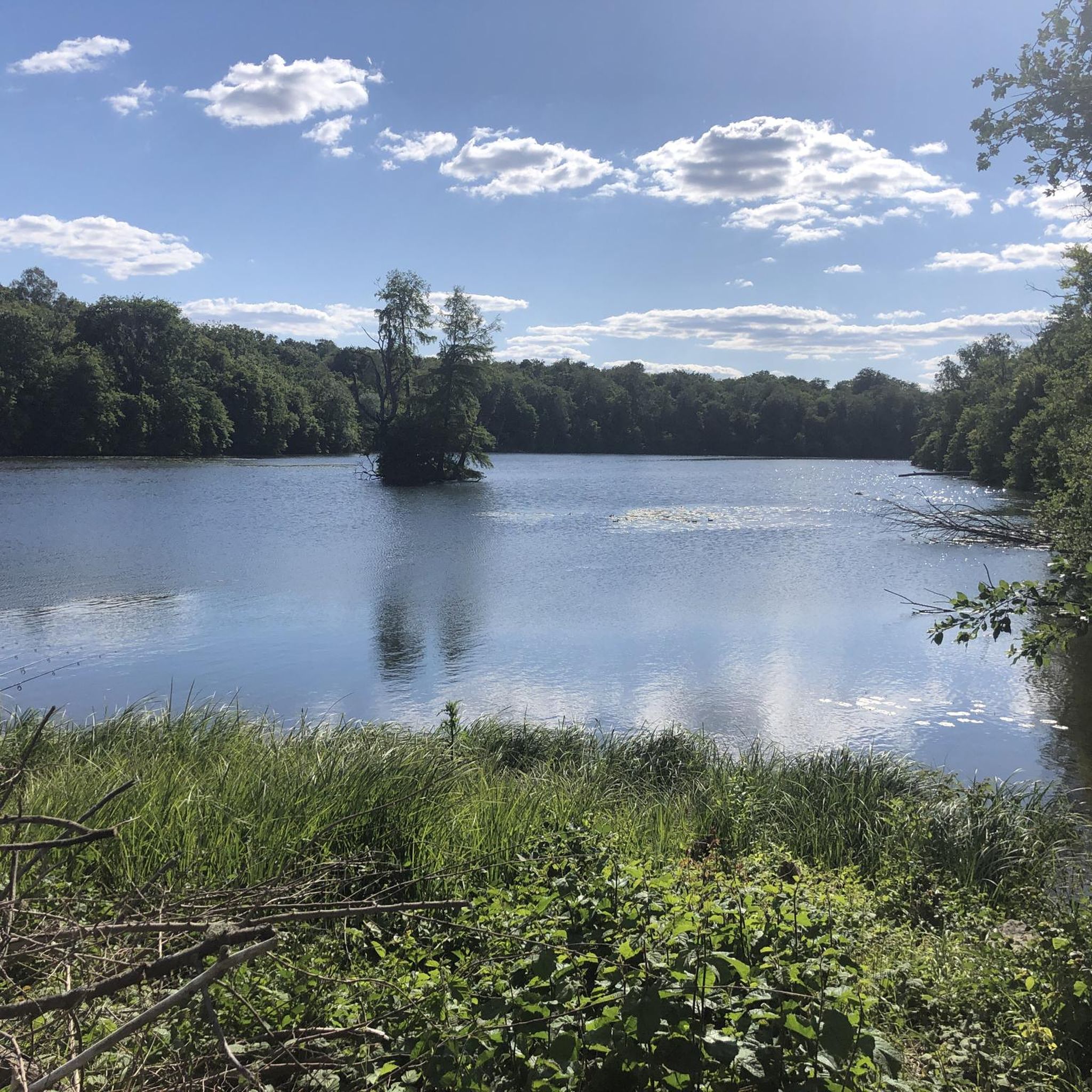
Here we have a very beautiful landscape of lakes with the castle in the distance. A natural setting for the greatest pleasure of cyclists. You can therefore land and take a break to recover your strength. The creperie in front of the lake is great!
0
0

Beautiful castle with an exceptional location
2
0

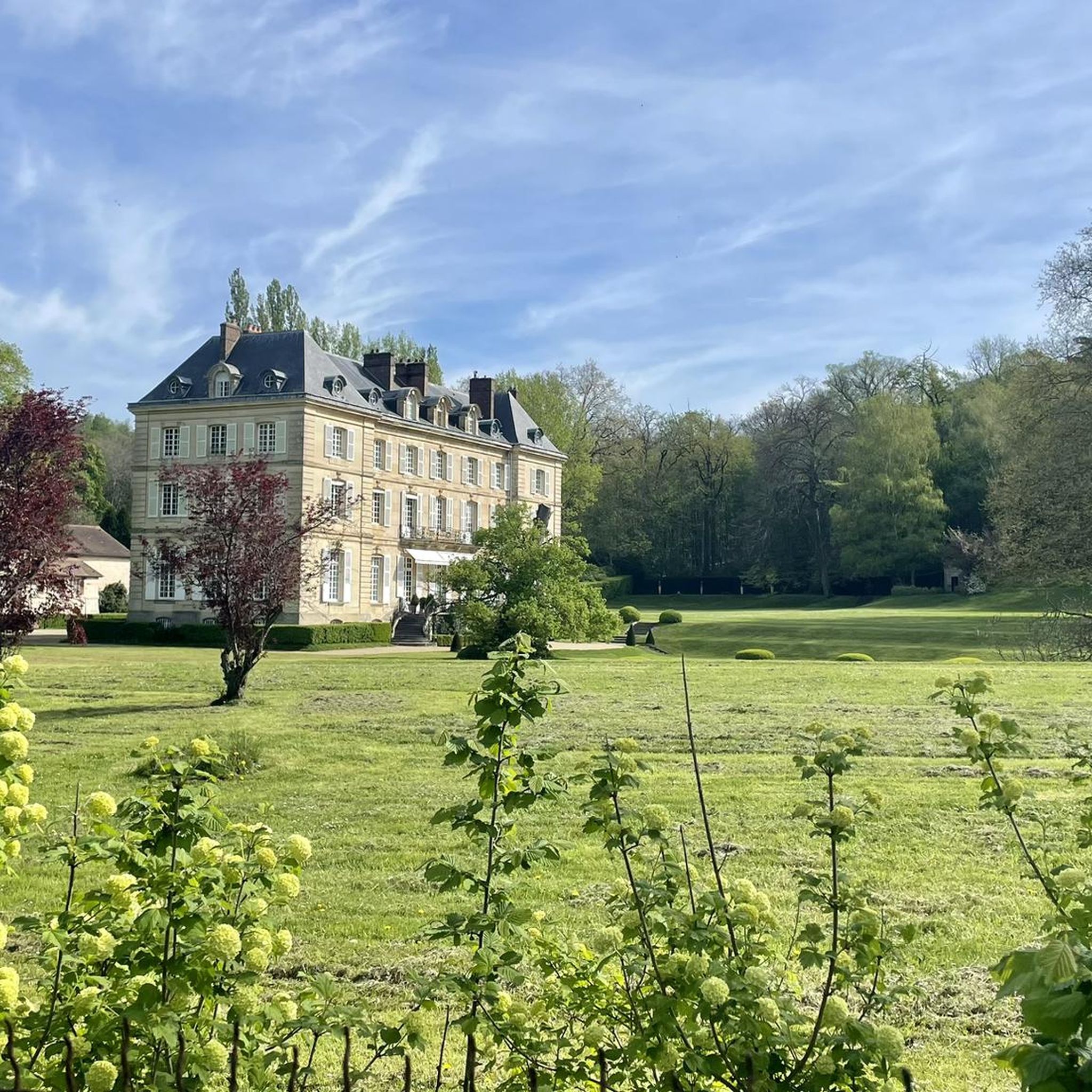
Located to the north of the village, the current castle is due to the Prince of Condé who had it rebuilt in the years 1760-1770 in a neo-classical style. The hydraulic installations of the park date from the 17th century (property of Toussaint Roze, secretary of the cabinet of Louis XIV). Around 1770, Condé set up an Indian factory in the outbuildings of the castle, taking advantage of the nearby river for its driving energy. This is the beginning of industrial activity in the village. The outbuildings were remodeled following a fire in 1829 and converted into housing in the 20th century. https://monumentum.fr/chateau-pa60000046.html
1
0
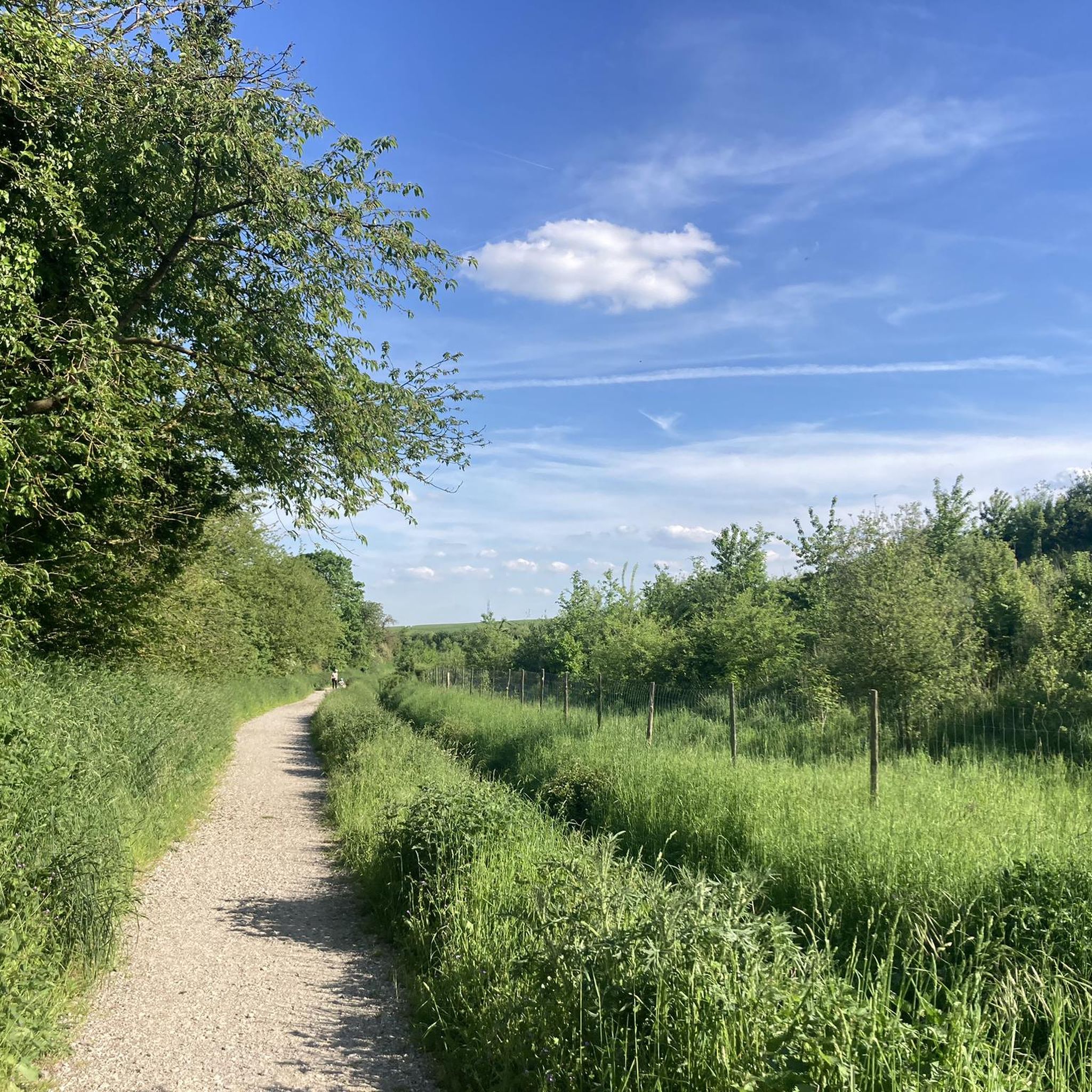
The castle of Thiers-sur-Thève was the hunting lodge of the bishops of Beauvais. Built in the 13th century, it fell into ruins the following century. This monument therefore invites contemplation during a mountain bike ride.
0
0
In the middle of the 14th century, the Bouteillers family sold most of its properties. They are therefore bought by Robert de Lorris, chamberlain of the king who becomes lord of Pontarmé. It was Pierre Lorfèvre who later became the owner, a lawyer in Parliament. It is a beautiful country residence which today serves as a wedding hall. You cannot visit it but rent it for your wedding!
0
1
Frequently Asked Questions
Are there any castles directly within Puiseux-en-France?
No, there are no standing castles directly within Puiseux-en-France today. Historical records indicate a former seigneurial castle, but it was already in ruins by 1762 and has since disappeared. However, the village does feature other significant historical structures like the Church of Sainte-Geneviève and the Grange aux Dîmes (Temple Barn).
What are the most notable castles to see around Puiseux-en-France?
While many castles in the region are private, you can observe several historical sites. Pontarmé Castle is a private country residence and wedding venue situated on the banks of the Thève. The Château de Thiers-sur-Thève is a 13th-century fortified castle, now in ruins, where you can still admire its circular towers, moats, and Gothic remains. The White Queen's Castle offers a beautiful landscape view, especially from the nearby Étangs de Commelles.
Can I visit the interior of the castles around Puiseux-en-France?
Most of the castles mentioned, such as Pontarmé Castle and Château de Mortefontaine, are private residences and are not directly open for public visits. You can typically observe them from the outside. The Château de Thiers-sur-Thève is a ruin, allowing for observation of its historical structure.
Are there any family-friendly activities or sites near these castles?
Yes, the area around the castles offers natural settings that are great for families. The Étangs de Commelles, near the White Queen's Castle, are part of the beautiful Chantilly forest and are a protected site rich in biodiversity, perfect for walks and enjoying nature. Some nearby routes are also suitable for family outings.
What kind of outdoor activities can I do near the castles?
The region offers various outdoor activities. You can explore numerous running trails, enjoy cycling routes, or try gravel biking. Many of these routes pass through natural landscapes and offer views of the castles or their surroundings.
What historical significance do the castles around Puiseux-en-France hold?
The castles in the vicinity offer a glimpse into the region's rich past. For instance, the Château de Mortefontaine was once the country residence of Joseph Bonaparte. The Château de Thiers-sur-Thève, a 13th-century fortified castle, served as a hunting lodge for the bishops of Beauvais and is listed as a Historic Monument.
Are there any natural landmarks or viewpoints near the castles?
Yes, the area is known for its natural beauty. The Étangs de Commelles, a series of picturesque lakes, offer stunning views, especially with the White Queen's Castle in the distance. These ponds are part of the Chantilly forest, providing a serene natural setting for hikers and cyclists.
What do visitors enjoy most about the castles around Puiseux-en-France?
Visitors particularly appreciate the opportunity to combine historical exploration with nature. The peaceful settings, often by lakes or within forests, provide a beautiful backdrop for observing these historical structures. The blend of natural landscapes and architectural remnants makes for a unique experience.
Is it possible to find cafes or restaurants near the castles?
While many castles are private, some areas popular with visitors, like the White Queen's Castle and the Étangs de Commelles, have amenities. For example, there is a creperie in front of the lake near the White Queen's Castle, offering a place to rest and refuel.
What is the best time of year to visit the castles and surrounding areas?
The region is enjoyable throughout the year, but spring and autumn offer particularly pleasant weather for outdoor activities and exploring the castle exteriors and natural landscapes. The vibrant colors of autumn foliage or the fresh blooms of spring enhance the scenic beauty of the lakes and forests surrounding the castles.
Are there any hidden gems or lesser-known historical sites in Puiseux-en-France?
Beyond the castles, Puiseux-en-France itself holds historical interest. The Grange aux Dîmes, also known as the 'Commanderie,' is a 12th-14th century tithe barn with later modifications, a remnant of a former Knights Templar commandery. It's a significant local historical structure, though not a castle.
Can I bring my dog to the areas around the castles?
Many of the natural areas and trails around the castles, such as those near the Étangs de Commelles and in the Chantilly forest, are generally dog-friendly. However, specific rules may apply to private castle grounds or protected natural reserves, so it's always best to check local signage or specific site regulations.
Most popular routes around Puiseux-En-France
Most popular attractions around Puiseux-En-France

Get inspired with the komoot mobile app


Explore more
Looking for the best castles somewhere else? Discover other guides around Puiseux-En-France:
