The best cycling routes around Villard-Reculas
4.5
(786)
53,543
riders
145
rides
Touring cycling around Villard-Reculas features routes through the French Alps, characterized by significant elevation changes and panoramic mountain vistas. The region offers challenging mountain passes and winding roads that traverse valleys and high-altitude plateaus. Cyclists can expect varied terrain, from sustained climbs to scenic descents, often with views of alpine landscapes.
Best touring cycling routes around Villard-Reculas
- The most popular touring cycling route is L Alpe D Huez – Roche d'Auris Road loop from Huez, a 31.6 miles (50.8…
Last updated: October 18, 2026
4.6
(67)
4,967
riders
25.7km
02:21
1,050m
1,060m
Hard bike ride. Very good fitness required. Mostly paved surfaces. Suitable for all skill levels.
4.6
(54)
2,119
riders
48.5km
04:10
1,730m
1,730m
Hard bike ride. Very good fitness required. Mostly paved surfaces. Suitable for all skill levels.

5.0
(6)
1,078
riders
56.5km
04:33
1,260m
1,270m
Hard bike ride. Very good fitness required. You may need to push your bike for some segments of this route.
4.5
(2)
401
riders
15.7km
01:19
530m
530m
Hard bike ride. Very good fitness required. Mostly paved surfaces. Suitable for all skill levels.
4.1
(20)
257
riders
Easy bike ride. Great for any fitness level. Mostly paved surfaces. Suitable for all skill levels.
Get access to more routes and recommendations from other explorers.
Already have an account?
Our route recommendations are based on thousands of hikes, rides, and runs completed by other people on komoot.
Start today with a free account
Your next adventure awaits.

Tips from the Community


Here are written the names of some current cycling champions.
10
0
Cycling apparel and cycling related casual apparel. Starting point for the Le Bourg d’Oisans social group ride
0
0

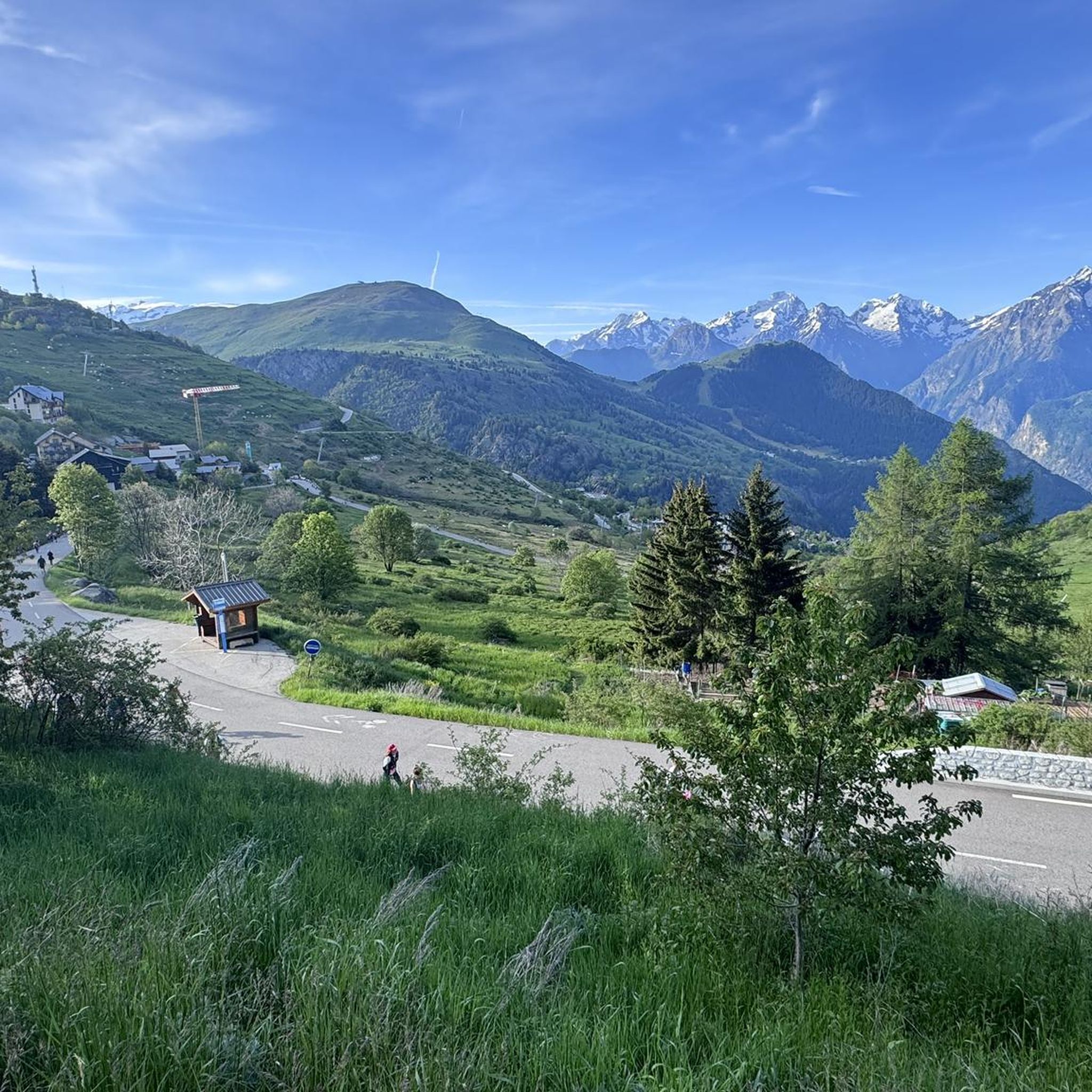
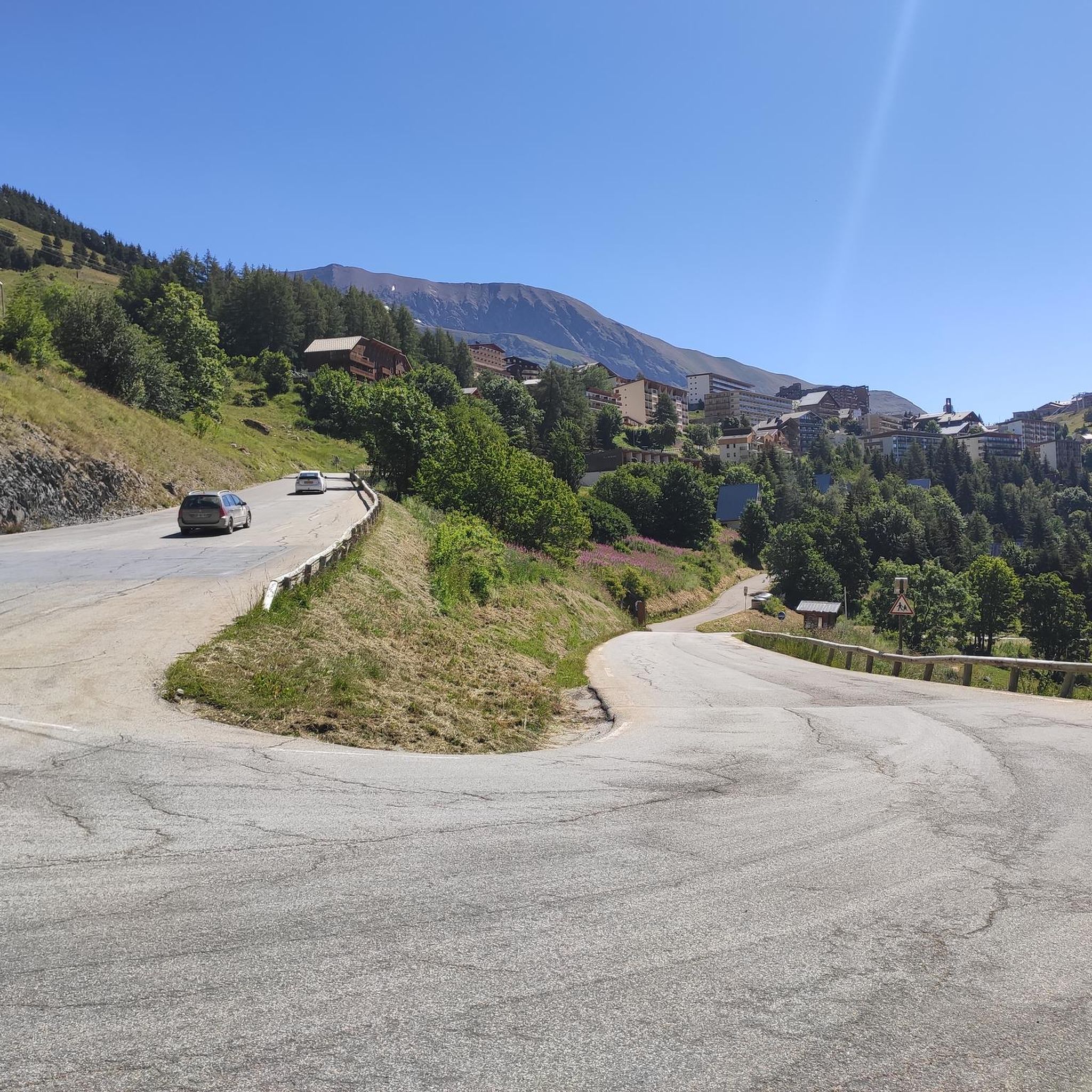
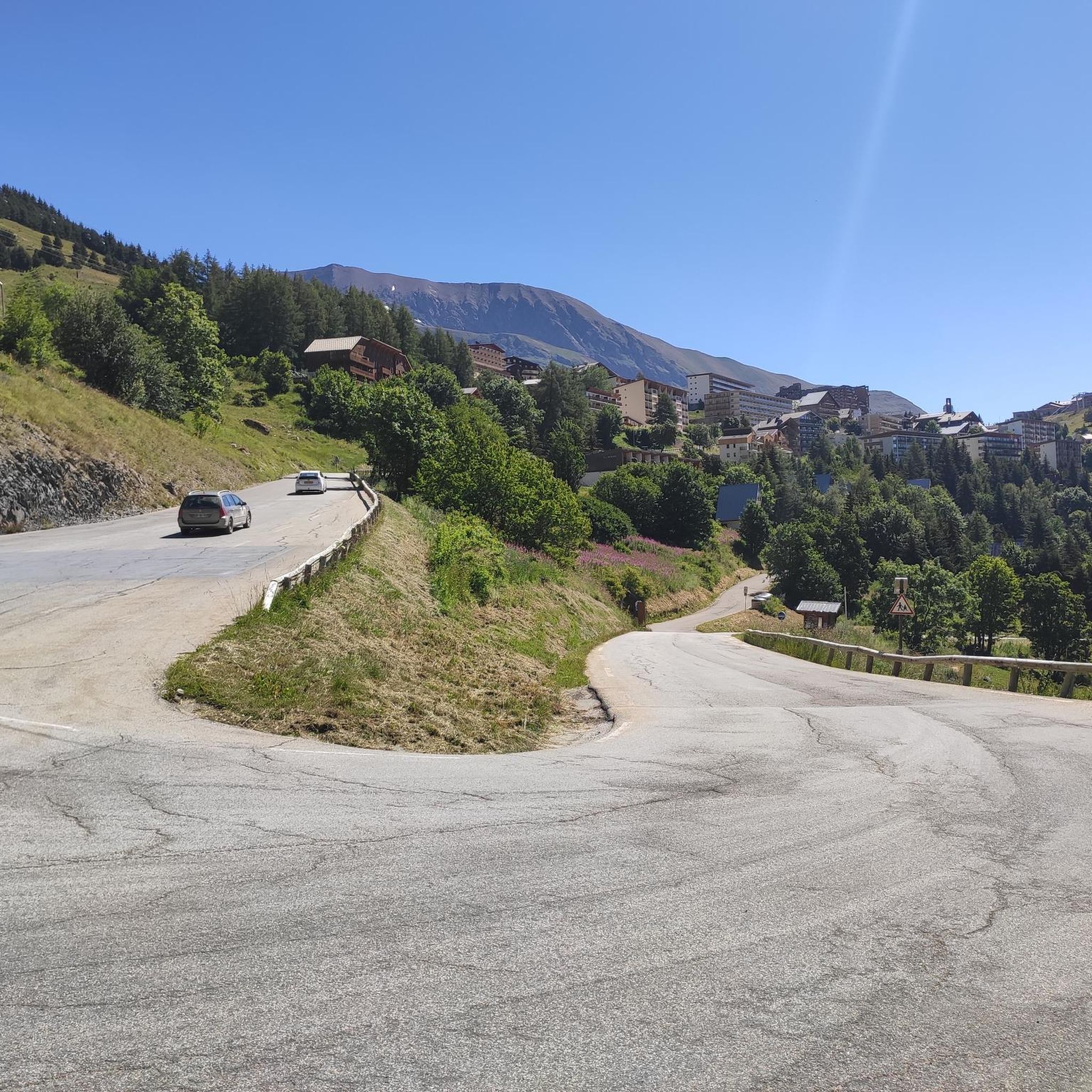
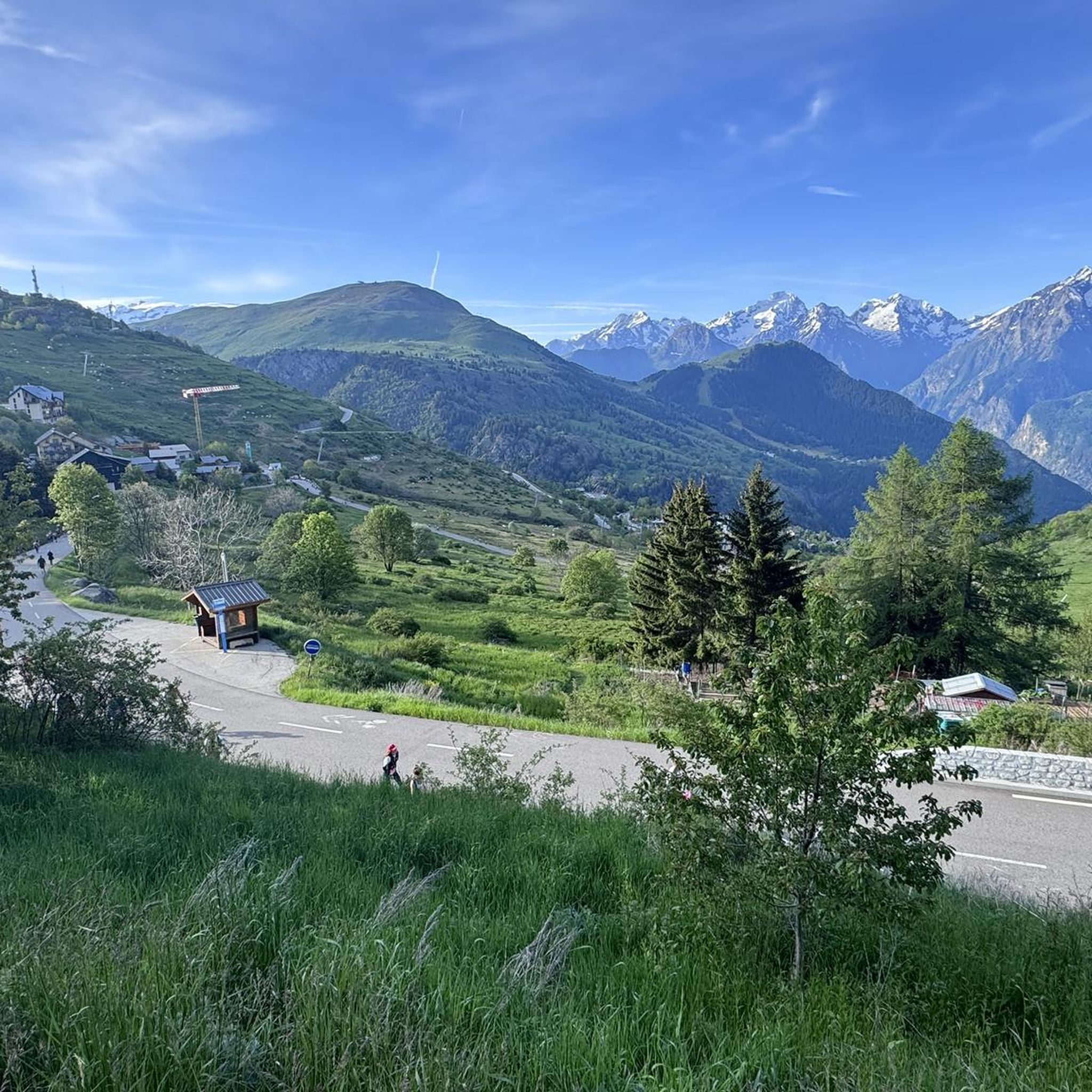
Alpe d'Huez, located at 1,860 m in the Isère department, is a famous French ski resort that has been developing since the 1920s, known for the first automatic ski lift in 1936. A cycling mecca, it is famous for its 21 hairpin bends and the 1952 finish of Fausto Coppi in the Tour de France.
5
0
The climb to Alpe d'Huez is one of cycling's most famous, located in France (Isère Alps). From Bourg d'Oisans, it covers approximately 13.8-14 km with an average gradient of 7.9-8%, with peaks of up to 13%, over 21 iconic hairpin bends. It is a legendary climb in the Tour de France, with an elevation gain of over 1,100 meters.
6
0

I'm 12 and rode for the first time when I was 10. It's my favorite Alpine climb. All I can say is that it's best to take a break in the corner so you can fill up your bottles and go to the toilet if necessary.
1
0
An iconic climb ridden countless times in the Tour de France.
15
0
Frequently Asked Questions
How many touring cycling routes are available around Villard-Reculas?
There are over 100 touring cycling routes in the Villard-Reculas area, offering a wide range of options for different skill levels and preferences. You'll find routes varying from easy to difficult, with significant elevation changes characteristic of the French Alps.
What kind of terrain can I expect on touring cycling routes in Villard-Reculas?
The terrain around Villard-Reculas is typical of the French Alps, featuring significant elevation changes, challenging mountain passes, and winding roads. Cyclists will encounter sustained climbs and scenic descents, often with panoramic views of alpine landscapes.
Are there any easy touring cycling routes suitable for beginners or families in Villard-Reculas?
Yes, Villard-Reculas offers over 30 easy touring cycling routes, perfect for beginners or families looking for a less strenuous ride. While the region is known for its climbs, these routes provide a gentler introduction to alpine cycling. For a moderate option, consider the Mountain cow 🚵♀️ – Our Lady of the Snows Church loop from Les Jeux, which is shorter and has manageable elevation.
Where can I find challenging touring cycling routes in Villard-Reculas?
Villard-Reculas is renowned for its challenging routes, with over 50 difficult options available. These routes often include substantial climbing and cover longer distances. A prime example is the L Alpe D Huez – Roche d'Auris Road loop from Huez, which is over 50 km long and features significant elevation gain.
What are some scenic viewpoints or natural attractions I can see along the cycling routes?
Many routes offer breathtaking views of the alpine scenery. You can also incorporate visits to natural attractions such as waterfalls and lakes. The Sabot Pass – La Fare Waterfall loop from Allemond, for instance, leads past the beautiful La Fare Waterfall. Other notable waterfalls in the area include Pisse Waterfall and Cascade de la Fare. For lakes, Lake Besson is a popular spot, which you can pass on the Alpe d'Huez Climb – Lake Besson loop from Huez.
Are there any circular touring cycling routes in the Villard-Reculas area?
Yes, many of the touring cycling routes around Villard-Reculas are designed as loops, allowing you to start and finish at the same point. Examples include the Alpe d'Huez Climb – Huez village loop from Huez and the Sabot Pass – La Fare Waterfall loop from Allemond.
What is the best season for touring cycling in Villard-Reculas?
The best season for touring cycling in Villard-Reculas is typically from late spring to early autumn (May to October). During these months, the weather is generally milder, and the mountain passes are clear of snow, offering optimal conditions for cycling. Always check local weather forecasts before heading out.
What do other touring cyclists say about the routes in Villard-Reculas?
The touring cycling routes in Villard-Reculas are highly regarded by the komoot community, with an average rating of 4.5 stars from over 450 reviews. Cyclists frequently praise the challenging climbs, the stunning panoramic mountain views, and the diverse alpine landscapes.
Are there opportunities for wild swimming near the cycling routes?
While specific wild swimming spots directly adjacent to the routes are not detailed, the region features several beautiful lakes. Lac du Chambon and Lake Besson are notable lakes in the vicinity that might offer opportunities, though it's always advisable to check local regulations and safety information regarding swimming.
How can I find detailed maps for touring cycling in Villard-Reculas?
Detailed maps and navigation for all touring cycling routes in Villard-Reculas are available through the komoot app. You can download routes for offline use, view elevation profiles, and get turn-by-turn directions directly on your device.
What should I consider regarding elevation when planning a touring cycling trip here?
Villard-Reculas is situated in the French Alps, so significant elevation changes are a defining characteristic of its touring cycling routes. Expect sustained climbs and rewarding descents. Even moderate routes like the Alpe d'Huez Climb – Huez village loop from Huez involve notable ascents, so be prepared for a workout and ensure your bike is suitable for mountain terrain.
Most popular routes around Villard-Reculas
Most popular attractions around Villard-Reculas

Get inspired with the komoot mobile app


Explore more
Browse the best Cycling routes in other regions.
