Attractions and Places To See around Saint-Ciers-Sur-Gironde - Top 20
Best attractions and places to see around Saint-Ciers-Sur-Gironde offers a variety of historical landmarks, natural beauty, and cultural experiences in southwestern France. Located on the right bank of the Gironde estuary, the commune features diverse landscapes alternating between the estuary and the countryside. The region is known for its Romanesque architecture, significant natural features like the Marais de Saint-Ciers-sur-Gironde, and opportunities for outdoor activities. Visitors can explore cultural sites and natural environments.
Best attractions and places to see around Saint-Ciers-Sur-Gironde
…Last updated: May 9, 2026
Château Pontet d'Eyrans
Highlight • Castle
Translated by Google •
Tip by

Market and Saint-Saturnin Church of Braud-et-Saint-Louis
Highlight • Religious Site
Translated by Google •
Tip by

Sign up now to discover places like this
Get recommendations on the best single tracks, peaks, & plenty of other exciting outdoor places.
Sign up for free
Blaye-Etauliers - Cycle path 🚴
Highlight (Segment) • Other
Tip by
A surprising church name
Highlight • Other
Translated by Google •
Tip by

The Belt – canals and wet meadows
Highlight • Natural
Tip by
Sign up for free to discover even more attractions around Saint-Ciers-Sur-Gironde.
Sign up for free
Already have an account?
Start today with a free account
Your next adventure awaits.
Login or Signup
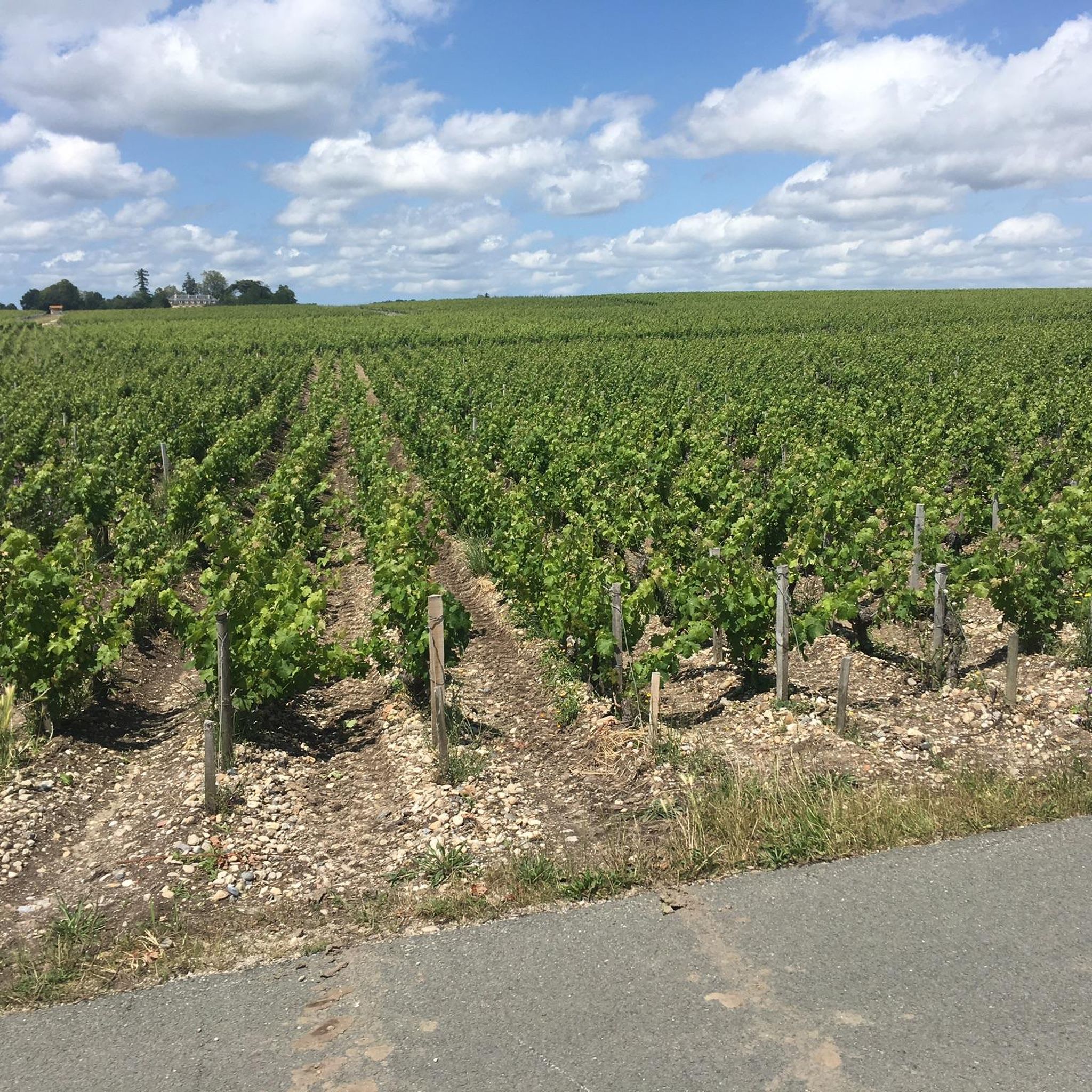
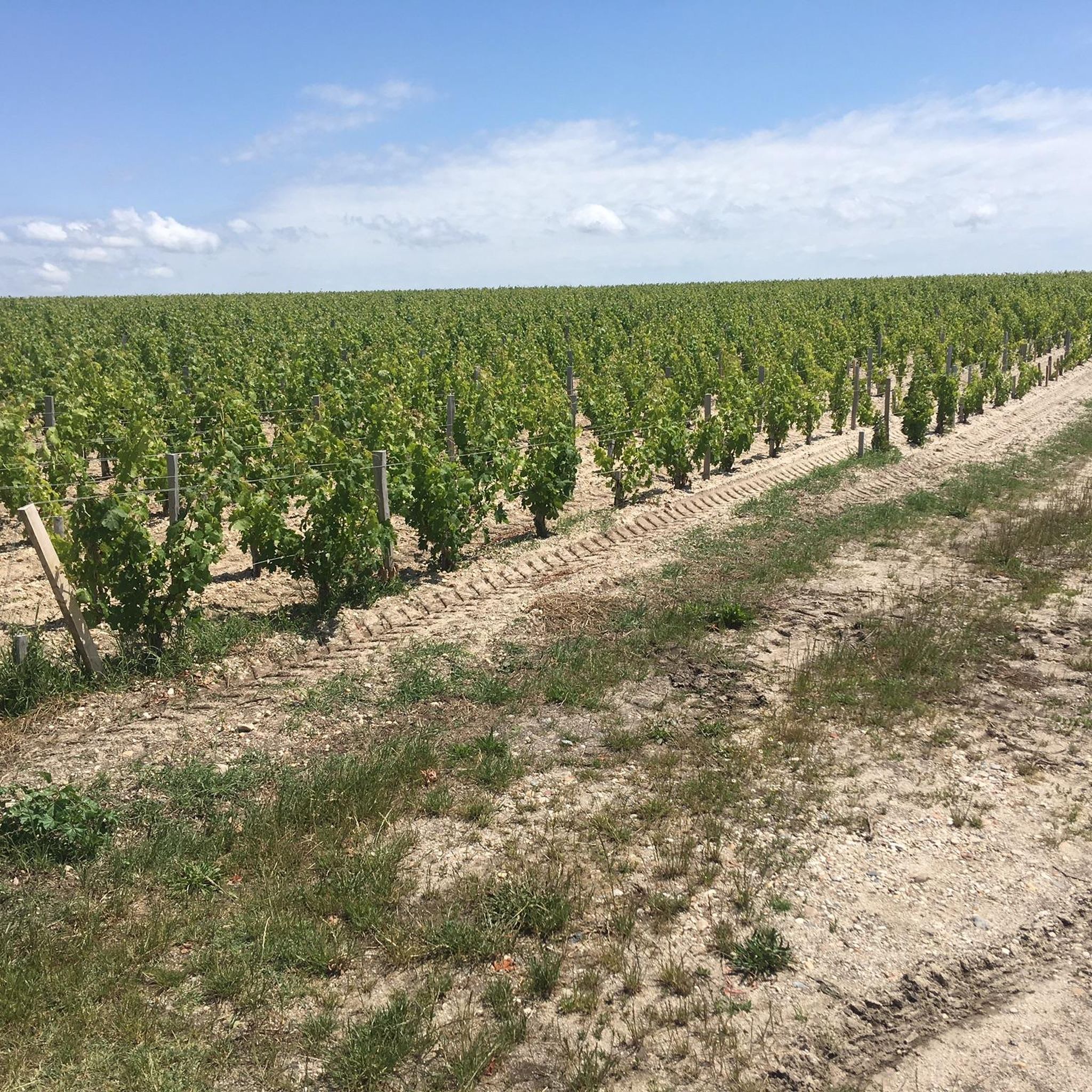
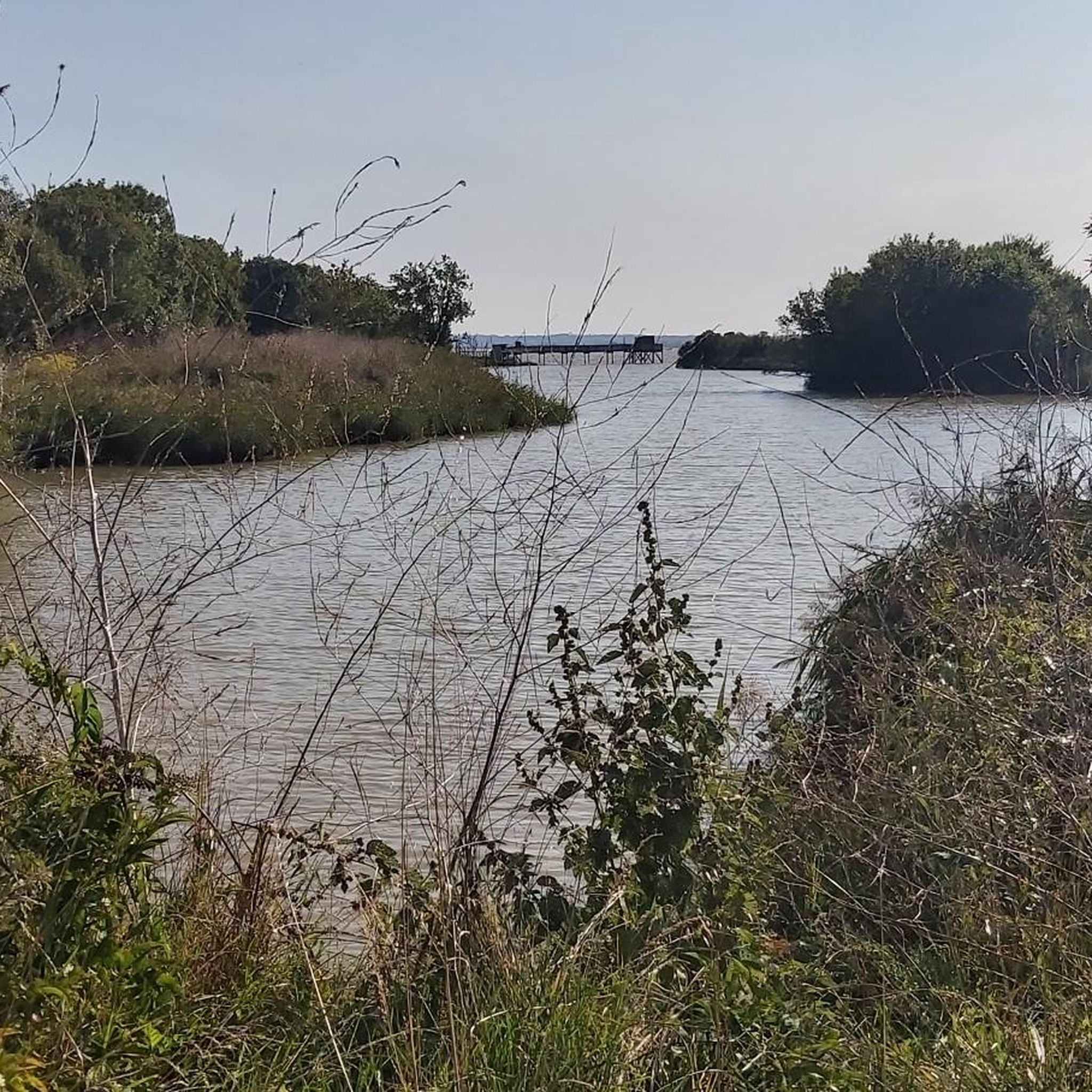

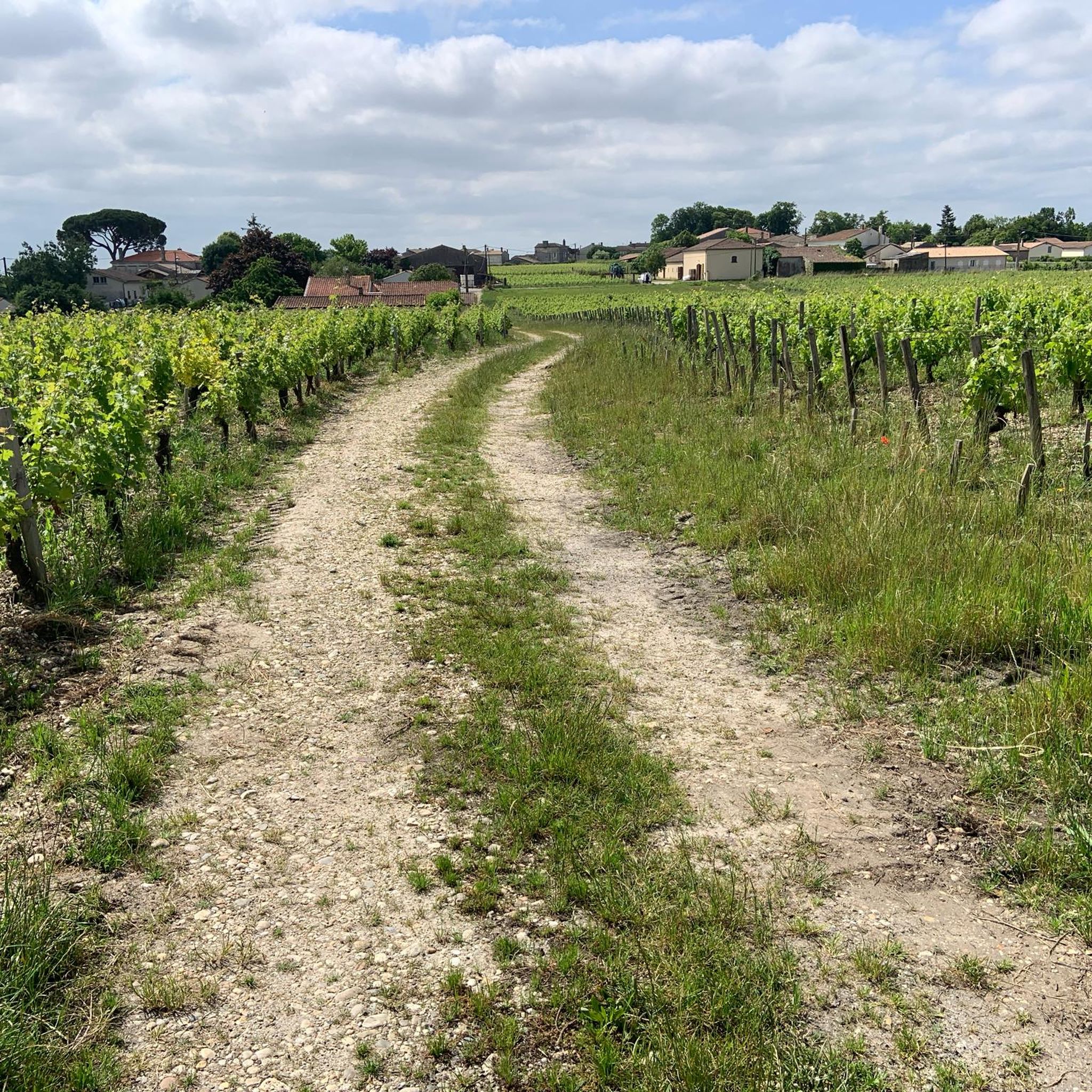
Tips from the Community

Opposite the church, you'll find a small supermarket, public restrooms, and drinking water. Always interesting.
0
0

The Saint-Saturnin Church was built in 1898 after the previous church was destroyed during the French Revolution. Near the church stands the Column of the Shipwrecked, an ex-voto erected by Nordic sailors who survived a shipwreck in the early 17th century. Located on the right bank of the Gironde River, Europe's largest estuary, the town owes its wealth of infrastructure and sports facilities to the presence of the Blayais National Park. In the heart of the marshland, its territory boasts typical wetland landscapes, home to exceptional flora and fauna. Discover it on bike rides or by visiting the "Terres d'oiseaux" bird park, next to the port of Callonges. A major producer of asparagus from Blayais, but also a wine-growing commune located in one of the largest vineyards in the world, Bordeaux, Braud-et-Saint-Louis also borders the appellations of cognac and pineau des Charentes.
0
0

Beautiful railway track cycle path between Blaye and Etauliers.
2
1

Featuring free WiFi throughout the property, a sun terrace with a swimming pool, free bikes and a garden, Chateau Pontet d'Eyrans & Spa is located in Eyrans. All rooms have a desk and a flat-screen TV. The private bathroom is fitted with a shower, free toiletries and a hairdryer. All units include a wardrobe. A buffet or continental breakfast is served on site. A barbecue is also available. Guests can play table tennis at Chateau Pontet d'Eyrans & Spa. The area is popular with hikers and cyclists. The nearest airport is Bordeaux-Mérignac Airport, 72 km from the property.
0
0

This church is quite recent (19th century) because it was built following the destruction of the village parish during the Revolution. However, its architecture is worthy of interest when passing through the charming town of Braud-et-Saint-Louis.
1
0

This cycle path was completely renovated in 2019. The old railway line leads to the entrance to the citadel of Blaye.
1
1

The only downside not a single bench or picnic table
1
0

Sanctus Saturninus de Brau is the name found in the 14th century. Braud would be an abbreviation of Beraud, Saintonge form of the Germanic name Beroald, which means Old Lord. Based on the form "Embrand" which formerly would have designated this locality. Several possible etymologies of Braud The name Braud could also come from the Gascon Braou which means Bull, a sign that this form of cattle was raised in the swamps. Commune formed from the union of two former parishes: Braud, from old French "Brai", mud, marshy place and St Louis, parish founded by the Duke of St Simon in 1656 and included in the commune of Braud in 1802. Origin of the name of the municipality of Braud and Saint Louis Braud would come from beraud, Saintonge form of the Germanic name berard, old lord" or from the Gascon braou, "bull", a sign that these cattle were raised in the swamps or even from the old French brai, "mud", "swampy place". The parish of Braud is cited under the name of Sanctus Saturninus (Saint Saturnin) of Braud. The drying out of the marshes, in the 17th century, on the initiative of the Duke Claude de Saint Simon, governor of Blaye, was to make it possible to transform the marshes into "good nature of arable land" and create villages. The draining finished, the plots are allocated, the smallholdings appear. The number of inhabitants encouraged the Duke of Saint Simon to found two parishes: the parish of Saint Louis (all the part of the large marsh located between the Gironde and the ring canal, between the Clonges canal and that of Fréneau), in l honor of the King of France and that of Saint Simon. The church, the presbytery and the cemetery built between 1665 and 1667 were destroyed during the Revolution of 1789. Rebuilt in 1895 in a neo-Gothic style and on a new north-south orientation, it is located north of the town of Braud -and-Saint-Louis. The spire of the bell tower culminates at 37 meters in height. After the Revolution, the parish of Saint Saturnin de Braud and the parish of Saint Louis des Marais were united to form the municipality of Braud and Saint Louis. THE CROSS OF SAINT LOUIS A cross found in the attic of the presbytery of Braud was erected at a place called "La Chapelle", near Fréneau, during a procession in June 1915, thus indicating the location of the disappeared church. This cross is visible from the road leading to the nuclear power plant, on the left, 4 km from the Paillerie roundabout.
1
0
Frequently Asked Questions
What historical sites can I explore around Saint-Ciers-sur-Gironde?
The region offers several historical sites. You can visit the 19th-century manor house, Château Pontet d'Eyrans, located in the heart of the Côtes de Blaye and Côtes de Bourg vineyards. Another notable site is the Market and Saint-Saturnin Church of Braud-et-Saint-Louis, a neo-Gothic church built in 1898. Further afield, the UNESCO World Heritage site, the Citadel of Blaye, offers a glimpse into military architecture and history.
Are there any natural attractions or places for wildlife spotting?
Yes, Saint-Ciers-sur-Gironde is rich in natural beauty. The The Belt – canals and wet meadows are a significant natural feature, providing a habitat for diverse wildlife, especially birds like little egrets, kingfishers, and marsh harriers. The area is on a migration route, making it excellent for birdwatching. The Gironde estuary itself offers breathtaking views and opportunities for nature walks.
What outdoor activities are available near Saint-Ciers-sur-Gironde?
The region is ideal for various outdoor activities. You can enjoy hiking, cycling, fishing, and water sports. For cycling, there's a renovated rail-to-trail section, the Blaye-Etauliers - Cycle path 🚴, which leads towards the Citadel of Blaye. You can find numerous road cycling routes, hiking trails, and MTB trails in the area.
Are there family-friendly attractions in the area?
Absolutely. Many attractions are suitable for families. The The Belt – canals and wet meadows offers an engaging experience for children to observe diverse birdlife. The Château Pontet d'Eyrans, with its swimming pool and park, can also be a pleasant stop for families. Additionally, the Market and Saint-Saturnin Church of Braud-et-Saint-Louis provides a historical and architectural interest that can be shared with children.
What is the best time of year to visit Saint-Ciers-sur-Gironde?
The region is pleasant to visit throughout the warmer months, generally from spring to early autumn (April to October). This period offers ideal weather for outdoor activities like cycling and hiking, and for enjoying the natural landscapes and cultural events. The Fête de la Musique and the Festival des Arts et Traditions Populaires are examples of events that draw visitors during these times.
Can I find places to stay or eat near the attractions?
Yes, the region offers various options. Château Pontet d'Eyrans operates as a luxurious bed & breakfast with amenities like a SPA, hammam, jacuzzi, and swimming pool. The wider area, including the town of Blaye, provides additional accommodation choices, cafes, and restaurants where you can sample local cuisine and wines.
Are there any notable churches or religious buildings to visit?
Yes, the area features interesting religious architecture. The Market and Saint-Saturnin Church of Braud-et-Saint-Louis is a 19th-century neo-Gothic church with a spire culminating at 37 meters. The original Saint-Saturnin Church in Saint-Ciers-sur-Gironde, built in the 12th century, showcases remarkable Romanesque architecture and is known for its stained glass windows.
What kind of cycling experiences can I have in the region?
Cyclists can enjoy diverse routes. The Blaye-Etauliers - Cycle path 🚴 is a fully renovated rail-to-trail section that offers an idyllic, car-free ride towards the Citadel of Blaye. The region also provides numerous road cycling routes through vineyards and countryside, as well as mountain biking trails for more adventurous riders.
What are the unique natural landscapes of Saint-Ciers-sur-Gironde?
The commune is uniquely situated on the right bank of the Gironde estuary, offering diverse landscapes that alternate between the estuary and the countryside. The The Belt – canals and wet meadows, also known as the Saint-Simon marshes, are a distinct natural environment stretching between the Saint-Georges and Ceinture canals, providing rich biodiversity.
Are there any vineyards or wine-related attractions nearby?
Yes, the region is part of a significant wine-growing area. Château Pontet d'Eyrans is located in the heart of the Côtes de Blaye and Côtes de Bourg vineyards, and offers wine tastings. The wider Blaye region is renowned for its vineyards, providing opportunities to explore local producers and taste regional wines.
What do visitors particularly enjoy about the attractions in Saint-Ciers-sur-Gironde?
Visitors appreciate the blend of historical charm and natural beauty. The serene atmosphere and Romanesque architecture of the churches, the luxurious experience and wine culture at places like Château Pontet d'Eyrans, and the rich biodiversity of the wetlands like The Belt – canals and wet meadows are frequently highlighted. The opportunities for outdoor activities like cycling and hiking through picturesque landscapes are also a major draw.
Most popular routes around Saint-Ciers-Sur-Gironde

Get inspired with the komoot mobile app


Explore more
Still not found the Highlight you’re looking for? See guides of the top attractions in other regions:
