Attractions and Places To See around Pludual - Top 20
Best attractions and places to see around Pludual include a blend of natural beauty, historical landmarks, and cultural sites. The region offers dramatic coastlines, ancient religious sites, and historic manors. Visitors can explore a variety of outdoor activities, from coastal paths to historical monuments, providing diverse experiences.
Best attractions and places to see around Pludual
- The most popular attractions is Pointe de Plouha, a viewpoint that features the largest cliffs in Brittany, offering views overlooking the English Channel. Their…
Last updated: June 22, 2026
Pointe de Plouha
Highlight • Viewpoint
Translated by Google •
Tip by

Bonaparte Beach
Highlight • Beach
Translated by Google •
Tip by

Sign up now to discover places like this
Get recommendations on the best single tracks, peaks, & plenty of other exciting outdoor places.
Sign up for free
Church of Tréveneuc
Highlight • Religious Site
Translated by Google •
Tip by

Saint Barbara Chapel
Highlight • Viewpoint
Translated by Google •
Tip by
Church of Lanloup
Highlight • Religious Site
Translated by Google •
Tip by

Sign up for free to discover even more attractions around Pludual.
Sign up for free
Already have an account?
Start today with a free account
Your next adventure awaits.
Login or Signup
Tips from the Community

In this case, you'd first drive there, then return via the GR34, which offers great views, and then cycle back to the car. This is at least convenient for the climb from the parking lot.
0
0

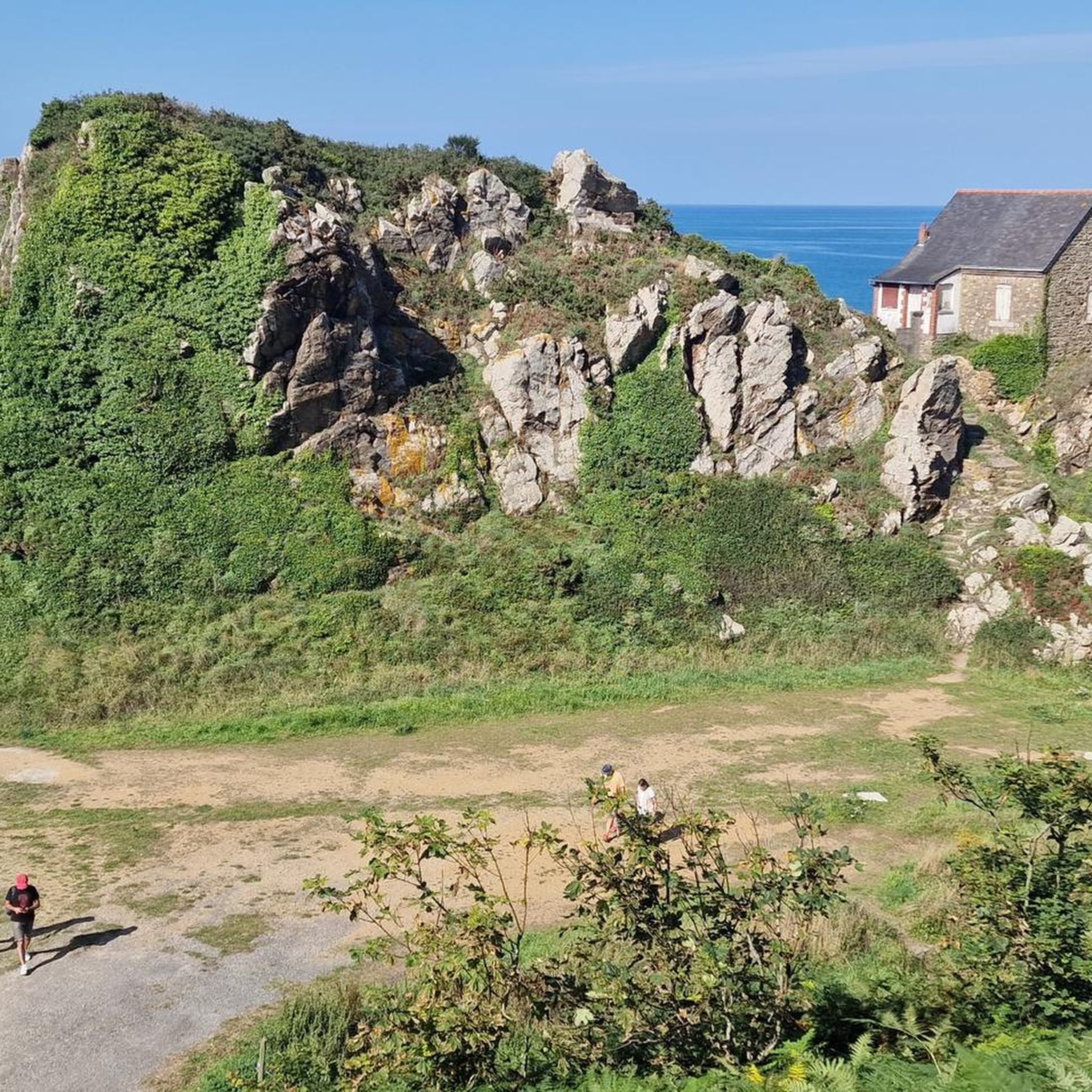
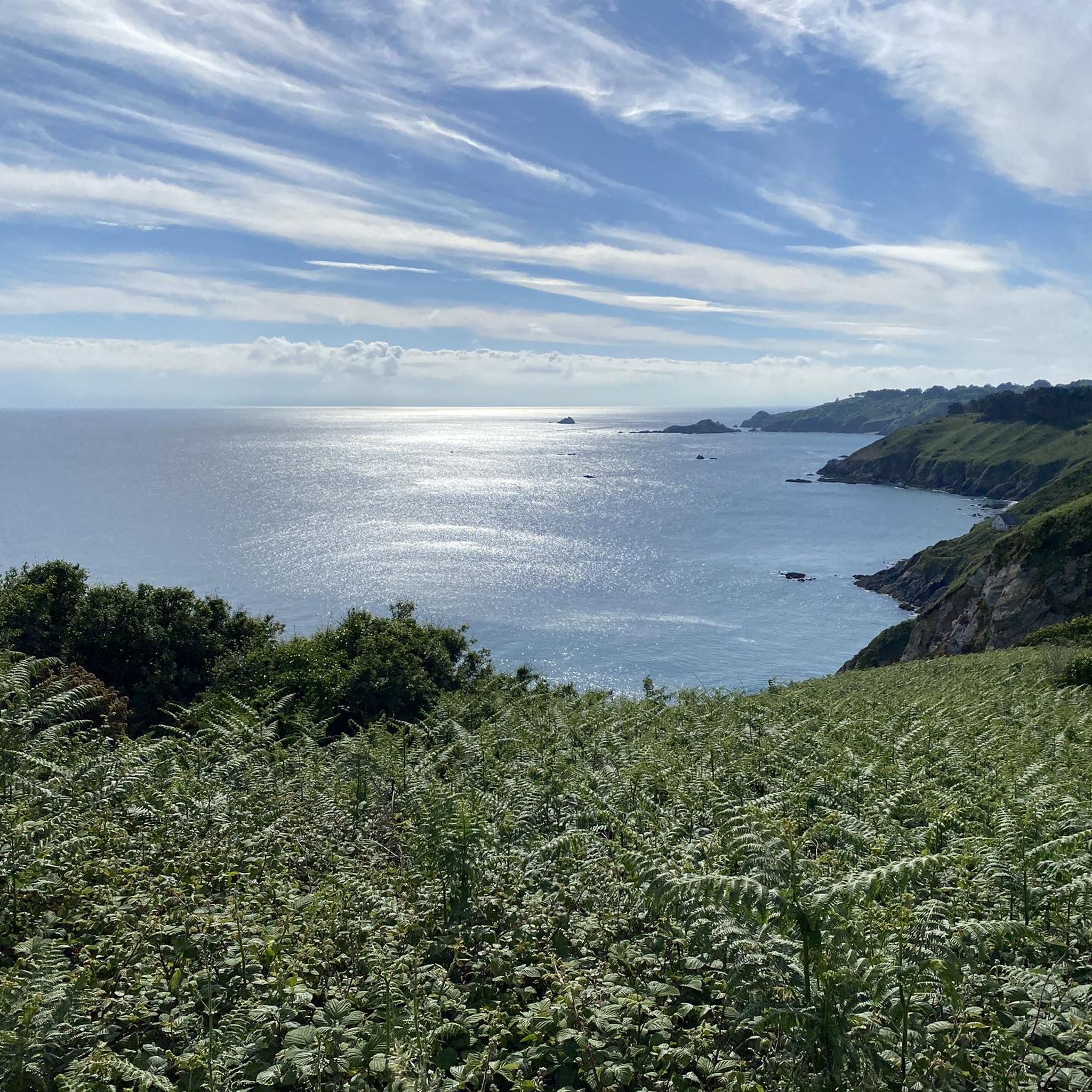
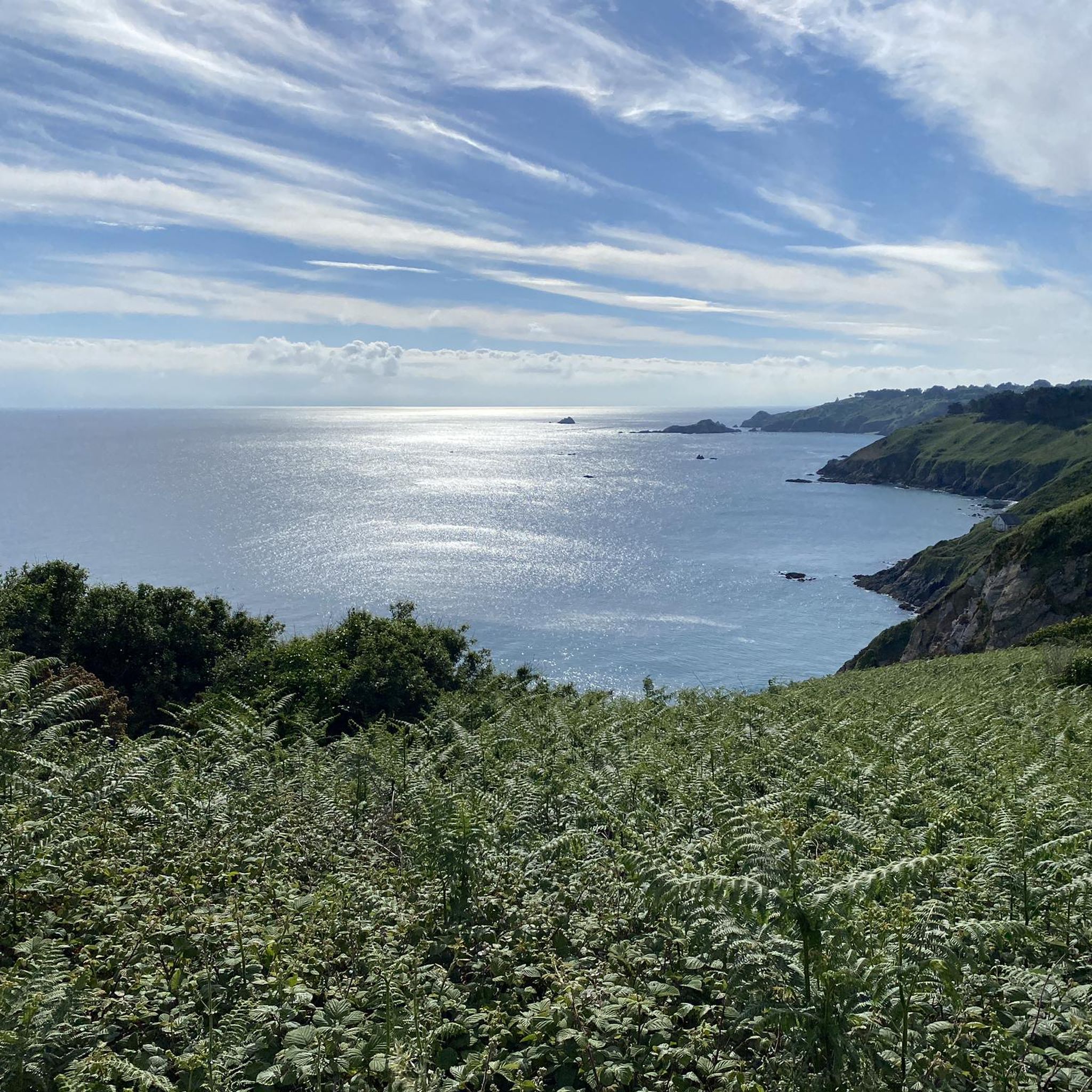
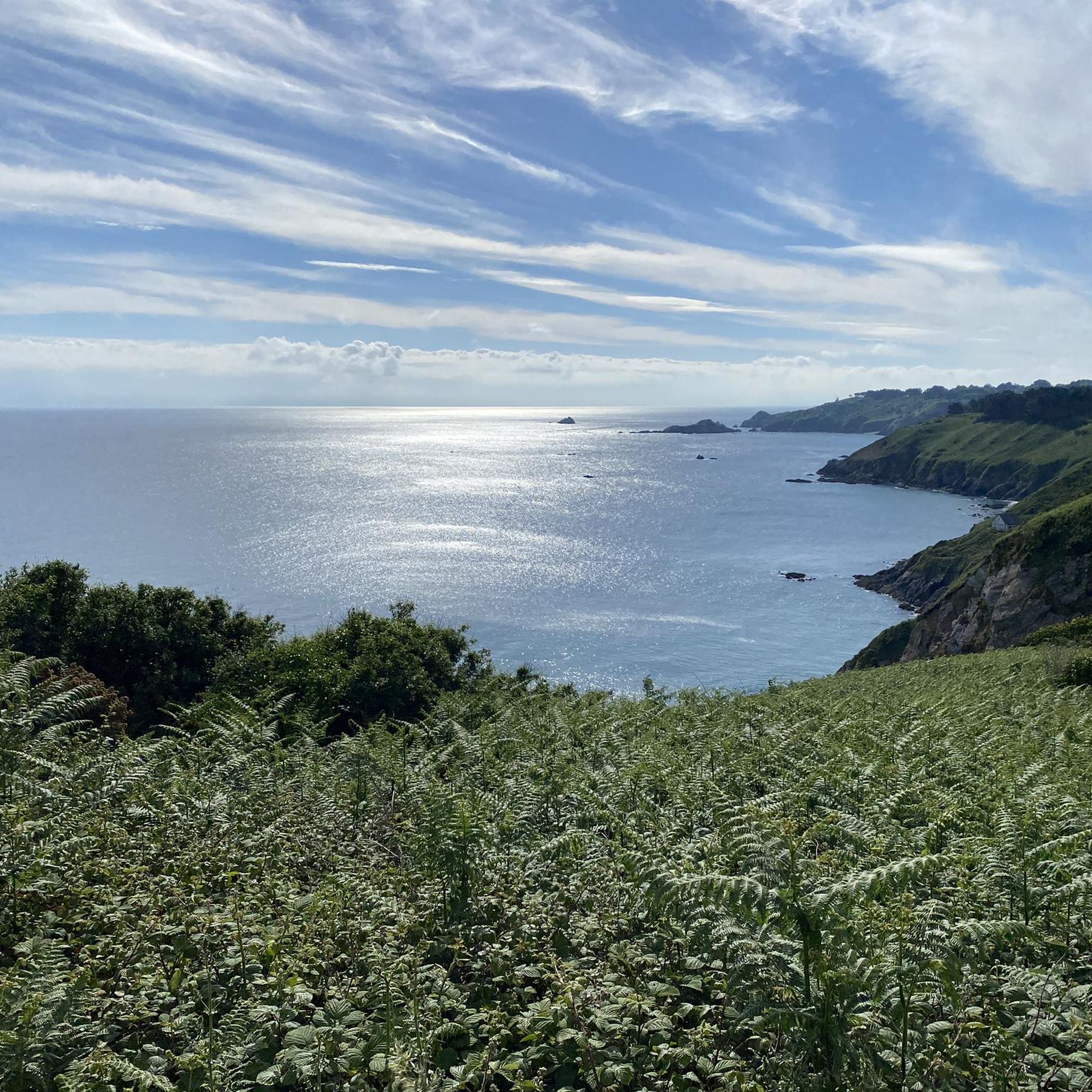
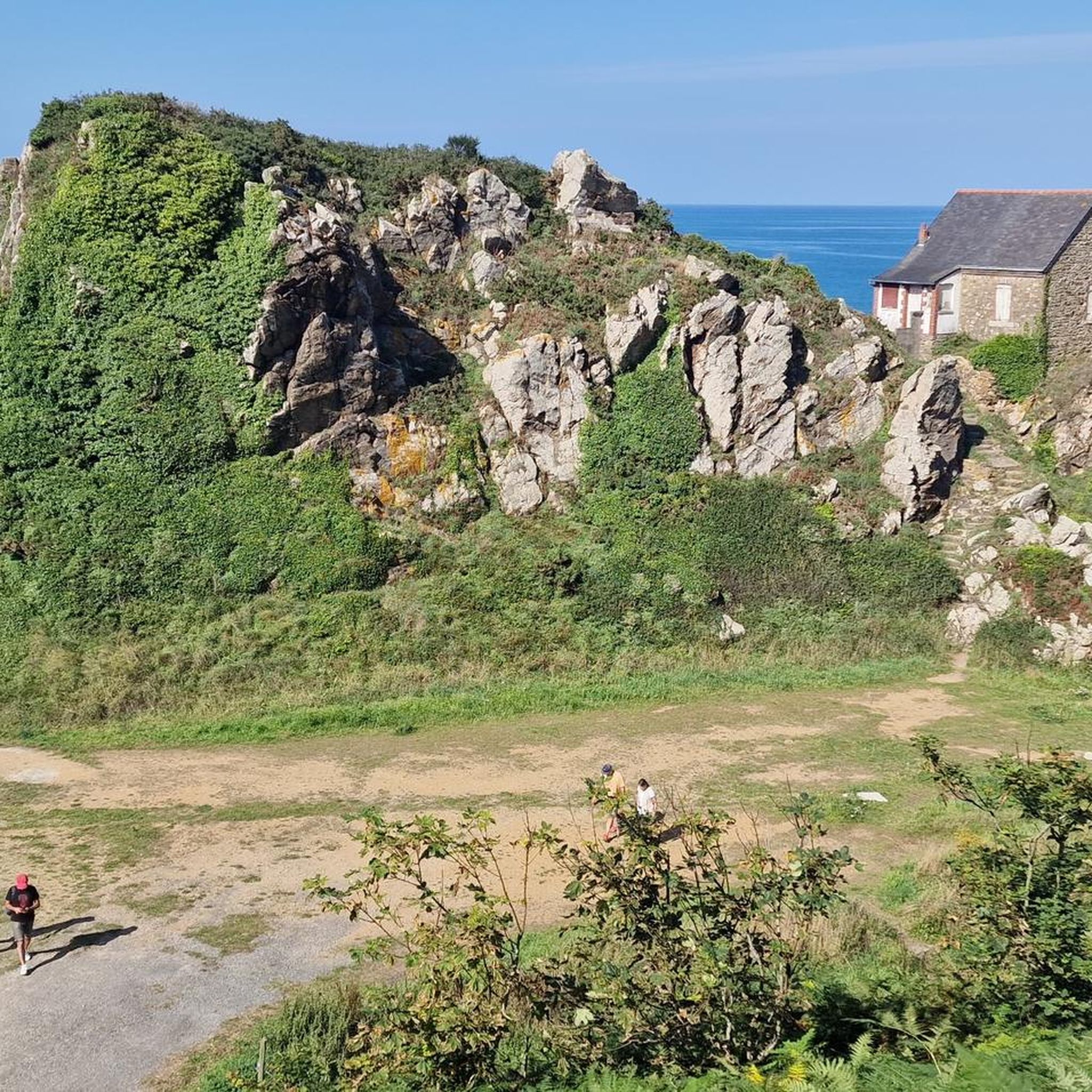
The Pointe de Plouha is a beautiful spot in Brittany and is known for its highest cliffs in the region, at 104 meters high. This 14-kilometer stretch of rocky coastline offers breathtaking views, hidden coves, bird nesting sites, an old harbor and a chapel with eerie frescoes. This location also offers historical significance, with the remains of bunkers built to protect a small anchorage, and a picturesque beach called Gwin Zegal, where tree trunks emerge from the water.
2
0

Bonaparte Beach, named after the code name given to this historic site during World War II, is also known as Anse Cochat. It has the unique feature of being accessible via a tunnel carved into the rock. From this stretch of beach, now known as "Plage Bonaparte," members of the French Resistance smuggled 135 English and Canadian pilots—including Jane Birkin's father—whose planes were shot down to England during World War II, past the Nazis. Commemorative plaques in the tunnel still bear witness to these events.
3
0

We were very surprised when we drove down the mountain and suddenly saw this architecturally very remarkable church in front of us. The entrance area is particularly beautifully decorated with the statutes of the apostles and a Madonna from the 14th century. The altarpiece shows a scene that is not often shown: Jesus and the children that he calls to him, even though his disciples try to stop them.
0
1
This church and Pommorio Castle are connected by a direct path, and the large gate at the beginning of the path, which has no protective character, separates them. It is interesting that this church is dedicated to St. Columba, an Irish-Scottish monk. We have rarely found these monks in this area, but we know them well from our homeland of Austria.
1
0

Very beautiful church. Worth a visit.
0
0

At 104 meters, the highest cliffs in Brittany.
0
0

This wild point is an ideal place to appreciate the high cliffs of this amazing coast.
2
0
Frequently Asked Questions
What natural attractions can I explore around Pludual?
The region boasts stunning natural features. Don't miss the dramatic cliffs of Pointe de Plouha, the largest in Brittany, offering splendid views over the English Channel. Another unique spot is Bonaparte Beach, accessible via a tunnel carved into the rock, known for its historical significance during WWII. You can also explore the picturesque Cliffs of Goëlo and the tip of Bec de Vir, or visit the beautiful beaches of Port-Goret, Saint-Marc, and Plage du Palus. Further afield, the remarkable Sillon de Talbert, a long sand strip and ornithological reserve, and the scenic Baie de Saint-Brieuc are worth a visit.
Are there any historical or cultural sites to visit near Pludual?
Yes, Pludual and its surroundings are rich in history. The 17th-century Saint Barbara Chapel, with its historic calvary, is a notable landmark. You can also admire the 14th-century Church of Tréveneuc and the 15th/16th-century Church of Lanloup, both featuring impressive architecture and historical details. Other significant sites include the Pludual Church, the Chapelle Notre-Dame du Calvaire with its 16th-century statue, the historic Manoir de Périmorvan, and the ruins of Langarzeau Castle. Nearby, consider visiting the 13th-century Abbaye de Beauport or the beautifully restored Château de la Roche-Jagu.
What kind of outdoor activities can I do around Pludual?
The region is perfect for outdoor enthusiasts. You'll find numerous hiking and cycling trails, especially along the scenic coastal paths. For specific routes, check out the Hiking around Pludual guide, which includes trails like the Palus Beach loop or the Chapelle de Kermaria loop. Cyclists can explore routes in the Road Cycling Routes around Pludual and Cycling around Pludual guides.
Are there family-friendly attractions in Pludual?
Many attractions around Pludual are suitable for families. Bonaparte Beach is a great option, offering unique access and a wide sandy area at low tide. Exploring the cliffs at Pointe de Plouha can also be an exciting outing for older children. Historical sites like the Church of Tréveneuc and the Church of Lanloup offer educational opportunities. The annual garden festival at Pommorio Castle in April is also a family-friendly event.
Where can I find unique historical insights into the region?
For unique historical insights, visit Bonaparte Beach (Anse Cochat), where a tunnel carved into the rock bears commemorative plaques detailing its use by the French Resistance to smuggle Allied pilots during World War II. The 13th-century Chapelle de Kermaria-an-Iskuit is also remarkable for its unique 'danse macabre' fresco, rediscovered in 1856. Additionally, the small port of Gwin Zégal offers a glimpse into ancient maritime practices with its traditional wooden stake moorings, a method dating back to the 5th century.
What are some lesser-known 'hidden gems' around Pludual?
Beyond the main highlights, consider visiting the traditional port of Gwin Zégal, one of the last two of its kind in Northern Europe, featuring unique wooden stake moorings. The Chapelle Notre-Dame du Calvaire (Poul Ar Ranet) houses a beautiful 16th-century polychrome wooden statue of the seated Virgin and Child, a true treasure. For nature lovers, the Sillon de Talbert, a remarkable strip of sand extending into the sea, doubles as an ornithological reserve and offers a tranquil escape.
Is Île de Bréhat accessible from Pludual, and what can I do there?
Yes, Île de Bréhat is approximately 19km from Pludual and is easily accessible. This small island is celebrated for its lush vegetation and diverse landscapes. It's a fantastic place to explore on foot or by bicycle, offering a peaceful escape and stunning coastal views without cars.
What is the best time of year to visit Pludual attractions?
Pludual offers attractions year-round, but the spring and summer months (April to September) are generally ideal for enjoying the natural beauty and outdoor activities, with milder weather and longer daylight hours. The annual garden festival at Pommorio Castle takes place in April, and the traditional Fest Noz is held every first Friday in August. For coastal walks and beach visits, the warmer months are preferable.
Are there any dog-friendly places to visit?
Yes, Bonaparte Beach is noted as dog-friendly, allowing dogs all day from September 16th to June 14th. During the peak season (June 15th to September 15th), dogs are permitted before 10 AM and after 7 PM. Many of the coastal paths and natural areas are also suitable for walks with dogs, but always check local regulations.
What do visitors particularly enjoy about the attractions around Pludual?
Visitors frequently praise the breathtaking views from the cliffs, especially at Pointe de Plouha, noting the dramatic scenery and the dark colors resulting from past volcanic activity. The unique access and historical significance of Bonaparte Beach are also highly appreciated. Many enjoy the quaint charm and historical depth of sites like the Saint Barbara Chapel, often highlighting the peaceful atmosphere and beautiful surroundings.
Can I find traditional Breton culture in Pludual?
Absolutely. You can immerse yourself in local culture by exploring the traditional Breton houses that characterize the area. Pommorio Castle hosts a traditional Fest Noz (Breton night festival) every first Friday in August, offering an authentic cultural experience with music and dance. Local markets also provide an opportunity to discover regional products and traditions.
Are there any castles or manors to visit in the area?
Yes, the region features several historical castles and manors. Pommorio Castle is known for its annual garden festival and Fest Noz. You can also see the 16th-century Manoir de Périmorvan, though only a decorated door remains from its original structure. The ruins of Langarzeau Castle, a 13th-century fortress, offer a glimpse into the area's medieval past. Further afield, the beautifully restored Château de la Roche-Jagu, overlooking the Trieux river, is a must-see with its botanical park and exhibitions.
Most popular routes around Pludual
Most popular attractions around Pludual

Get inspired with the komoot mobile app


Explore more
Still not found the Highlight you’re looking for? See guides of the top attractions in other regions:
